

Shifting salmon policy
Photo by Alex Harris.
Ecosystems are complex. They are communities of living organisms connected through interacting processes and features on the land, in water, and between the two. Yet BC’s antiquated environmental policy doesn’t reflect this. Colonial society governs ecosystems by siloing them into distinct ministries and resources instead of reflecting the interconnected nature of habitats that make them function in the living world. This “siloed decision making”is the root cause of many of the ecological challenges we face today.
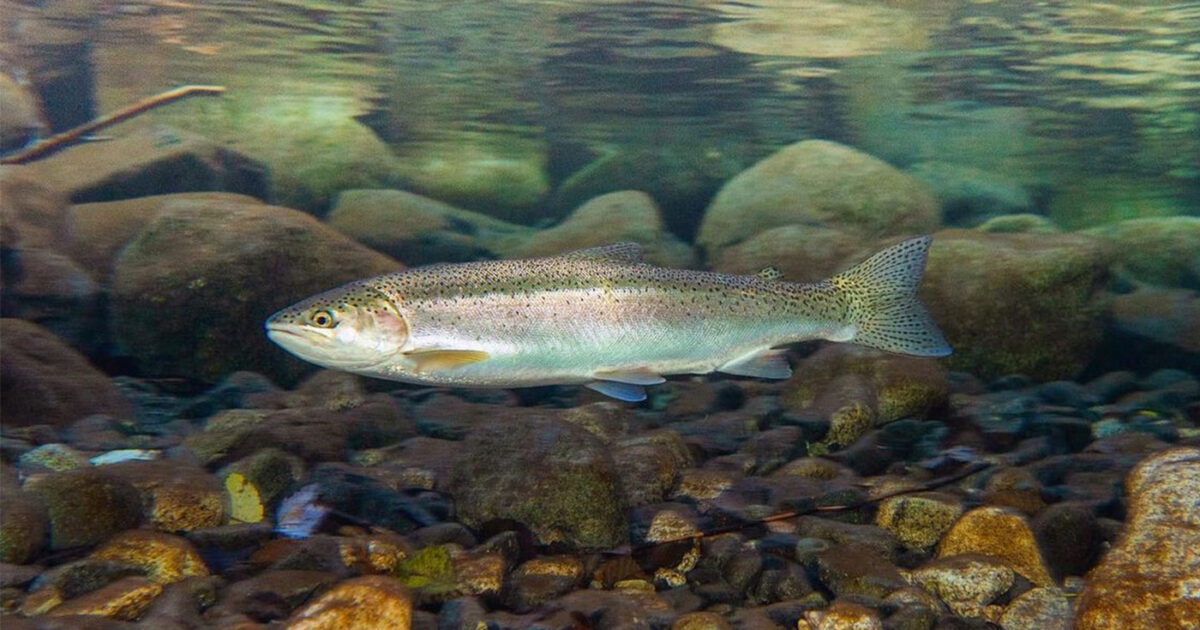
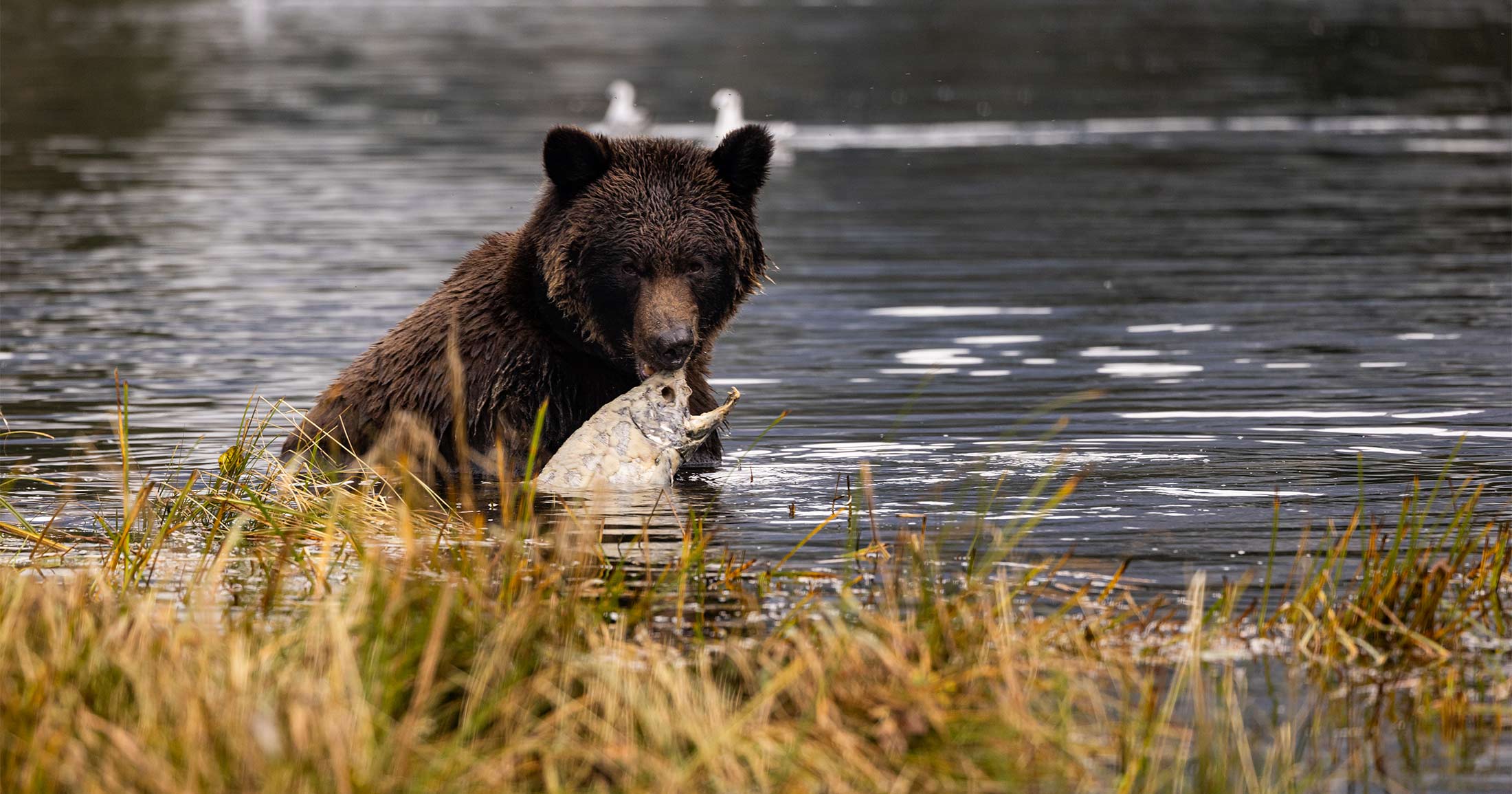
Our policy goals
1. Manage fisheries for ecosystems
- Set salmon harvest at levels that optimize the benefits of spawning salmon to watersheds and wildlife.
- Shift away from historic management paradigms that minimize the number of spawning salmon reaching rivers and maximize harvest (called Maximum Sustainable Yield). Move towards fisheries management that meets salmon spawning targets that are ecologically based, not harvest-based.
- Shift harvest toward selective terminal fisheries (conducted in or near the rivers of origin) that respect the ‘place-based’ nature of salmon, and optimize the benefits to ecosystems, Indigenous cultures, and local communities.
2. Implement ecological-based governance
- Conservation planning and a commitment to sustainability that looks 7 generations ahead.
- A “whole-of-government” approach that implements shared solutions by Indigenous, federal, provincial, and municipal governments to achieve salmon recovery from inland watersheds and rivers, to the open ocean.
- Governance that honours Aboriginal rights and title, inherent Indigenous jurisdiction and law, and the United Nations Declaration on the Rights of Indigenous Peoples (UNDRIP) and the Declaration on the Rights of Indigenous Peoples Act (DRIPA).
- Sustainable funding strategies for watershed-scale restoration and planning.
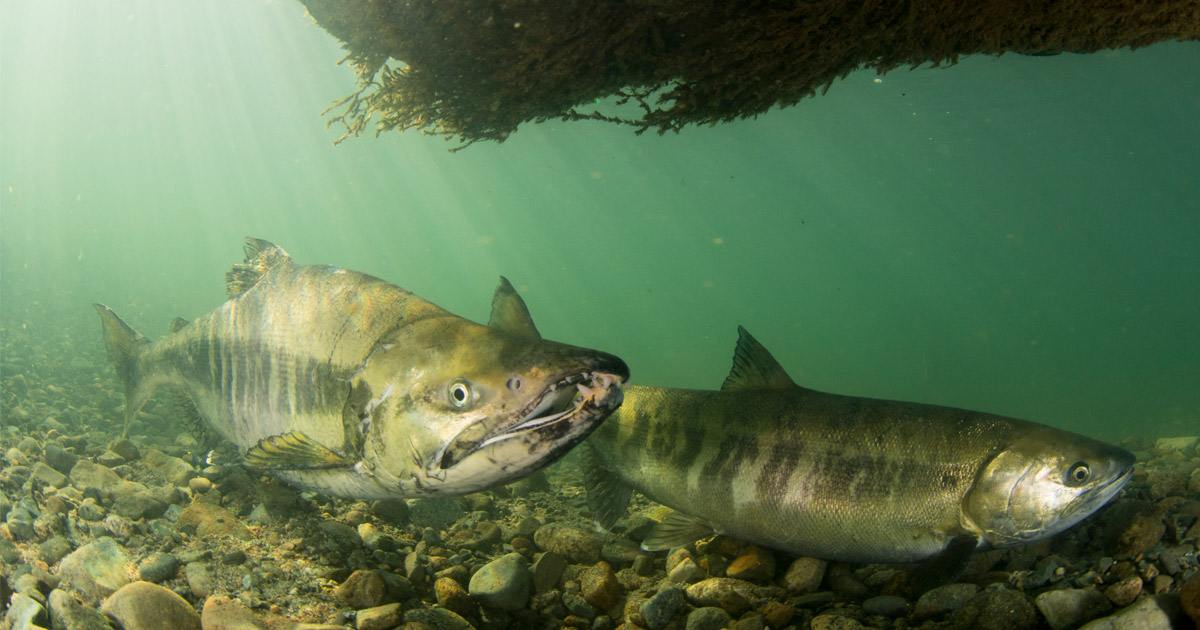
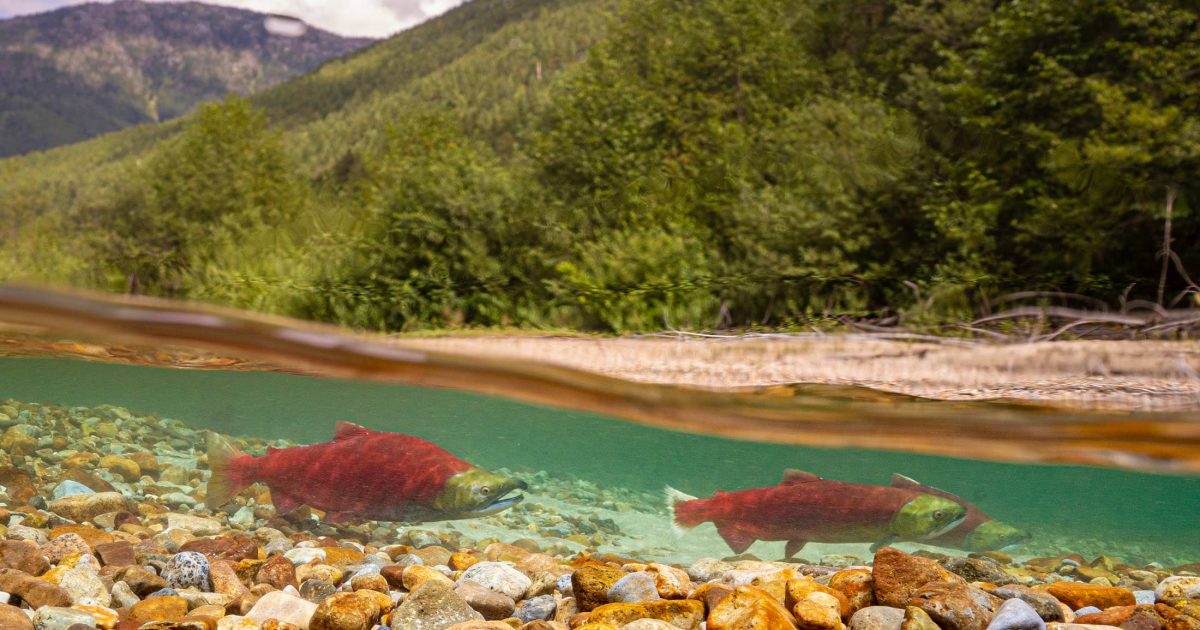
3. Advance land-use policies that prioritize the health of wild salmon and biodiversity
- Zoning that bolsters functioning watersheds and riparian habitat (i.e.protect natural features, limit impervious surfaces, reduce urban sprawl, adopt nature-based solutions).
- Forestry policy that prioritizes salmon health by restricting clear-cutting in salmon watersheds, and incentivizes a sustainable, second or third-growth forest economy.
- Climate adaptation policy that incentivizes nature-based solutions including natural shorelines, intact riparian areas, unrestricted floodplains, managed retreat, and use of rain-gardens in urban areas.
Our recent reports
Recent articles

A Rainforest Awakening
by Chris Genovali January 2007 From Victoria, B.C. Last fall, Raincoast’s wolf team conducted a ten-day expedition on our research vessel Achiever. We collected genetic samples from areas in the Great Bear Rainforest we had not yet visited and to re-visit wolf home sites we had previously identified. One evening, we anchored by a wolf hot spot….

A Day to be Heard
A nation’s stand against open-net salmon farming and an appeal to BC’s Special Committee on Sustainable Aquaculture

A Living Ocean
Hecate Strait is one of the roughest bodies of water on earth, but today we can see the reflections of clouds on its surface. We are nearing the end of a long day, which is nearly the last of our field season, which is, in turn, the last summer of our three-year whale survey. But…
Cutting to the Chase
A young wolf races along the shore, his gangly legs negotiating the rocky shoreline as effortlessly as an Olympic gymnast performing a tried routine. Only a fleeting glance over his shoulder betrays his fear as he disappears into the forest. We look at each other in awe as a few moments of calm descend on…
Open House
The Koeye (K’way) watershed is located about 30 miles south of Bella Bella in Fitz Hugh Sound in the heart of the Great Bear Rainforest. Today, there are about three hundred of us gathered on the sandy beach to witness the opening of the Koeye Big House that has been built over the last four…
Notes From the Shipyard
Raincoast’s dedicated research boat, a 66-foot steel hulled sloop called Achiever, is very close to being operational for 2006. We will launch her from the Shelter Island Shipyard on the Fraser River on July 15 at 10am, and as that day approaches we are ticking off the remaining tasks like items on a grocery list….