

Shifting salmon policy
Photo by Alex Harris.
Ecosystems are complex. They are communities of living organisms connected through interacting processes and features on the land, in water, and between the two. Yet BC’s antiquated environmental policy doesn’t reflect this. Colonial society governs ecosystems by siloing them into distinct ministries and resources instead of reflecting the interconnected nature of habitats that make them function in the living world. This “siloed decision making”is the root cause of many of the ecological challenges we face today.
Our policy goals
1. Manage fisheries for ecosystems
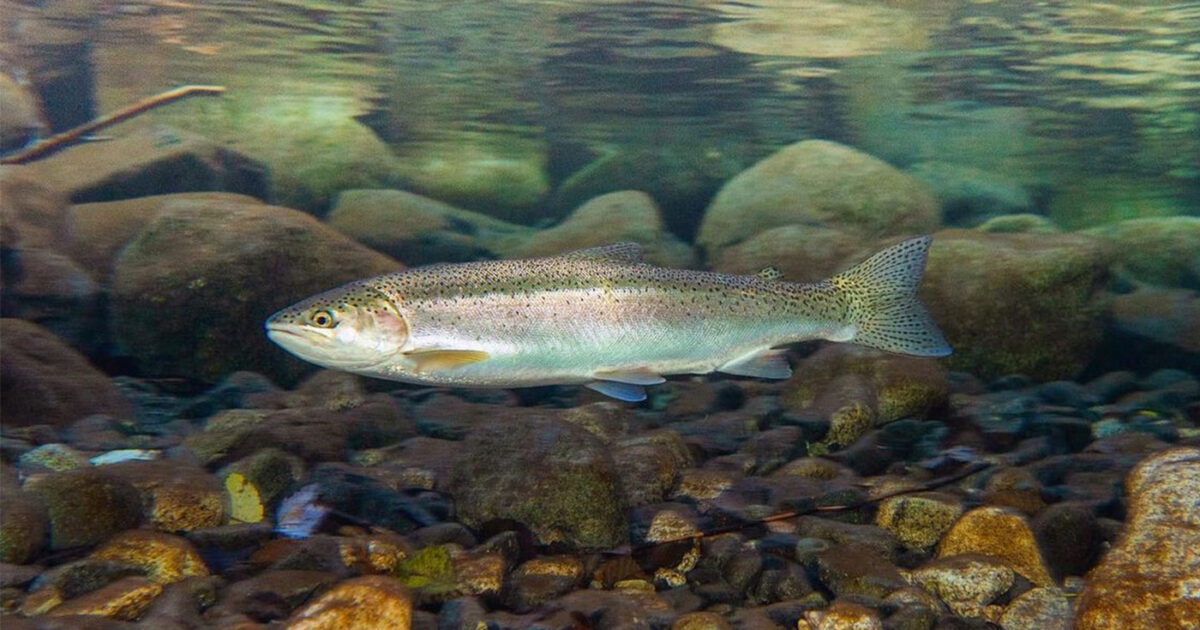
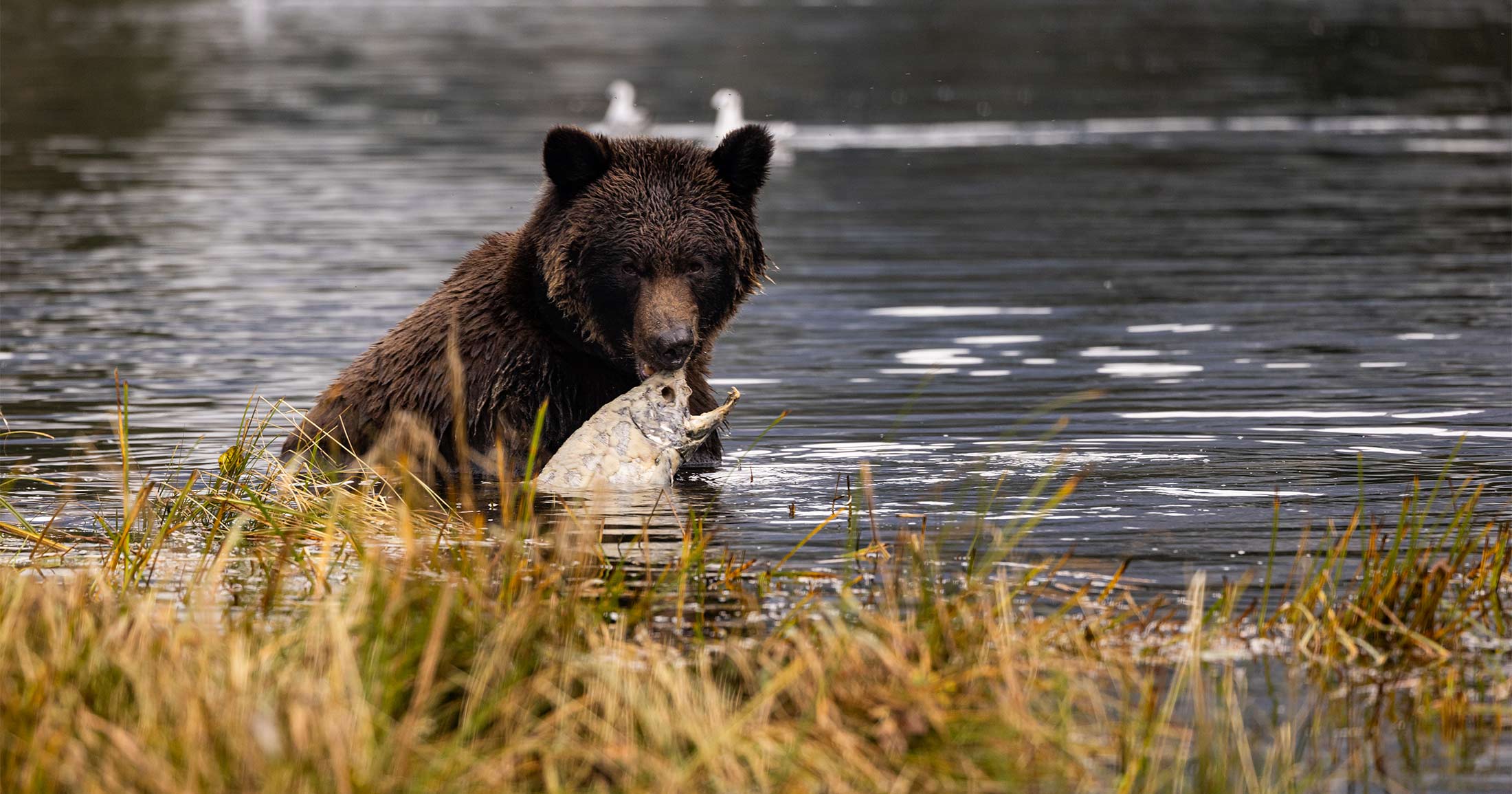
- Set salmon harvest at levels that optimize the benefits of spawning salmon to watersheds and wildlife.
- Shift away from historic management paradigms that minimize the number of spawning salmon reaching rivers and maximize harvest (called Maximum Sustainable Yield). Move towards fisheries management that meets salmon spawning targets that are ecologically based, not harvest-based.
- Shift harvest toward selective terminal fisheries (conducted in or near the rivers of origin) that respect the ‘place-based’ nature of salmon, and optimize the benefits to ecosystems, Indigenous cultures, and local communities.
2. Implement ecological-based governance
- Conservation planning and a commitment to sustainability that looks 7 generations ahead.
- A “whole-of-government” approach that implements shared solutions by Indigenous, federal, provincial, and municipal governments to achieve salmon recovery from inland watersheds and rivers, to the open ocean.
- Governance that honours Aboriginal rights and title, inherent Indigenous jurisdiction and law, and the United Nations Declaration on the Rights of Indigenous Peoples (UNDRIP) and the Declaration on the Rights of Indigenous Peoples Act (DRIPA).
- Sustainable funding strategies for watershed-scale restoration and planning.
3. Advance land-use policies that prioritize the health of wild salmon and biodiversity
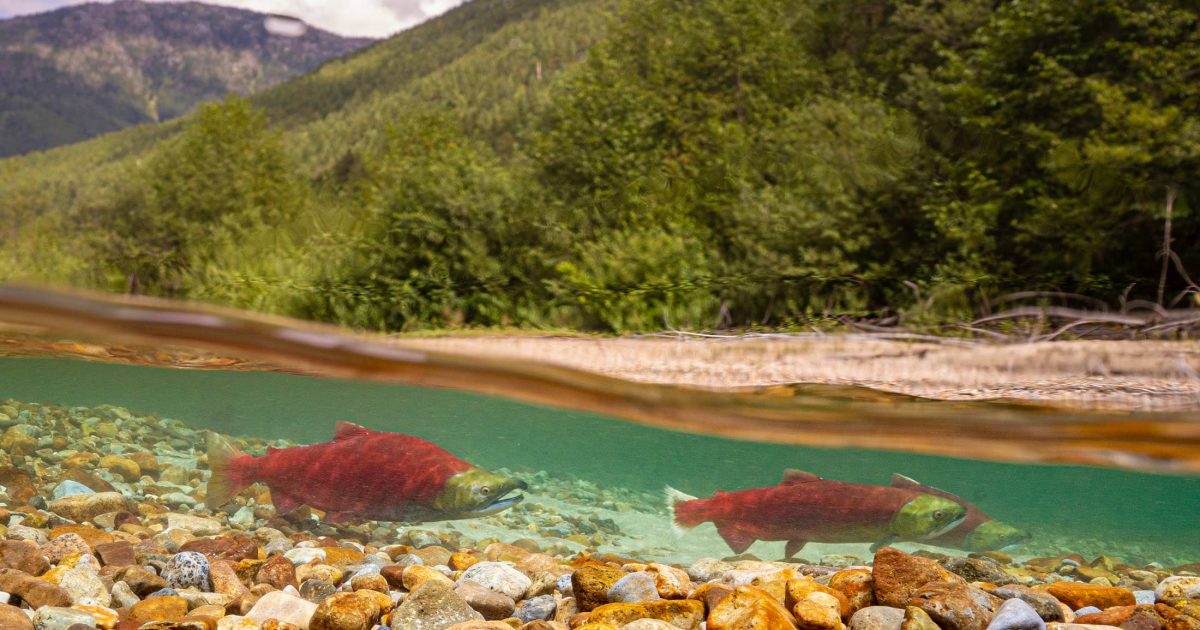
- Zoning that bolsters functioning watersheds and riparian habitat (i.e.protect natural features, limit impervious surfaces, reduce urban sprawl, adopt nature-based solutions).
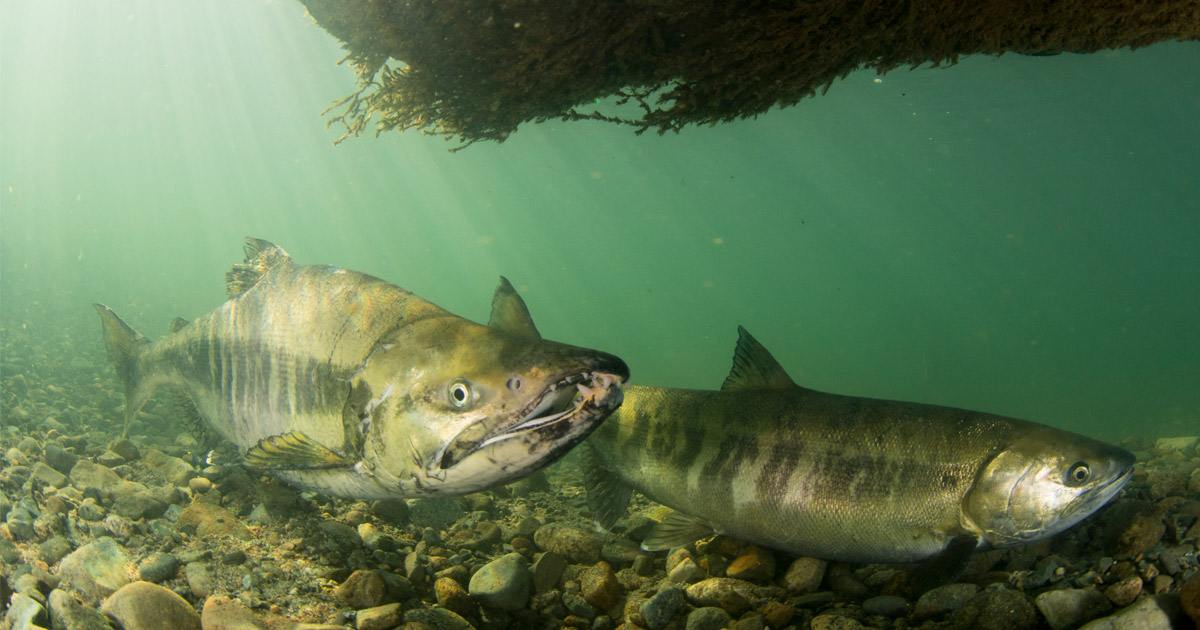
- Forestry policy that prioritizes salmon health by restricting clear-cutting in salmon watersheds, and incentivizes a sustainable, second or third-growth forest economy.
- Climate adaptation policy that incentivizes nature-based solutions including natural shorelines, intact riparian areas, unrestricted floodplains, managed retreat, and use of rain-gardens in urban areas.
Our recent reports
Recent articles

The herring coast
by Caroline Fox Raincoast Biologist and UVic PhD Student Hazard Point April 2009 Leaning over the side of my skiff at dusk, I peer into the clear, blue waters off Hazard Point, Quatsino Sound. Just below the calm surface, hundreds of tonnes of tightly-packed Pacific herring school.
Big cats on the prowl
Cougars are B.C.’s neglected carnivores Monday Magazine By Chris Genovali July 02, 2009 The recent cougar attack in Squamish has brought to the fore the significant gaps in the management of these top-level predators.
Development and its impact on cougar habitat
Vancouver Sun, June 24, 2009 Re: ‘I just knew I had to get between them’; mother says her instincts took over when she saved her daughter from attacking cougar, Westcoast News, June 18
Trophy hunters in the line of fire
By Larry Pynn, Vancouver Sun June 12, 2009 Gary Shelton has shot his share of grizzlies over the years, but the bear he’s likely to be remembered for is the one he didn’t even kill.
eBay should halt trophy hunt sales
VUE WEEKLY June 11, 2009, Chris Genovali / raincoast.org There is an amazing array of things one can purchase on eBay, from used lawn furniture to vintage dolls to bongs allegedly used by Olympic athletes. Among the myriad items being sold on eBay are guided hunts of North America’s grizzly bears, black bears, wolves
Industrialization of coast looming
Guest column by Chris Genovali The Province, May 27, 2009 According to some expert claims, the B.C. Liberals’ re-election can be, in part, attributed to support for their climate-change policy, specifically the carbon tax.