
Shifting salmon policy
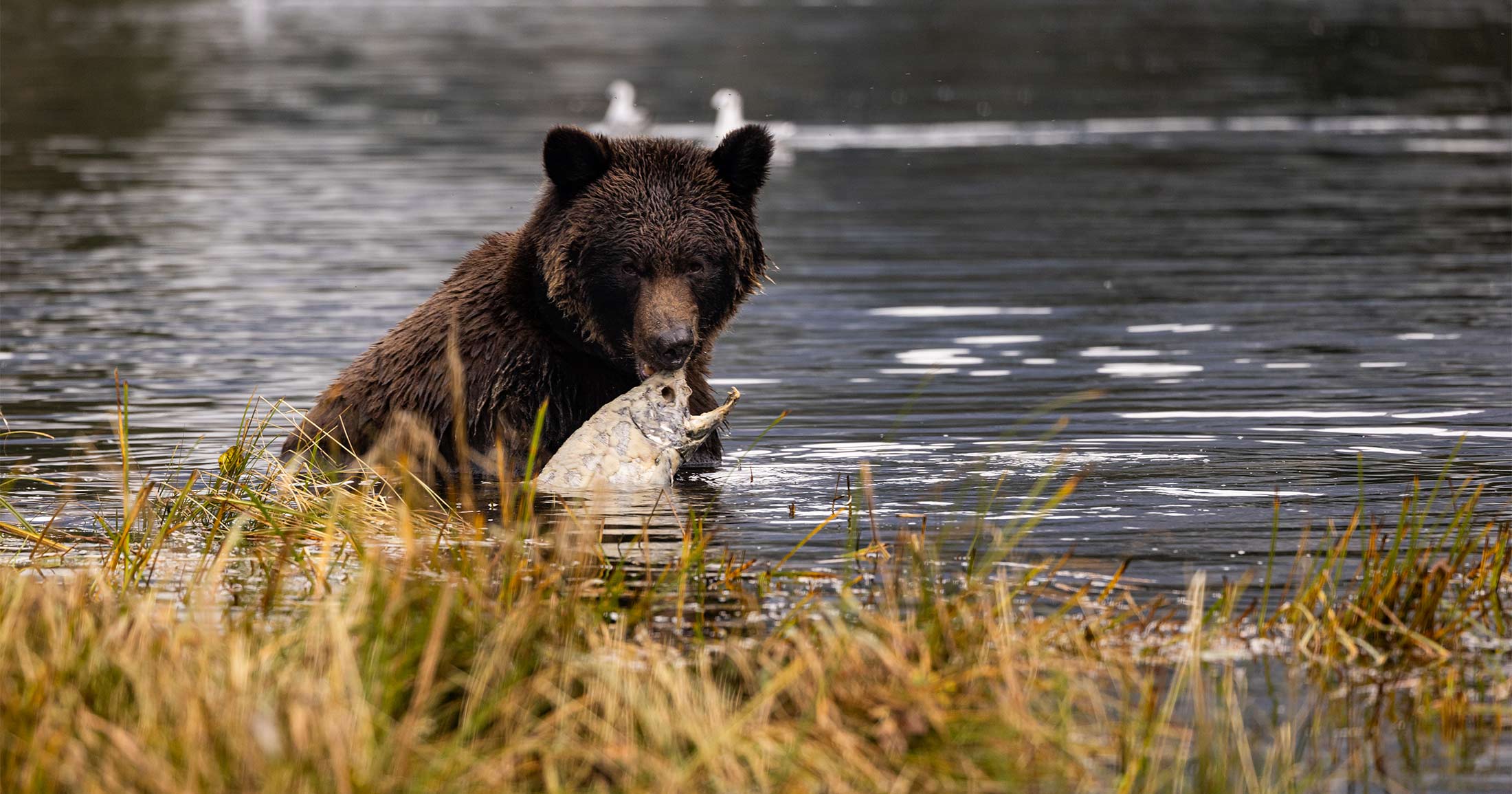
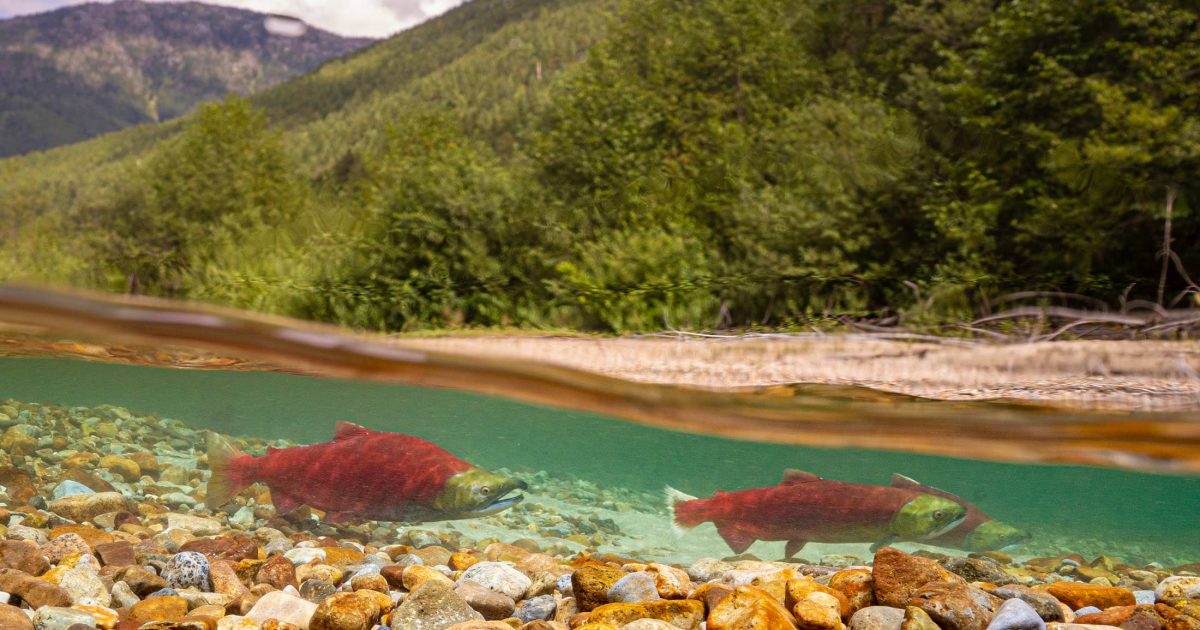
Photo by Alex Harris.
Ecosystems are complex. They are communities of living organisms connected through interacting processes and features on the land, in water, and between the two. Yet BC’s antiquated environmental policy doesn’t reflect this. Colonial society governs ecosystems by siloing them into distinct ministries and resources instead of reflecting the interconnected nature of habitats that make them function in the living world. This “siloed decision making”is the root cause of many of the ecological challenges we face today.
Our policy goals
1. Manage fisheries for ecosystems
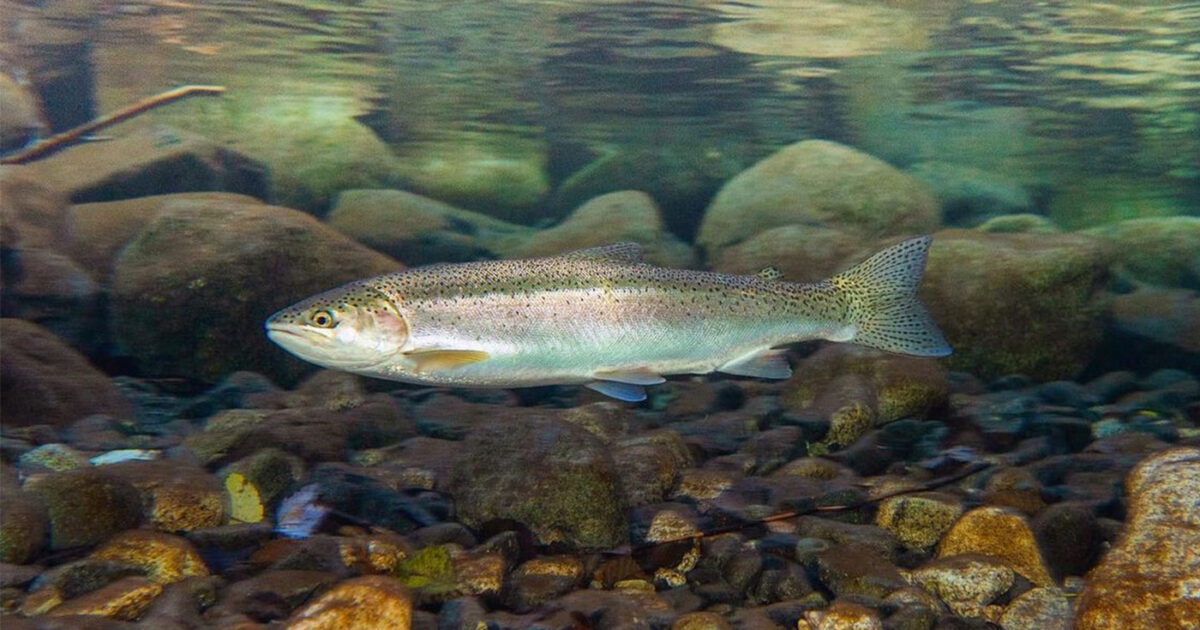
- Set salmon harvest at levels that optimize the benefits of spawning salmon to watersheds and wildlife.
- Shift away from historic management paradigms that minimize the number of spawning salmon reaching rivers and maximize harvest (called Maximum Sustainable Yield). Move towards fisheries management that meets salmon spawning targets that are ecologically based, not harvest-based.
- Shift harvest toward selective terminal fisheries (conducted in or near the rivers of origin) that respect the ‘place-based’ nature of salmon, and optimize the benefits to ecosystems, Indigenous cultures, and local communities.
2. Implement ecological-based governance
- Conservation planning and a commitment to sustainability that looks 7 generations ahead.
- A “whole-of-government” approach that implements shared solutions by Indigenous, federal, provincial, and municipal governments to achieve salmon recovery from inland watersheds and rivers, to the open ocean.
- Governance that honours Aboriginal rights and title, inherent Indigenous jurisdiction and law, and the United Nations Declaration on the Rights of Indigenous Peoples (UNDRIP) and the Declaration on the Rights of Indigenous Peoples Act (DRIPA).
- Sustainable funding strategies for watershed-scale restoration and planning.
3. Advance land-use policies that prioritize the health of wild salmon and biodiversity
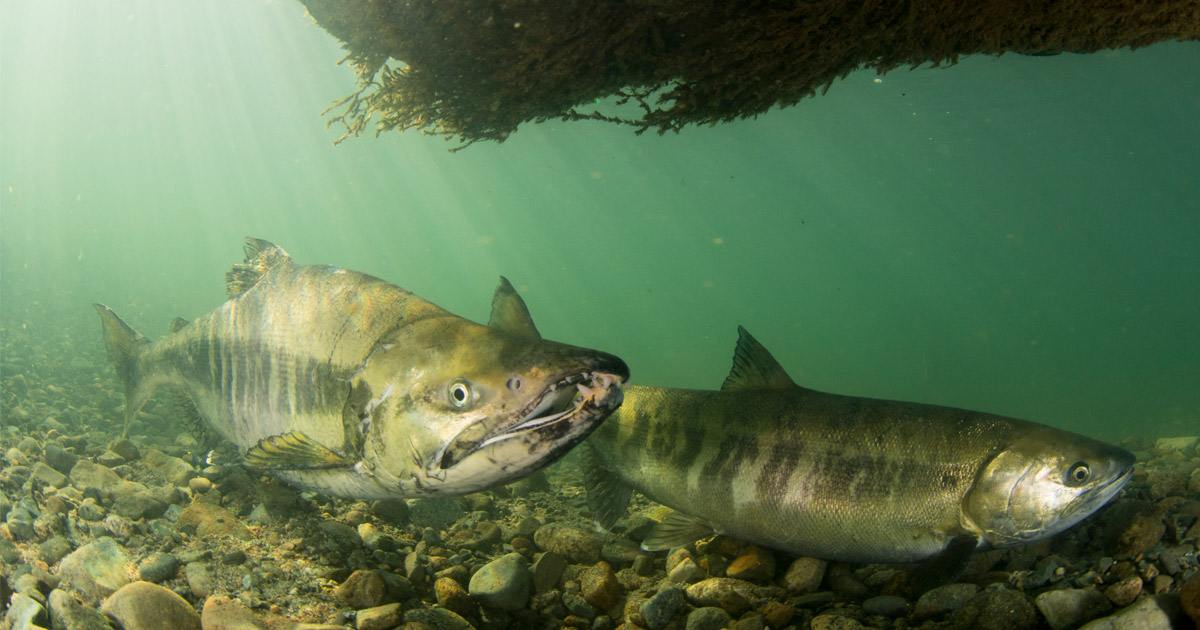
- Zoning that bolsters functioning watersheds and riparian habitat (i.e.protect natural features, limit impervious surfaces, reduce urban sprawl, adopt nature-based solutions).
- Forestry policy that prioritizes salmon health by restricting clear-cutting in salmon watersheds, and incentivizes a sustainable, second or third-growth forest economy.
- Climate adaptation policy that incentivizes nature-based solutions including natural shorelines, intact riparian areas, unrestricted floodplains, managed retreat, and use of rain-gardens in urban areas.
Our recent reports
Recent articles

Legal Victory for resident Killer Whales
A precedent setting legal victory that forces the Canadian federal government to protect the critical habitat of BC’s resident killer whales (salmon eaters) was won this week. CFAX host Murray Langdon speaks with Raincoast’s Misty MacDufee about the case and what it means for the whales. Click here to listen (MP3). Download the judges decision Killer Whale Judgement…

B.C.’s killer whales, at-risk species score victory in landmark court case
By Suzanne Fournier, The Province
December 8, 2010
A conservation coalition made up of nine groups, Ecojustice argued – and won – in court that the federal Fisheries and Oceans has failed to adequately protect killer whales…

Feds failing to protect killer whale habitat, court rules
By Jeff Nagel – BC Local News
Published: December 07, 2010
Conservation groups say they’ve won a major court decision that will force the federal government to do more to protect critical habitat for B.C.’s resident killer whales…
Judge: Ottawa isn’t protecting whales
Eco-activists hail it as landmark ruling; DFO changes expected
By Judith Lavoie, Times Colonist
December 8, 2010
The federal government has failed to adequately protect the habitat of endangered and threatened resident killer whales, a Federal Court judge ruled Tuesday…

Legal victory offers hope for killer whales
Media Release, December 7, 2010
Federal Court rules DFO failed to protect B.C. resident killer whale critical habitat. Conservation groups, represented by Ecojustice, have won a landmark decision…
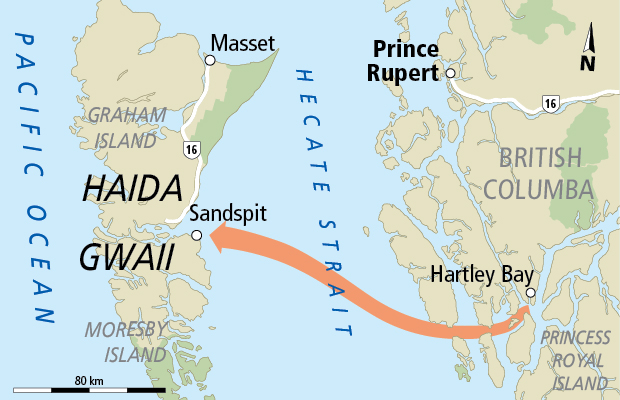
Bottle thrown into the ocean near Hartley Bay gives clues into behaviour of oil spills
By Judith Lavoie, Times Colonist
December 7, 2010
A message in a bottle has washed up on the east coast of Haida Gwaii, providing one more piece of a jigsaw puzzle showing the web of currents swirling around the Pacific Ocean…