

Shifting salmon policy
Photo by Alex Harris.
Ecosystems are complex. They are communities of living organisms connected through interacting processes and features on the land, in water, and between the two. Yet BC’s antiquated environmental policy doesn’t reflect this. Colonial society governs ecosystems by siloing them into distinct ministries and resources instead of reflecting the interconnected nature of habitats that make them function in the living world. This “siloed decision making”is the root cause of many of the ecological challenges we face today.
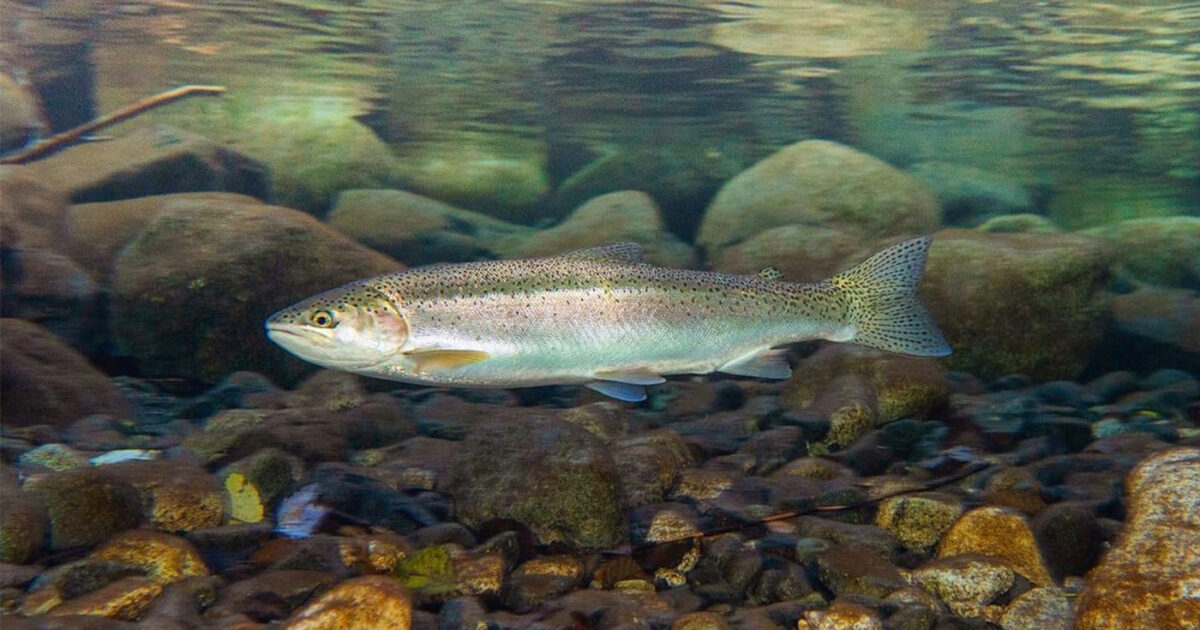
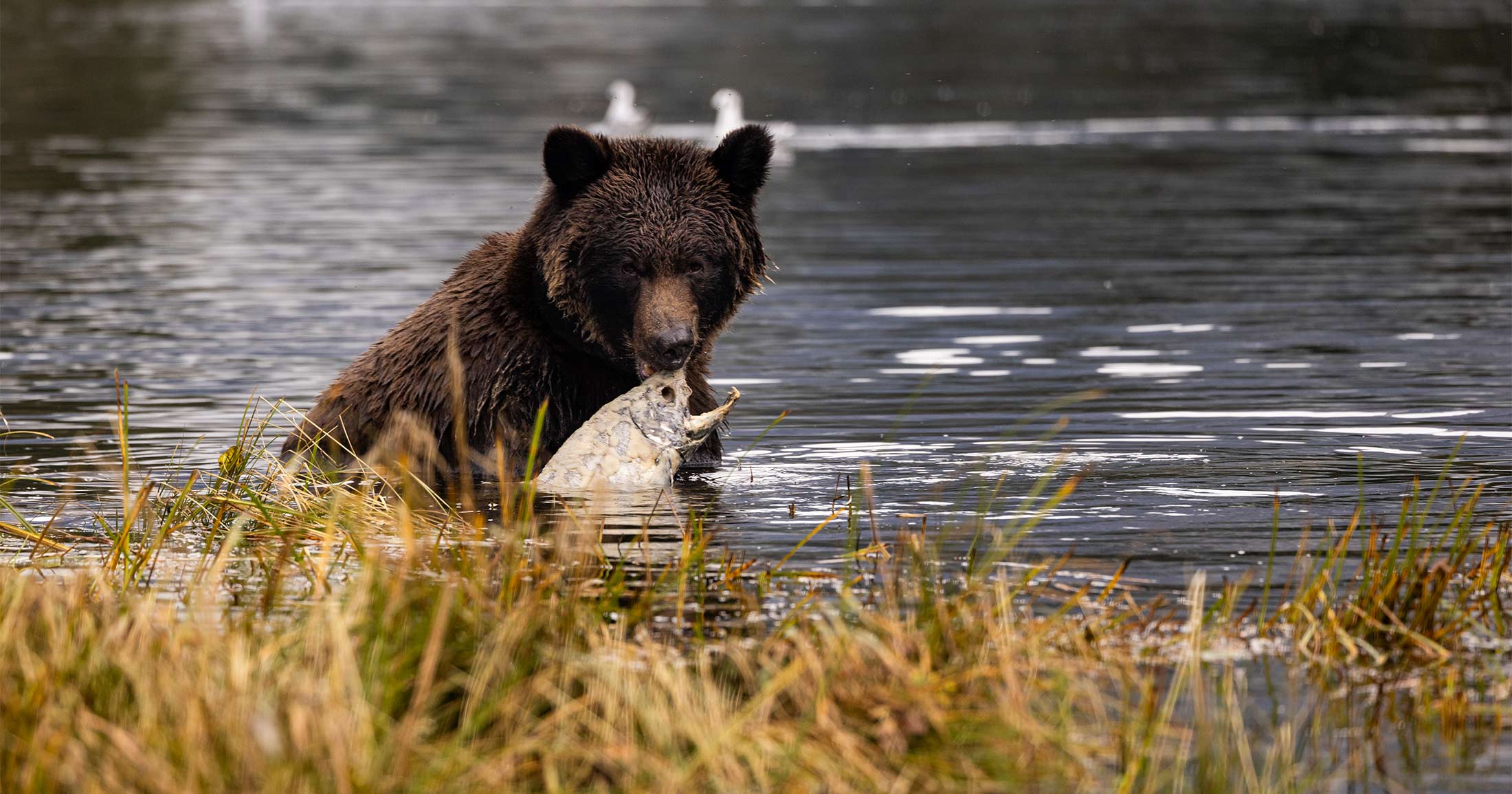
Our policy goals
1. Manage fisheries for ecosystems
- Set salmon harvest at levels that optimize the benefits of spawning salmon to watersheds and wildlife.
- Shift away from historic management paradigms that minimize the number of spawning salmon reaching rivers and maximize harvest (called Maximum Sustainable Yield). Move towards fisheries management that meets salmon spawning targets that are ecologically based, not harvest-based.
- Shift harvest toward selective terminal fisheries (conducted in or near the rivers of origin) that respect the ‘place-based’ nature of salmon, and optimize the benefits to ecosystems, Indigenous cultures, and local communities.
2. Implement ecological-based governance
- Conservation planning and a commitment to sustainability that looks 7 generations ahead.
- A “whole-of-government” approach that implements shared solutions by Indigenous, federal, provincial, and municipal governments to achieve salmon recovery from inland watersheds and rivers, to the open ocean.
- Governance that honours Aboriginal rights and title, inherent Indigenous jurisdiction and law, and the United Nations Declaration on the Rights of Indigenous Peoples (UNDRIP) and the Declaration on the Rights of Indigenous Peoples Act (DRIPA).
- Sustainable funding strategies for watershed-scale restoration and planning.
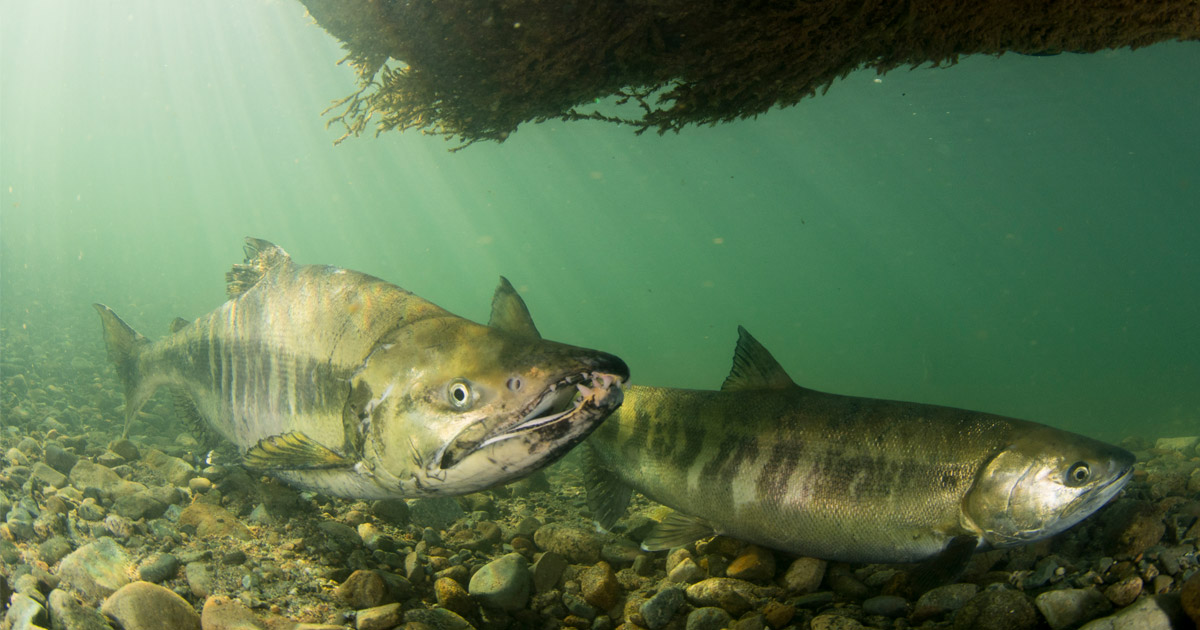
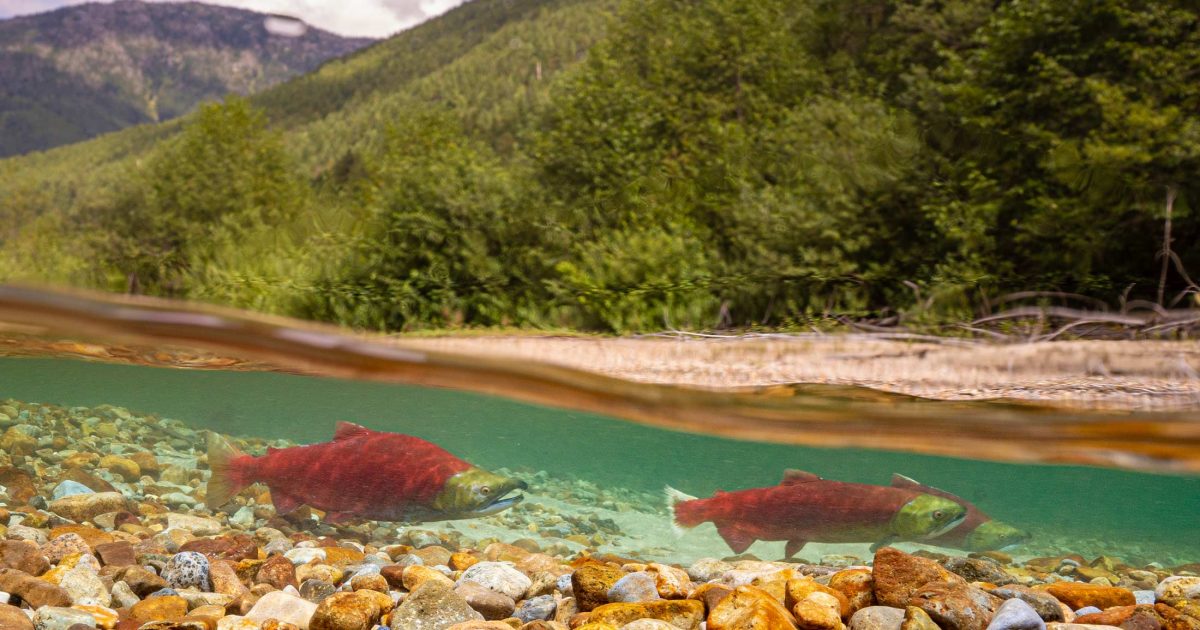
3. Advance land-use policies that prioritize the health of wild salmon and biodiversity
- Zoning that bolsters functioning watersheds and riparian habitat (i.e.protect natural features, limit impervious surfaces, reduce urban sprawl, adopt nature-based solutions).
- Forestry policy that prioritizes salmon health by restricting clear-cutting in salmon watersheds, and incentivizes a sustainable, second or third-growth forest economy.
- Climate adaptation policy that incentivizes nature-based solutions including natural shorelines, intact riparian areas, unrestricted floodplains, managed retreat, and use of rain-gardens in urban areas.
Our recent reports
Recent articles

Pipeliners increase flow of BS
FOCUS Magazine By Briony Penn, December 2012
The Canadian Heavy Oil Association hopes a “factspill” will persuade British Columbians to support their pipelines…

Enbridge underestimates tanker risks in North Pacific, pipeline hearing told
Calgary Herald, By The Canadian Press
It was a fairly calm day for storm season in the North Pacific, where Brian Falconer, long-time mariner and marine operations co-ordinator for Raincoast, said waves can swell to 26 metres high…
Enbridge, opponents spar over pipeline’s risks
The Globe and Mail
This week, federal hearings into the proposed Enbridge Northern Gateway pipeline have come to Prince Rupert to examine marine impacts and spill response…

Experience art for an oil-free coast
Island Tides, By Sara Miles
Raincoast’s sweeping ‘Oil Free Coast’ initiative began last June taking 50 artists to the coastal rainforest…

Give the gift of art and conservation
The majority of our efforts in 2012 however, have been focused on the biggest challenge we have faced yet – stopping the conversion of BC’s coast to an energy corridor for the shipment of tar sands oil…

CHEK TV at Victoria art opening
CHEK TV covers the Victoria opening of the Art for an Oil-Free Coast exhibition tour…