

Shifting salmon policy
Photo by Alex Harris.
Ecosystems are complex. They are communities of living organisms connected through interacting processes and features on the land, in water, and between the two. Yet BC’s antiquated environmental policy doesn’t reflect this. Colonial society governs ecosystems by siloing them into distinct ministries and resources instead of reflecting the interconnected nature of habitats that make them function in the living world. This “siloed decision making”is the root cause of many of the ecological challenges we face today.


Our policy goals
1. Manage fisheries for ecosystems
- Set salmon harvest at levels that optimize the benefits of spawning salmon to watersheds and wildlife.
- Shift away from historic management paradigms that minimize the number of spawning salmon reaching rivers and maximize harvest (called Maximum Sustainable Yield). Move towards fisheries management that meets salmon spawning targets that are ecologically based, not harvest-based.
- Shift harvest toward selective terminal fisheries (conducted in or near the rivers of origin) that respect the ‘place-based’ nature of salmon, and optimize the benefits to ecosystems, Indigenous cultures, and local communities.
2. Implement ecological-based governance
- Conservation planning and a commitment to sustainability that looks 7 generations ahead.
- A “whole-of-government” approach that implements shared solutions by Indigenous, federal, provincial, and municipal governments to achieve salmon recovery from inland watersheds and rivers, to the open ocean.
- Governance that honours Aboriginal rights and title, inherent Indigenous jurisdiction and law, and the United Nations Declaration on the Rights of Indigenous Peoples (UNDRIP) and the Declaration on the Rights of Indigenous Peoples Act (DRIPA).
- Sustainable funding strategies for watershed-scale restoration and planning.


3. Advance land-use policies that prioritize the health of wild salmon and biodiversity
- Zoning that bolsters functioning watersheds and riparian habitat (i.e.protect natural features, limit impervious surfaces, reduce urban sprawl, adopt nature-based solutions).
- Forestry policy that prioritizes salmon health by restricting clear-cutting in salmon watersheds, and incentivizes a sustainable, second or third-growth forest economy.
- Climate adaptation policy that incentivizes nature-based solutions including natural shorelines, intact riparian areas, unrestricted floodplains, managed retreat, and use of rain-gardens in urban areas.
Our recent reports
Recent articles
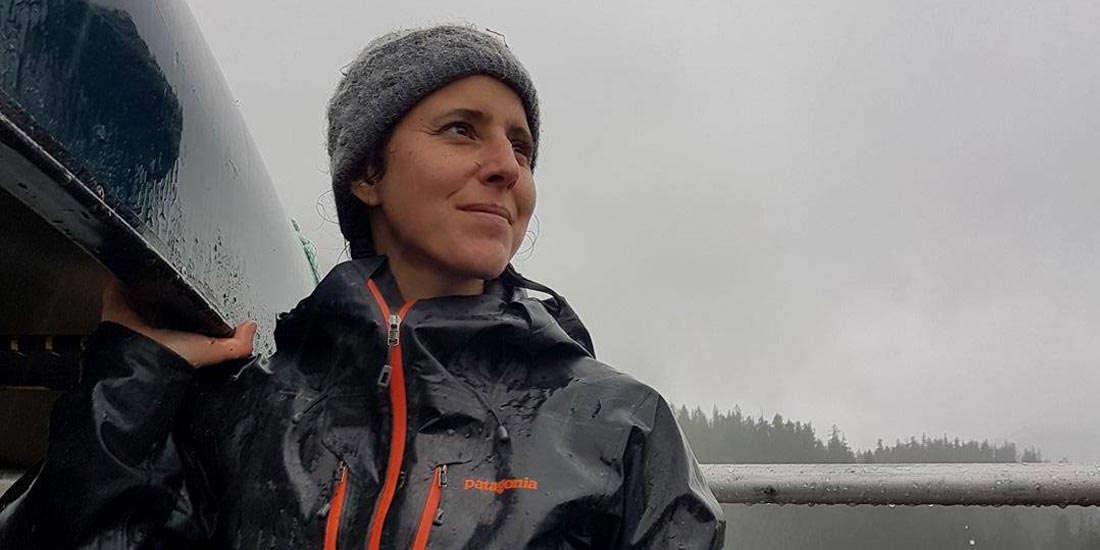
Community-based science and communing with the coast
“Rain’s supposed to come down even harder this afternoon,” says our Skipper Murray ‘Moose’ Barton and we lower the canoe into the water…
Getting the next generation of Salish Sea stewards back to school
As scientists we learn from each other, our Indigenous partners, the wildlife we study and the youth we engage. For over 15 years, as guests of the Heiltsuk Nation, Raincoast staff scientists have supported the development of local youth as future stewards…

Celebrating wild salmon conservation with Michael Snyder, April Bencze and guests
Join us September 13th at Patagonia Vancouver for food, music, photography and stories that celebrate the foundation of the coast. Music by Rick Buckman Coe. Stories by April Bencze. Photos and more by Michael Snyder ….
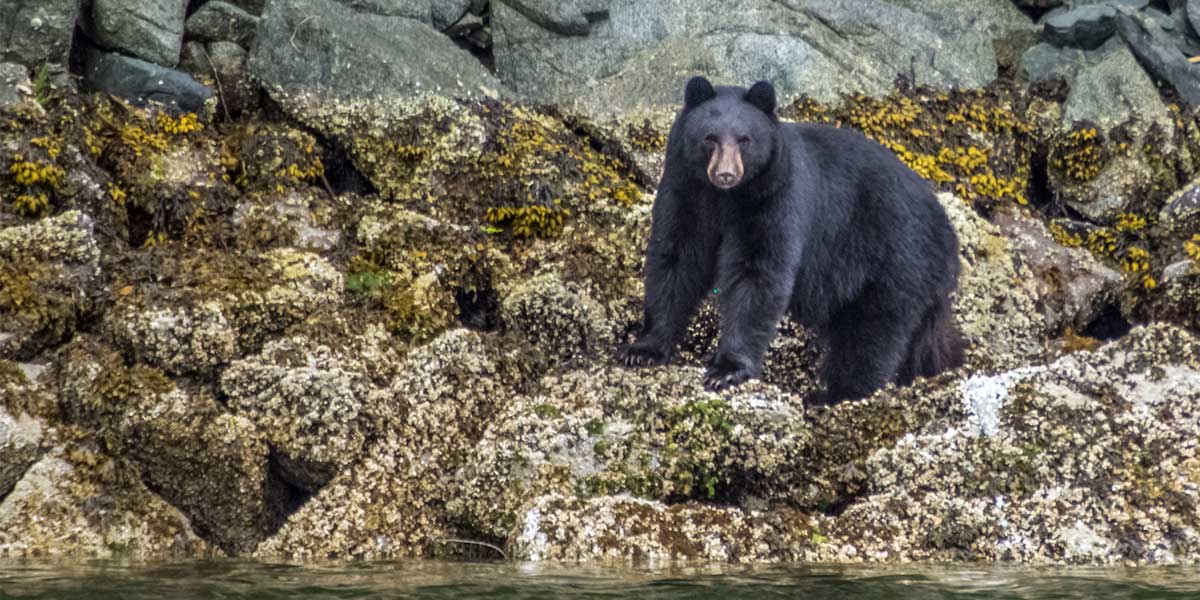
Chris Darimont explains “achievement” and hunter satisfactions in carnivore hunting
On August 29, Dr. Chris Darimont joined Pamela McCall on CFAX 1070. They discussed new research that can help shed light on what satisfies hunters and some of the implications for carnivore hunting in BC…
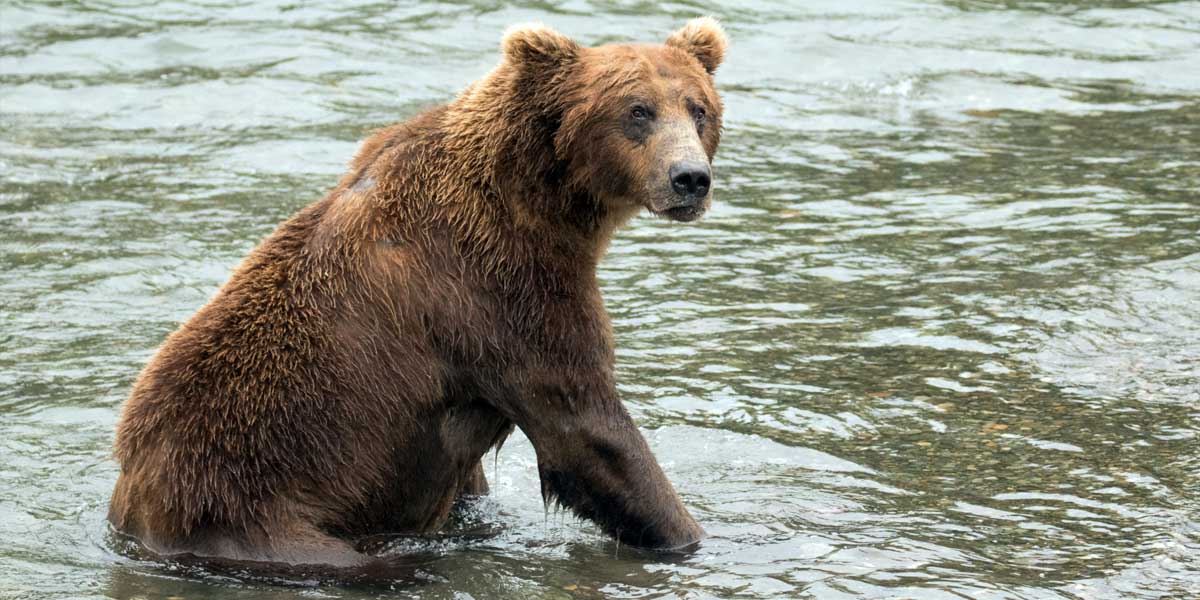
New research gives insight into the minds of hunters
Research from Raincoast and UVic has shed new light on what satisfies hunters. Reporting in the Wildlife Society Bulletin, we found that appreciation of nature and affiliation are common, but less pronounced ‘satisfactions’ expressed by hunters.
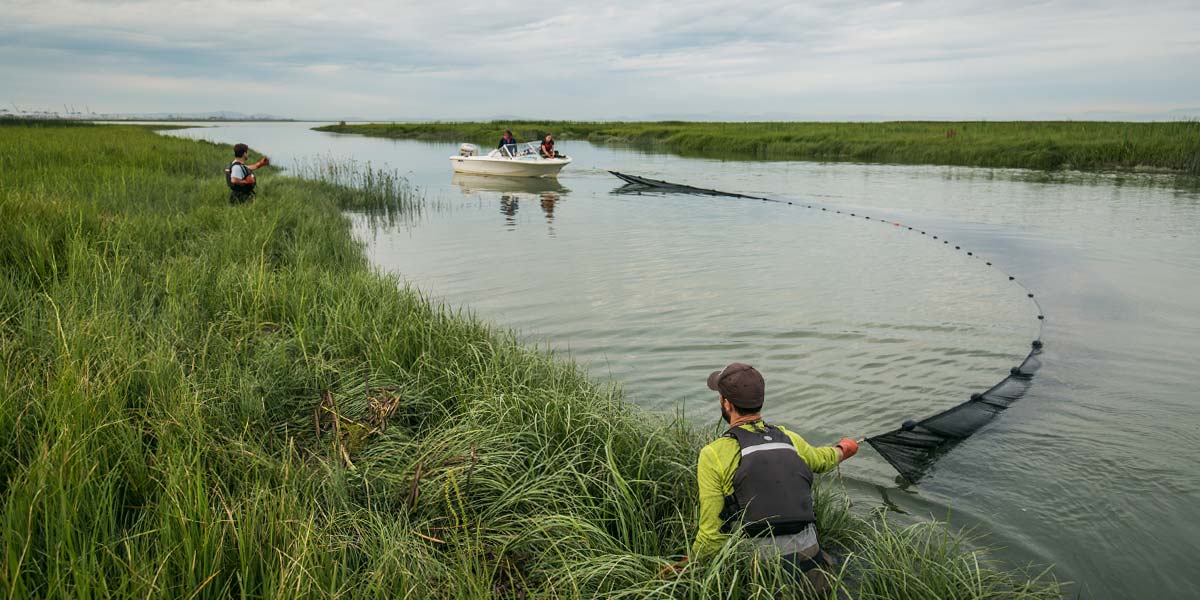
How a Dutchman found himself knee-deep in Fraser River mud
We used several techniques to catch the tiny salmon. We purse seined for them on the flats of the estuary in Georgia Strait, we beach seined along the shoreline of the river delta, and we set up fyke nets in the side channels of the river mouth…