

Shifting salmon policy
Photo by Alex Harris.
Ecosystems are complex. They are communities of living organisms connected through interacting processes and features on the land, in water, and between the two. Yet BC’s antiquated environmental policy doesn’t reflect this. Colonial society governs ecosystems by siloing them into distinct ministries and resources instead of reflecting the interconnected nature of habitats that make them function in the living world. This “siloed decision making”is the root cause of many of the ecological challenges we face today.
Our policy goals
1. Manage fisheries for ecosystems
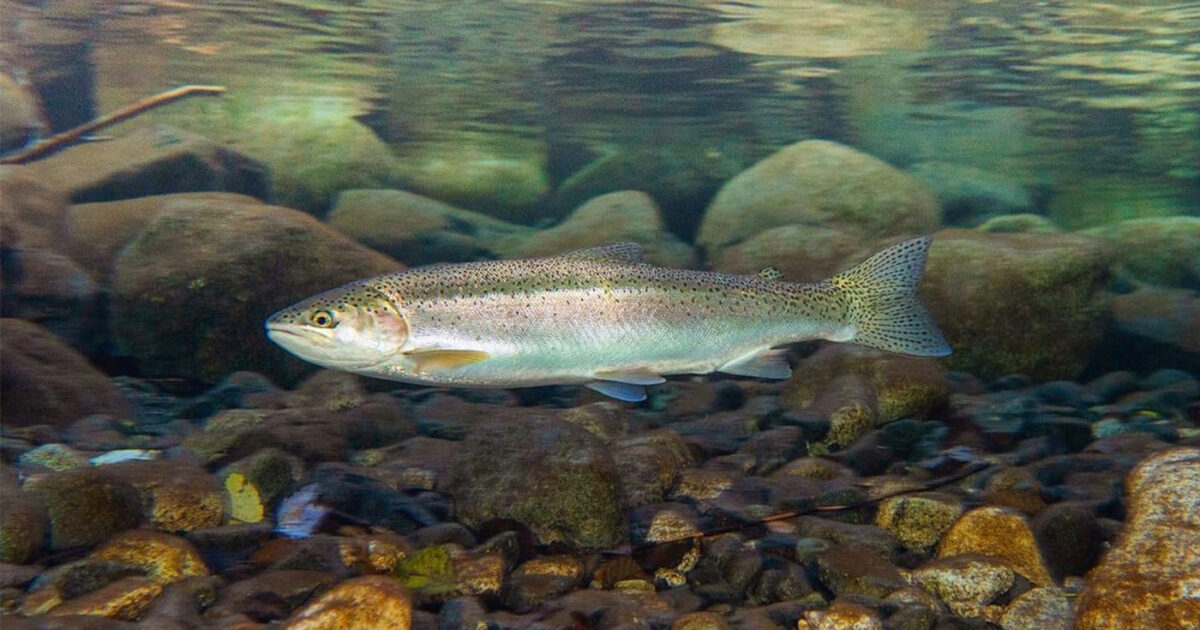
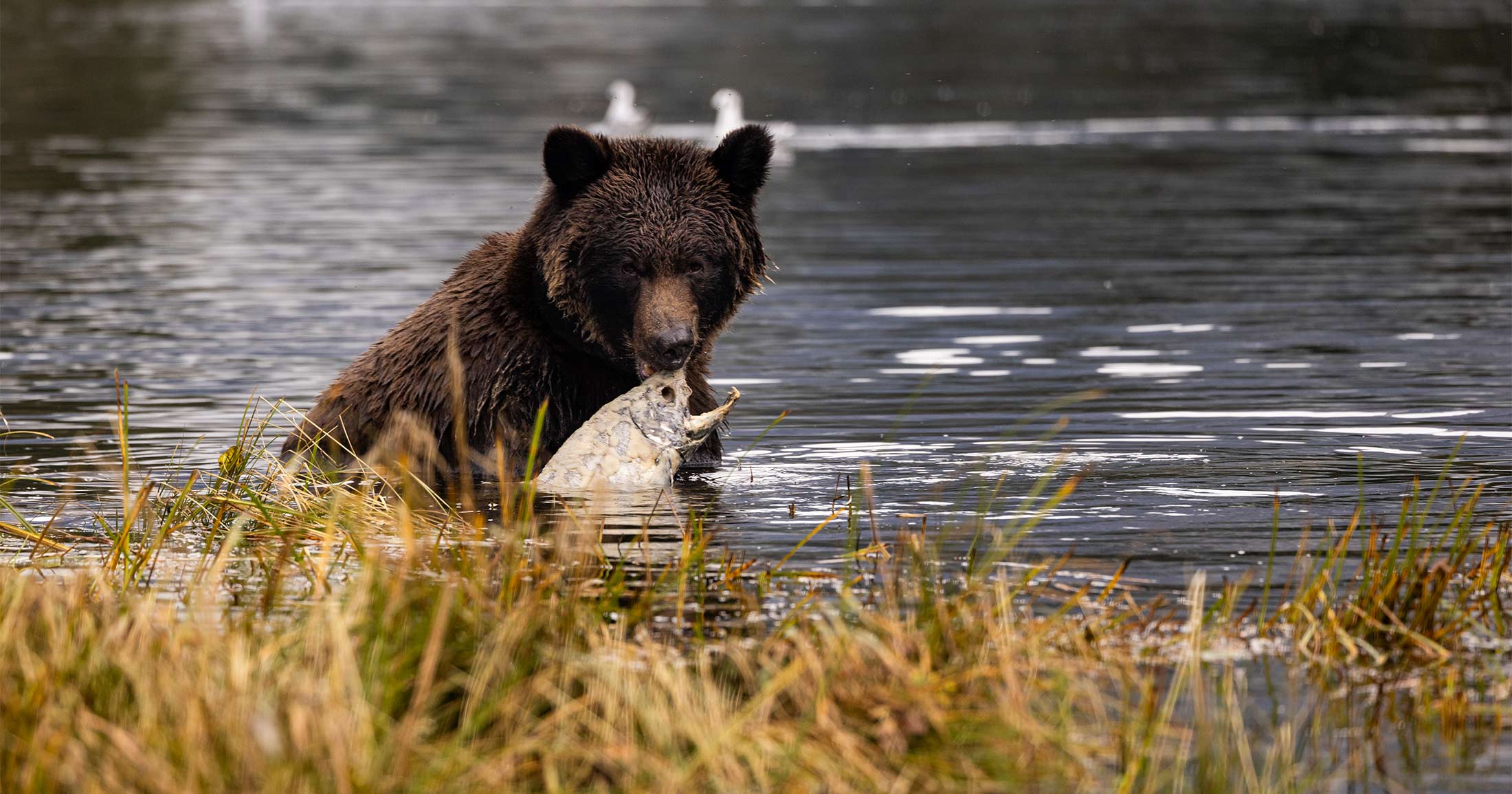
- Set salmon harvest at levels that optimize the benefits of spawning salmon to watersheds and wildlife.
- Shift away from historic management paradigms that minimize the number of spawning salmon reaching rivers and maximize harvest (called Maximum Sustainable Yield). Move towards fisheries management that meets salmon spawning targets that are ecologically based, not harvest-based.
- Shift harvest toward selective terminal fisheries (conducted in or near the rivers of origin) that respect the ‘place-based’ nature of salmon, and optimize the benefits to ecosystems, Indigenous cultures, and local communities.
2. Implement ecological-based governance
- Conservation planning and a commitment to sustainability that looks 7 generations ahead.
- A “whole-of-government” approach that implements shared solutions by Indigenous, federal, provincial, and municipal governments to achieve salmon recovery from inland watersheds and rivers, to the open ocean.
- Governance that honours Aboriginal rights and title, inherent Indigenous jurisdiction and law, and the United Nations Declaration on the Rights of Indigenous Peoples (UNDRIP) and the Declaration on the Rights of Indigenous Peoples Act (DRIPA).
- Sustainable funding strategies for watershed-scale restoration and planning.
3. Advance land-use policies that prioritize the health of wild salmon and biodiversity
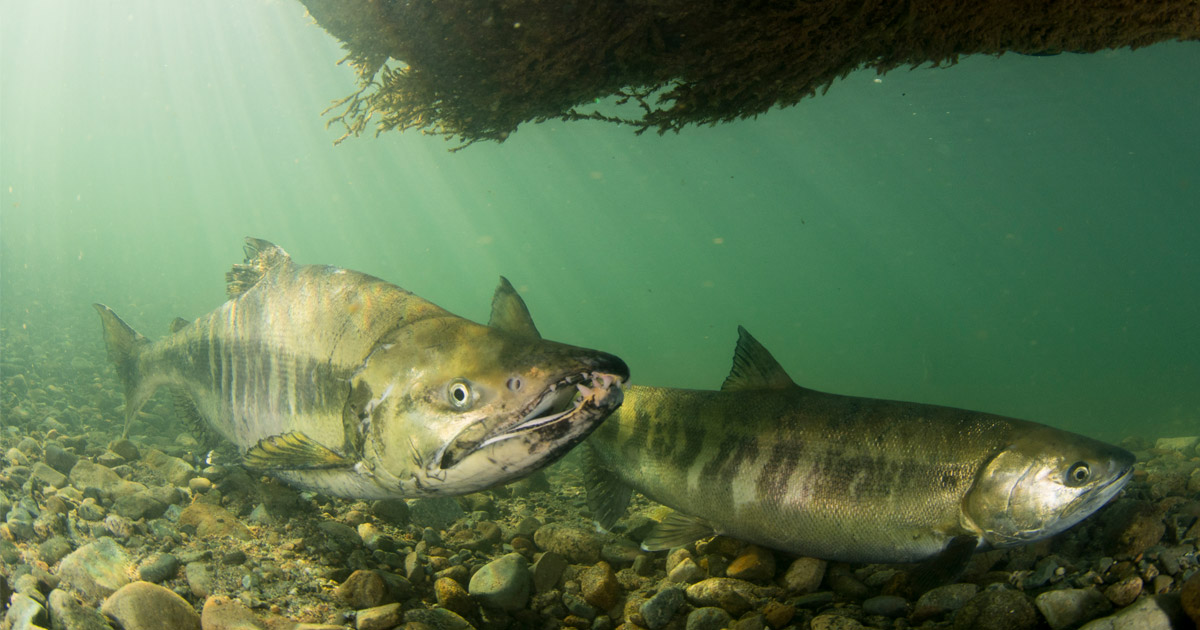
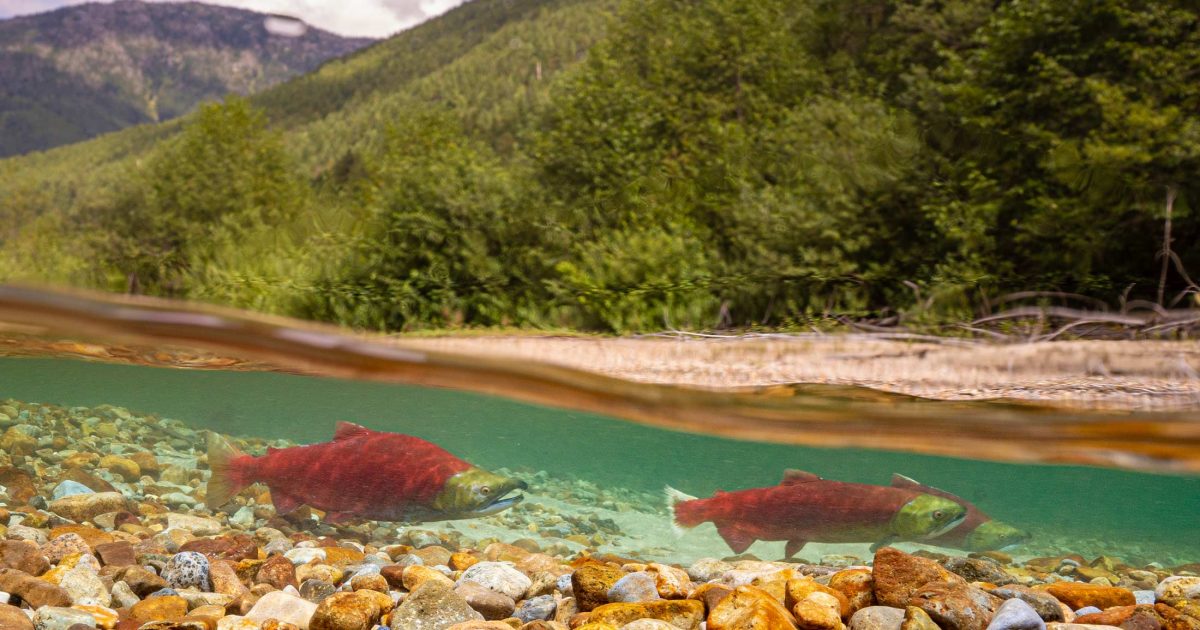
- Zoning that bolsters functioning watersheds and riparian habitat (i.e.protect natural features, limit impervious surfaces, reduce urban sprawl, adopt nature-based solutions).
- Forestry policy that prioritizes salmon health by restricting clear-cutting in salmon watersheds, and incentivizes a sustainable, second or third-growth forest economy.
- Climate adaptation policy that incentivizes nature-based solutions including natural shorelines, intact riparian areas, unrestricted floodplains, managed retreat, and use of rain-gardens in urban areas.
Our recent reports
Recent articles

Research: The eroding social license to hunt carnivores
A new study suggests killing predators like wolves, grizzly bears, and cougars for trophy is a potential threat not only to these sensitive animals, but also to other hunters…

BC’s Coastal Douglas-fir zone needs protection now
In an era where climate change is a modern reality and biodiversity is in crisis the world over, the province’s continued support of industrial logging in old growth forests is out of sync with global scientific consensus and policy objectives. This is especially true in the Coastal Douglas-fir (CDF) biogeoclimactic zone, the smallest and most endangered of 16 such zones in BC…
Permanent protection of S,DÁYES Flycatcher Forest now within reach!
In November, when Raincoast teamed up with the Pender Islands Conservancy to purchase 13-acres of Coastal Douglas Fir forest on S,DÁYES, North Pender Island, we were given 6-months to raise the required funds. Now, less than three months later, and thanks to your overwhelming generosity, we are only $4,018 away from reaching our goal…

Coastal Insights education series – Season 2 launch
It is with great excitement that we launch our newest season of our Coastal Insights, aptly named ‘Eyes on the Coast’. Taking off where season 1 ended, we will be diving deeper into coastal British Columbia’s rich history, ecosystems and conservation issues using a two-eyed approach…

Chinook salmon exhibit long-term rearing and early marine growth in the Fraser River, B.C., a large urban estuary
Using tiny salmon ear bones, or otoliths, Raincoast researchers and partners were able to demonstrate that Chinook salmon from Harrison River rely on the Fraser estuary for one to two months while they feed and grow. These findings underscore the critical nature of this habitat for the persistence and recovery of Chinook salmon…

Volunteering with the Big Tree Registry
Taeven Lopatecki volunteering with the Big Tree Registry is a way of quantifiably supporting conservation and awareness for this Island and this coast that she calls home. Raincoast’s scope of work, stretching from coastal landscapes to the waters of the Salish Sea and beyond, satisfies her interest in conservation topics.