

Shifting salmon policy
Photo by Alex Harris.
Ecosystems are complex. They are communities of living organisms connected through interacting processes and features on the land, in water, and between the two. Yet BC’s antiquated environmental policy doesn’t reflect this. Colonial society governs ecosystems by siloing them into distinct ministries and resources instead of reflecting the interconnected nature of habitats that make them function in the living world. This “siloed decision making”is the root cause of many of the ecological challenges we face today.
Our policy goals
1. Manage fisheries for ecosystems
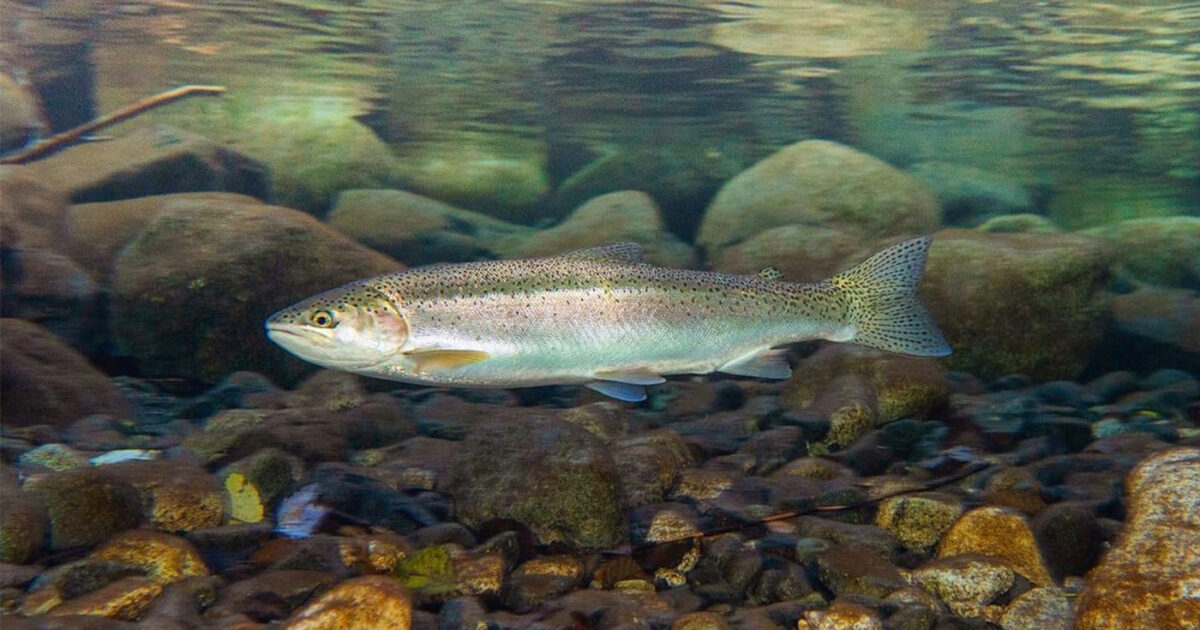
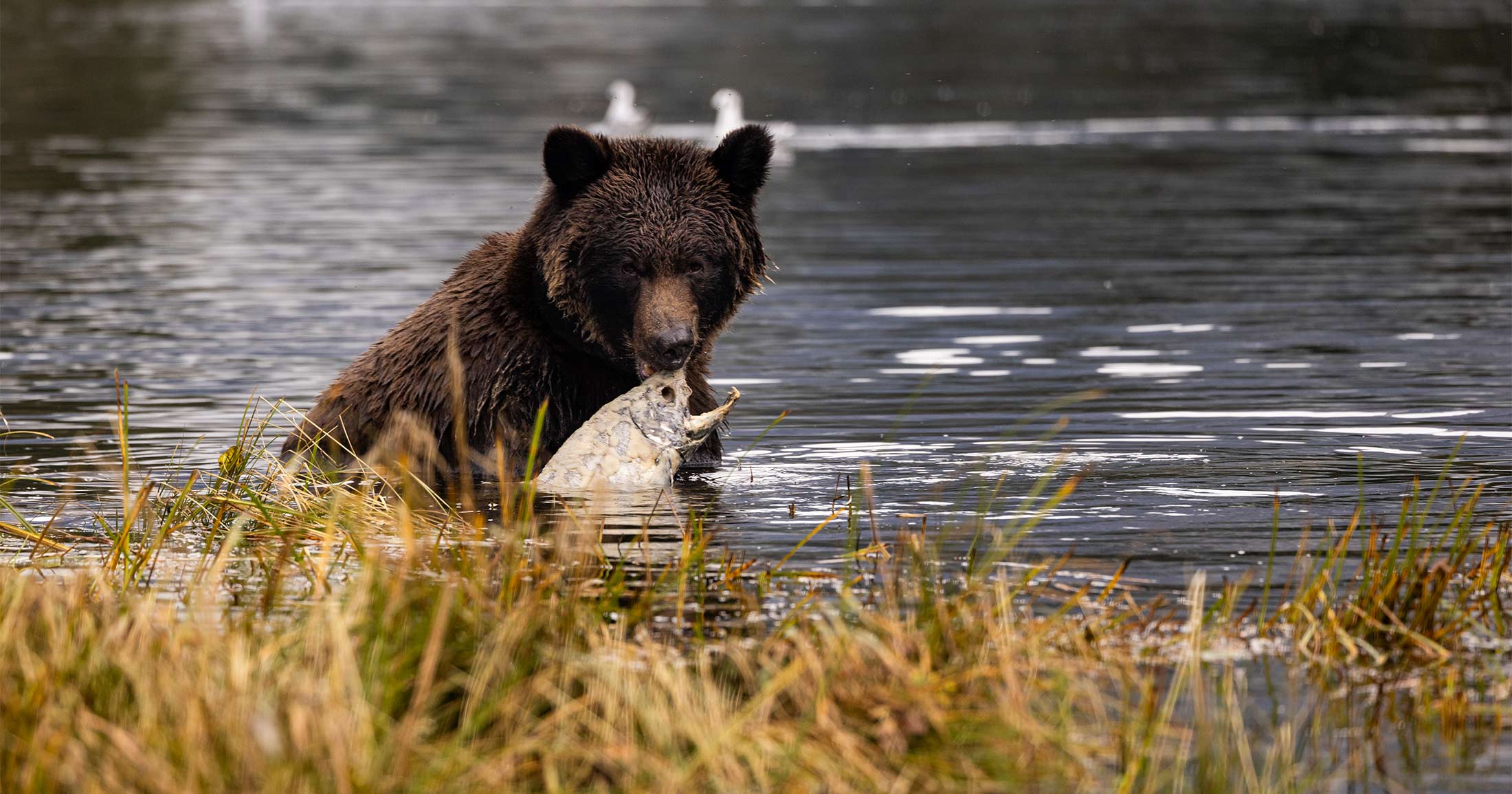
- Set salmon harvest at levels that optimize the benefits of spawning salmon to watersheds and wildlife.
- Shift away from historic management paradigms that minimize the number of spawning salmon reaching rivers and maximize harvest (called Maximum Sustainable Yield). Move towards fisheries management that meets salmon spawning targets that are ecologically based, not harvest-based.
- Shift harvest toward selective terminal fisheries (conducted in or near the rivers of origin) that respect the ‘place-based’ nature of salmon, and optimize the benefits to ecosystems, Indigenous cultures, and local communities.
2. Implement ecological-based governance
- Conservation planning and a commitment to sustainability that looks 7 generations ahead.
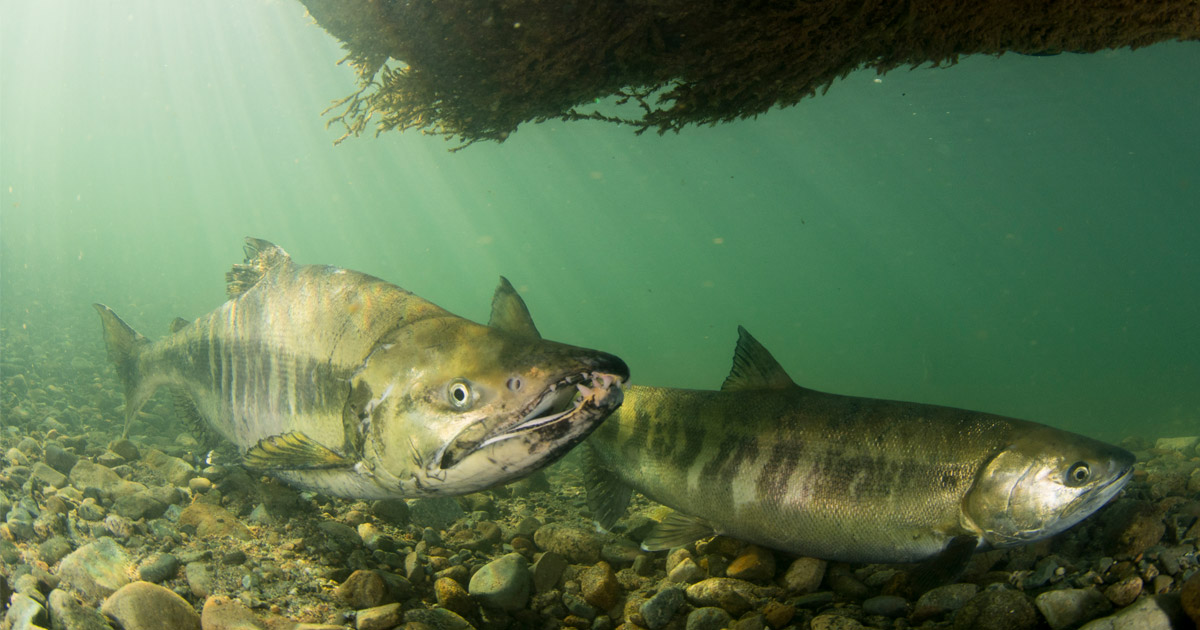
- A “whole-of-government” approach that implements shared solutions by Indigenous, federal, provincial, and municipal governments to achieve salmon recovery from inland watersheds and rivers, to the open ocean.
- Governance that honours Aboriginal rights and title, inherent Indigenous jurisdiction and law, and the United Nations Declaration on the Rights of Indigenous Peoples (UNDRIP) and the Declaration on the Rights of Indigenous Peoples Act (DRIPA).
- Sustainable funding strategies for watershed-scale restoration and planning.
3. Advance land-use policies that prioritize the health of wild salmon and biodiversity
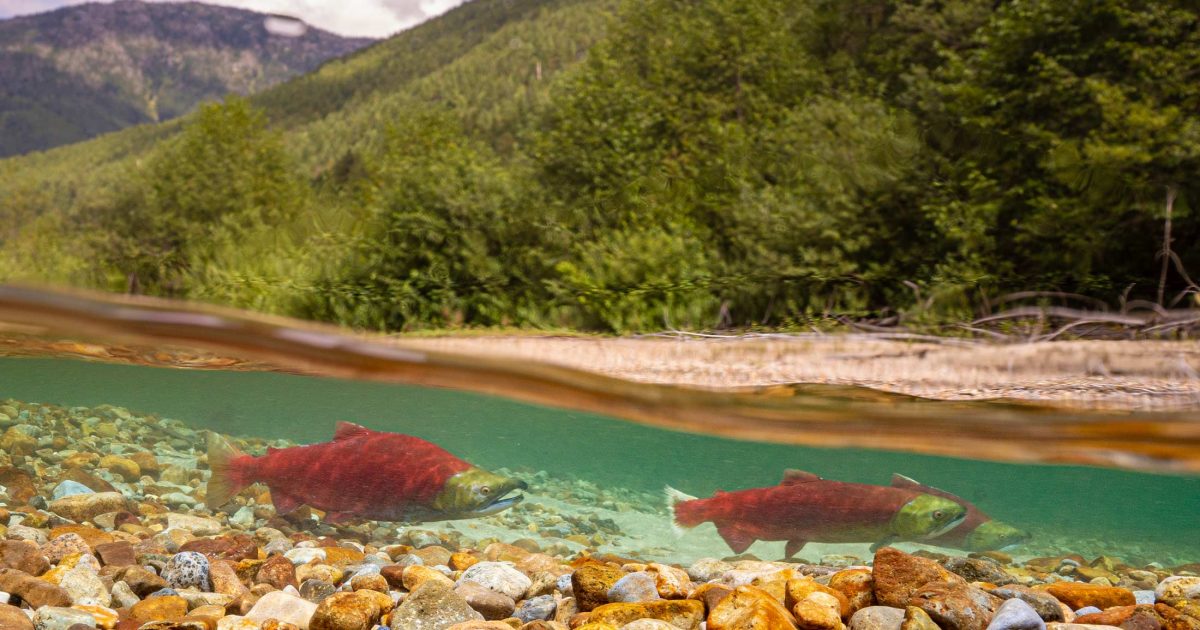
- Zoning that bolsters functioning watersheds and riparian habitat (i.e.protect natural features, limit impervious surfaces, reduce urban sprawl, adopt nature-based solutions).
- Forestry policy that prioritizes salmon health by restricting clear-cutting in salmon watersheds, and incentivizes a sustainable, second or third-growth forest economy.
- Climate adaptation policy that incentivizes nature-based solutions including natural shorelines, intact riparian areas, unrestricted floodplains, managed retreat, and use of rain-gardens in urban areas.
Our recent reports
Recent articles

Fraser River juvenile salmon, upstream and in the estuary
Wild Salmon Research Assistant, Paige Roper, shares about Raincoast’s recent work in the Harrison River.

Guardians of the Coast: The next generation of stewards
In this last session of Coastal Insights, we will be joined by some of the inspiring young leaders who are taking action in their communities to sustain and protect the coast.
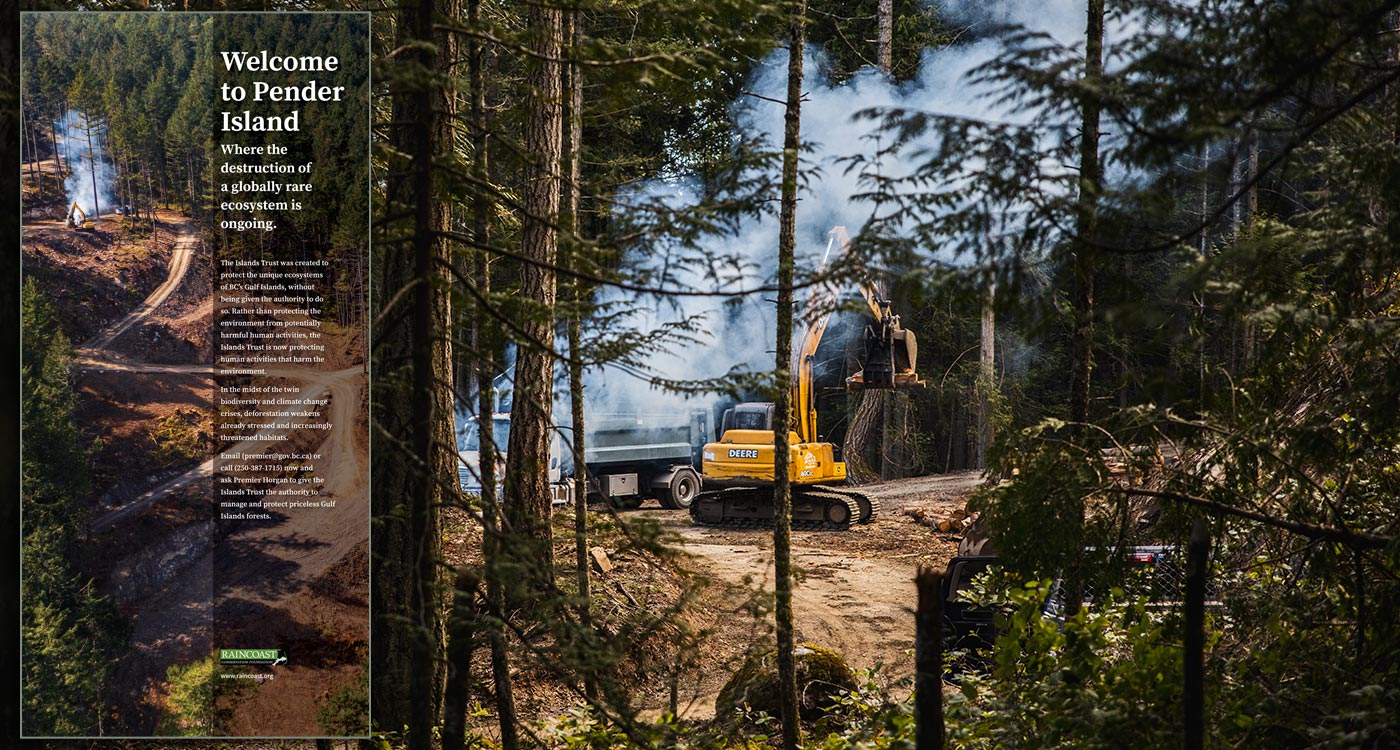
Welcome to Pender Island, where the destruction of a globally rare ecosystem is ongoing
The Islands Trust was created to protect the unique ecosystems of BC’s Gulf Islands, without being given the authority to do so. But rather than protecting the environment from potentially harmful human activities, the Islands Trust is now protecting human activities that harm the environment.

Southern Resident killer whales need your voice
With the Canadian federal government set to decide on recovery measures for 2021, we have made it easy for you to send a letter to three federal ministers encouraging them to implement the strongest possible recovery measures to ensure the survival of Southern Resident killer whales.
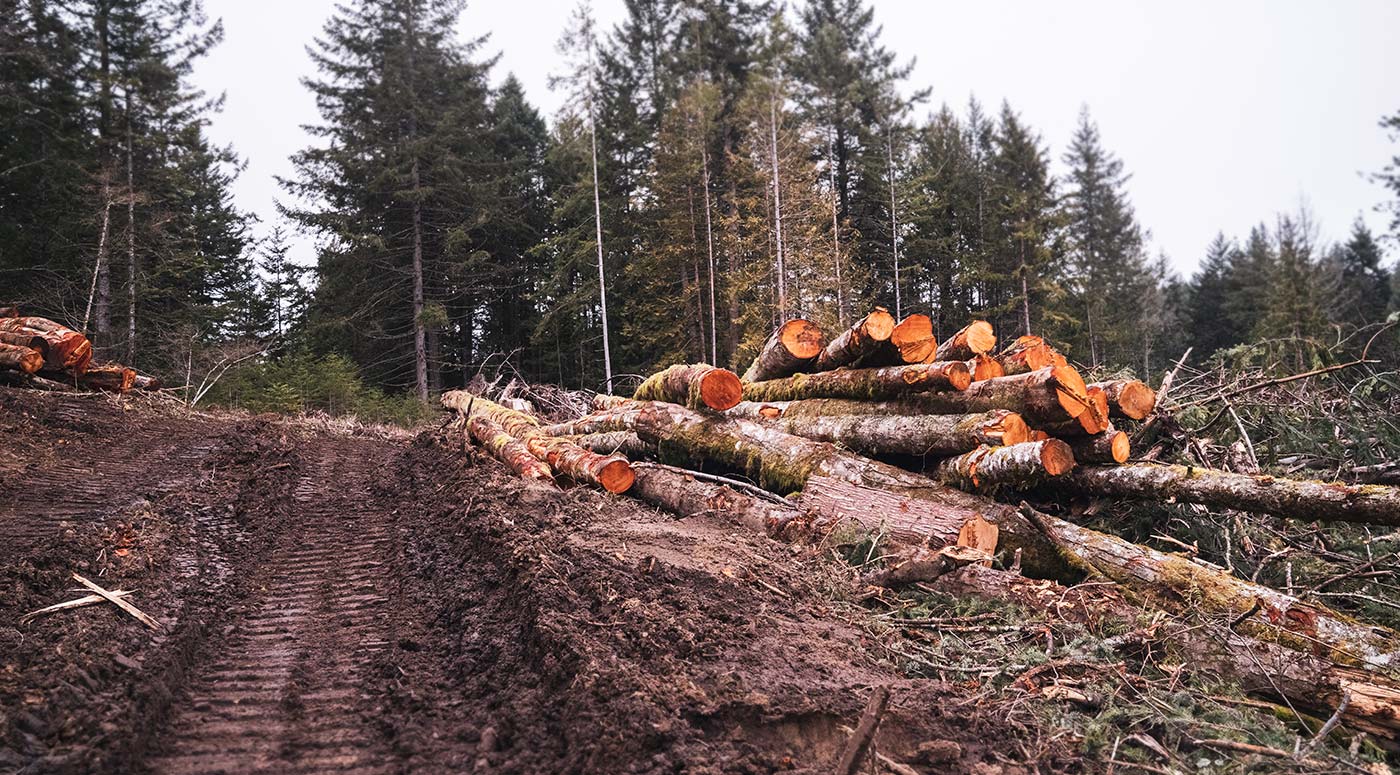
Islands 2050: What will the Gulf Islands look like in 25 years?
The preservation and protection of BC’s Gulf Islands “for the benefit of residents of the trust area and of the province generally” has been charged to the Islands Trust. However, recent decision-making has demonstrated that a majority of Local Trustee’s are focusing on different priorities. In February, Raincoast submitted feedback as part of a public engagement process seeking input on the Islands Trust Policy Statement in two areas: climate change and affordable housing within the Islands Trust area.

Behind The Glass Hunting with Chris Darimont and Chris Pryn
Chris Darimont spoke with hunter and podcaster Chris Pryn to discuss their shared interests in hunting and habitat protection, and also to figure out where they disagree. It’s a remarkable interview, in part, because both Darimont and Pryn work so hard to have a respectful conversation despite their differences.