
Plastic pollution

Photo by April Benze.

Plastic pollution is choking our waterways and threatening the health of fish and wildlife. We are collecting plastic and microplastic data as part of our community-oriented water pollution monitoring program. We are collaborating on research projects with universities, governments and experts in the field. We are providing advice to local, regional and federal governments on plastic science, policies, and regulations. We are working with Ocean Diagnostics to support a strong science-based foundation for solutions.


Lots of garbage on a beach.
Photo by Simon Ager.
People working together to take samples of water in jars.
Photo by Alex Harris / Raincoast Conservation Foundation.

Our approach

  • Design a source identification toolbox for plastic pollution; 
  • Working with Indigenous and coastal communities to document plastic pollution and track this back to its source;
  • Conduct research on the source, transport and fate of micro and macroplastics in the environment;
  • Engage in outside-the-box dialogue with industry and governments to support more sustainable design, manufacturing and processes that stem the release of plastics during the life cycle of a product;
  • Support community-oriented outreach and training to support solution-oriented actions and capacity building.

Plastics are everywhere

Plastics from just about every sector can now be found all over the world – from mountain tops to the seafloor, from the Arctic to the Antarctic, and from our homes to the ocean. A modern-day scourge that is blighting remote beaches and shorelines, getting mistaken for food by wildlife, and getting into the foods that nourish us. Whether it’s the structural features of plastic products that suffocate, entangle, or create intestinal blockages – or the endocrine disrupting-contaminants that serve as ingredients of the product (e.g. Bisphenol A or phthalate esters) or as hitchhikers soaked up by plastics in the environment (e.g. PCBs or metals) – plastics are harmful.

Underwater photo of plastic floating near the top of the water.
Chinook salmon swim in a river as seen from head on; epic.
Photo by Fernando Lessa.

The impact on the environment

Without a dramatic re-think, the plastic crisis is here to stay. Despite the best intentions of governments, industry, and consumers to reduce, recycle or re-use, global plastic production continues to enjoy exponential growth. And the unintentional loss to the environment of plastic products and byproducts will continue – plastic bags, bottles, and fishing gear, as well as the discharge of microplastics through domestic and industrial waste. With that will come a constant stream of items that will be mistaken for food but offer zero nutrition, that will entangle wildlife, and will deliver endocrine disruptors to our aquatic food webs. We will document impacts, share findings, and work for change through science, community engagement, and expert advice.

Recent articles

dummy-img

Rally sounded a warning. Is anybody listening?

Island’s old-growth forests continue to disappear while governments do little Special to Times Colonist, Page A11,  April 03, 2008 It was heartening to see the strong show of support for Vancouver Island’s dwindling old growth forests (“Logging protesters circle legislature,” Times Colonist March 29) at the rally over the weekend. The Western Canada Wilderness Committee…
dummy-img

Greens call for grizzly-hunt moratorium after record year of kills

John Colebourn, The Province Published: Thursday, April 17, 2008 A record number of grizzly bears was killed in B.C. last year, prompting environmental groups to call for a moratorium on hunting the animals. Statistics obtained by the Raincoast Conservation Society show 430 grizzlies were killed in B.C. in 2007.
dummy-img

Calculating the true cost of salmon farming
The Georgia Straight April 3, 2008 By Chris Genovali There has been a strong push recently by governments in both the United States and Canada for citizens to increase their fish consumption because of health benefits. This presumptive dietary shift, along with the fact that the bulk of seafood caught in Canadian waters is exported,…
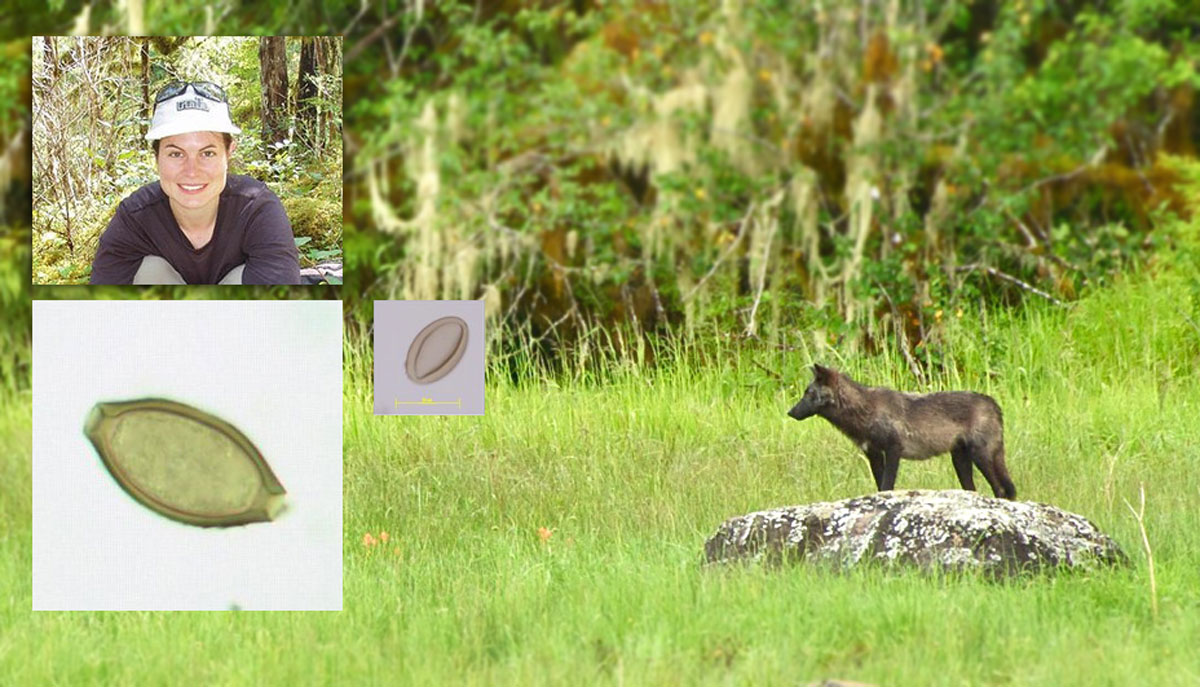
A black wolf stands on the edge of the water.

Notes from the Lab

Biologist Rainforest Wolf ProjectParasitology labUniversity of Saskatchewan, Saskatoon Peering down the eyepiece of my microscope, I scan a slide for larval stages of parasites. I find one that is familiar-a brown, translucent egg of the tapeworm Diphyllobothrium-and begin to count. One, two …. With the Wolf Project crew out of the field, our dedicated lab…
dummy-img

Fin Whale Frenzy

By Ian McLeod Marine Mammal Observer Journal Entry – October 2007 It was another early start for Raincoast’s marine mammal survey team as we needed every minute of light to complete the long transect from Haida Gwaii to the mainland in less than favourable conditions—cold winds and a slopping two-metre swell that seemed to come…
dummy-img

Oil Subsidies Undermine Tax

By CHRIS GENOVALI Victoria Times Colonist: Letters to the Editor Published: Thursday, February 21, 2008 While the Liberals try to foster a transition to a low-carbon economy via the new carbon-pricing initiative, their budget announcement simultaneously includes a 24 per cent increase in oil and gas subsidies, in addition to further funding and promotion of…
dummy-img

The Price of Oil: Alberta black gold rush threatens BC’s coast

Monday Magazine Last Word By CHRIS GENOVALI Feb 13 2008 One of the biggest industrial projects on the planet is about to get even bigger with corporate giant British Petroleum recently announcing their intention to heavily invest in Alberta’s oil sands. British Columbians should be concerned about what is happening with the oil sands, as…
dummy-img

Come see Achiever

Saturday, March 15 10:00 – 2:00pm Port Sidney Marina, end of Beacon Ave, Sidney Contact Raincoast at 250-655-1229 for more info