
Plastic pollution

Photo by April Benze.

Plastic pollution is choking our waterways and threatening the health of fish and wildlife. We are collecting plastic and microplastic data as part of our community-oriented water pollution monitoring program. We are collaborating on research projects with universities, governments and experts in the field. We are providing advice to local, regional and federal governments on plastic science, policies, and regulations. We are working with Ocean Diagnostics to support a strong science-based foundation for solutions.


Lots of garbage on a beach.
Photo by Simon Ager.
People working together to take samples of water in jars.
Photo by Alex Harris / Raincoast Conservation Foundation.

Our approach

  • Design a source identification toolbox for plastic pollution; 
  • Working with Indigenous and coastal communities to document plastic pollution and track this back to its source;
  • Conduct research on the source, transport and fate of micro and macroplastics in the environment;
  • Engage in outside-the-box dialogue with industry and governments to support more sustainable design, manufacturing and processes that stem the release of plastics during the life cycle of a product;
  • Support community-oriented outreach and training to support solution-oriented actions and capacity building.

Plastics are everywhere

Plastics from just about every sector can now be found all over the world – from mountain tops to the seafloor, from the Arctic to the Antarctic, and from our homes to the ocean. A modern-day scourge that is blighting remote beaches and shorelines, getting mistaken for food by wildlife, and getting into the foods that nourish us. Whether it’s the structural features of plastic products that suffocate, entangle, or create intestinal blockages – or the endocrine disrupting-contaminants that serve as ingredients of the product (e.g. Bisphenol A or phthalate esters) or as hitchhikers soaked up by plastics in the environment (e.g. PCBs or metals) – plastics are harmful.

Underwater photo of plastic floating near the top of the water.
Chinook salmon swim in a river as seen from head on; epic.
Photo by Fernando Lessa.

The impact on the environment

Without a dramatic re-think, the plastic crisis is here to stay. Despite the best intentions of governments, industry, and consumers to reduce, recycle or re-use, global plastic production continues to enjoy exponential growth. And the unintentional loss to the environment of plastic products and byproducts will continue – plastic bags, bottles, and fishing gear, as well as the discharge of microplastics through domestic and industrial waste. With that will come a constant stream of items that will be mistaken for food but offer zero nutrition, that will entangle wildlife, and will deliver endocrine disruptors to our aquatic food webs. We will document impacts, share findings, and work for change through science, community engagement, and expert advice.

Recent articles
A white bear walking through the woods.

The Gift of Conservation

Three pillars form the underpinnings of Raincoast Conservation Foundation’s mission: informed advocacy, scientific research, and environmental ethics. Informed advocacy drives all Raincoast’s conservation efforts; it’s a distinctive approach that has earned us a unique niche in the environmental movement. Our advocacy is informed by rigorous scientific research and guided by environmental ethics. This allows us…
dummy-img

Oil sands, tankers and climate. Raincoast speaks out

Climate change is real and demands a concerted effort Vancouver Sun Climategate’s a convenient sideshow to the real issue Victoria News Climategate a convenient sideshow Ottawa Citizen Climategate is first in a new wave of attacks The Ecologist Hopenhagen or Dopenhagen? Common Dreams, Georgia Strait, Climate change policy in the dark Toronto Star Now the…
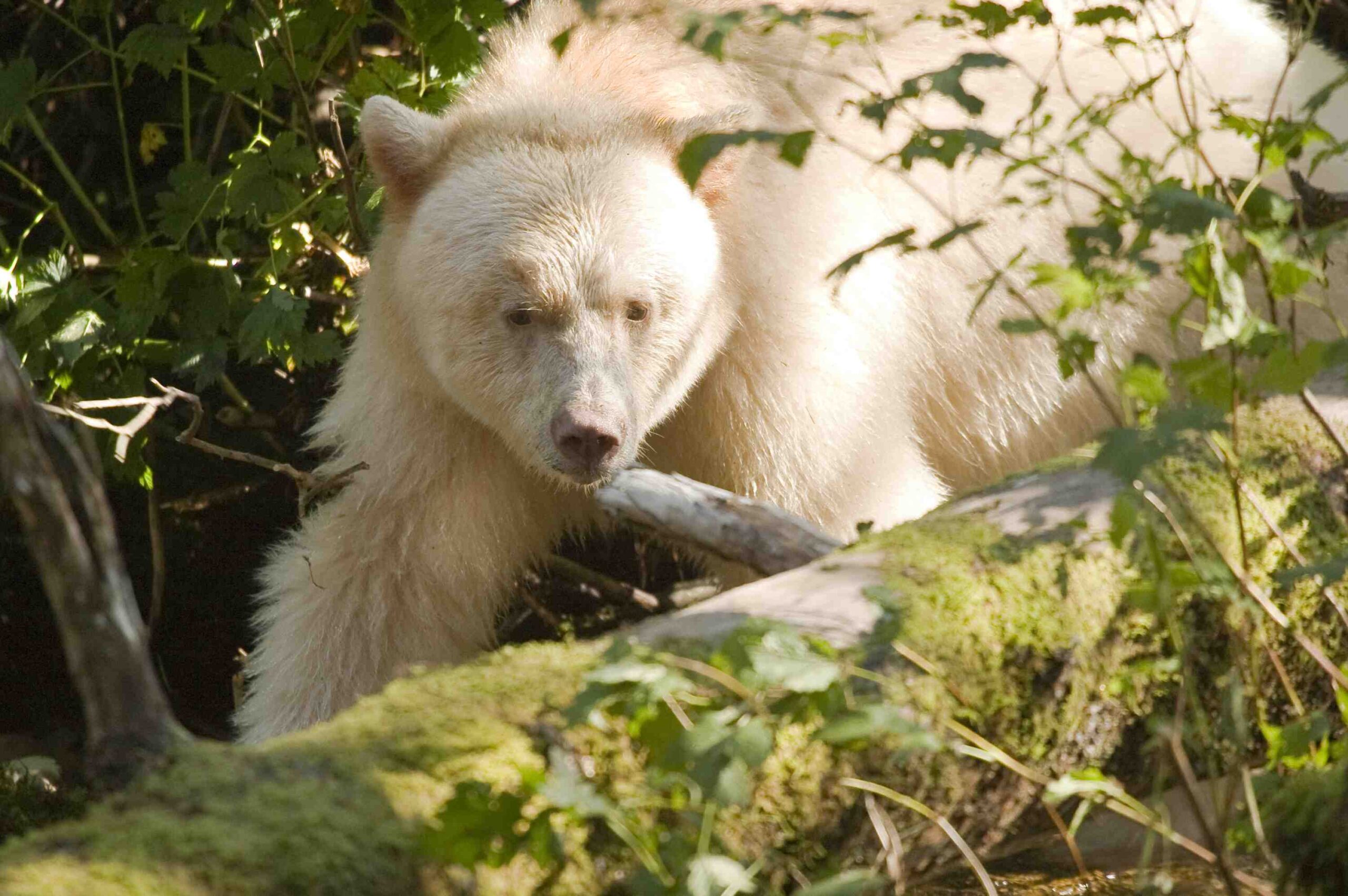
A spirit bear looks into the camera, we see its head, shoulders, and front two legs as it looks up.

The black and white world of spirit bears

The spirit bear’s white fur chest was covered in bright red blood, as if he’d been spattered with paint. The blood red dye job was from the all the salmon he had been eating.With rapt attention, we had been watching him catch fish at river’s edge and then bring them back into the forest to…
dummy-img

Take the lead: On climate action

By Chris Genovali Calgary Herald, Nov 30, 2009 Re: “Climate plan will take 40 years: Prentice,” Nov. 21. Climate scientist James Hansen of NASA states we have already passed the threshold for “maximum permissible concentration of carbon dioxide in the atmosphere.”
dummy-img

Grizzly Details: Salmon Collapse Could Be Bad News for Bears
Scientific AmericanBy Anne Casselman Scientists are collecting hairs from live bears to prevent population declines as a result of declines in a principal food source: salmon. For most of May, Chris Darimont, an environmental scientist at the University of California, Santa Cruz, poured liters of fermented cattle blood mixed with pureed rotten fish guts on…
A juvenile grizzly stands at the base of an uprooted tree, situated in a wetland.

The Grizzly Bear Necessities

2008 ranked as one of the worst years for salmon returns on British Columbia’s central coast and the ‘silent fall’ I experienced there last year, while not surprising given the lack of fish, was disturbing nonetheless…
dummy-img

The Bear Necessities: A Fall Harvest of Salmon

Island Tides By Chris Darimont and Misty MacDuffee How do salmon declines affect coastal bears? And how much salmon is required to sustain wildlife? These are questions that many people are asking
dummy-img

Raincoast speaks for salmon

Fall 2009 news coverage, letters and articles voicing our concerns for wild salmon. Times Colonist, October 4, 2009 Letter to Minister, Sept 16, 2009 Notes from the Field: Sept 11, 2009 Times Colonist, Sept 9, 2009 Seaside Times, September 05, 2009 Times Colonist, August 29, 2009 Globe & Mail, August 19, 2009