
Plastic pollution

Photo by April Benze.

Plastic pollution is choking our waterways and threatening the health of fish and wildlife. We are collecting plastic and microplastic data as part of our community-oriented water pollution monitoring program. We are collaborating on research projects with universities, governments and experts in the field. We are providing advice to local, regional and federal governments on plastic science, policies, and regulations. We are working with Ocean Diagnostics to support a strong science-based foundation for solutions.


Lots of garbage on a beach.
Photo by Simon Ager.
People working together to take samples of water in jars.
Photo by Alex Harris / Raincoast Conservation Foundation.

Our approach

  • Design a source identification toolbox for plastic pollution; 
  • Working with Indigenous and coastal communities to document plastic pollution and track this back to its source;
  • Conduct research on the source, transport and fate of micro and macroplastics in the environment;
  • Engage in outside-the-box dialogue with industry and governments to support more sustainable design, manufacturing and processes that stem the release of plastics during the life cycle of a product;
  • Support community-oriented outreach and training to support solution-oriented actions and capacity building.

Plastics are everywhere

Plastics from just about every sector can now be found all over the world – from mountain tops to the seafloor, from the Arctic to the Antarctic, and from our homes to the ocean. A modern-day scourge that is blighting remote beaches and shorelines, getting mistaken for food by wildlife, and getting into the foods that nourish us. Whether it’s the structural features of plastic products that suffocate, entangle, or create intestinal blockages – or the endocrine disrupting-contaminants that serve as ingredients of the product (e.g. Bisphenol A or phthalate esters) or as hitchhikers soaked up by plastics in the environment (e.g. PCBs or metals) – plastics are harmful.

Underwater photo of plastic floating near the top of the water.
Chinook salmon swim in a river as seen from head on; epic.
Photo by Fernando Lessa.

The impact on the environment

Without a dramatic re-think, the plastic crisis is here to stay. Despite the best intentions of governments, industry, and consumers to reduce, recycle or re-use, global plastic production continues to enjoy exponential growth. And the unintentional loss to the environment of plastic products and byproducts will continue – plastic bags, bottles, and fishing gear, as well as the discharge of microplastics through domestic and industrial waste. With that will come a constant stream of items that will be mistaken for food but offer zero nutrition, that will entangle wildlife, and will deliver endocrine disruptors to our aquatic food webs. We will document impacts, share findings, and work for change through science, community engagement, and expert advice.

Recent articles
The best modern technology, just edwards.

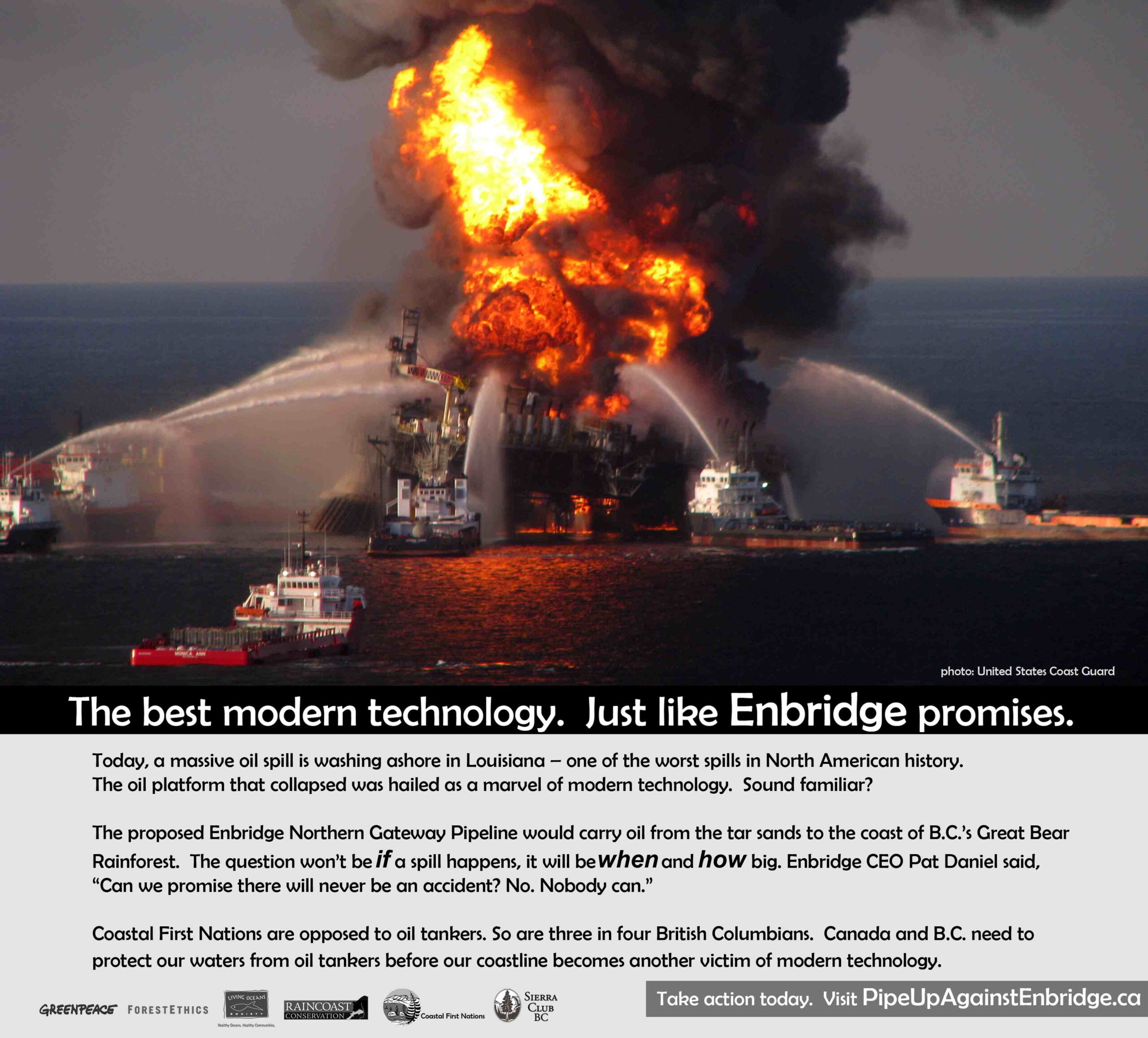
Is America’s Chernobyl in Canada’s future?

Guest comment by Chris Genovali Many Canadians have been anxiously following the unfolding Gulf of Mexico oil spill disaster and are experiencing a deep sense of unease as they scan the daily media reports.
Two orca whales swimming in the water.

Doug’s Orcas

We promised a picture of Doug’s birthday Orcas…here they are! One male and one female. Photo ID records helped us identify them as known individuals in the transient (marine mammal-eating) population. They stuck around the field station for about half an hour before zooming down Lama Pass towards Hunter Island.  Wolfman Doug and crew was…
The best modern technology, just edwards.

Oil and water

Is America’s Chernobyl in Canada’s future? Monday Magazine Many Canadians have been anxiously following the unfolding Gulf of Mexico oil spill disaster and are experiencing a deep sense of unease as they scan the daily media reports. Such foreboding is clearly understandable as one can’t help thinking this might be a nightmarish peek into one…
dummy-img

Royal Victoria Marathon 2010

Charity Pledge Program Location: Victoria BC Canada Date: October 10 2010 Raincoast is an Official Pledge Charity of the 31st Annual Royal Victoria Marathon! Did you know that some Fraser River sockeye salmon swim upstream the equivalent of 12 full marathons? Join our Raincoast Salmon Run team, and help us reach our goal of walking…
Fish farms on the BC coast threaten wild salmon.

Is salmon farming sustainable?

By Chris Genovali, Special to the Vancouver Sun Mary Ellen Walling’s opinion piece ( Farmed salmon is more than just another meal option, May 10) conveniently skips over every single substantive problem salmon aquaculture presents to the marine environment, both locally and globally.
The best modern technology, just edwards.

Is America’s Chernobyl in Canada’s future?

Guest Commentary by Chris Genovali for Buzzflash Many Canadians have been anxiously following the unfolding Gulf of Mexico oil spill disaster and are experiencing a deep sense of unease as they scan the daily media reports.
A humbpack feeds

Big oil eyes B.C. coast

Marine mammals have made a remarkable recovery in this province, but that could be erased by a catastrophic oil spill. Georgia Straight By Charlie Smith Since 2004, scientists have been travelling up and down the B.C. coast on the Achiever, a steel-hulled, 22-metre sloop owned by the Raincoast Conservation Foundation. In this time, they have…
Juvenile sockeye infected with sea lice as they migrate past fish farms in the Discovery Islands

Impacts of sea lice on wild salmon

Dave Dickson at CFAX speaks with Raincoast biologist Micheal Price about his sea lice research and early findings on the presence of sea lice on juvenile Fraser River sockeye…