
Plastic pollution

Photo by April Benze.

Plastic pollution is choking our waterways and threatening the health of fish and wildlife. We are collecting plastic and microplastic data as part of our community-oriented water pollution monitoring program. We are collaborating on research projects with universities, governments and experts in the field. We are providing advice to local, regional and federal governments on plastic science, policies, and regulations. We are working with Ocean Diagnostics to support a strong science-based foundation for solutions.


Lots of garbage on a beach.
Photo by Simon Ager.
People working together to take samples of water in jars.
Photo by Alex Harris / Raincoast Conservation Foundation.

Our approach

  • Design a source identification toolbox for plastic pollution; 
  • Working with Indigenous and coastal communities to document plastic pollution and track this back to its source;
  • Conduct research on the source, transport and fate of micro and macroplastics in the environment;
  • Engage in outside-the-box dialogue with industry and governments to support more sustainable design, manufacturing and processes that stem the release of plastics during the life cycle of a product;
  • Support community-oriented outreach and training to support solution-oriented actions and capacity building.

Plastics are everywhere

Plastics from just about every sector can now be found all over the world – from mountain tops to the seafloor, from the Arctic to the Antarctic, and from our homes to the ocean. A modern-day scourge that is blighting remote beaches and shorelines, getting mistaken for food by wildlife, and getting into the foods that nourish us. Whether it’s the structural features of plastic products that suffocate, entangle, or create intestinal blockages – or the endocrine disrupting-contaminants that serve as ingredients of the product (e.g. Bisphenol A or phthalate esters) or as hitchhikers soaked up by plastics in the environment (e.g. PCBs or metals) – plastics are harmful.

Underwater photo of plastic floating near the top of the water.
Chinook salmon swim in a river as seen from head on; epic.
Photo by Fernando Lessa.

The impact on the environment

Without a dramatic re-think, the plastic crisis is here to stay. Despite the best intentions of governments, industry, and consumers to reduce, recycle or re-use, global plastic production continues to enjoy exponential growth. And the unintentional loss to the environment of plastic products and byproducts will continue – plastic bags, bottles, and fishing gear, as well as the discharge of microplastics through domestic and industrial waste. With that will come a constant stream of items that will be mistaken for food but offer zero nutrition, that will entangle wildlife, and will deliver endocrine disruptors to our aquatic food webs. We will document impacts, share findings, and work for change through science, community engagement, and expert advice.

Recent articles
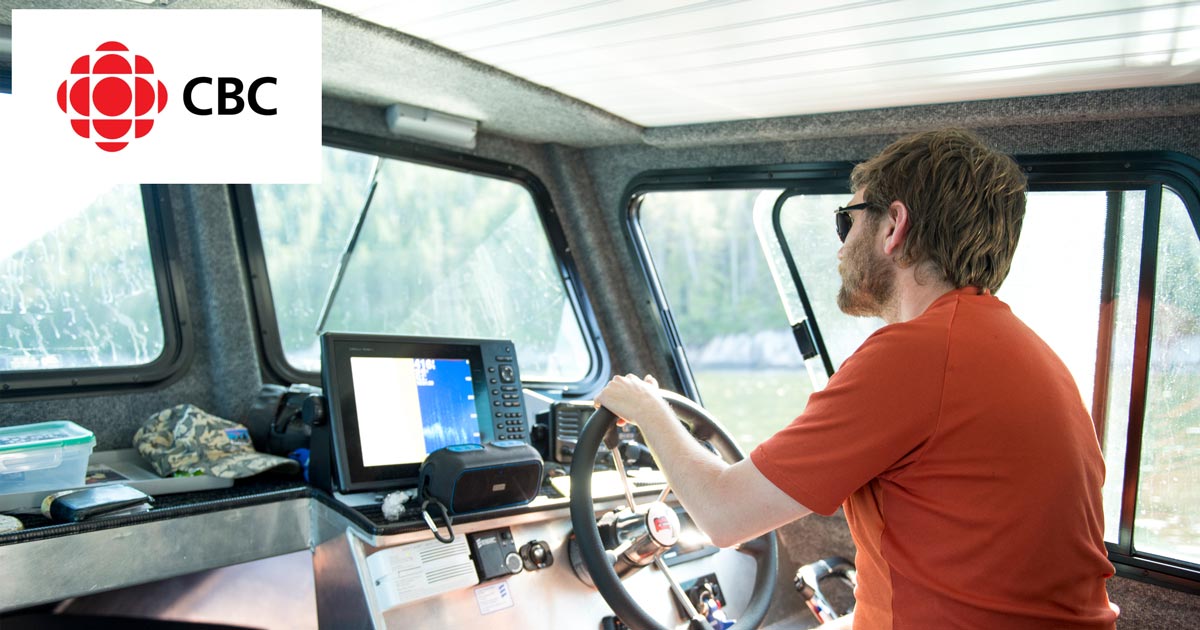
A man driving a boat with the cbc logo on the dashboard.

Wildlife management isn’t rocket science (but it should still be other kinds of science)

Do wildlife management policies in North America consistently rely on good evidence? Do management wildlife agencies commit to hallmarks of science in their methodologies? When governments defend hunting laws and regulations by touting science, should we accept their claims at face value? Listen to Carol Off and Kyle Artelle discuss…
Chris Darimont close up with the CRFAX 1070 logo floating in the background.

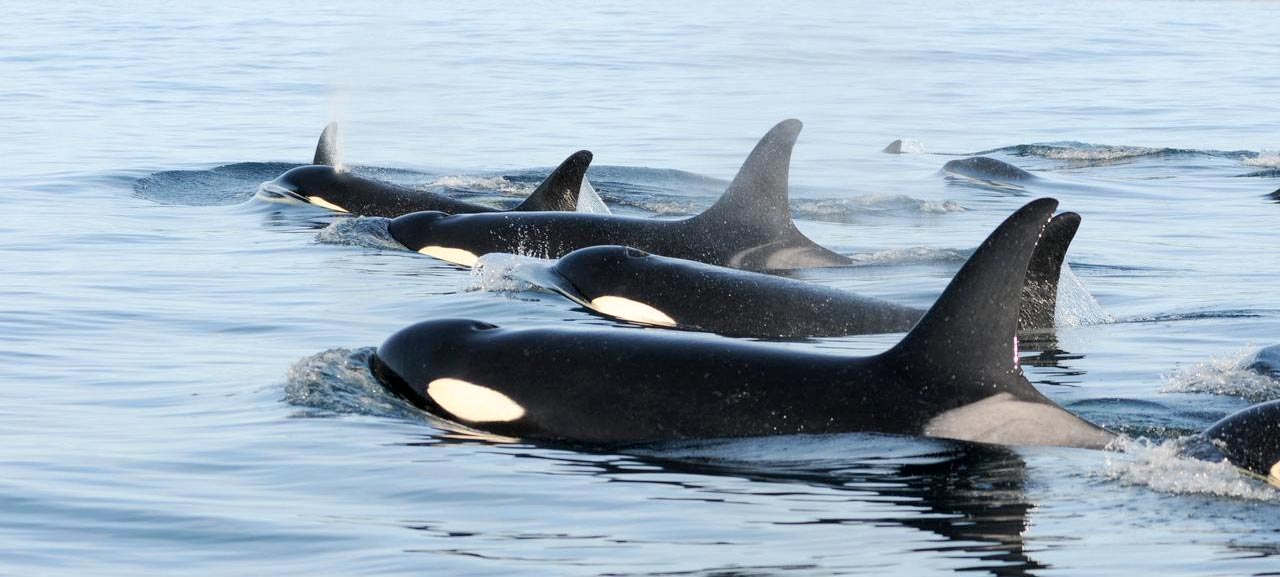
Southern Resident killer whales need action, not delay

Will Southern Resident killer whales survive the next one hundred years? Is the Federal government willing to finally implement the measures needed to protect and recover killer whales in the Salish Sea? How do Chinook salmon populations, shipping, fishing, whale watching, vessel noise and disturbance in the Salish Sea impact killer whales? Mark Bennae and Adam Stirling asked these questions and more…
Chris Darimont close up with the CRFAX 1070 logo floating in the background.

Chris Darimont interviewed on CFAX 1070 about political populations
What is a political population? Did governments around the world try to exaggerate the size or resilience of carnivore populations? Have estimates of populations been skewed by systemic selection of data to suit political interests? Adam Stirling and Chris Darimont take on these questions and more…
Southern Resident Killer Whales in the Salish Sea.

Emergency order for endangered killer whales

February request for an emergency order.
The tide rises while we head out on the Lower Fraser to conduct our research

Summer employment opportunity (closed)
Are you a biology student looking for a great summer job? Check out Raincoast’s juvenile salmon program in the Fraser Estuary. We are looking to hire two field assistants…
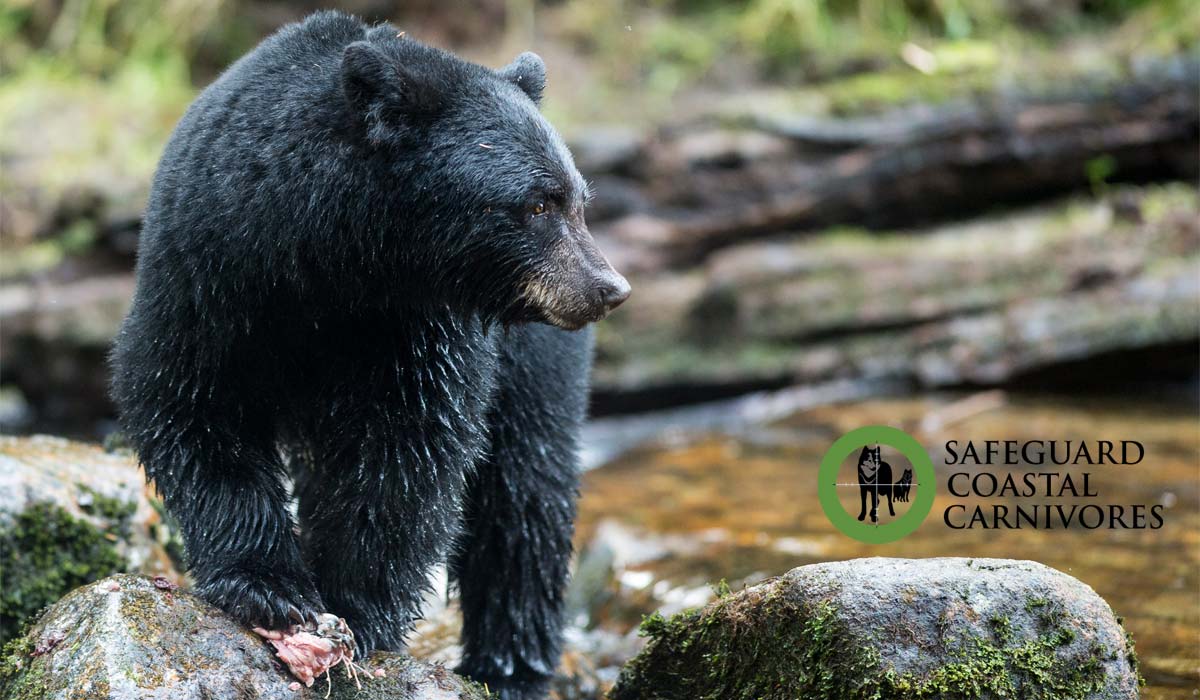
A black bear meanders over the rocks and streams in the Great Bear Rainforest.

Getting closer to safeguarding coastal carnivores

Recently, we unveiled our Safeguarding Coastal Carnivores campaign to refresh our Save the Great Bears campaign. The new name reflects the fact that our work to end of commercial trophy hunting in the Great Bear Rainforest also safeguards wolves, cougars, wolverines and black bears…
Wolf stands in the intertidal zone amidst the rock and seaweed, looking at the photographer, Kyle Artelle.

New study casts doubt on scientific basis of wildlife management in North America, offers a way forward
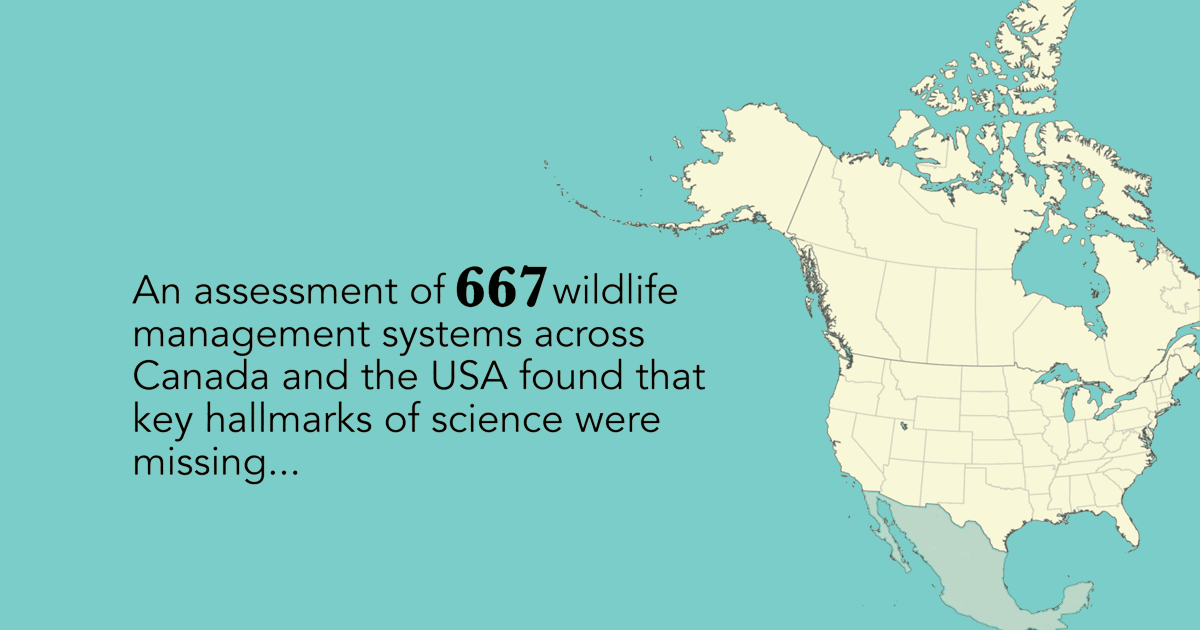
A new study, “Hallmarks of science missing from North American wildlife management”, released today in the AAAS Open Access journal Science Advances, identified four key hallmarks expected of science-based management: clear objectives, use of evidence, transparency and external review. Combined, these hallmarks provide the checks and balances that give rigour to science-based approaches…
A map of North America and then in text it says, An assessment of 667 wildlife management systems across Canada and the USA found that key hallmarks of science were missing...

Applied Ecology: Hallmarks of science missing from North American wildlife management

A new study, “Hallmarks of science missing from North American wildlife management”, published by Science Advances , challenges a widespread assumption that wildlife management in North America is science-based. Scientists from Raincoast Conservation Foundation, Simon Fraser University, University of Victoria, and the University of Wisconsin – Madison examined management documents relating to most hunted species across…