
Plastic pollution

Photo by April Benze.

Plastic pollution is choking our waterways and threatening the health of fish and wildlife. We are collecting plastic and microplastic data as part of our community-oriented water pollution monitoring program. We are collaborating on research projects with universities, governments and experts in the field. We are providing advice to local, regional and federal governments on plastic science, policies, and regulations. We are working with Ocean Diagnostics to support a strong science-based foundation for solutions.


Lots of garbage on a beach.
Photo by Simon Ager.
People working together to take samples of water in jars.
Photo by Alex Harris / Raincoast Conservation Foundation.

Our approach

  • Design a source identification toolbox for plastic pollution; 
  • Working with Indigenous and coastal communities to document plastic pollution and track this back to its source;
  • Conduct research on the source, transport and fate of micro and macroplastics in the environment;
  • Engage in outside-the-box dialogue with industry and governments to support more sustainable design, manufacturing and processes that stem the release of plastics during the life cycle of a product;
  • Support community-oriented outreach and training to support solution-oriented actions and capacity building.

Plastics are everywhere

Plastics from just about every sector can now be found all over the world – from mountain tops to the seafloor, from the Arctic to the Antarctic, and from our homes to the ocean. A modern-day scourge that is blighting remote beaches and shorelines, getting mistaken for food by wildlife, and getting into the foods that nourish us. Whether it’s the structural features of plastic products that suffocate, entangle, or create intestinal blockages – or the endocrine disrupting-contaminants that serve as ingredients of the product (e.g. Bisphenol A or phthalate esters) or as hitchhikers soaked up by plastics in the environment (e.g. PCBs or metals) – plastics are harmful.

Underwater photo of plastic floating near the top of the water.
Chinook salmon swim in a river as seen from head on; epic.
Photo by Fernando Lessa.

The impact on the environment

Without a dramatic re-think, the plastic crisis is here to stay. Despite the best intentions of governments, industry, and consumers to reduce, recycle or re-use, global plastic production continues to enjoy exponential growth. And the unintentional loss to the environment of plastic products and byproducts will continue – plastic bags, bottles, and fishing gear, as well as the discharge of microplastics through domestic and industrial waste. With that will come a constant stream of items that will be mistaken for food but offer zero nutrition, that will entangle wildlife, and will deliver endocrine disruptors to our aquatic food webs. We will document impacts, share findings, and work for change through science, community engagement, and expert advice.

Recent articles

The warm interior lights and beautiful images of the Karen Cooper Gallery show through the evening darkness on Granville Island.

Join us at the Karen Cooper Gallery on Granville Island
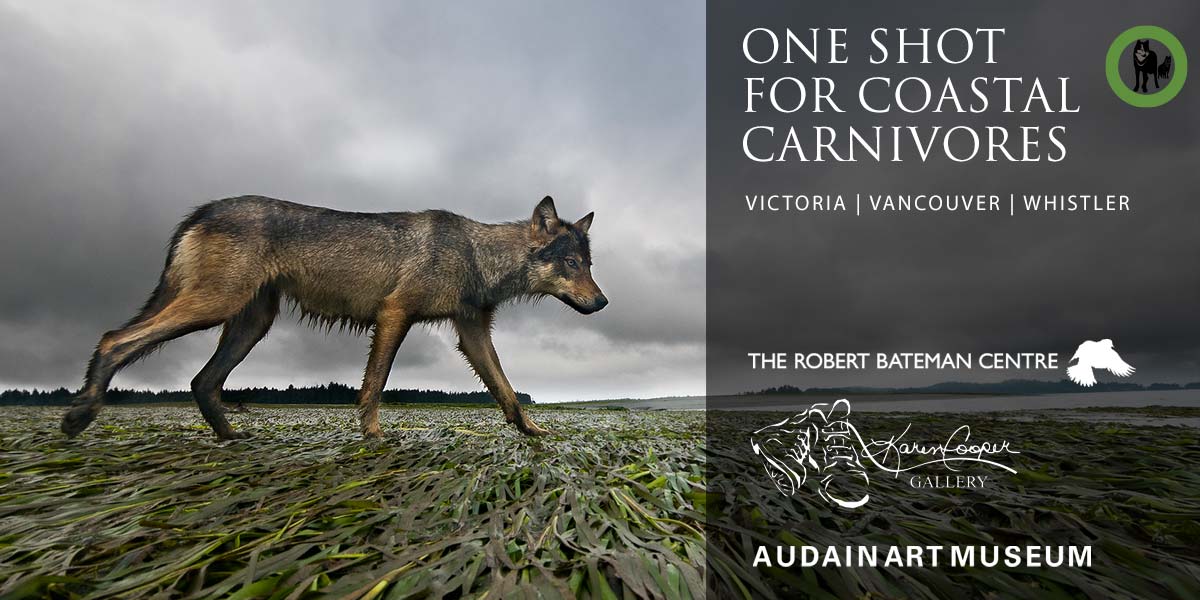
On the 23rd of October we launch the One Shot for Coastal Carnivores exhibit in Vancouver. Contributing photographer Karen Cooper will be hosting us at her gallery on Granville Island. The video below gives you a sense of both Karen’s work and the first space in which you’ll be able to view conservation photography from…
A wolf walks across the eel grass in the intertidal zone.

Unique wildlife photography collection coming this fall

From Victoria to Whistler we have set-up a range of viewings, sponsorship opportunities and public events. We have contributions from a fantastic range of photographers, some of whom have spent their entire lives on the coast of British Columbia, dedicated to telling its stories…
A family of meerkats stand together watching, while a young member opens their mouth and shows their tongue.

From meerkats to killer whales

While meerkats, a species of mongoose native to southern Africa, may seem far removed from Raincoast’s work in BC, they share many characteristics with a much more familiar species: killer whales.
A black bear sits down in the river bank and sticks out it's tongue: Terry Moore and Chris Genovali.

Chris Genovali and Terry Moore on trophy hunting and the changing paradigm of “wildlife as commodity”

This summer Raincoast executive director Chris Genovali spoke with Terry Moore to discuss the problems with trophy hunting in BC and globally. We learned last week that Terry Moore passed away. Our sincere condolences to Terry’s family and to his colleagues at CFAX. We have deep respect for his body of work as a journalist…
The cover of Cape Scott and the North Coast Trail, with a trail photo in the background.

Proceeds from guidebook to go towards protecting wolves and other large carnivores
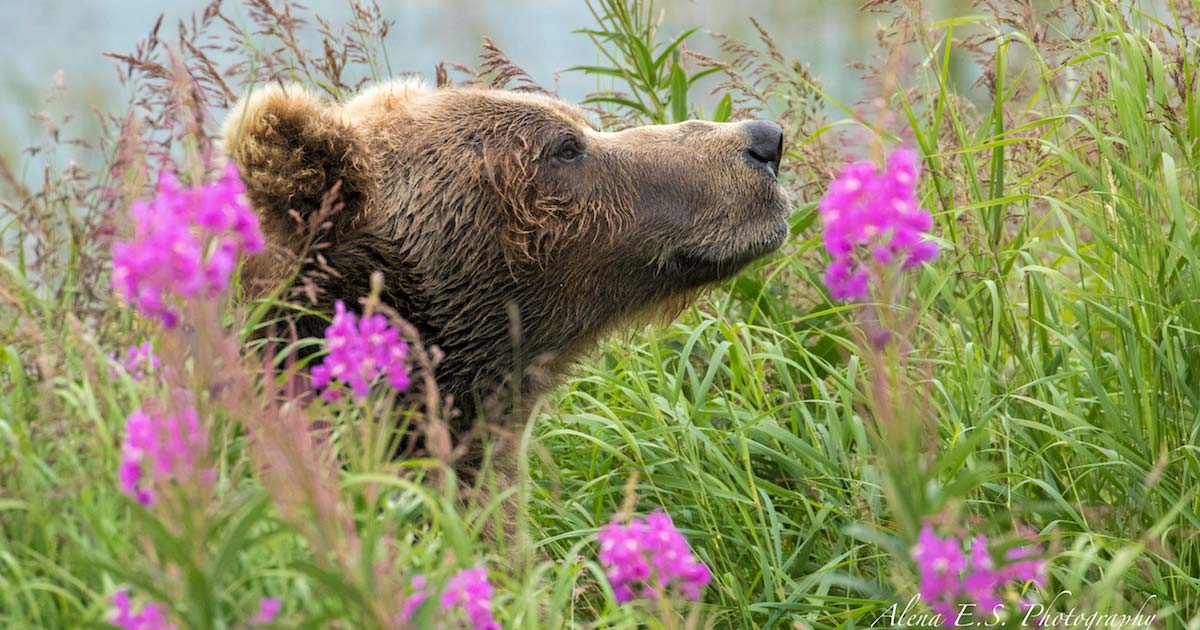
When I first visited Cape Scott Provincial Park (now almost 2 decades ago!), I scratched the surface of something incredible. Over time, it called me back again and again. It wasn’t any one thing that I found that I was looking for. It was more the feeling of the place, like a drum beat deep…
A grizzly bear stands in the neck and head deep fireweed, sniffing the air.

We can end commercial trophy hunting in the Nadeea tenure
In the world we currently live in, it is such a rare opportunity to have a direct, tangible, positive impact. It can be excruciatingly difficult to know whether or not you are making a positive change. When you’re just one person, the world often seems so big, and the problems in it so insurmountable, that…
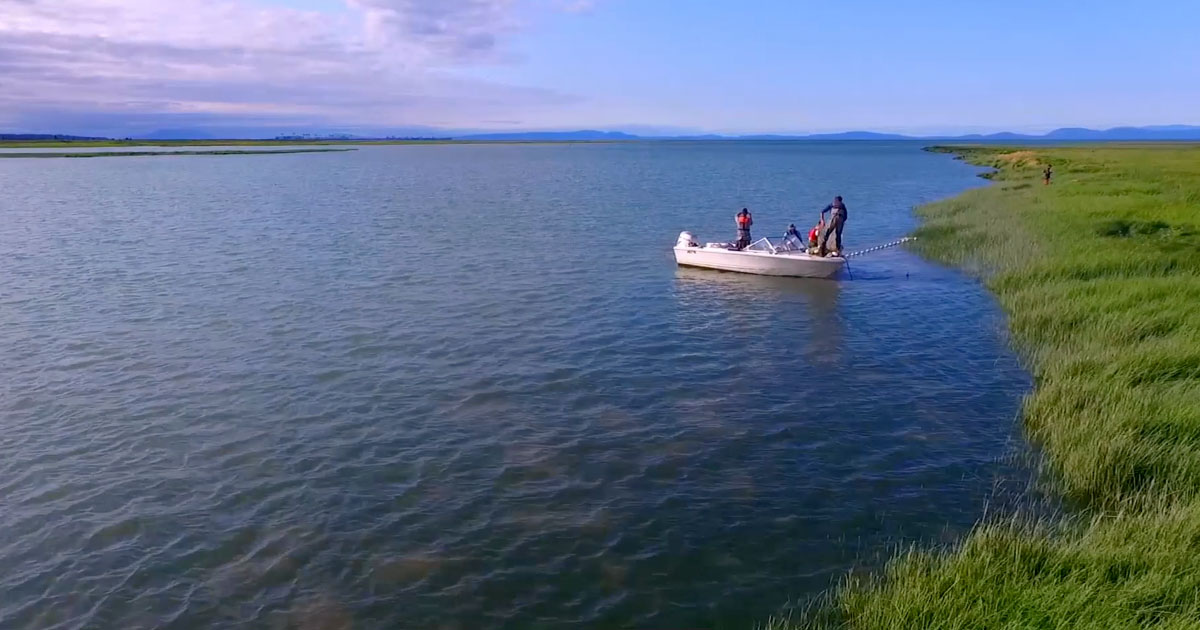
Raincoast scientists aboard their boat on the Fraser River getting the seine nets ready to do their summer research.

Fraser estuary research completed for 2018
After a long five months we have now wrapped up our 2018 field season in the Fraser estuary, our best year yet! This year our team spent 76 days in the field and we captured more than 35,000 fish, including over 6,400 juvenile salmon. While it has been a long and hot season with a…
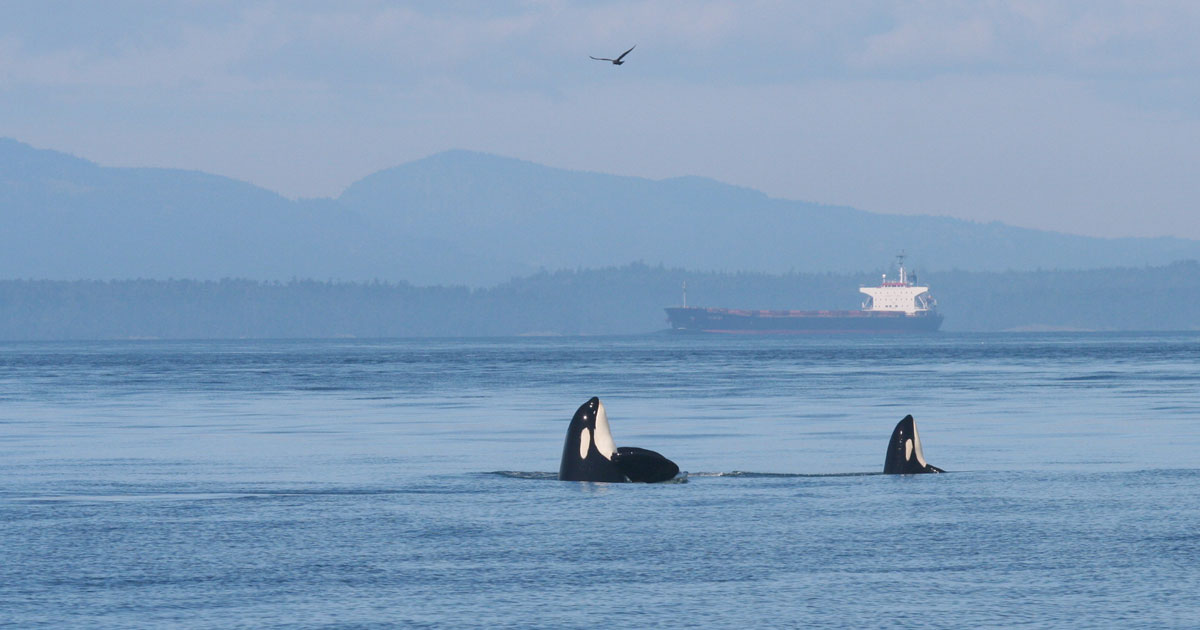
Southern Resident killer whales spy hop with oil tankers in the background.

Still no adequate threat reduction measures for endangered killer whales

The federal government is instructing the National Energy Board to conduct a review of marine shipping associated with the proposed sevenfold increase in tanker traffic from the Trans Mountain expansion…