

Cetacean Health: using imagery to understand the health of killer whales
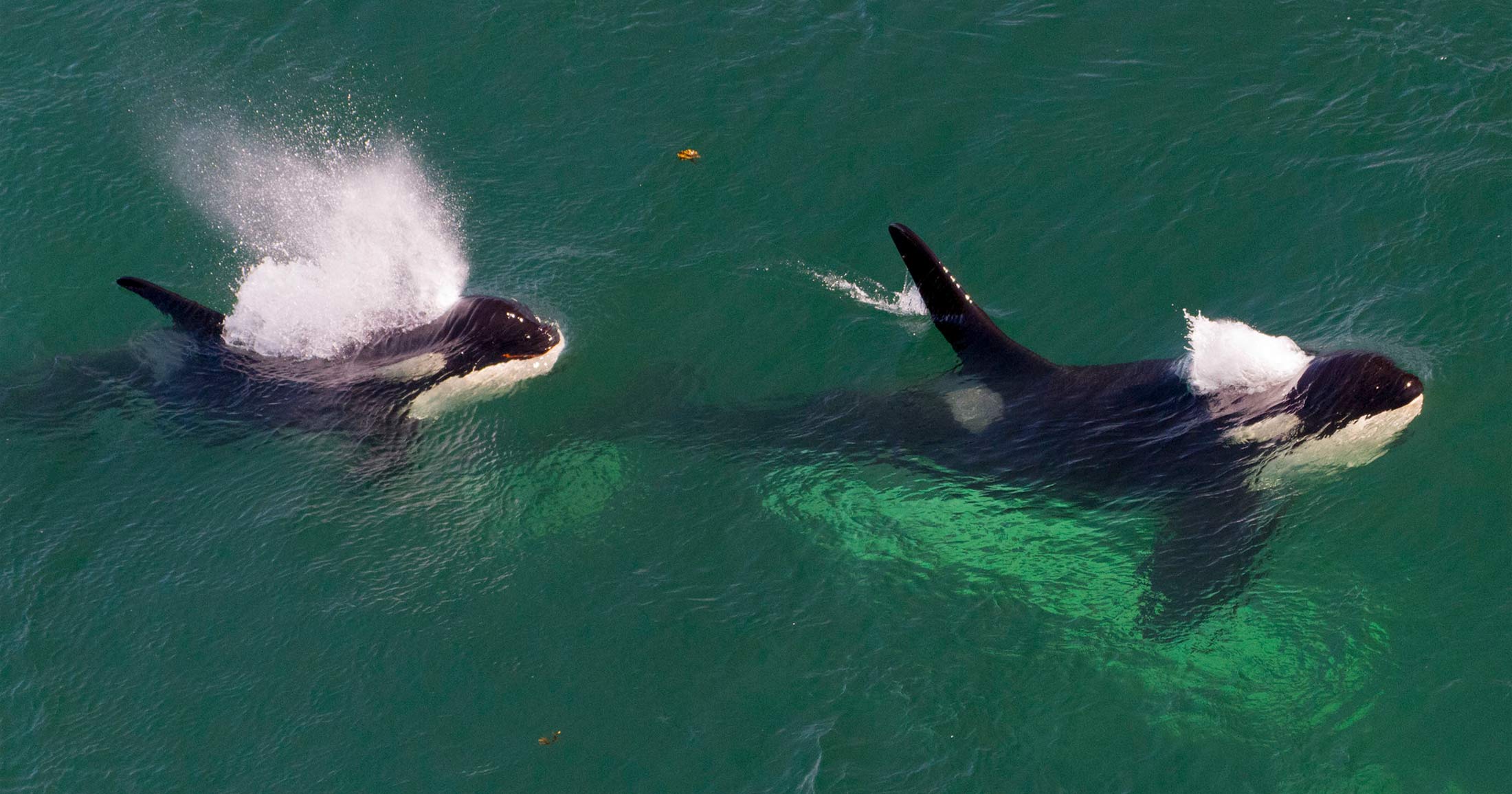
Photo by Lance Barrett-Lennard / Ocean Wise.
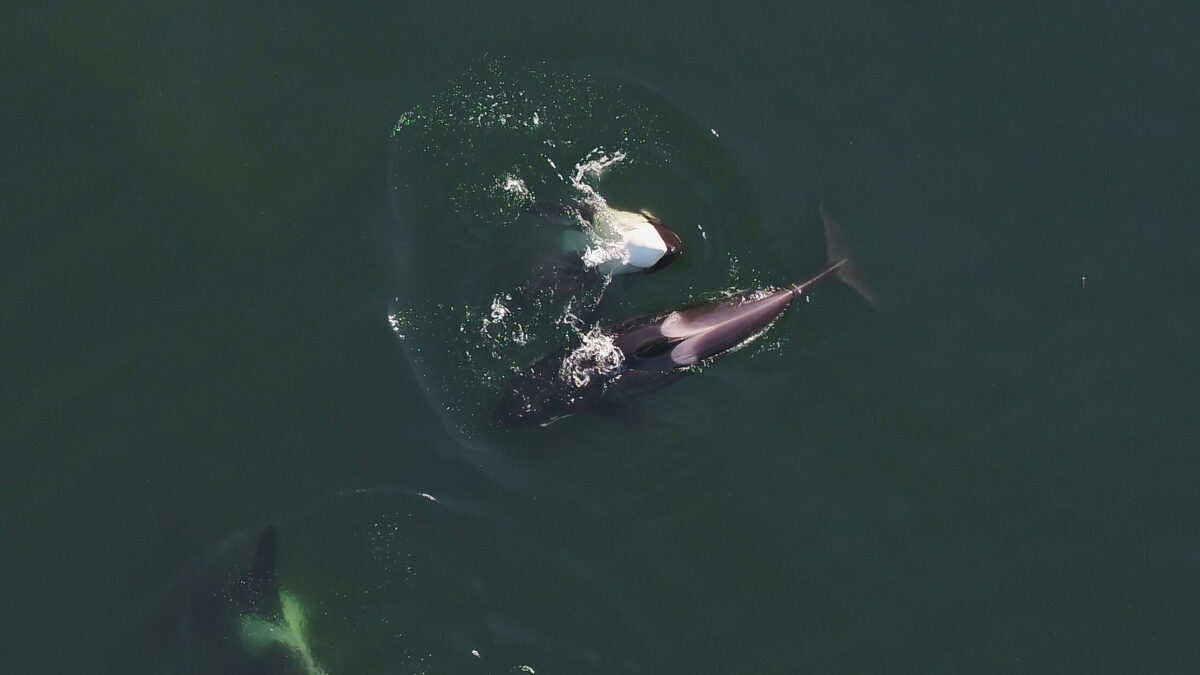
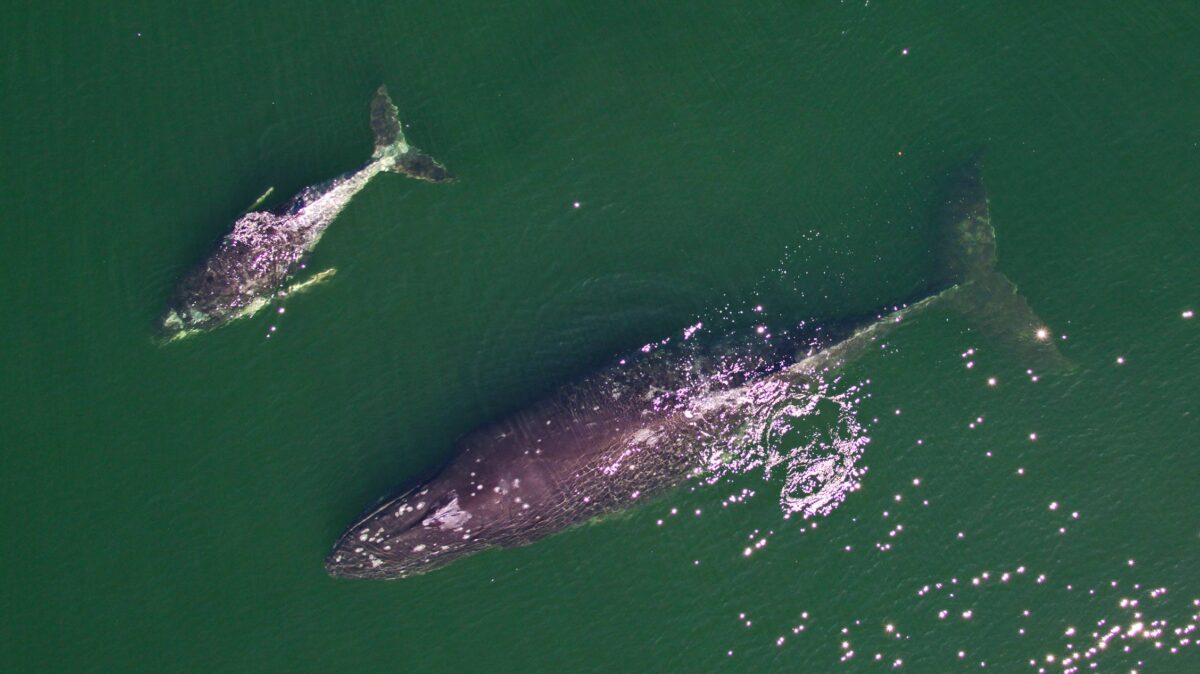
Our annual monitoring program, in collaboration with OceanWise Research, assesses the health of whales. Every year we take aerial photos of individually identified resident killer whales with small, minimally invasive drones, and use photogrammetry to accurately measure the whales’ body condition and growth rates, and determine whether they are pregnant. Our measurements provide a direct indication of the whales’ nutritional status and allow us to draw reliable inferences about their overall health. The value of this research is that it allows us to assess the impact of salmon abundance–which is strongly influenced by human fisheries–on the whale’s reproduction and survival.
Applied research
Findings from the photogrammetry research thus far helped motivate increased restrictions on sport and commercial fisheries in Canada, as well as the creation of sanctuary zones where the whales can forage without disturbance by boats. It also provided valuable insights into Chinook stocks of greatest importance to Southern Residents–an analysis we plan to begin shortly with Northern Residents. The time series of body condition measurements on both populations becomes more valuable with each passing year.
Project history
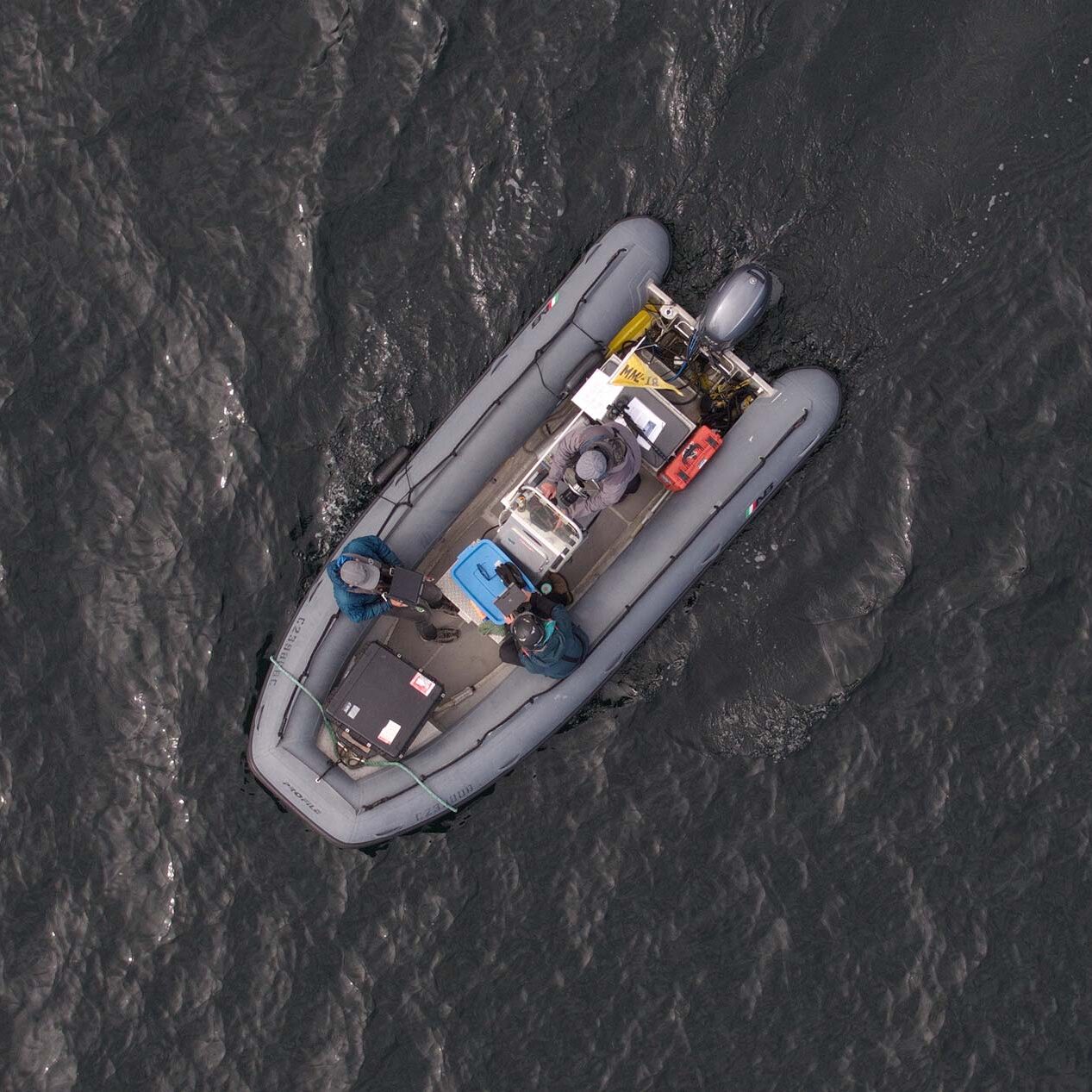
In 2014, Lance Barrett-Lennard worked with Washington-based research colleagues, Drs. John Durban and Holly Fearnbach, to develop a photogrammetry-based method of assessing the body condition of killer whales using aerial photographs from minimally invasive, boat launched drones. The study was a key recommendation of a US/Canadian panel attempting to assess the impact of salmon fisheries on Southern Resident killer whales.
The project grew into an annual monitoring program, monitoring Northern and Southern Resident killer whales and Bigg’s killer whales opportunistically. Comparing the two populations, one in perilous condition and the other recovering, has helped make it possible and practical to determine when killer whales are nutritionally stressed, and to assess the impacts of such stress on survival and reproduction.
Recent articles
Delegating to the Islands Trust: The 30×30 challenge
Forest Conservation Program Director Shauna Doll made a delegation to…
Proposed green waste facility in burnaby axed after public outcry and grassroots organizing
The battle over the location of Burnaby’s Green Recycling and…

Reduced genetic diversity: another challenge facing the Southern Resident killer whales?
As charismatic mega-predators, killer whales have no equal. Historically feared,…
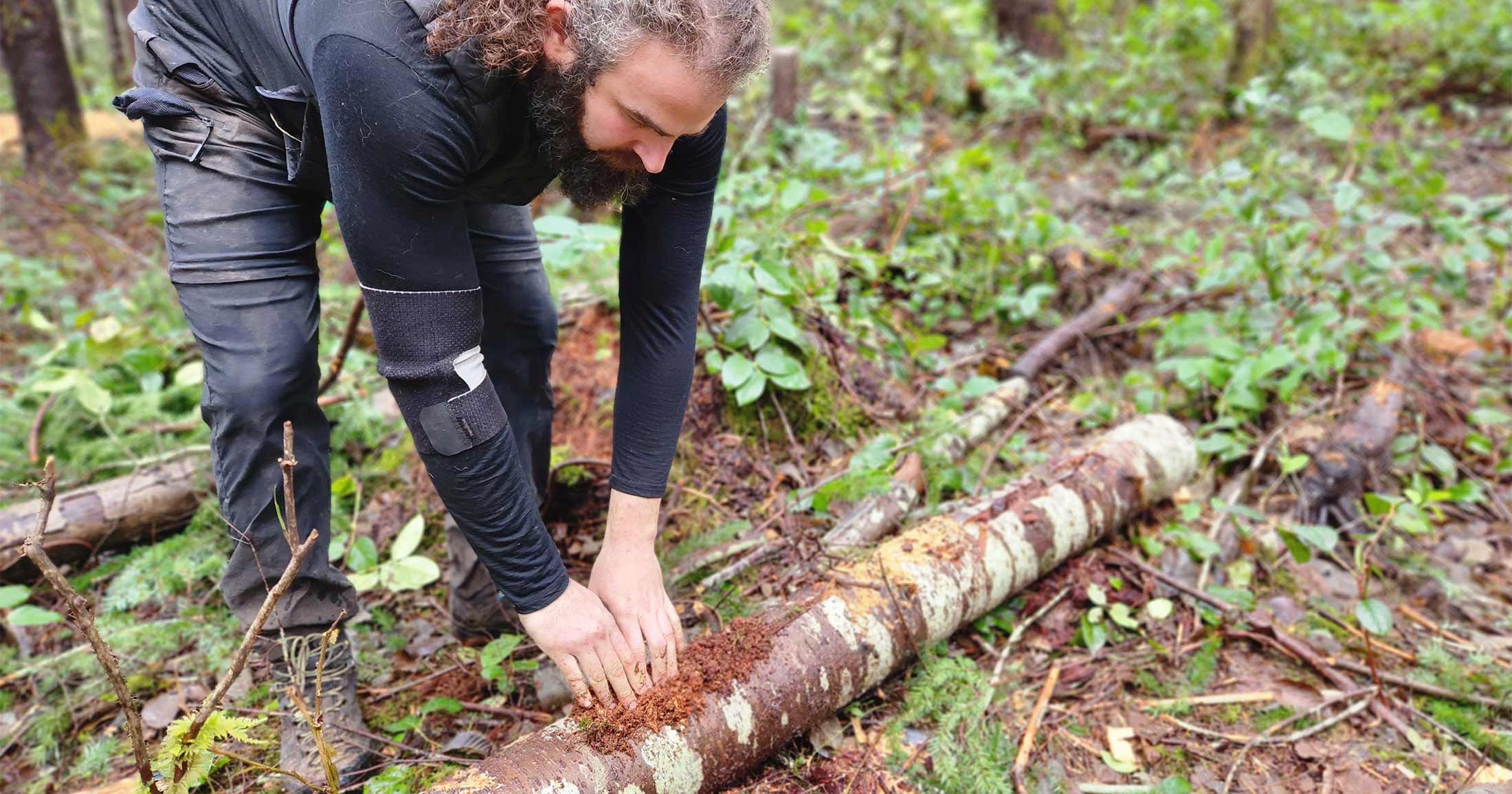
Maxwell Creek Watershed Project Field Files Part 5: Experimental forest restoration methodologies
Together this community of practice has been developing new approaches…

Local engagement: letters to elected representatives can help make change
Raincoast scientists have been engaging in work related to conservation…

Join us for After the Groundswell: film and discussion panel events in Vancouver, Victoria, and Tofino
We invite you to join us in Vancouver, Victoria, or…
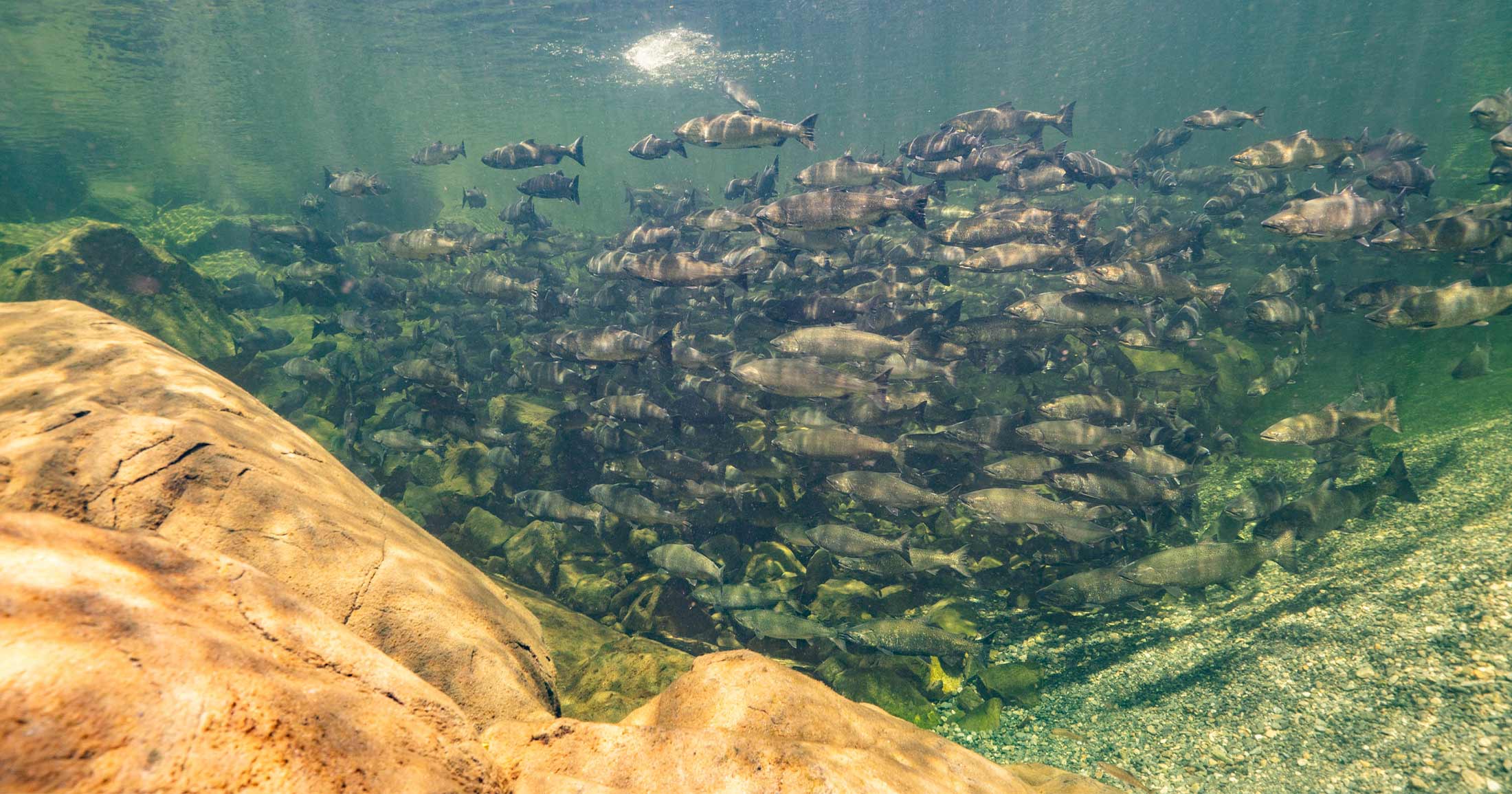
Sign our official petition to tell the federal government to reject Roberts Bank Terminal 2
This is a legally binding petition. If we surpass 500…
Opposed to the Roberts Bank Terminal 2 expansion? You’re not alone
The list of groups opposed to the Roberts Bank Terminal…