Conservation Genetics Laboratory 

Our conservation genetics research addresses threats to cetaceans, fish, and coastal carnivores. 

The Conservation Genetics Lab is an integral part of Raincoast’s efforts to protect the land, waters and wildlife of coastal BC. The DNA and RNA analysis we perform provides our scientists with reliable insights into the population structure, health, diets, and resilience and genetic isolation of coastal species. The lab works closely with our Cetacean Conservation Research Program and also helps answer important questions for our other conservation initiatives. 
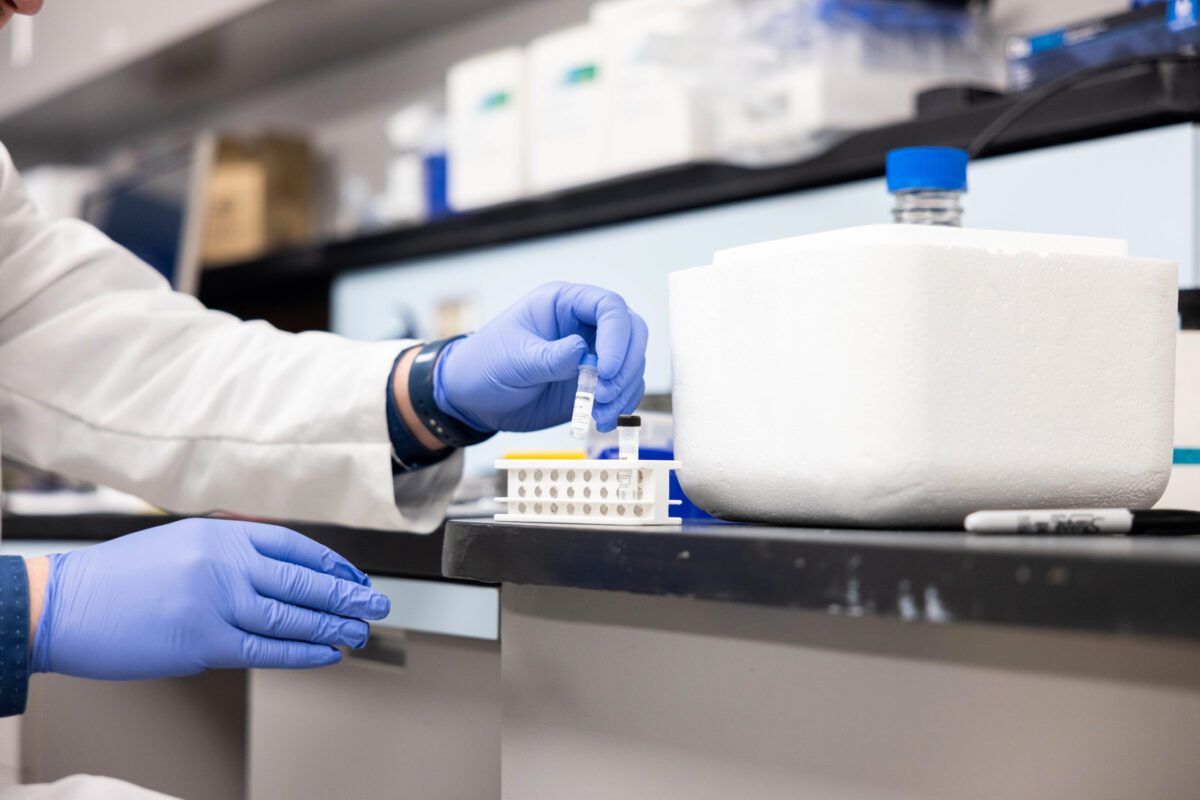
Two hands wearing blue gloves holding and organizing beakers.
Research scientist Adam Warner holding two small beakers while wearing a lab coat in a lab.

Cutting edge genetics and genomics analysis

The Raincoast Conservation Genetics Lab is equipped with a complete set of instrumentation to conduct molecular biology and genetics, including cutting-edge DNA sequencing technology. Our Research Scientist, Dr. Adam Warner, has extensive experience in genetics, genomics and DNA sequencing, has set up our lab space and has begun to carry out this research under the guidance of our Cetacean Research Program directors Dr. Lance Barrett-Lennard and Dr. Valeria Vergara. The lab works alongside Fisheries and Oceans Canada, which is hosting our lab space at the Pacific Science Enterprise Centre.

Understanding killer whale diet

A lack of sufficient Chinook salmon in the diets of Southern and Northern Resident killer whales has been linked to declines in population health. Our lab has the ability to extract and analyze salmon DNA from Resident killer whales feces, to identify the salmon stocks of most importance to the whales. Since we can identify the individual whales that produced fecal material genetically, we can link other health metrics such as stress hormone levels (also found in the fecal material) to individual killer whales. 
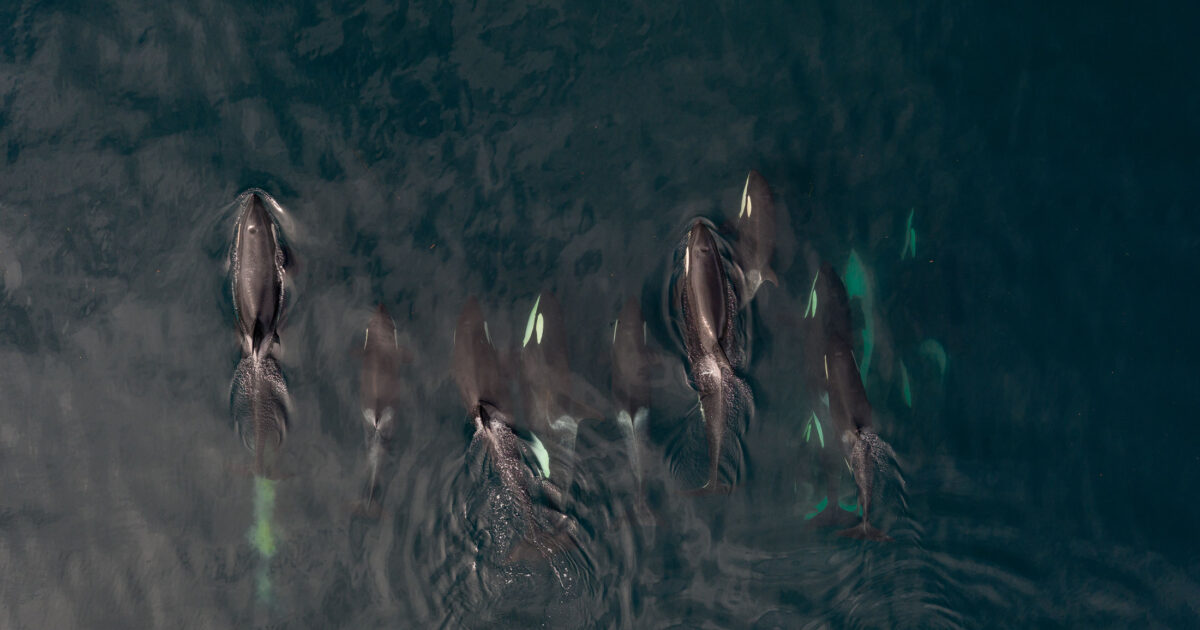
Overhead photo of a pod of killer whales swimming in the ocean.
Photo by Raincoast Conservation Foundation, taken under SARA Research License XMMS-2-2022.
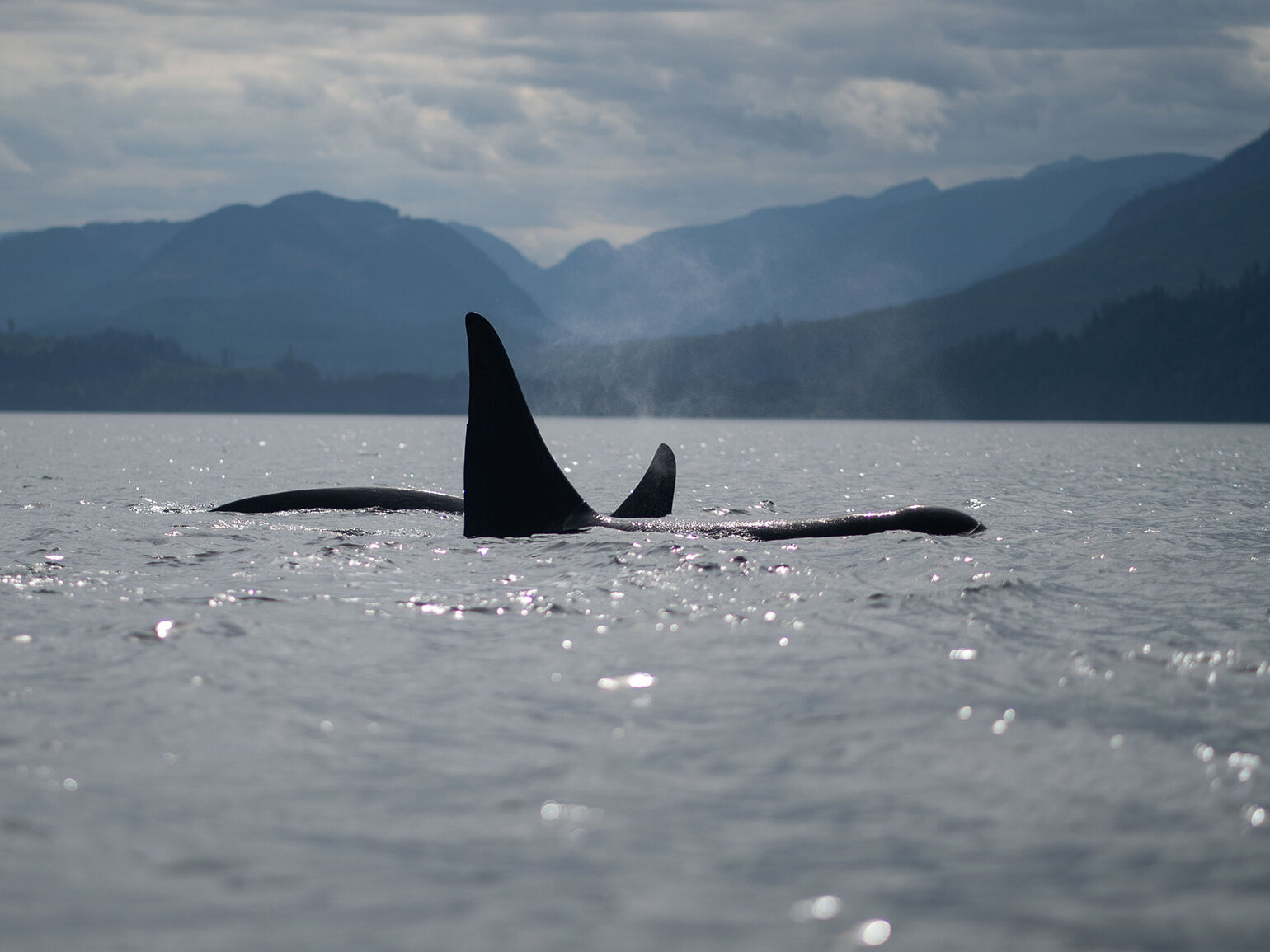
Two killer whales surfacing on the ocean.
Photo by John Kelsey.

Killer whale population health and dynamics

Killer whales live in small populations that from their size alone would appear to be vulnerable to negative effects of inbreeding.  We recently sequenced the entire genomes of 142 members of the Northern Resident population to directly  assess inbreeding, genetic diversity, and immune system strength. We are comparing this information in this dataset to one for Southern Residents compiled by NOAA in the United States. This will help us gain insight into the comparative health of these important fish-eating populations of killer whales. We are also finalizing a study of inbreeding in marine mammal-eating Bigg’s killer whales, which will inform our understanding of similarities and differences between North Pacific killer whale populations.

Environmental DNA to aid research focused on wild salmon and coastal wolves

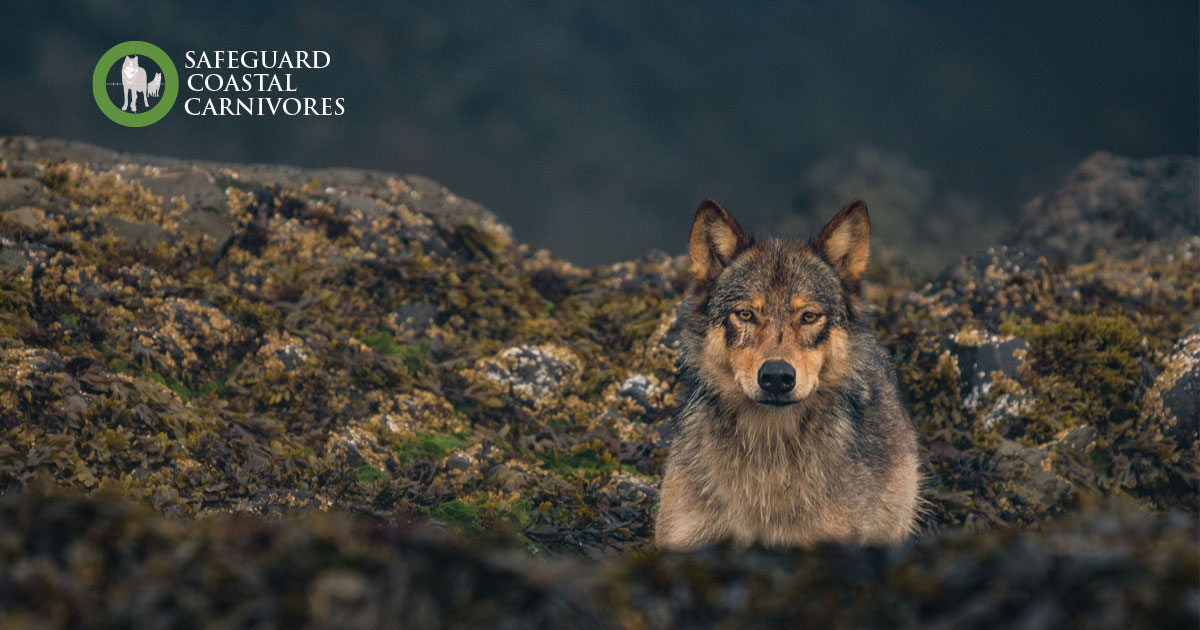
Our research on wild salmon and coastal wolf populations has the potential to be expanded through the use of environmental DNA (eDNA) monitoring and analysis. Through eDNA, we can track and assess salmon populations and determine abundance and diversity. Using wolf scat samples we can identify specific individuals, their sex, and the prey consumed. By learning more about these important populations, we hope to drive policy change to protect biodiversity.

Research scientist Adam Warner holding two small beakers while wearing a lab coat in a lab.
Photo by Alex Harris / Raincoast Conservation Foundation.

Recent articles

A collage of images and graphs from a published peer reviewed article on salmonid species diversity and bear health: Hakai, Raincoast, University of Victoria, and Spirit Bear Foundation logos at the bottom.

Salmon species diversity predicts salmon consumption by terrestrial wildlife
Research by scientists at Spirit Bear Research Foundation, Raincoast Conservation Foundation, and the University of Victoria, led by Christina Service, shows that salmon species diversity – the number of spawning salmon species available – is far more important and positively related to salmon consumption in coastal black bears than biomass abundance…
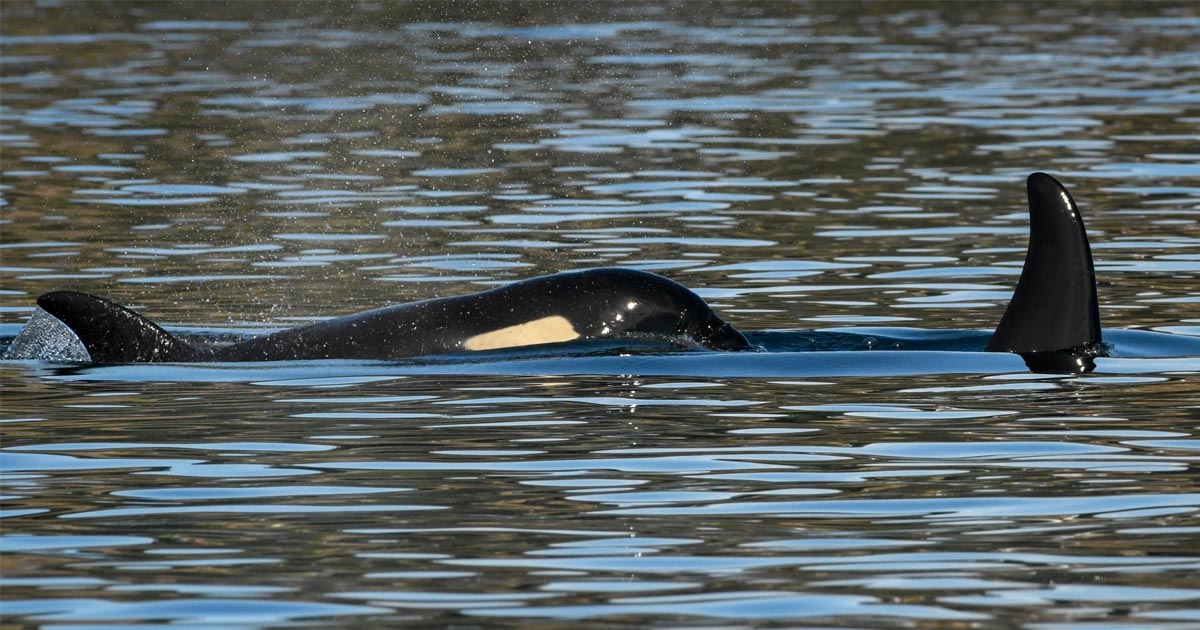
J50 and J42 in the Salish Sea.

Canada should rethink unproven, dangerous chemical ‘cleanup’ of marine oil spills
As noted, Corexit can also be toxic to wildlife. For some species, such as herring embryos, toxicity occurs because Corexit does what it was designed to do: increase the concentration of petroleum hydrocarbons in the water column. However, there is also a growing body of research, much of it conducted in response to the Deepwater Horizon disaster in 2010…
Southern Resident killer whales J50 with her sister, J42, in July of 2018, swim by in the Salish Sea.

Misty MacDuffee joins Adam Stirling on CFAX 1070 to discuss Washington State’s billion dollar plan to aid killer whale recovery

Misty MacDuffee and Adam Stirling discuss the benefits and the shortcomings of Washington’s investment, the problem with dams, aid to Chinook hatcheries and new hatchery production. They discuss the genetic and ecological implications from hatcheries and why MacDuffee believes this makes them a poor investment for salmon recovery and Southern Resident killer whales.    …
The Achiever rests at night on the BC Coast: Tracking Raincoast into 2019.

Tracking Raincoast into 2019

Raincoast science is contributing to a large and growing body of evidence that shows the current levels of Chinook abundance, ocean noise, vessel disturbance, and pollution, create conditions that make population recovery for the Southern Residents untenable…
A wolf sits in the intertidal zone and stares out: Safeguard Coastal Carnivores.

We did it! Fundraising for the Nadeea tenure is complete

With online donations, cheques arriving in the mail, and match funding in place, we can now confirm that we’ve finally met our fundraising goal of $500,000! In the coming weeks we will formally complete our purchase of the Nadeea hunting tenure…
A Southern Resident killer whales, J50, glides through the water in the Salish Sea.

Chinook salmon, 74 killer whales, and the future of the Salish Sea

2018 closes with just 74 Southern Resident killer whales remaining in the world. You’ve been with us through a year of huge wins and some heartbreaking losses and it’s worth a recap as we close the year and prepare for 2019. January – With 76 Southern Residents remaining, Raincoast and partners petition the government to…
Ilona Mihalik stands in front of an epic Grizzly bear photo as part of the One Shot for Coastal Carnivores exhibit.

Friday is the last day to make a bid in our online auction
You can still support the campaign and keep a memento through the purchase of a limited edition print and you have until Friday at 6pm to make your bid…
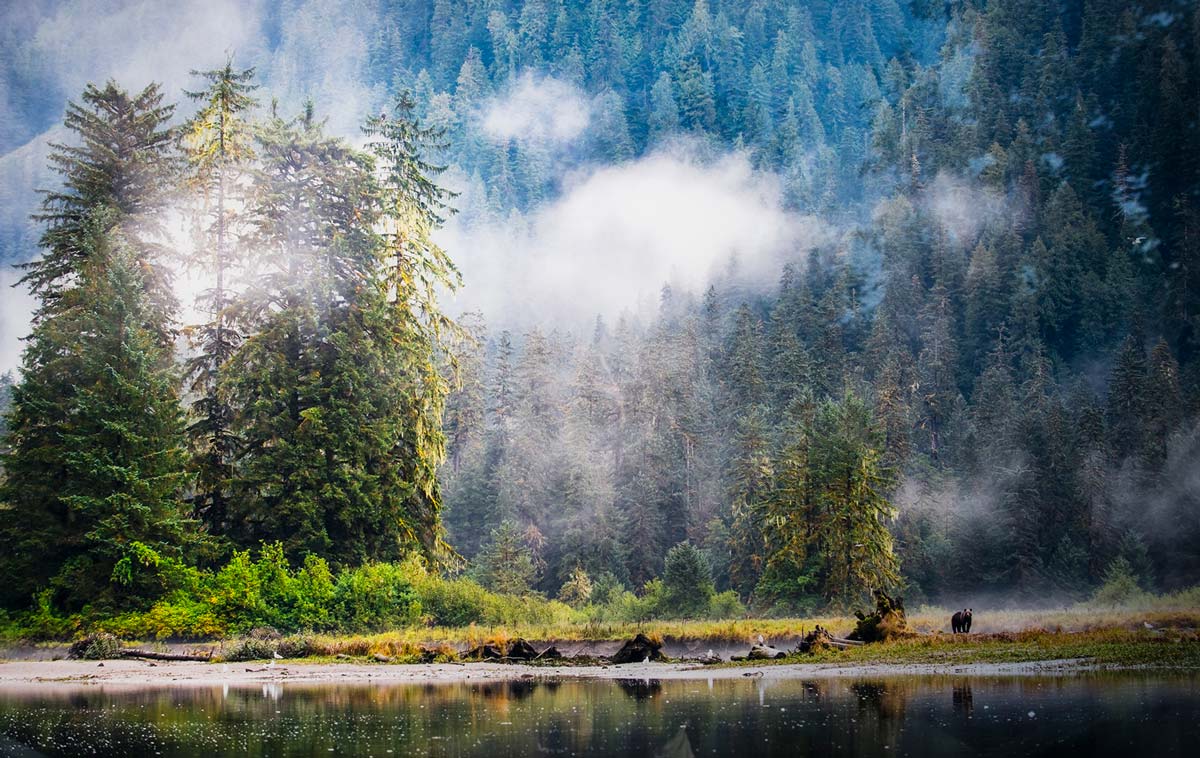
A Grizzly bear rests on the shores of the Great Bear Rainforest.

On the brink of campaign success – New $50,000 match funding

From community events to marathon runners, grizzly bath bombs to grizzly bars, so many people have stepped up to support our efforts in partnership with Coastal First Nations. Each dollar you donate will now be doubled. Help us make 2018 a year to remember…