Fisheries management
Leveraging science, policy, and partnerships in pursuit of place-based sustainable salmon fisheries.
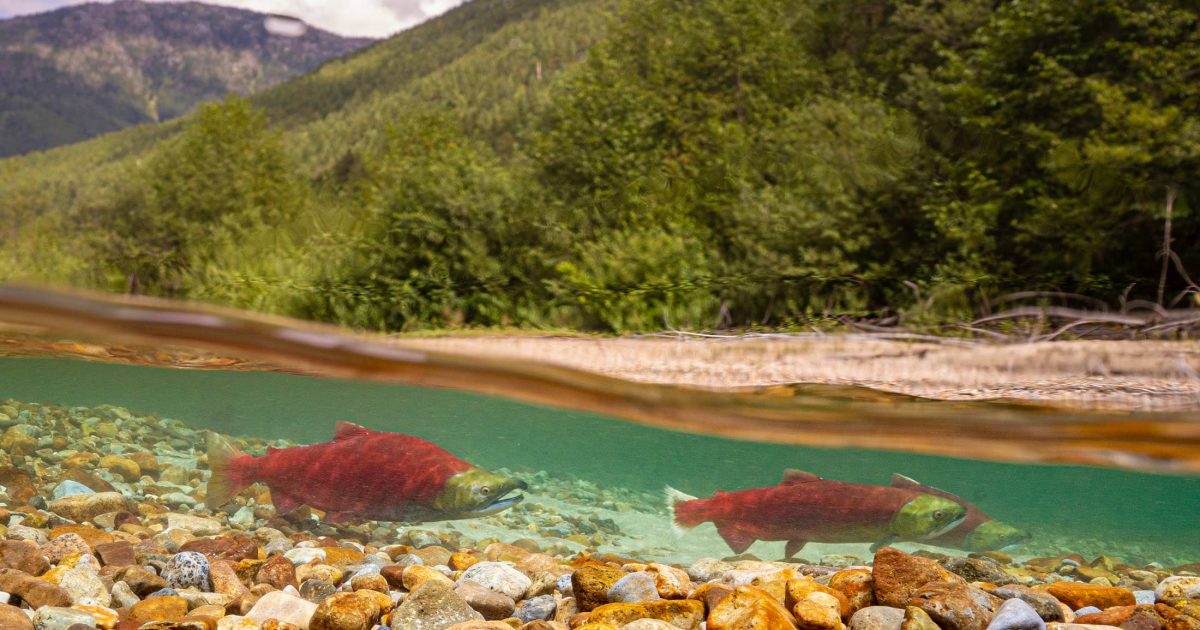
Photo by Fernando Lessa.
For more than a century, fishing pressure has contributed to the decline of wild salmon. One reason for this is the nature of ocean fisheries that intercept salmon while migrating to their rivers of origin. Populations of salmon with varying degrees of abundance often migrate together.
When caught in the ocean, it’s hard to know which populations of salmon you are harvesting. In this way, salmon populations can be inadvertently overharvested, and decline. We use a comprehensive approach to inform actions that benefit salmon ecosystems in a changing climate.

More than a numbers game
Fisheries can affect more than just the abundance of salmon. They can make fish smaller and younger; they can decrease genetic diversity; they can change the time salmon return to spawn. They can also influence the number of eggs a salmon lays, and whether the fry from those eggs survive to become adult salmon. Ultimately, unsustainable fisheries can influence many factors that prevent the recovery of wild salmon.
While harvest is just one of many threats facing these fish, it is one that we have considerable control over. Raincoast works to change unsustainable fishing practices that drive the decline in salmon abundance and the problem of smaller and younger salmon.
How we advance sustainable fisheries
Raincoast engages in technical aspects of salmon management, fisheries harvest, and recovery planning. We do this independently and as part of the Marine Conservation Caucus, a collaborative group of scientists and conservationists from several member organizations that engage with Fisheries and Oceans Canada on fisheries management. As a part of this caucus, Raincoast advocates for alternatives to unsustainable fishing practices, protection of wild salmon from hatcheries, and considering the needs of wildlife in fisheries decisions.

Our view on hatcheries
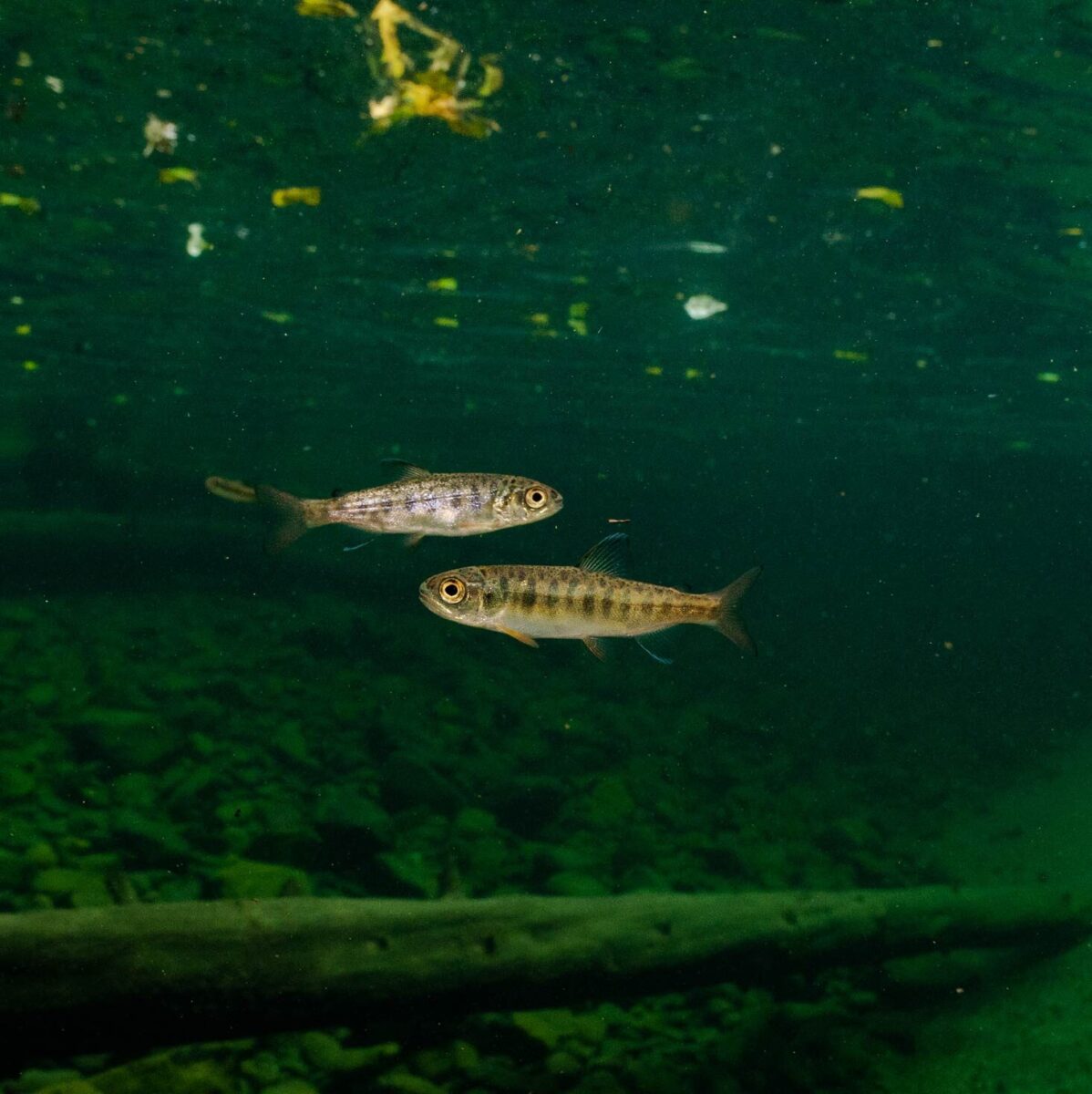
Wild salmon require wild rivers. Since the 1970s, hatcheries have been used to prop up commercial and recreational fisheries. Hatcheries were the response to the problem of overfishing and habitat destruction, the root causes of the initial salmon decline.
The original belief behind hatcheries was that consumer demand for salmon could be met while simultaneously rebuilding depleted populations. However, this goal has proved elusive, and hatchery practices often harm the wild fish they purport to help.
Hatcheries can decrease the genetic diversity of salmon populations. Hatchery fish can [also] compete with wild fish in the ocean and disrupt marine food webs.
Lastly, hatchery production complicates fisheries. When less abundant wild salmon are caught alongside plentiful hatchery fish, wild salmon are overharvested. Hatcheries can be an effective short-term tool to support recovery for at-risk populations, but they should be closed once recovery objectives have been met, and only used to support fisheries in limited places.
Salmon for ecosystems
If the wildlife that depend on salmon are to be considered when harvest decisions are made, one of the most important shifts needed is an ecosystem-based approach. Such decision- making would incorporate the importance of salmon to food webs that contribute essential food and nutrients to forests, rivers, and the ocean. In many cases, simply letting more fish spawn would meet ecosystem objectives.
Equally, salmon management should be “place-based,” a concept that recognizes the unique attributes of each watershed where salmon spawn, rear, and adapt to the local conditions. This process makes each salmon population unique.

Recent articles
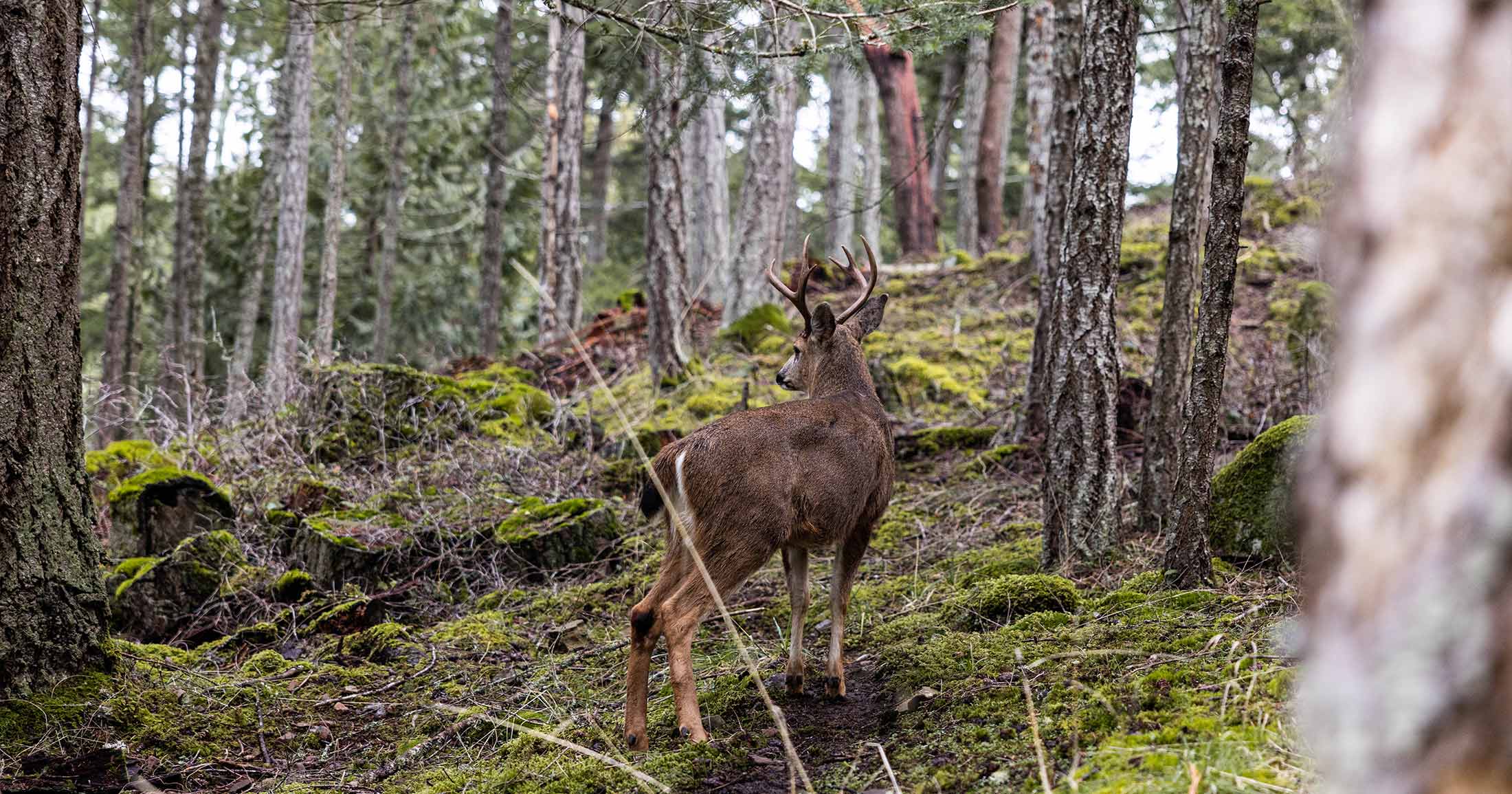
Embracing complexity: Exploring carbon sequestration in two highly interconnected ecosystems
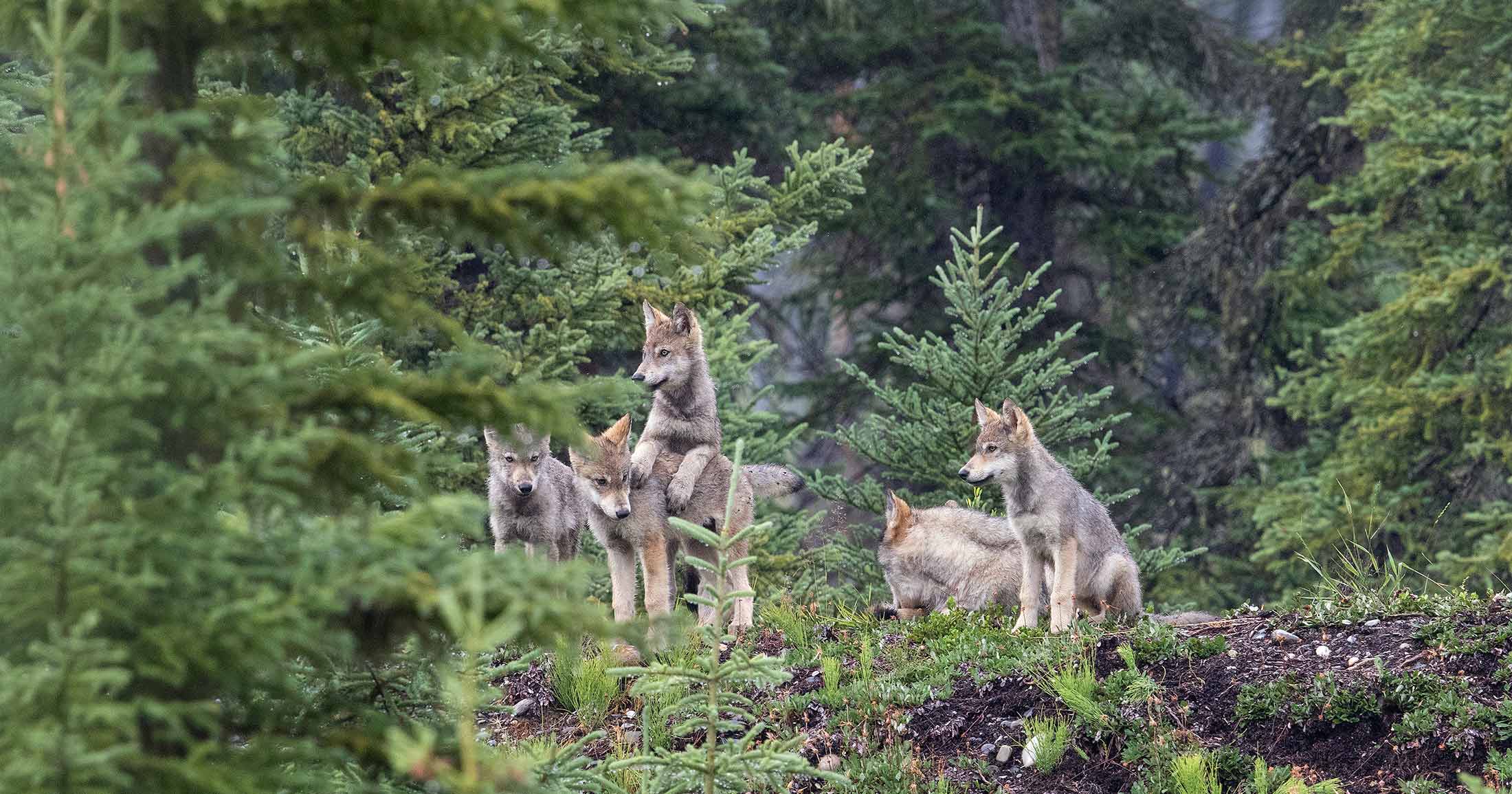
Wolf Stories: Sustaining the wellbeing of people, animals, and nature (Part 1)

Raincoast welcomes new team members who have joined our team for the summer!

Purchase a new Raincoast tumbler to help protect Southern Resident killer whales
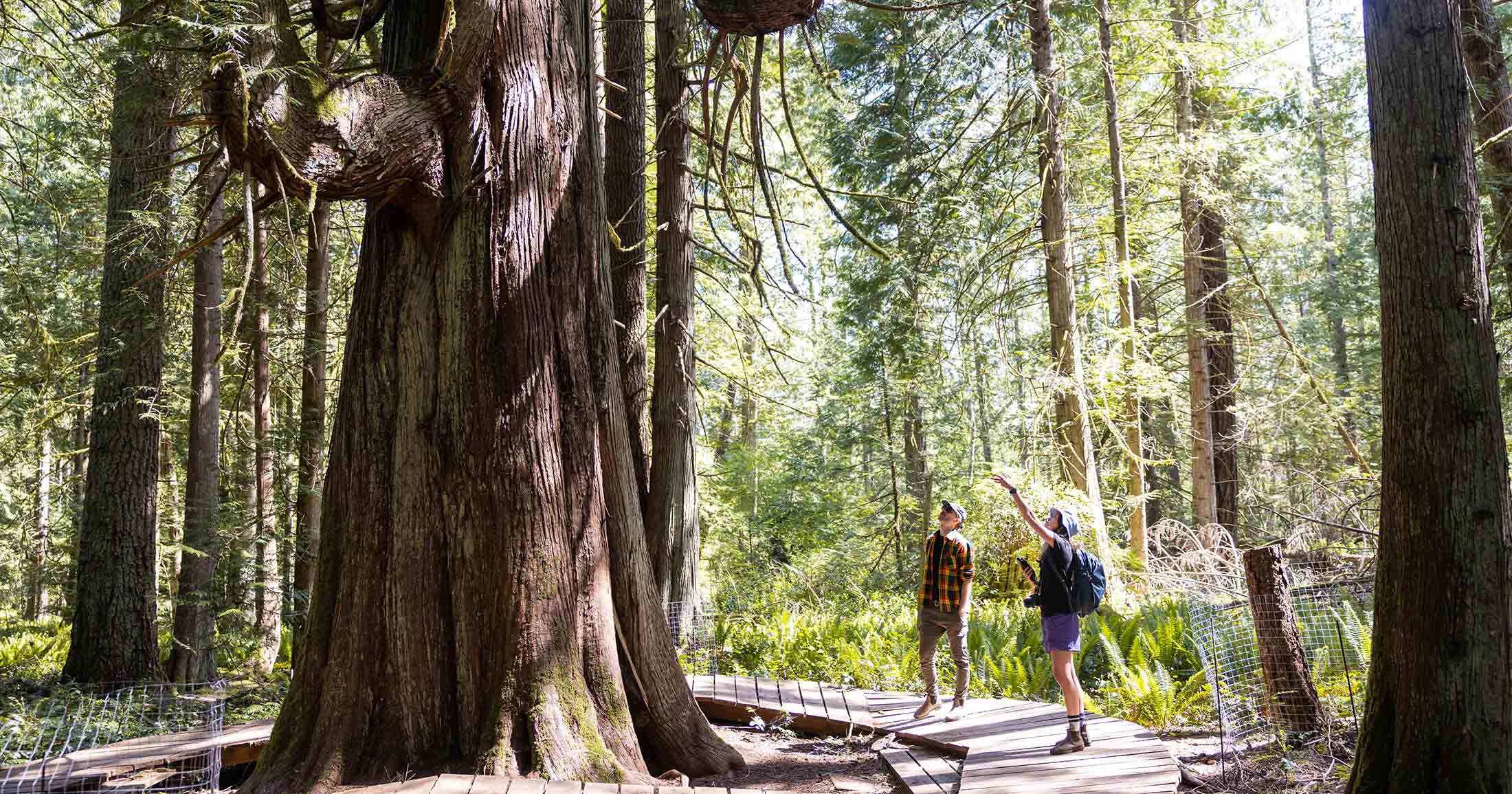
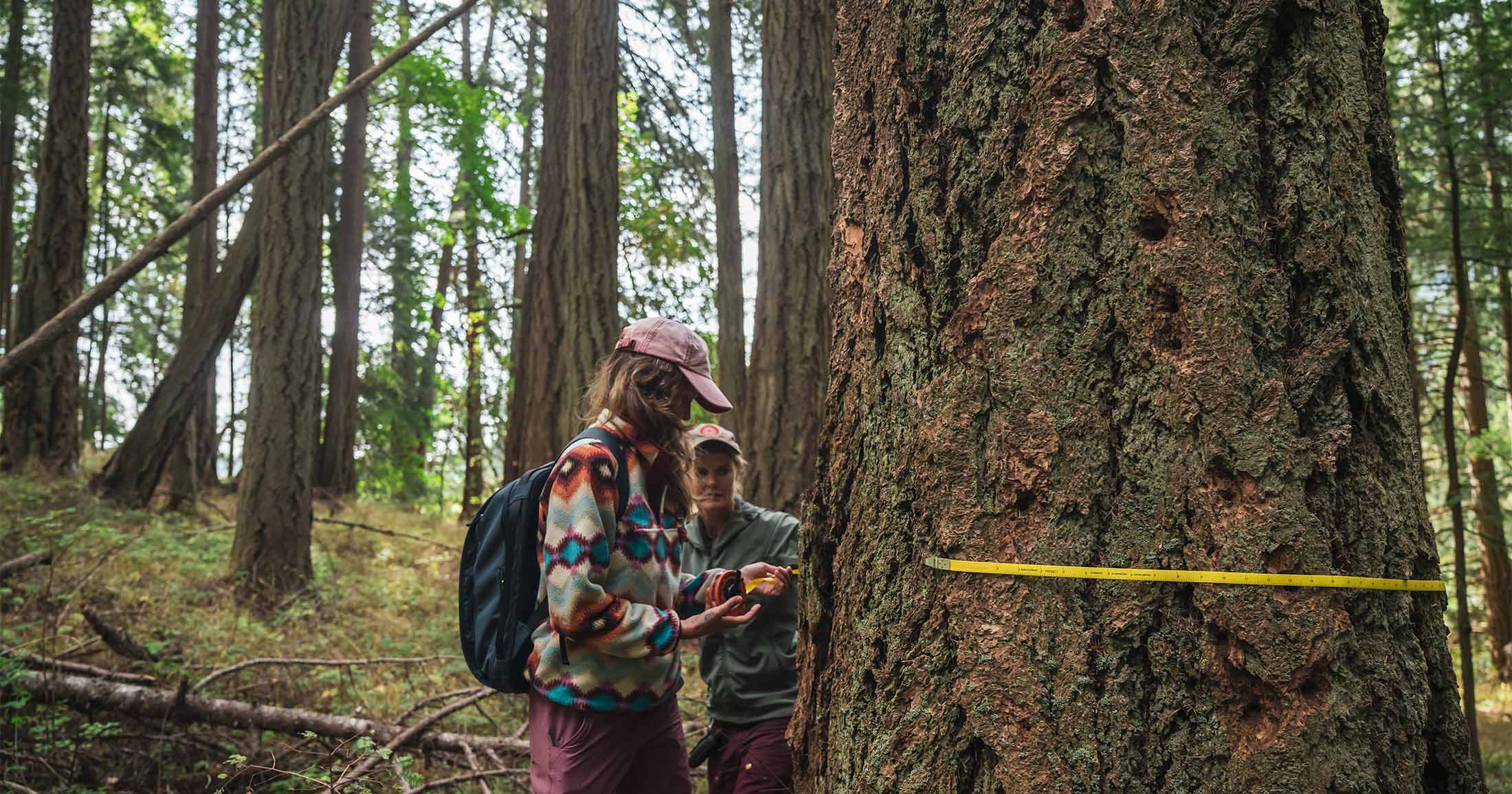
Big tree registries offer an opportunity for community engagement and conservation this summer