Dive into wolf conservation ethics on the Nerdy About Nature podcast
As a guest on the Nerdy About Nature podcast, Chelsea sat among the trees with Ross Reid to discuss all things wolves.


As a guest on the Nerdy About Nature podcast, Chelsea sat among the trees with Ross Reid to discuss all things wolves.

As we move into the last thirty days of our collaborative campaign to purchase and protect this 45 acre forest, we are reflecting on all of the reasons why conserving this habitat and others like it is so important.

To celebrate the end of the year, we are so happy to be able to offer matching campaigns on two of our most urgent fundraising initiatives.

Dr. Justin Suraci shares his experiences studying predator-prey relationships in the Coastal Douglas-fir (CDF) ecosystems of the Gulf Islands.

We are so happy to have our Raincoast hats back in stock. Supply chain issues meant that these hats took much longer to make than we expected, but we were willing to wait because we know these hats are so worth it! Our team wears them in the sun, rain, and snow, which is how…
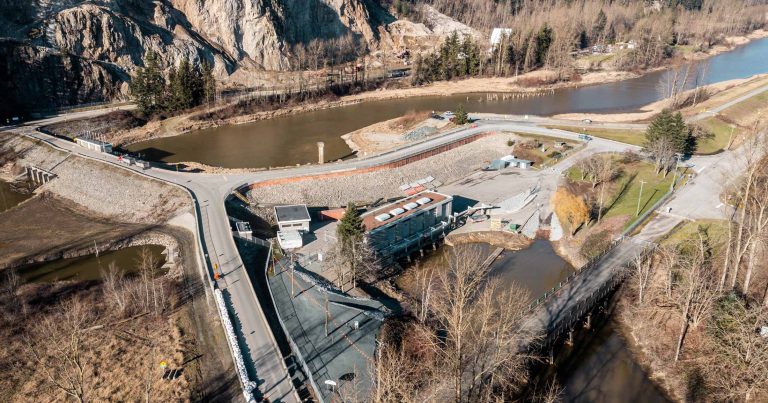
The catastrophic floods of late 2021 in southern British Columbia (Canada) and neighbouring Washington State (USA) destroyed homes, farms, and businesses, with excess water spilling debris, animal carcasses, and diesel fuel into historically productive fish habitat.

We’ve been working behind the scenes to design, build, and deploy a mobile, community-oriented lab in support of healthy waters in BC.

With an approved development plan in place, a road already built, and 15 wells drilled, the “Harbour Hill Subdivision” would have soon claimed this piece of maturing coastal forest and wetland that had so far managed to escape development.
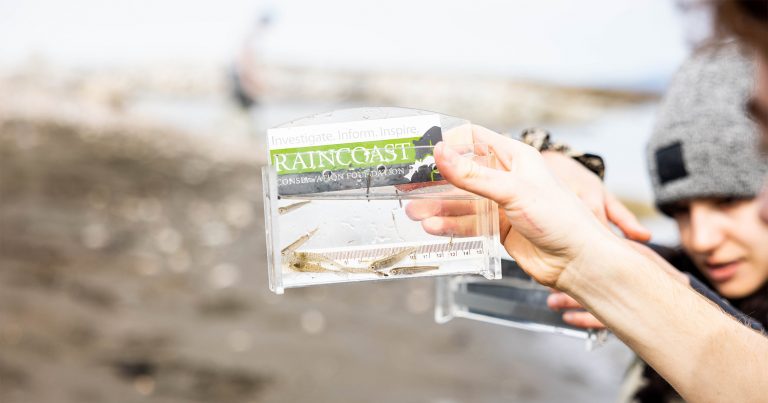
“Who’s ready to rumble?” yells Captain Sean, his jolly head poking out the port-side window of the BellaRose. I extend my hand to each of my six youth participants as they climb aboard the vessel. A warm salty breeze washes over me as we embark together on today’s project. This will be a good day….
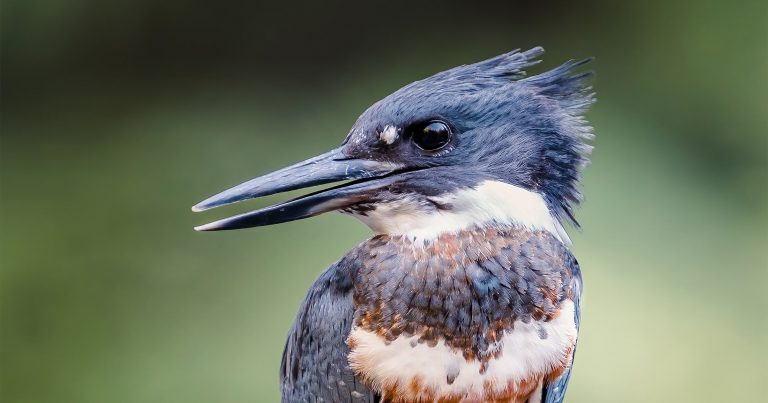
We are thrilled to announce a donation matching campaign to support the purchase and permanent protection of KELÁ_EKE Kingfisher Forest.
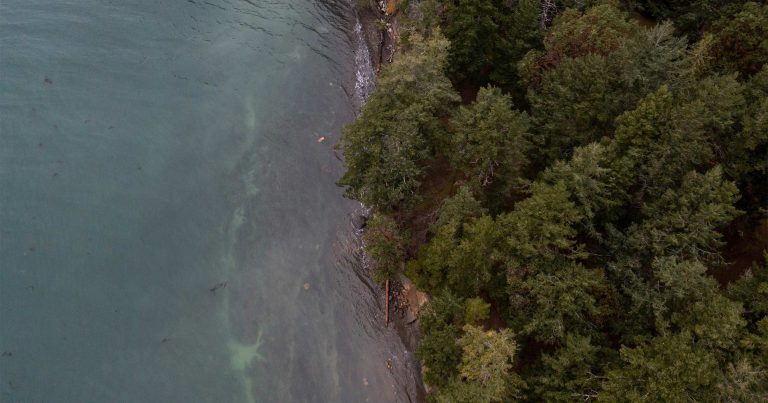
EcoFair provided opportunities for land based education.
Raincoast has been selected as a finalist to win a Land Rover Defender 130.