Canada has a chance to lead on the world stage with an improved Nature Accountability Act
Bill C-73 is a much-needed piece of legislation that would give the National Biodiversity Strategy legal teeth, and make it enforceable by the courts.


Bill C-73 is a much-needed piece of legislation that would give the National Biodiversity Strategy legal teeth, and make it enforceable by the courts.
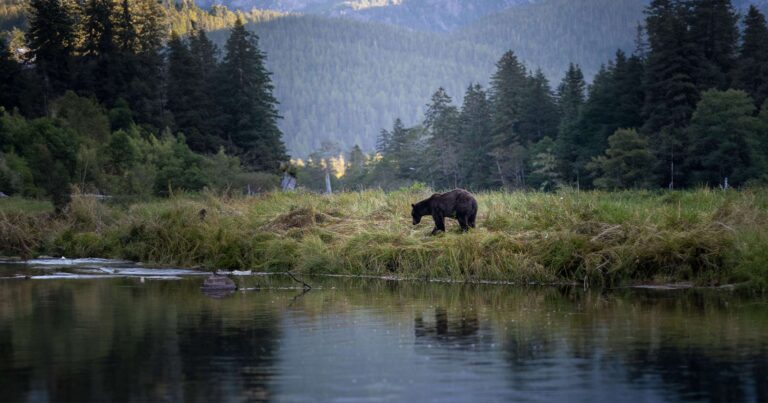
The research found that bears can avoid ecotourists and take multiple weeks after encounters to return to their baseline activity levels. This new information can help fine-tune bear management and sustainable business practices.
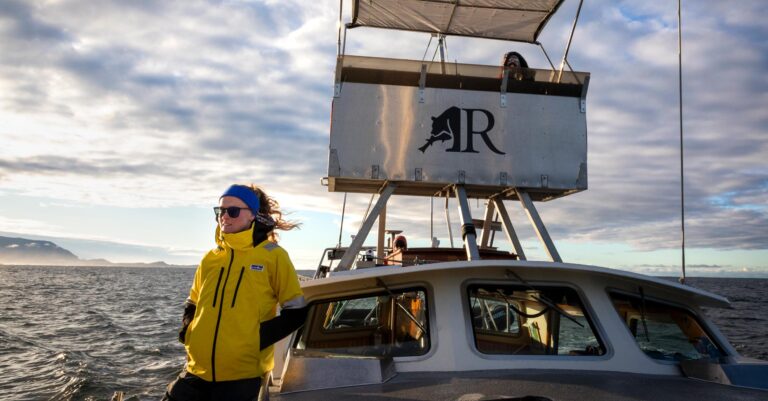
Marlie has joined the Raincoast team to assist with Development.
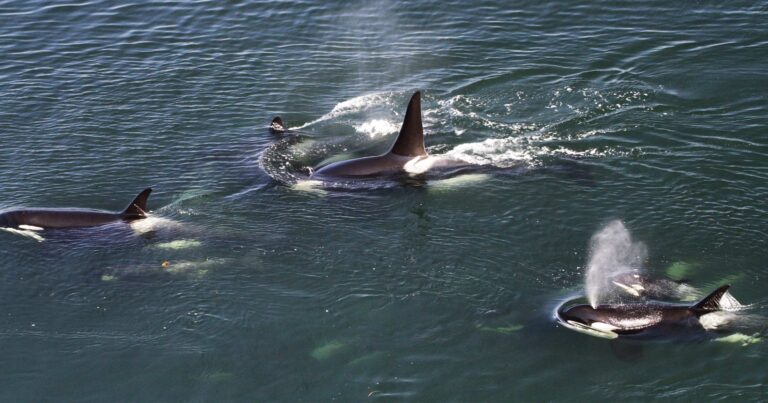
With intensifying threats, emergency protections for endangered killer whales are necessary.
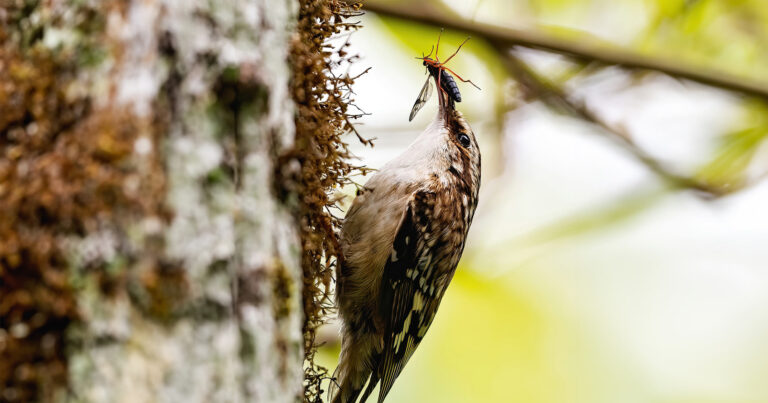
The final 2030 National Biodiversity Strategy addresses biodiversity-harming subsidies and promises an adaptive management approach, but lacks a clear plan on how it will be implemented.

The research weaves together Indigenous laws with an economic analysis to determine the cost of implementing ‘managed retreat’ as a nature-based solution to flood risk in the Lower Fraser region.
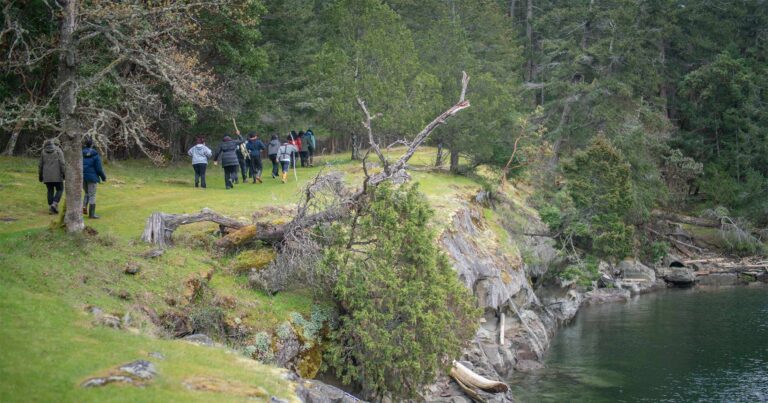
Our goal is to inspire and train the next generation of conservation stewards through land-based, at-sea, and online programming.

Master’s research is looking into different life histories of sockeye salmon to better understand the impact of Raincoast’s breaches project.
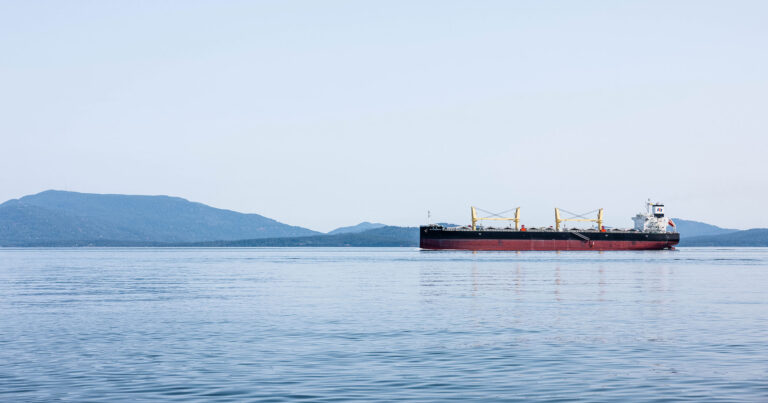
Southern Resident killer whales need protective orders to facilitate recovery.

Last week, Ocean Wise made the decision to remove its recommendation to list salmon from southeast Alaska as sustainable. This removal will be in place until the sustainability of these fisheries is no longer in question.

Exploring the co-benefits of collaborative, landscape-scale approaches to managing fire in coastal forests of southern BC.

Every summer our Cetacean Scientists use innovative drone technology to study whales.