Watershed partnerships gather momentum
Our Healthy Waters team has visited watersheds around BC: from Whistler, to Vancouver Island, the Nicola River Valley, and the Sunshine Coast.



Our Healthy Waters team has visited watersheds around BC: from Whistler, to Vancouver Island, the Nicola River Valley, and the Sunshine Coast.

It’s been an incredible year, and we have a lot of community to thank for it.
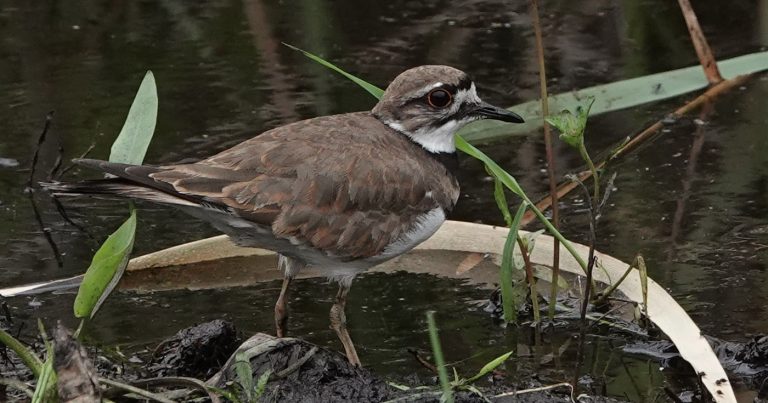

A recent study of bird communities at Yáláƛi (Goose Island Archipelago) examines how bird communities have changed since 1948, and uses Heiltsuk Knowledge to figure out why.

Indulge in incredible prize packs with every dollar going towards Southern Resident killer whale protection and recovery.
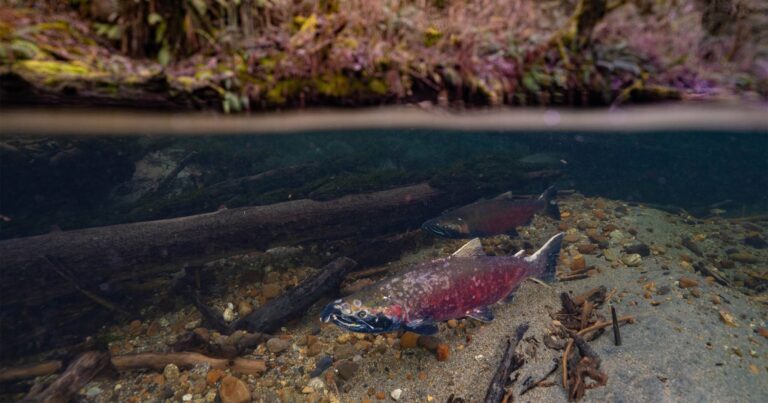
Canada’s draft Priorities Plan is open for public comment until midnight tonight. Take action now. For years it was a mystery – why were coho salmon dying in large numbers as they returned through urban areas on their way to spawn? The phenomenon, observed for decades, became known as “urban run-off mortality syndrome”. Painstaking research…
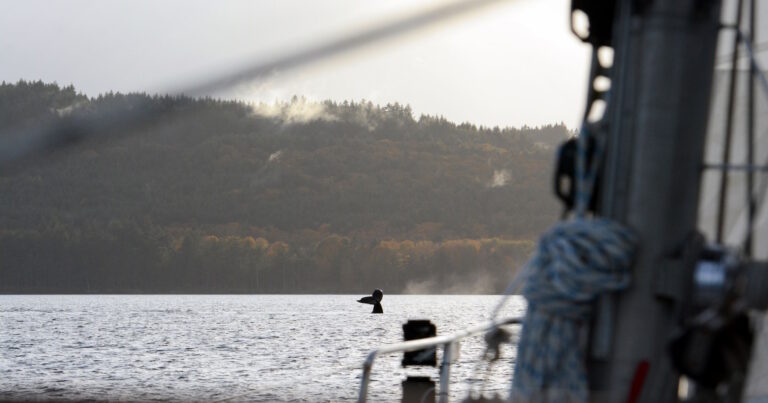
The Special Bird Service recently joined the Salish Sea Emerging Stewards program aboard Achiever.
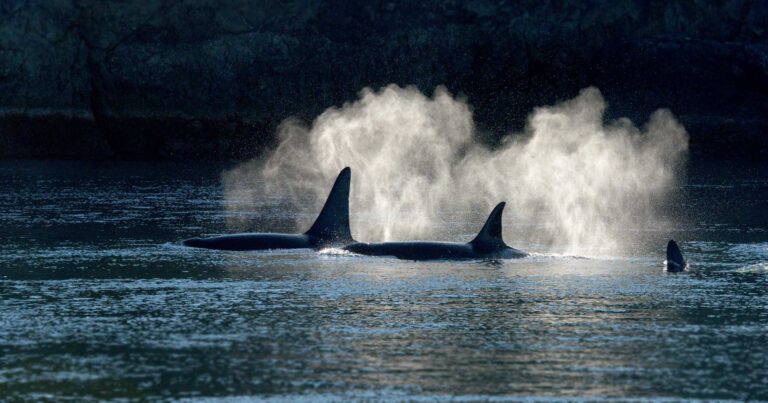
Hosting listening stations comes with trials and tribulations.

Keep conservation going: Easy ways to give during the Canada Post Strike.

Dr. Erin Wall is at the Perth conference on the Biology of Marine Mammals where she is singing the praise of humpback whale song.

Filled with warmth, camaraderie, and engaging conversations, the Ocean Awards was an inspiring celebration of science excellence and conservation achievement.
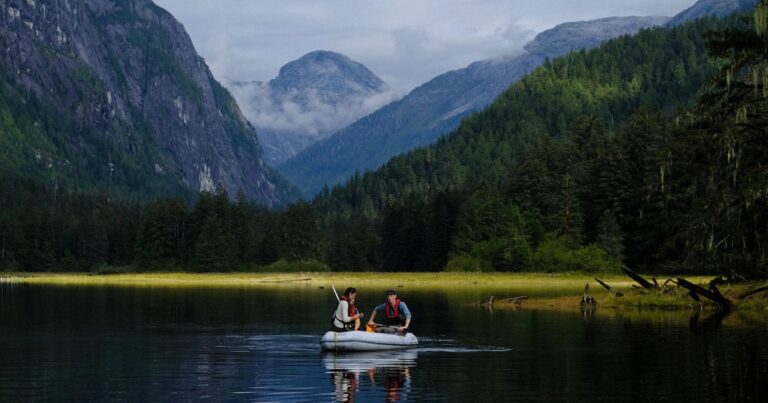
We know that old-growth forests provide many important services to coastal species, but when these environments are changed, how does the age, diversity, and structure of these forests influence wildlife communities? Over the past 14 months, a network of wildlife cameras in Heiltsuk Territory has been collecting images of coastal species so that managers and…