Rethinking fisheries
Raincoast has long argued that ocean fisheries removing “yields” of intercepted salmon on migration routes are not sustainable into the future.
We’re now establishing long term monitoring and sampling protocols, developing management plans, and carrying out active restoration.
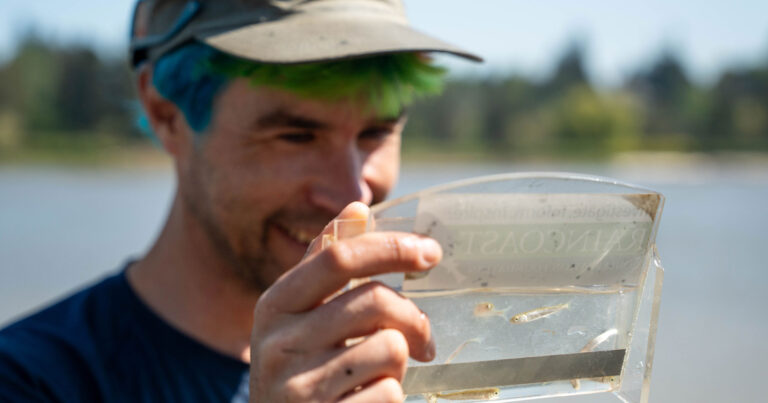
Raincoast is undertaking a multi-year initiative that began in 2016 to conduct research and restore habitat in the Fraser River Estuary.
Marked by a long history of persecution and astonishing resilience, wolves continue to be in the crosshairs of both the public and policymakers.
Applied science in its most productive form requires a commitment to acknowledging – and communicating – difficult realities.
Over two decades of scientific research reveals that microfibres are the predominant form of microplastics contaminating virtually all reaches of our planet.
Canoes, old-growth forests, and appreciating the cycle of life.
Highly intelligent, social, and sensitive, with sophisticated communication skills and strong family ties, these whales have an intrinsic right to live their lives.
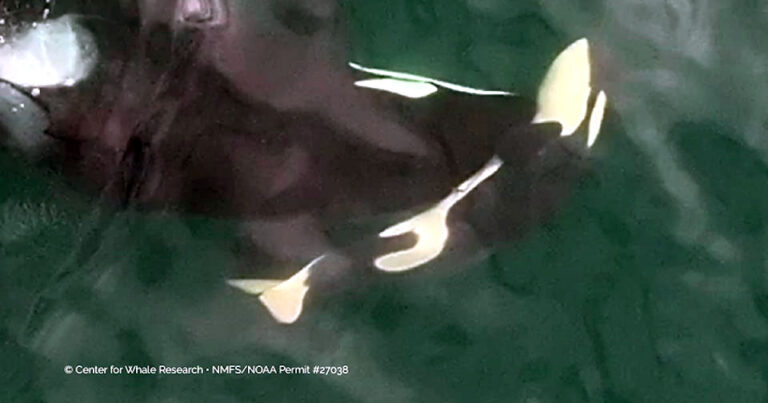
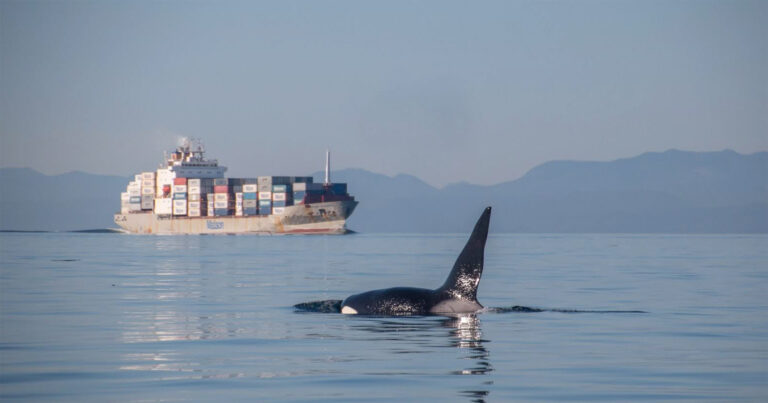
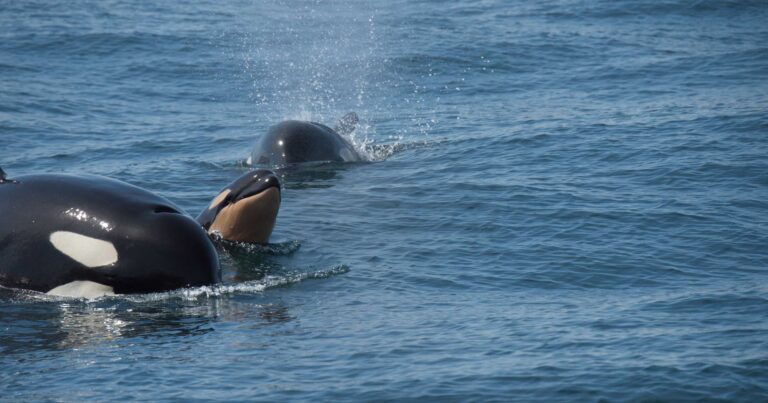
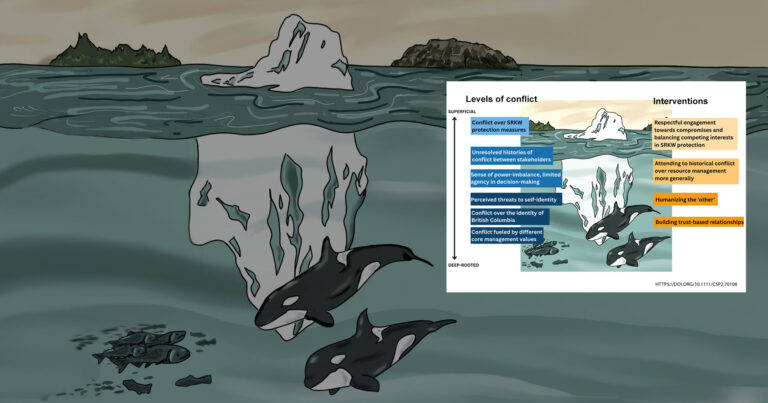
Raincoast has been working to implement adequate recovery measures for endangered Southern Resident killer whales for almost 20 years.
Raincoast’s youth program, Salish Sea Emerging Stewards, aims to educate, inspire, and empower the next generation of conservation leaders.
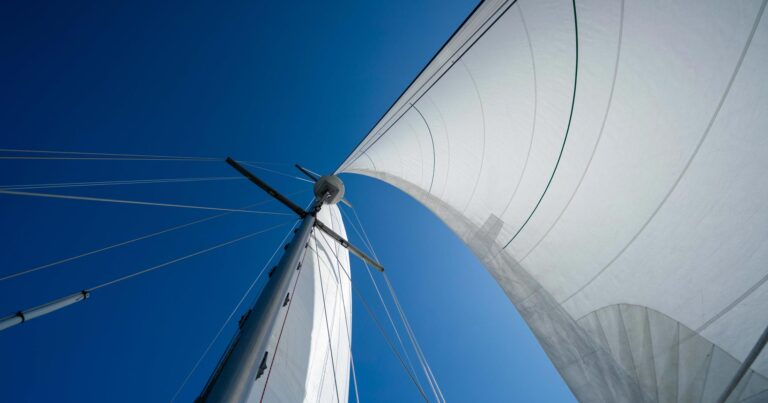
The goal is to reduce Achiever’s carbon emissions, significantly reduce the amount of underwater noise (from our engines), and become a leading example for other small ships working and traveling the coastal waters of BC.
We are launching our podcast Raincoast Radio in the new year, with our first series Of wolves and women.