Skip to content
Raincoast Conservation Foundation logo with bear and salmon icon.Raincoast Conservation Foundation icon.
  • What we doExpand
    • Living Economies
    • Wild Salmon
    • Healthy Waters
    • Wolf Conservation
    • Safeguard Coastal Carnivores
    • Cetacean Conservation
    • Forest Conservation
    • Youth Education
    • Research vessel
    • Southern Resident killer whales
  • ScienceExpand
    • Peer-reviewed publications
    • Reports and books
    • Mapping
    • Conservation Genetics Lab
    • Applied Conservation Science Lab
  • AboutExpand
    • Team
    • Raincoast Ocean Science Awards
    • Tracking Raincoast
    • FAQ
    • Events
    • Raincoast store
  • newsExpand
    • Latest
    • Videos
    • Raincoast Radio
    • Press releases
    • Media contacts
Donate
Raincoast Conservation Foundation logo with bear and salmon icon.Raincoast Conservation Foundation icon.
  • Films and videos | In the media

    Wild Salmon in Trouble

    2008 September 262024 July 8

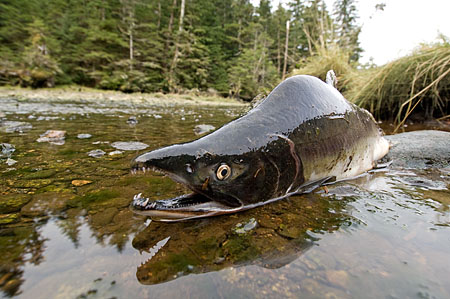
    Wild Salmon in Trouble Video – at the Watershed Watch site Watershed Watch produced the animation ‘Wild Salmon in Trouble’ to clarify why sea lice are a problem for wild salmon and to provide an overview of the salmon life cycle so the public can make informed decisions regarding the seafood they purchase.

    Read More Wild Salmon in TroubleContinue

  • Investigate and inform

    The Last Wild Wolves (2007)

    2008 September 182024 July 8

    The last wild Wolves: Ghosts of the Great Bear Rainforest (2007). By Ian McAllister and Raincoast’s Dr. Chris Darimont, with foreword by Raincoast’s Dr. Paul Paquet. Published by Greystone Books. 100% of Darimont and Paquet’s revenues were donated to the Qqs Society in support of science and cultural youth camps at Koeye.

    Read More The Last Wild Wolves (2007)Continue

  • Raincoast updates

    Write letters

    2008 September 172024 July 8

    Contacting provincial and federal elected officials, as well as members of the opposition and newspapers, is an effective and important way to communicate your thoughts on an issue.  Here are some key contacts. Provincial BC Premier Hon. Gordon Campbell (and MLA Vancouver-Point Grey)Mailing address: PO Box 9041 Stn Prov Govt  Victoria, BC  V8W 9E2Email: Gordon…

    Read More Write lettersContinue

  • Notes from the field

    Cetacean sightings with Des Kawai

    2008 September 162024 July 8

    Cetacean sightings with Des Kawai – printable version

    By Des Kawai
    Marine Mammal Biologist
    Grenville Channel, August 2008

    It was not a humpback whale. But if not, then what? We were in the middle of Grenville Channel, conducting our summer survey for marine mammals and birds. Usually, the large whales we see in…

    Read More Cetacean sightings with Des KawaiContinue

  • A wolf looks through the grass in BC
    In the media

    Wolves prefer seafood to steak

    2008 September 52024 July 8

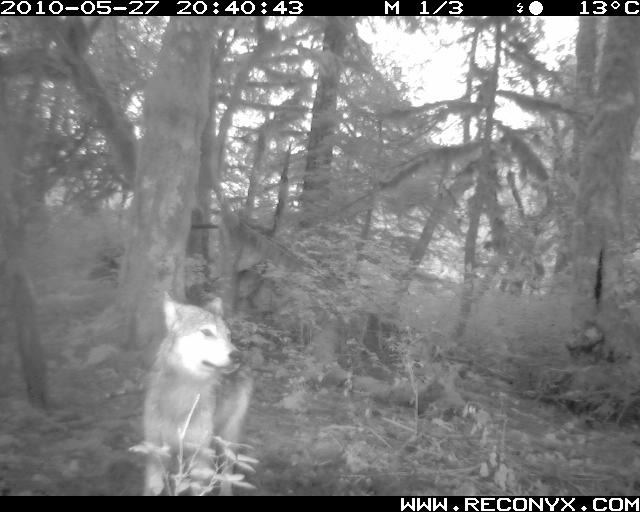
    In a remote neck of Canada’s backwoods the deer catch a break during the fall. That’s when the wolves go fishing. “Although most people imagine wolves chasing deer and other hoofed animals …

    Read More Wolves prefer seafood to steakContinue

  • A wolf stands
    In the media

    Wolves prefer fish over meat

    2008 September 22024 July 8

    Researchers found that the Timber wolf prefers salmon when it is available, although it has traditionally been viewed as a ferocious pack animal that hunts and kills deer. A team who looked at the feeding habits of wolves in a remote area of British Columbia in Canada found …

    Read More Wolves prefer fish over meatContinue

  • In the media

    Fearsome deer hunters? No, wolves would rather dine on a dainty fish dish

    2008 September 22024 July 8

    By Daily Mail Reporter September 2, 2008 Wolves have a reputation as fearsome meat-eating hunters, but given the choice they would rather have a tasty salmon, scientists have found. This is because a leisurely fishing trip is safer and less exhausting than chasing deer. Salmon also provides an excellent source of nutrition.

    Read More Fearsome deer hunters? No, wolves would rather dine on a dainty fish dishContinue

  • In the media

    Wolves would rather fish than hunt, biologists say

    2008 September 22024 July 8

    The Ottawa Citizen Vancouver Sun Tom Spears Tuesday, September 02, 2008 Wolves would rather fish than hunt, says a new Canadian study that found British Columbia wolves turn up their noses at deer when they can catch spawning salmon. Not only is fish great food, the B.C. biologists found, but it’s also safer for wolves,…

    Read More Wolves would rather fish than hunt, biologists sayContinue

  • salmon-eating wolves of the Pacific coast
    In the media

    Whose afraid of the big bad wolf? Salmon are

    2008 September 22024 July 8

    A four-year study of prey remains in wolf droppings and chemical analysis of shed hair shows the predators exclusively eating salmon when the fish was available …

    Read More Whose afraid of the big bad wolf? Salmon areContinue

  • In the media

    British Columbia wolves have taste for salmon, new study finds

    2008 September 22024 July 8

    Financial Post Canwest News Service Published: Tuesday, September 02, 2008 A team of biologists has discovered “Canada’s newest marine mammal” — the wolf. A new Canadian study of the feeding patterns of British Columbia wolf packs found that they would rather fish than hunt. The study found that wolves routinely turn up their noses at…

    Read More British Columbia wolves have taste for salmon, new study findsContinue

  • Dead animal in spawning stream
    In the media

    Venison’s fine, but wolves prefer salmon

    2008 September 22024 July 8

    Wolves are not quite the red-blooded hunters we thought they were. It appears they prefer to dine on a nice piece of salmon rather than …

    Read More Venison’s fine, but wolves prefer salmonContinue

  • Raincoast updates

    Oil Futures: We’re in for a whale of a time, one way or another

    2008 August 272024 July 8

    BY: CHRIS GENOVALI MONDAY MAGAZINE August 27, 2008 The International Union for Conservation of Nature (IUCN) recently released its 2008 list of threatened species of cetaceans (whales, dolphins and porpoises). While this news was reasonably encouraging for the global recovery of populations of humpback whales, these assessments have far-reaching impacts on their conservation management.

    Read More Oil Futures: We’re in for a whale of a time, one way or anotherContinue

Page navigation

Previous PagePrevious 1 … 175 176 177 178 179 … 188 Next PageNext

Registered Charity Number in Canada

#889643565 RR0001
More information

Facebook Twitter Instagram YouTube Vimeo Linkedin
  • About Raincoast
  • Events
  • Career
  • Volunteer
  • Privacy policy

.eco profile for raincoast.eco

  • Subscribe
  • Mail a cheque
  • Raincoast Ocean Science Awards
  • Contact Us
  • FAQ
  • Newsroom
  • Press releases
  • Press assets policy
  • Publications
  • Backgrounders
  • Conservation ethics
  • Photography ethics
  • Notes from the field
  • Scientific literature
  • Backgrounders

© 2026 Raincoast | W̱SÁNEĆ Territory
Site supported by Pink Sheep Media.

Scroll to top
Search
  • Raincoast Conservation Foundation
  • What we do
    • Wild Salmon Conservation
      • Managing Salmon for Wildlife
      • Climate
      • Fisheries Management
      • Trans Mountain Expansion
      • Policy and Governance
      • Habitat Restoration
      • Roberts Bank Terminal 2
    • Healthy Waters
      • Spill response
      • Plastic pollution
      • Mobile lab
    • Wolf Conservation
      • Protect wolves
      • Wolf Science
      • Coastal wolves
    • Safeguarding Coastal Carnivores
      • A 25 year history
      • GBR map
    • Forest Conservation
      • Land Trust
      • S,DÁYES Flycatcher Forest
      • KELÁ_EKE Kingfisher Forest
      • Big Tree Registry
      • Project TEACH
    • Cetacean Conservation
      • Cetacean Conservation Research
      • Beluga research
      • Whale Sanctuary Listening Station
      • Sunshine Coast Underwater Listening Station
    • Southern Resident killer whales
      • Ten years of work
      • Take action
    • Raincoast Education
      • Online education: Coastal Insights
      • Outdoor education
    • Achiever, research vessel
      • More about Marine Operations
      • Where are we?
      • Re-Power Achiever
  • Science
    • Publications
    • Reports and books
    • Mapping
    • Raincoast Lab
    • Genetics Lab
  • About Raincoast
    • Team members and staff
    • Tracking Raincoast
    • FAQ
    • Calendar of events
    • Raincoast Ocean Science Awards
  • News
    • Videos
    • Press releases
    • Media contacts
  • Donate
Facebook Twitter Instagram Linkedin
Search