

Maureen Vo, BSc
NoiseTracker Coordinator (Outreach and education)
Maureen has worn many hats since joining Raincoast in 2016. She initially joined as the Education Coordinator to pilot the Salish Sea Emerging Stewards Program and simultaneously continued to build capacity and develop programs for Raincoast through her role as Development Coordinator. Currently, she is now the NoiseTracker Coordinator and working to pilot a BC coast-wide collaborative initiative amongst underwater acoustic data gatherers to create an integrated and comprehensive map-based noise visualization system on a centralized platform that will help inform policy and management decisions to reduce underwater noise impacts on marine life.
Her multidisciplinary work and experiences have allowed her to truly understand and value the power of collaboration and weaving different knowledge systems together, which she applies to all her work.
Maureen completed an interdisciplinary master’s degree in marine biology and computer engineering from the University of Montreal. She is mostly found outdoors wandering through coastal forests and exploring the ocean and its inhabitants through boating, sailing, and now freediving.

Recent articles

Meet Suzie Hall, Raincoast’s new NoiseTracker Technician
Suzie Hall has joined our Cetacean Conservation Research team to…

We supported the US District Court decision to halt the Southeast Alaska troll fishery, but the US appeal court did not
Last week, Raincoast sent a letter in support of the…
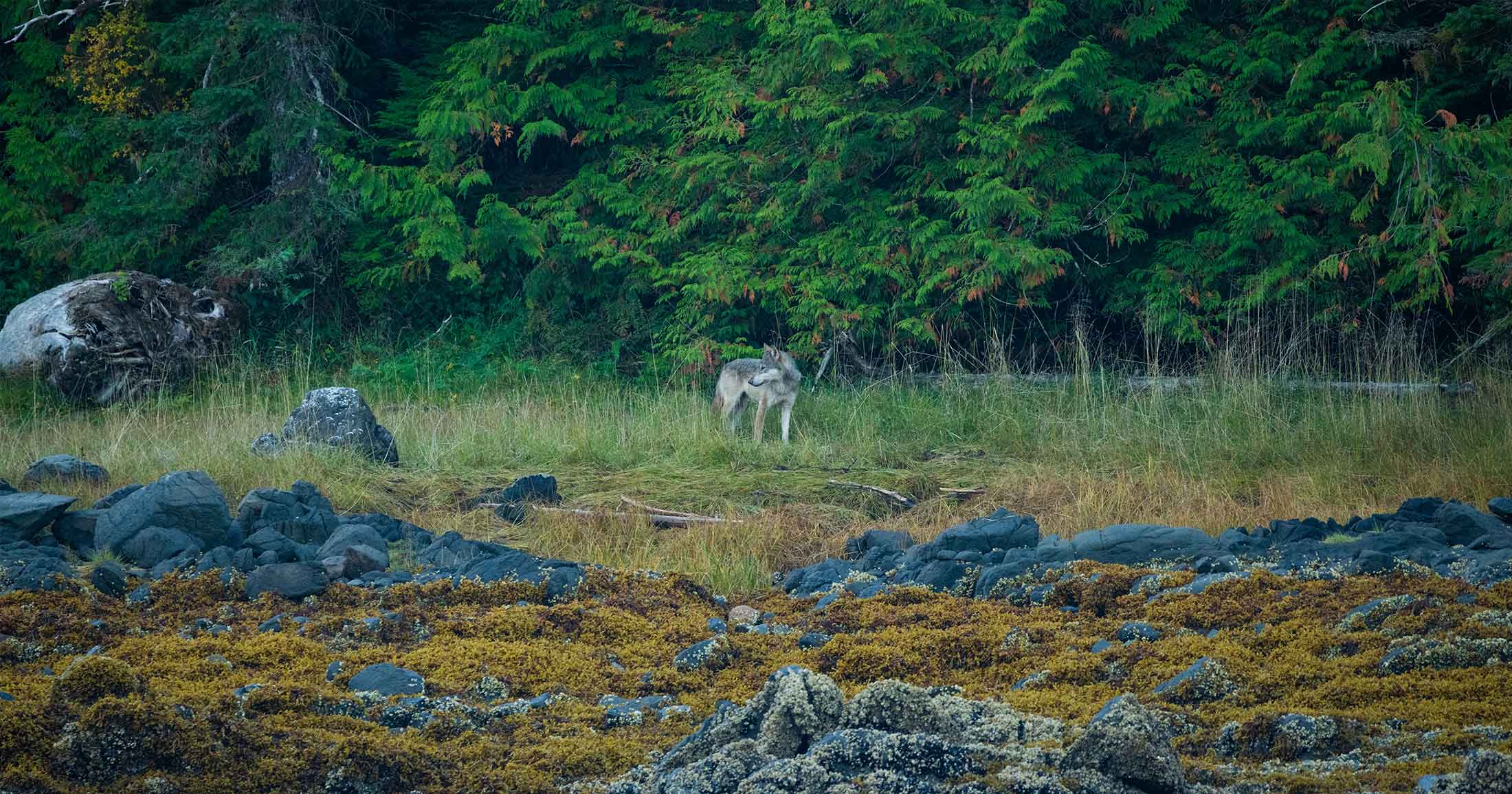
Wolf Stories: Reflections on science, ethics, and moral practice (Part 2)
Drs. Michael Paul Nelson, John A. Vucetich, and Joseph Bump…

We support the US District Court decision to halt the Southeast Alaska troll fishery
This letter was written by Raincoast Wild Salmon Program Director…

Join us on Pender Island to discuss culture, genes, conservation, and the future of Southern Resident killer whales
Join Raincoast scientists, Dr. Valeria Vergara, Misty MacDuffee and Dr.…

The inertia of broken paradigms
In fisheries management, each population has what’s called a “maximum…