

Marie-Ana Mikus
Cetacean Conservation Research Program Technician
Marie-Ana is a research technician for the Raincoast Cetacean Conservation Research program. She holds a MSc Degree in Animal behavior from the University of Rennes (France) where she studied small-clawed otter acoustic communication. She has extensive experience in behavioral and acoustic field data collection and acoustic analysis of animal sounds, particularly cetaceans. Since 2016, she has assisted with the collection and acoustic analysis of field recordings of beluga whales from Cunningham Inlet (Canadian High Arctic), the Churchill River Estuary and the St. Lawrence River Estuary, and has been involved on studies of killer whale acoustics and underwater noise impacts on cetaceans.
As a field technician, Marie-Ana is experienced with the deployment and troubleshooting of digital hydrophones, a competent small-boat handler, and a certified drone pilot.

Peer reviewed publications
Aubin, J. A., Mikus, M.-A., Michaud, R., Mennill, D., & Vergara, V. (2023). Fly with care: belugas show evasive responses to low altitude drone flights. Marine Mammal Science, 1– 22. https://doi.org/10.1111/mms.12997
Vergara, V., Wood, J., Lesage, V., Ames, A., Mikus, M.A. and Michaud, R., 2021. Can you hear me? Impacts of underwater noise on communication space of adult, sub-adult and calf contact calls of endangered St. Lawrence belugas (Delphinapterus leucas). Polar Research, 40, 5521. https://doi.org/10.33265/polar.v40.5521
Vergara, V. and Mikus, M.A., 2019. Contact call diversity in natural beluga entrapments in an Arctic estuary: Preliminary evidence of vocal signatures in wild belugas. Marine Mammal Science, 35(2), pp.434-465. https://doi.org/10.1111/mms.12538
Lemasson, A., Mikus, M.A., Blois-Heulin, C. and Lodé, T., 2014. Vocal repertoire, individual acoustic distinctiveness, and social networks in a group of captive Asian small-clawed otters (Aonyx cinerea). Journal of Mammalogy, 95(1), pp.128-139
Lemasson, A., Mikus, M.A., Blois-Heulin, C. and Lodé, T., 2013. Social partner discrimination based on sounds and scents in Asian small-clawed otters (Aonyx cinereus). Naturwissenschaften, 100(3), pp.275-279
Recent articles

New research: Determining the sex of whales via environmental DNA samples
Application of environmental DNA beyond species detection for cetaceans.
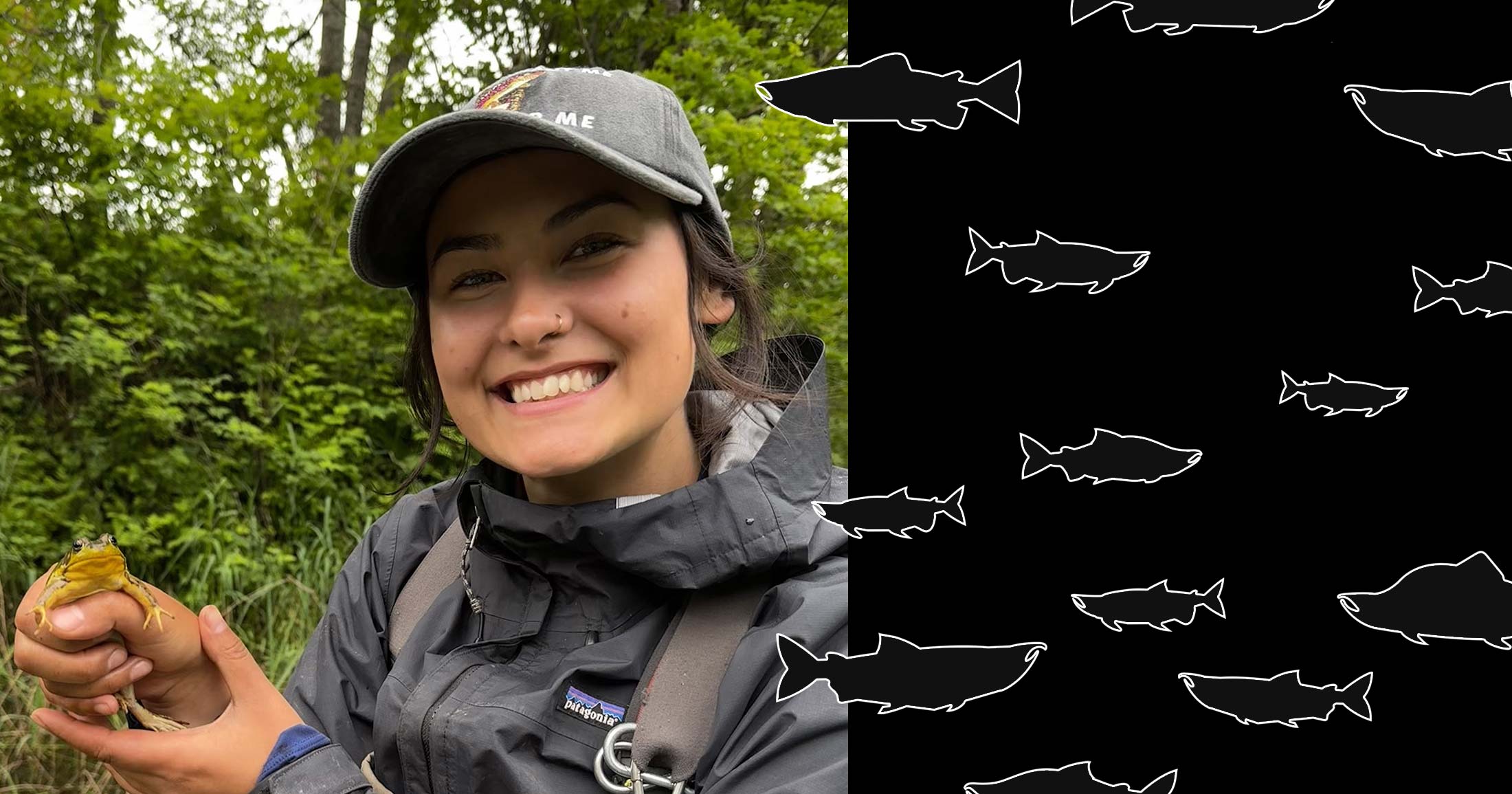
Episode 14: The journey upstream as a student with Arielle Koenig, Pacific Salmon Ecology and Conservation Lab
Questions and answers from a current master’s student, research and…
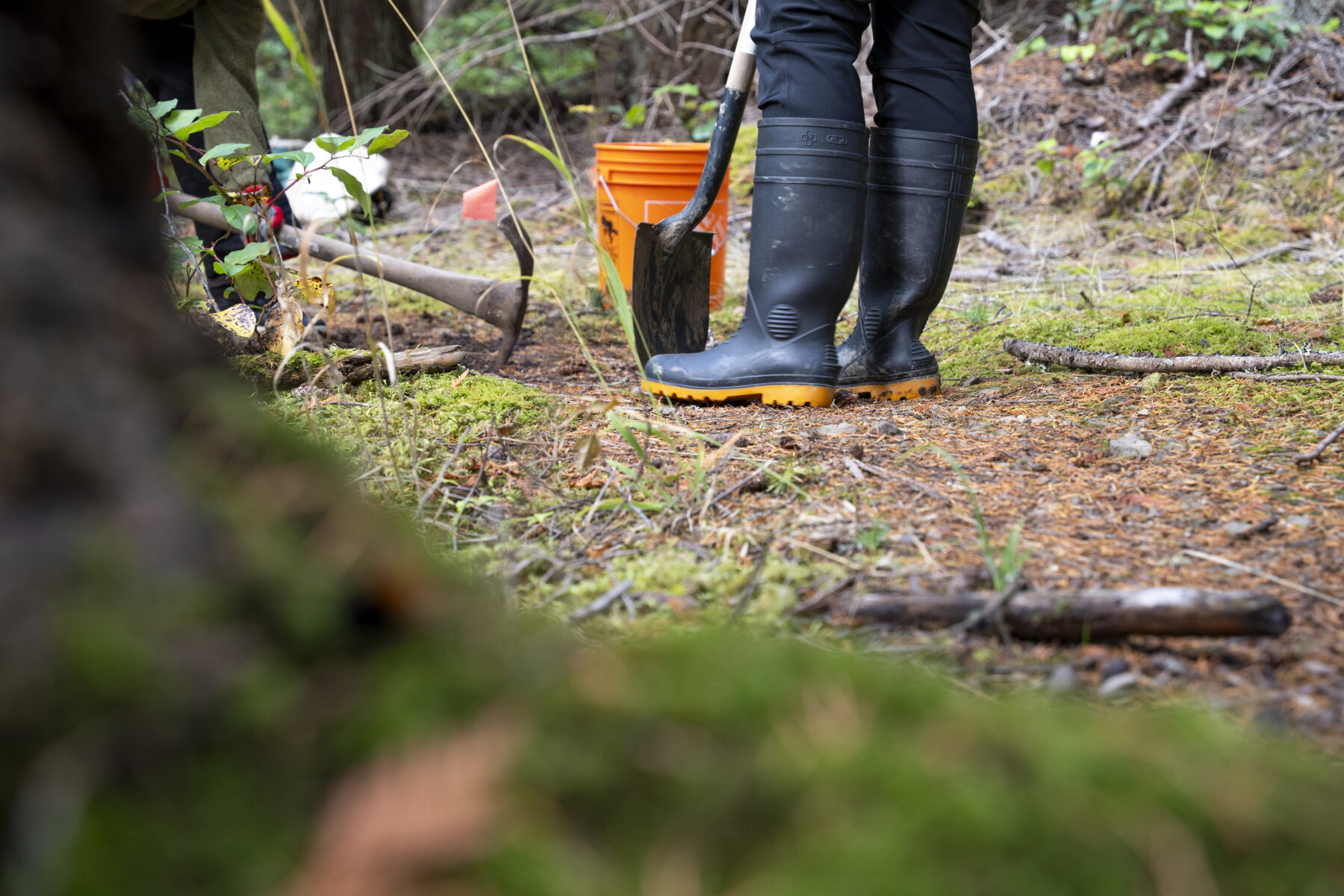
Engaging the next generation of land healing stewards
Immersed in the ecosystems of the Salish Sea, youth from…

Episode 13: Careers in conservation with Jason Hwang, Pacific Salmon Foundation
How to navigate the waters of the environmental job market.
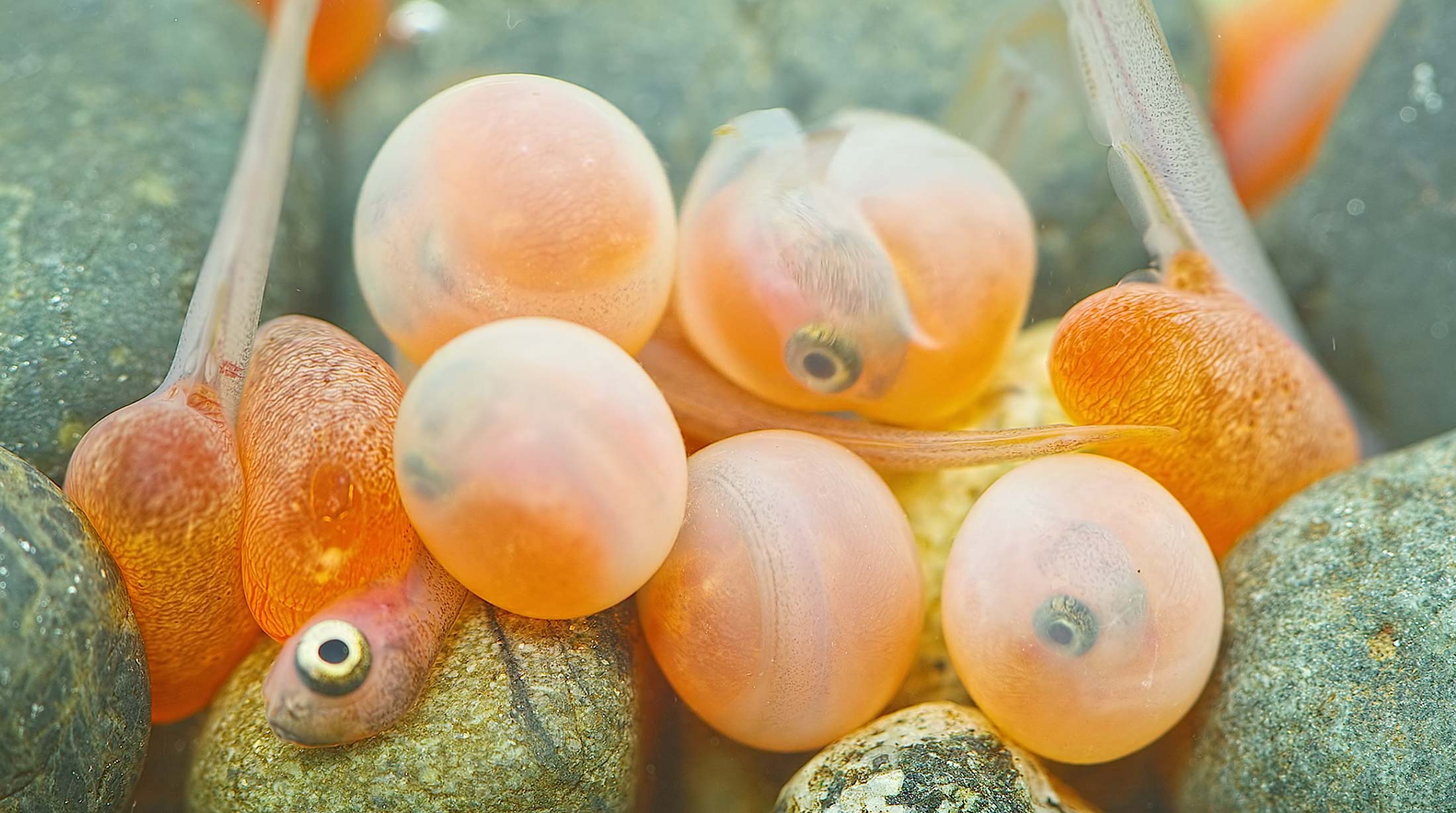
Shared Waters of the Salish Sea
The films and panel at the Vic Theatre in mid…
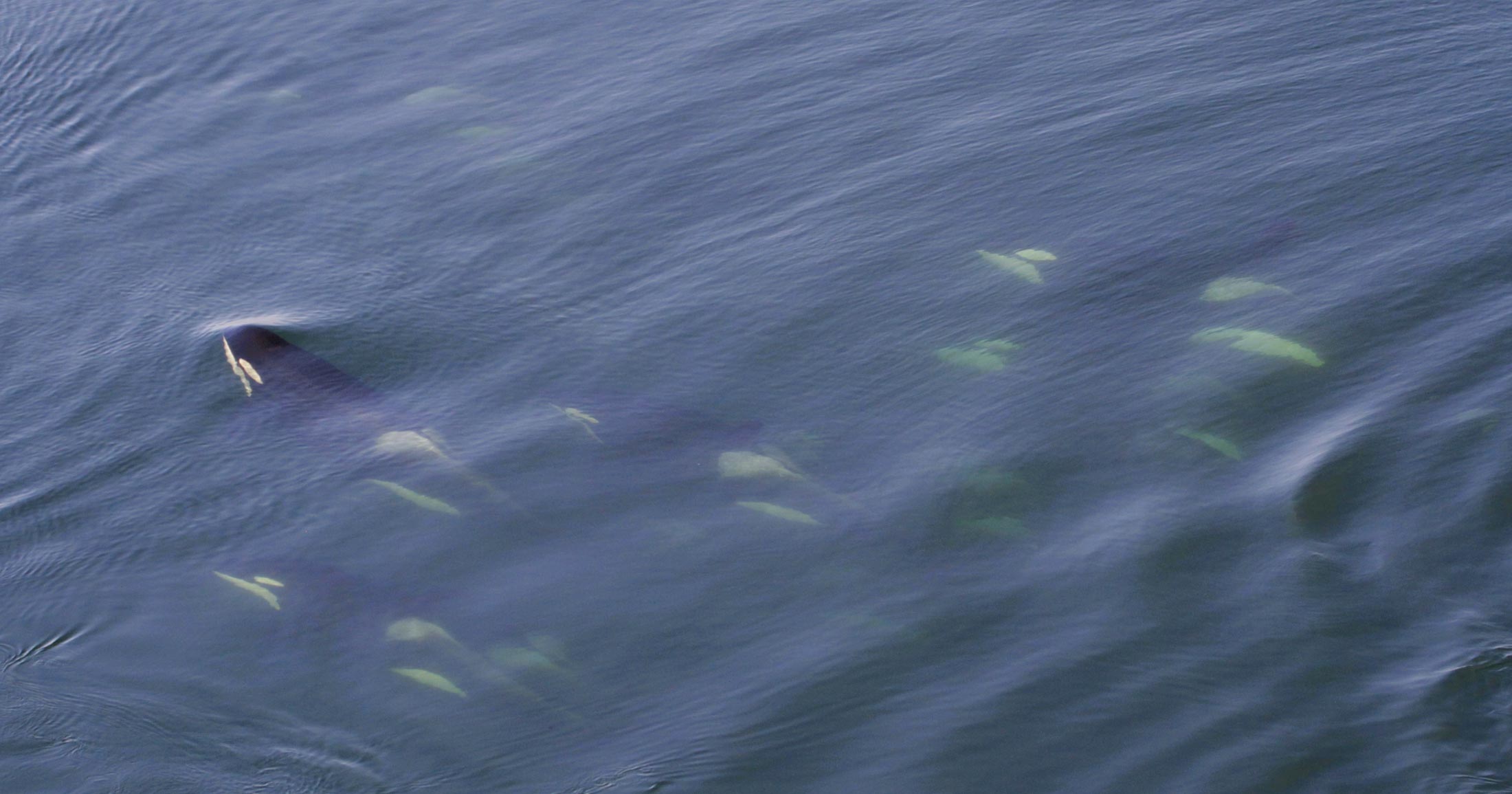
A window for survival: Act now to protect Chinook and save Southern Residents
A ‘’whale safe” window can help this endangered population.