

Drew Grav-Graham
Achiever Captain and Marine Operations Manager
Drew is the Marine Operations Manager at Raincoast. He captains Raincoast’s research vessel, Achiever, as well as meticulously plans all the trips the boat makes. Coming from a variety of work backgrounds, from tourism, advertising photography, large ship construction/repair, and remote field work, Drew brings his passion for adventure and environmental conservation together in his role overseeing crew and operations as our research vessel Achiever travels around the coast, engaging with first nations communities, researchers, and mariners.

Recent articles

Packs built for adventures!
Three styles, three options to support Raincoast.
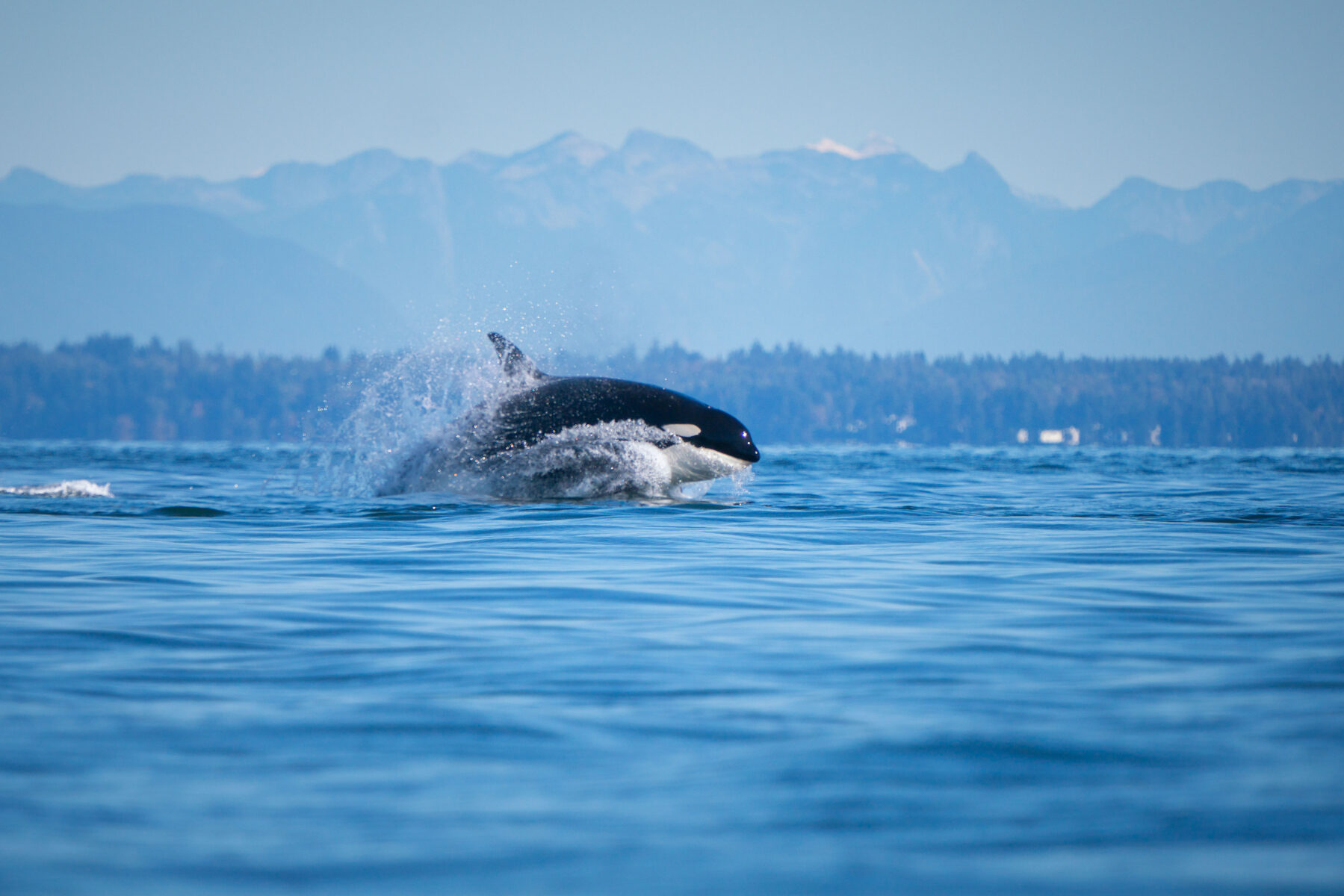
Listening to whales: A new lens on killer whale communication
Combining hydrophones, drones, and AI to study killer whale communication…
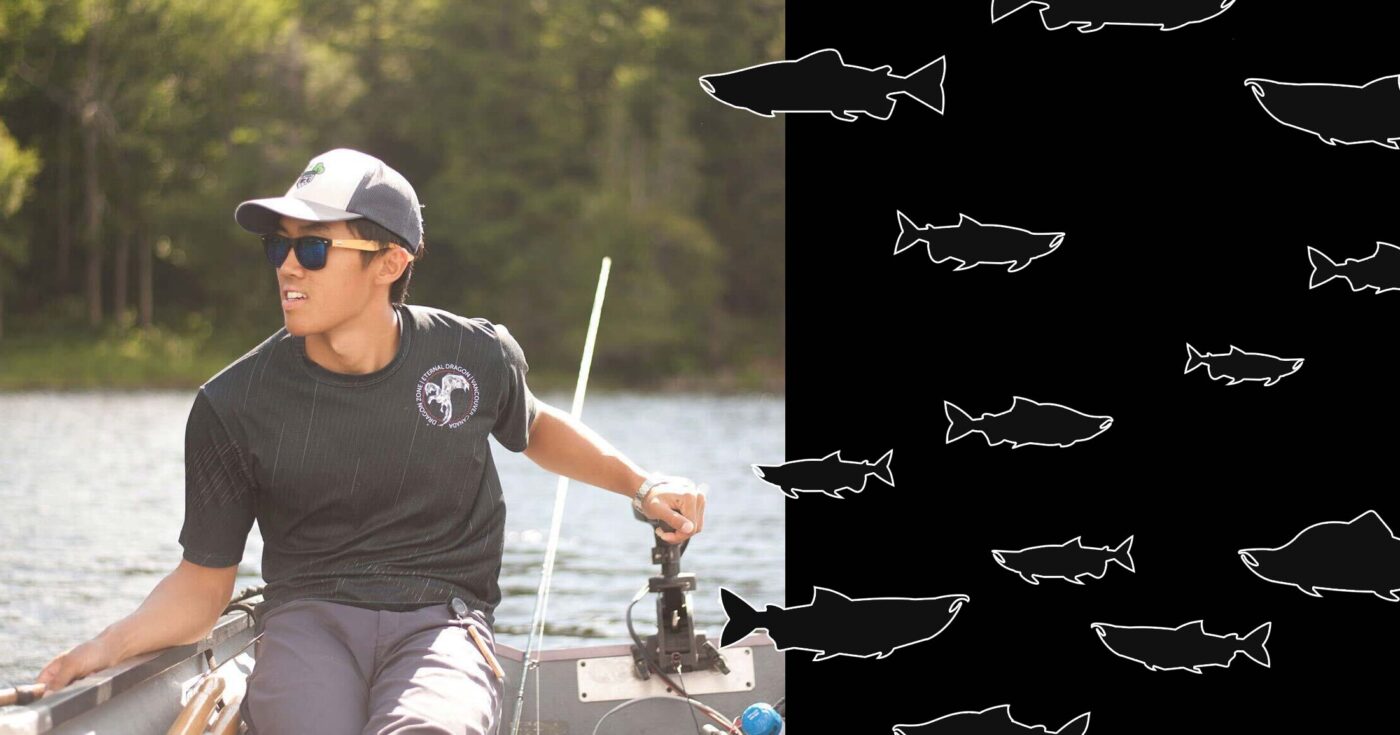
Episode 15: Drones, science communication, and changing roles with Auston Chhor
Spoiler alert: fish don’t like being out of water.
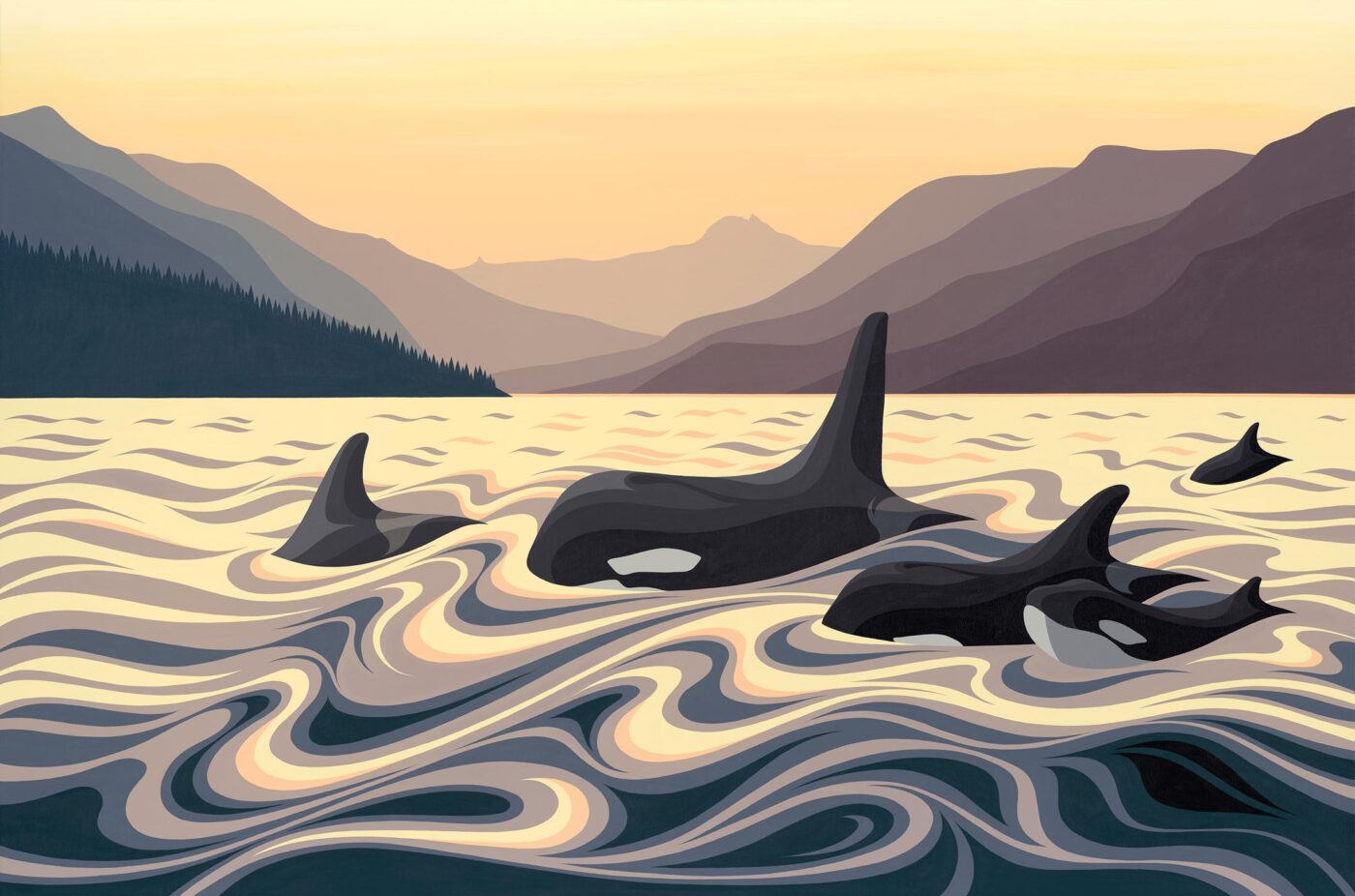
Bid, win, win again: our online auction is live!
You don’t have to be going to the Ocean Science…
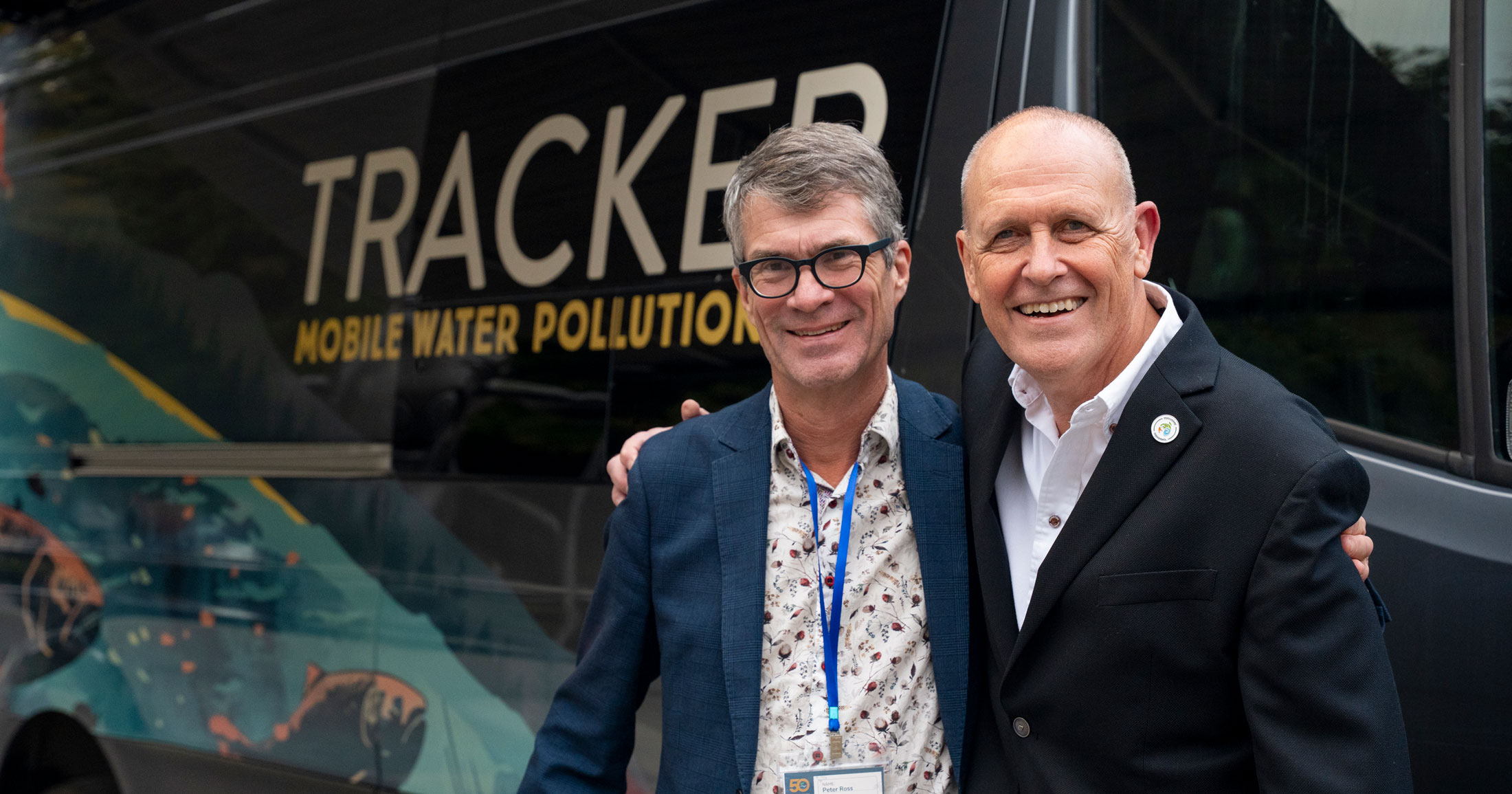
A conversation with Clint Wright, VP and Executive Director of the Vancouver Aquarium
Just over two weeks remain until Raincoast hosts the annual…

New research: Determining the sex of whales via environmental DNA samples
Application of environmental DNA beyond species detection for cetaceans.