

Chelsea Greer, MSc
Biologist and Wolf Conservation Program Director
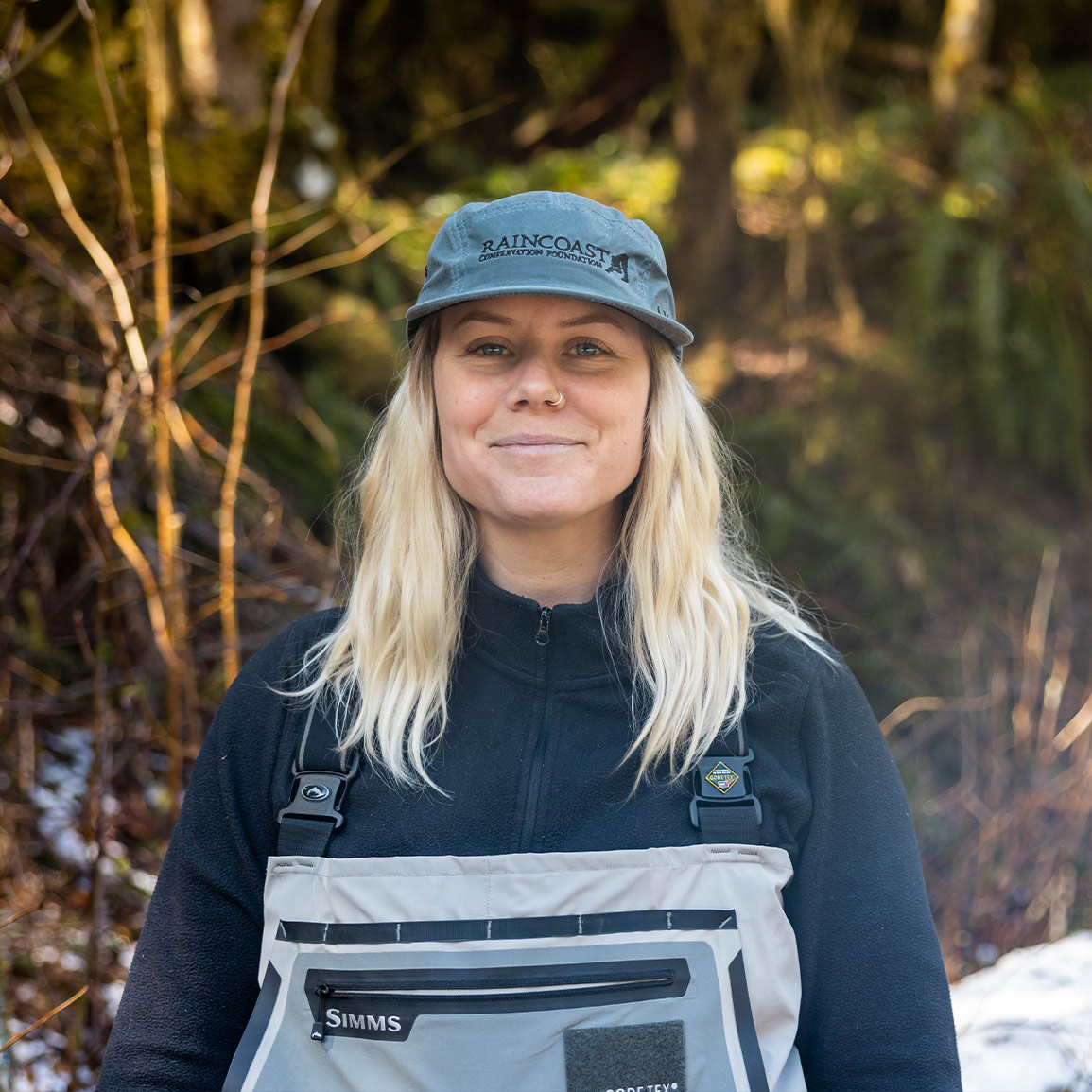
Chelsea (she/her) is the Director of the Wolf Conservation Program. The focus of her work is to support the protection and conservation of wolves in British Columbia through peer-reviewed research, public education, and wildlife management reform. This includes scientific and ethics-driven initiatives that are working toward the implementation of provincial policy that respects the welfare of wolves and their important role in functioning ecosystems.
Chelsea is particularly interested in the welfare concerns that arise from the lethal management of predators and is an advocate for animal welfare in scientific research. Her research interests also include better understanding predator-prey dynamics in salmon-bearing watersheds and the role wolves play in biodiversity conservation and ecosystem resilience.
Chelsea completed her master’s degree in Geography at the University of Calgary where she studied the behavioural ecology of rewilded Asian elephants in northern Thailand. Her graduate research used a compassionate model of conservation to investigate the rehabilitative and ecological requisites of elephants transitioning from captive to free-living settings. Chelsea also holds a bachelor’s degree from the University of British Columbia where she majored in Applied Animal Biology. It was during this degree that she developed a keen interest in animal ethics and how animal welfare science applies to free living wild populations.
Born and raised in British Columbia, Chelsea enjoys spending her free time hiking the local mountains and scuba diving in the cold waters of the Salish Sea. She has volunteered at various local environmental and animal advocacy groups including the SPCA, Fur-Bearers, Society for Humane Science and Vancouver Aquarium’s Marine Mammal Rescue Center.
Popular articles
Greer C., Walters K.E.. 2022. Landslides, clearcuts, and camera traps: surveilling wolves on an industrial landscape. Raincoast Conservation Foundation. https://www.raincoast.org/2022/06/landslides-clearcuts-and-camera-traps-surveilling-wolves-on-an-industrial-landscape/
Greer C., Genovali, C. 2021. The cull of the wild: management for industry, not wolves. Times Colonist Victoria. https://www.raincoast.org/2022/06/the-cull-of-the-wild-management-for-industry-not-wolves/
Greer C., Walters K.E. 2021. Scat, tracks, and spawning salmon: following signs of wolves along the south coast. Raincoast Conservation Foundation. https://www.raincoast.org/2021/10/scat-tracks-and-spawning-salmon-following-signs-of-wolves-along-the-south-coast/
Recent articles

Why Canada needs to codify Bill C-48, the Oil Tanker Moratorium Act
Misty MacDuffee travelled to Ottawa last week to give testimony…
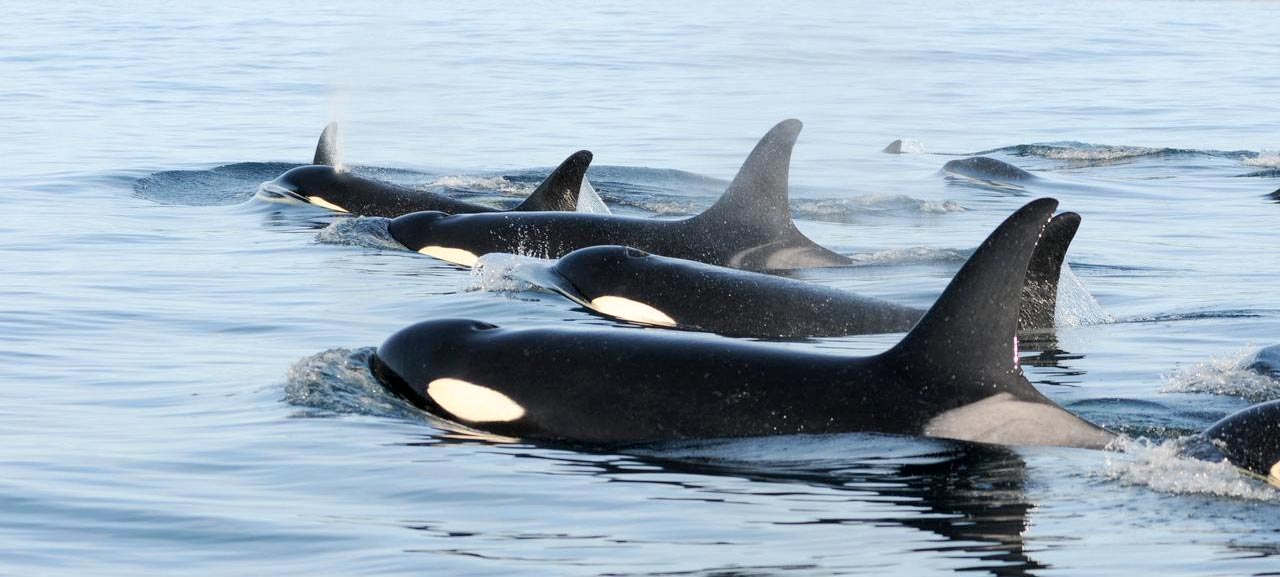
New research indicates increasing Chinook salmon abundance and reducing disturbance is essential for Southern Resident killer whale recovery
Our new study shows a 25% chance that these iconic…

Research: Evaluating anthropogenic threats to endangered killer whales to inform effective recovery plans
The endangered Southern Resident killer whales (SRKWs) that inhabit the…

Weddings, animal welfare, conservation policy and…marriage
There is widespread agreement that the commercial and recreational hunting…
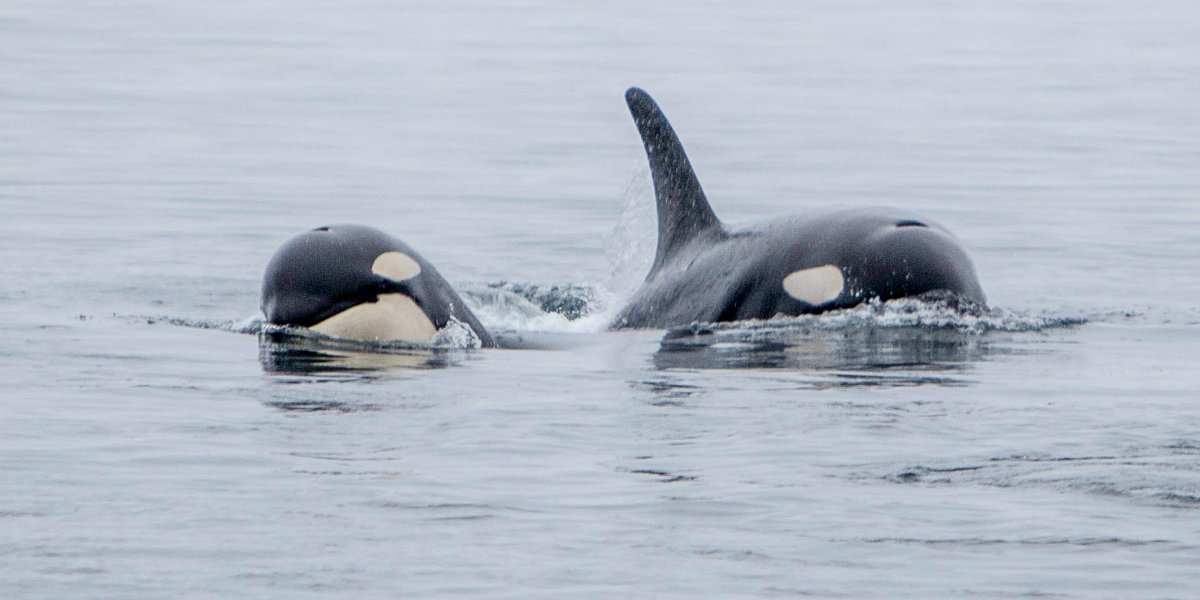
Action for killer whales cannot be delayed
The Salish Sea’s Southern Resident killer whale population is one…

At Sea: the Secret Lives of Marine Birds
Join Killam Postdoctoral Fellow and Raincoast Scientist, Dr. Caroline Fox…