

Chavon Robertshaw, DipTech
Program Coordinator, Wildlife Technician
As Program Coordinator and a Wildlife Technician working with the Wolf Conservation team, Chavon studies how large carnivores, such as wolves, are recovering in wild landscapes on the South Coast of BC, and how science, paired with Indigenous knowledge, can support their protection. This research involves building relationships and collaborating with Indigenous partners, surveying large carnivores using wildlife camera traps and acoustic recorders, collecting samples for genetic analysis, and managing and analyzing a vast and growing data set.
Chavon graduated from the British Columbia Institute of Technology with a Diploma of Technology in Applied & Natural Sciences. During her time in the two-year Fish, Wildlife, and Recreation program, Chavon gained extensive scientific knowledge and hands-on training across a broad range of disciplines, including carrying out mark-recapture surveys on Pacific salmon and conducting a year-long wildlife camera project to study the potential responses of large mammals to forestry harvesting treatments and successional stages. Her practical experiences have not only honed her expertise but also instilled in her a deep passion for protecting wildlife, their habitats, and biodiversity as a whole. In her free time, she loves to hike, paint, read, and do any outdoor activity that comes her way.

Recent articles
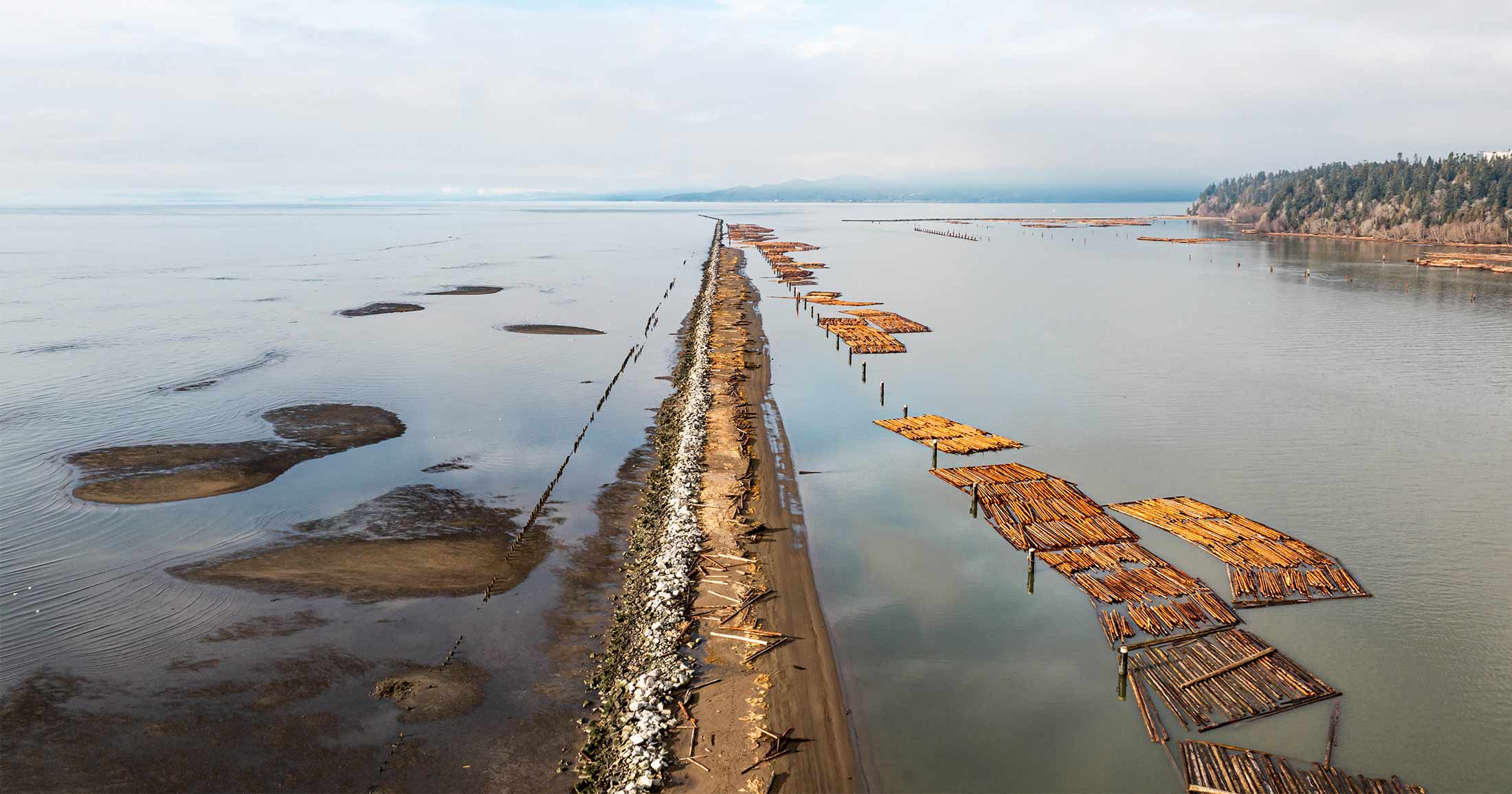
Another jetty, another breach project
The project we are undertaking is to create a breach…

Raising calves in beluga society
Exploring why belugas care for each other’s offspring.
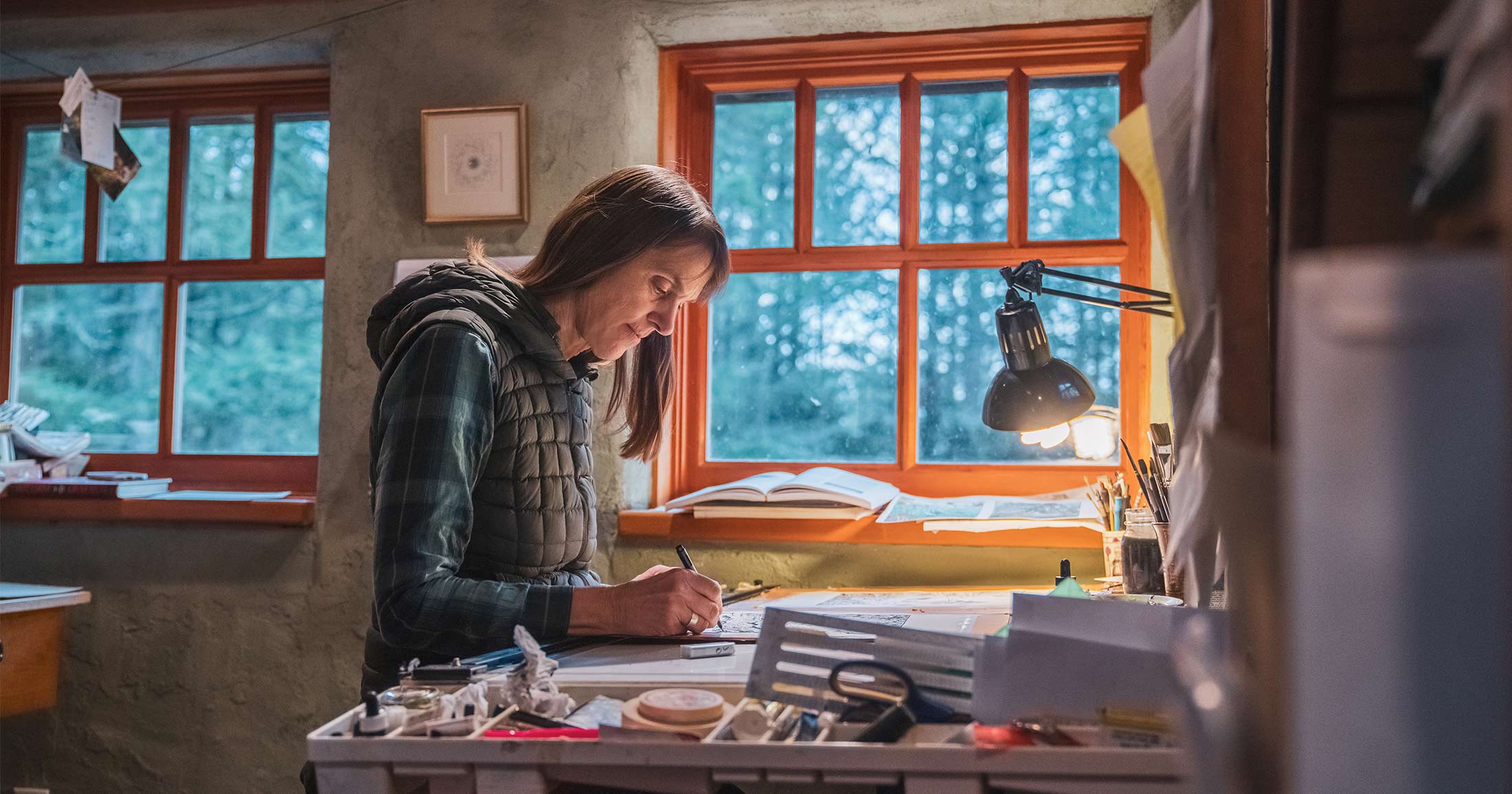
The story of Coastal Douglas-fir forests: Stewarding the small things
Briony Penn is well known in BC for her tireless…

Update on KELÁ_EKE Kingfisher Forest
With the ongoing support of our community of supporters, protecting…
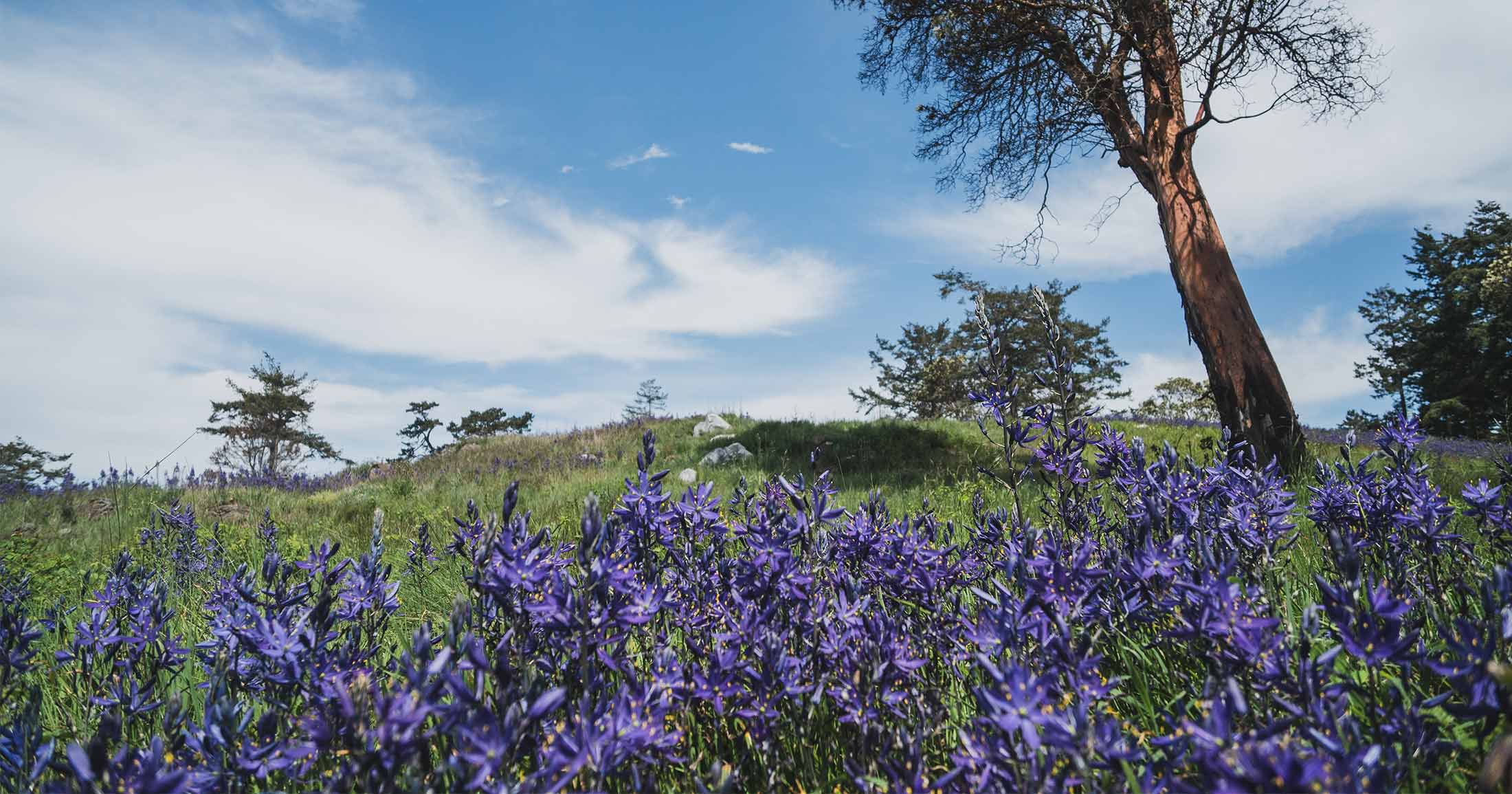
The story of Coastal Douglas-fir forests: Some of the most rare and diverse plant communities in Canada
Coastal Douglas-fir forests and associated ecosystems exist at the interface…

You cannot ‘offset’ extinction
Globally, only 15.5% of the world’s coastal regions remain ecologically…