

Chavon Robertshaw, DipTech
Program Coordinator, Wildlife Technician
As Program Coordinator and a Wildlife Technician working with the Wolf Conservation team, Chavon studies how large carnivores, such as wolves, are recovering in wild landscapes on the South Coast of BC, and how science, paired with Indigenous knowledge, can support their protection. This research involves building relationships and collaborating with Indigenous partners, surveying large carnivores using wildlife camera traps and acoustic recorders, collecting samples for genetic analysis, and managing and analyzing a vast and growing data set.
Chavon graduated from the British Columbia Institute of Technology with a Diploma of Technology in Applied & Natural Sciences. During her time in the two-year Fish, Wildlife, and Recreation program, Chavon gained extensive scientific knowledge and hands-on training across a broad range of disciplines, including carrying out mark-recapture surveys on Pacific salmon and conducting a year-long wildlife camera project to study the potential responses of large mammals to forestry harvesting treatments and successional stages. Her practical experiences have not only honed her expertise but also instilled in her a deep passion for protecting wildlife, their habitats, and biodiversity as a whole. In her free time, she loves to hike, paint, read, and do any outdoor activity that comes her way.

Recent articles
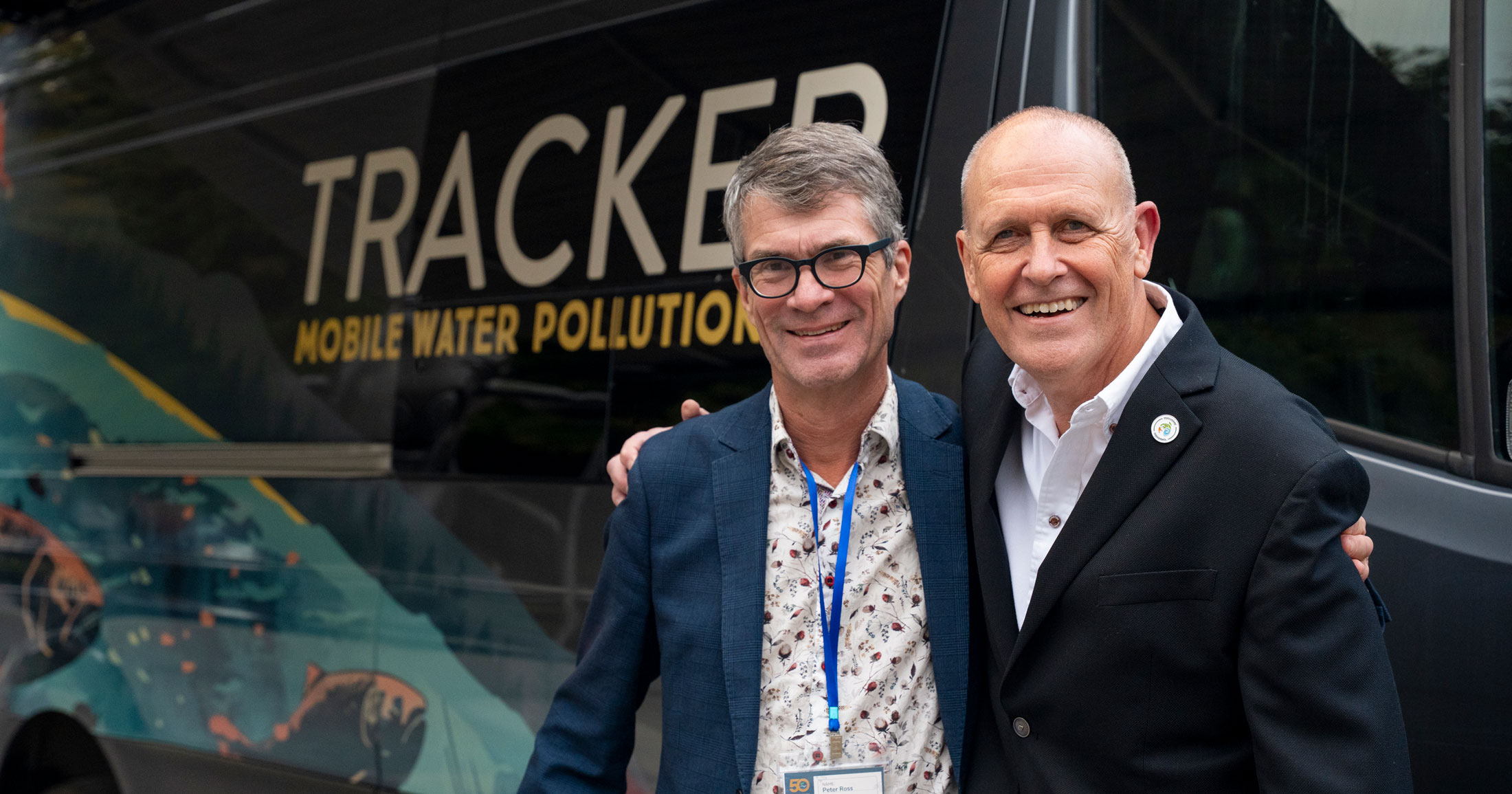
A conversation with Clint Wright, VP and Executive Director of the Vancouver Aquarium
Just over two weeks remain until Raincoast hosts the annual…

New research: Determining the sex of whales via environmental DNA samples
Application of environmental DNA beyond species detection for cetaceans.
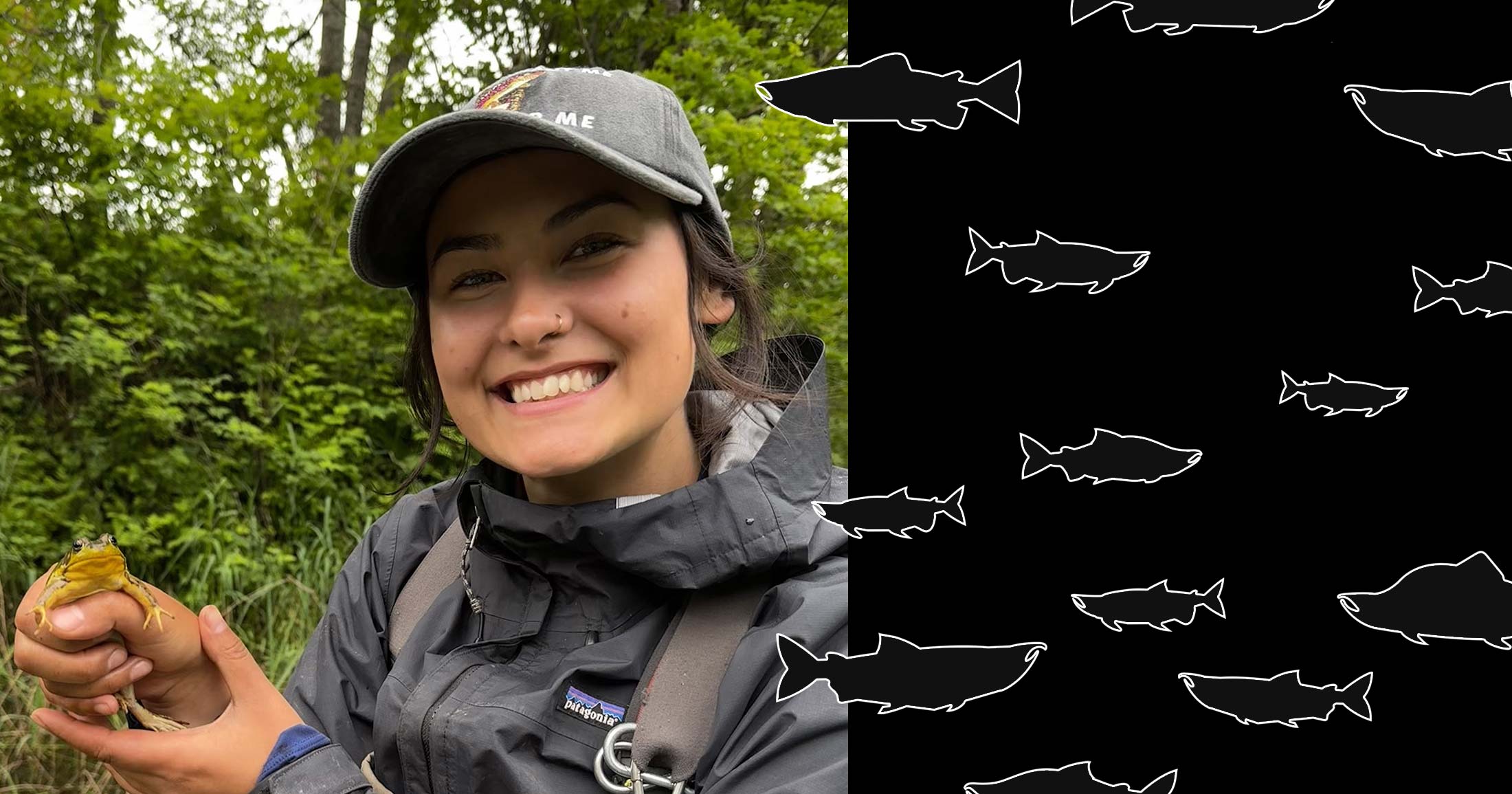
Episode 14: The journey upstream as a student with Arielle Koenig, Pacific Salmon Ecology and Conservation Lab
Questions and answers from a current master’s student, research and…
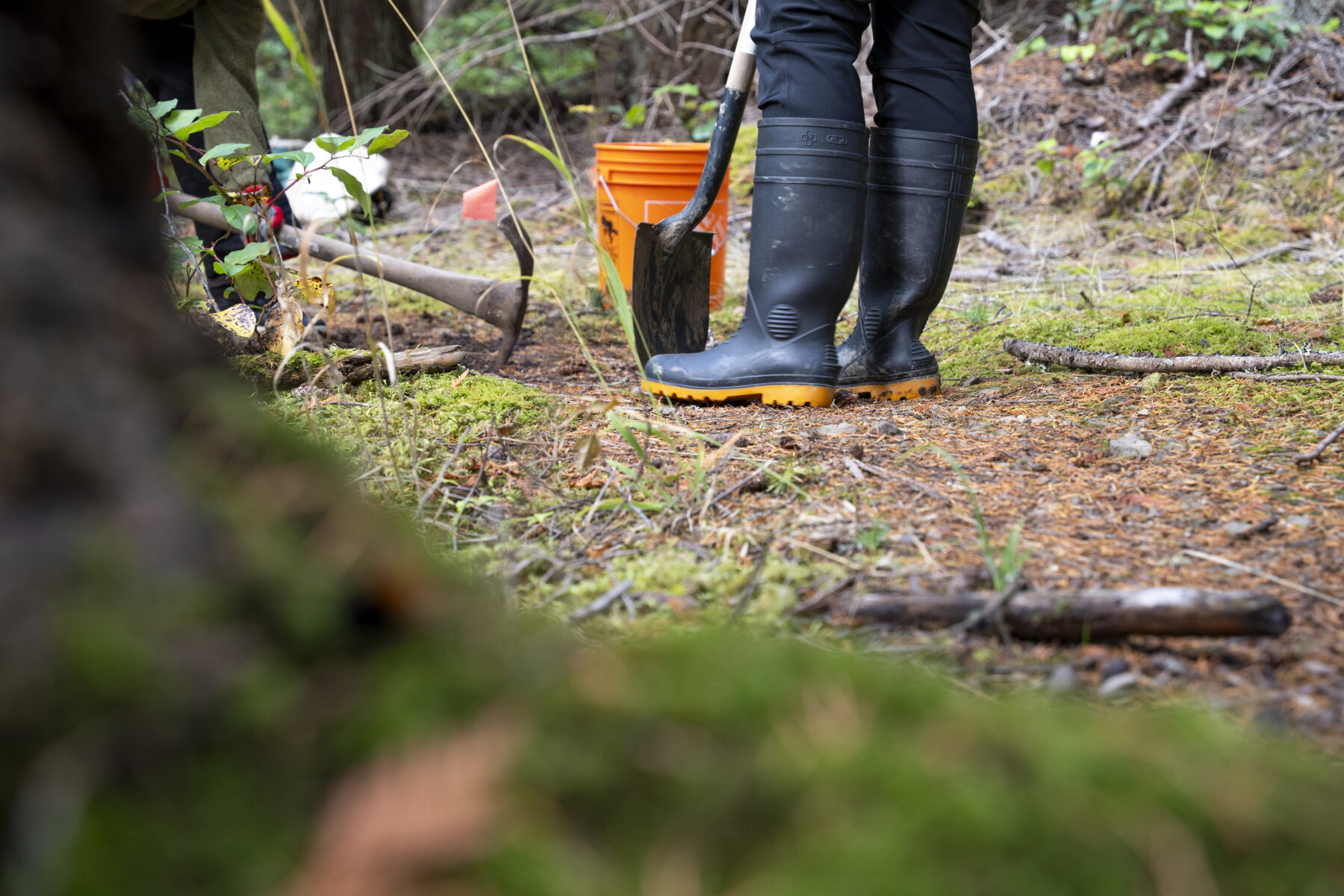
Engaging the next generation of land healing stewards
Immersed in the ecosystems of the Salish Sea, youth from…
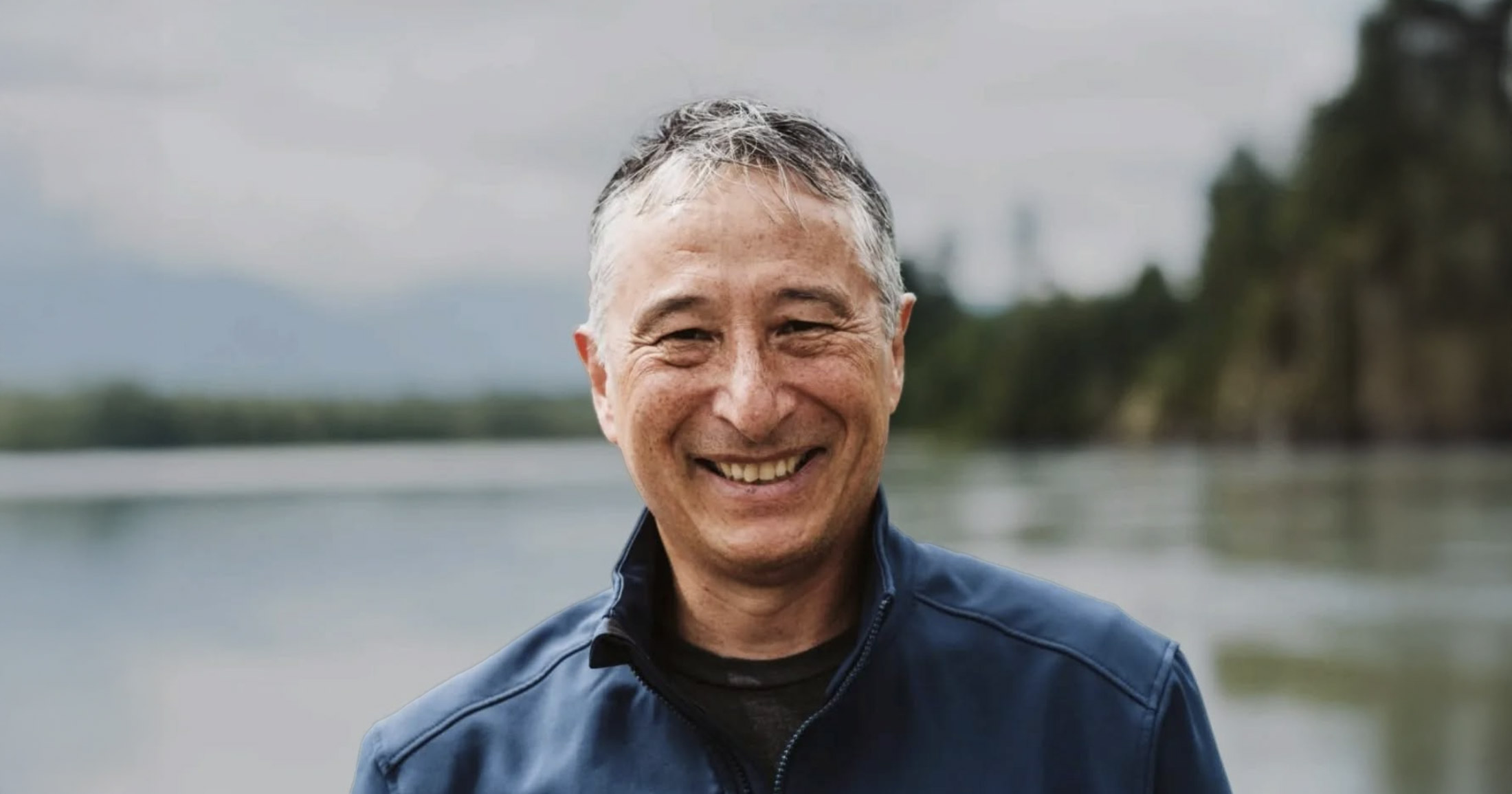
Episode 13: Careers in conservation with Jason Hwang, Pacific Salmon Foundation
How to navigate the waters of the environmental job market.
Shared Waters of the Salish Sea
The films and panel at the Vic Theatre in mid…