

Chavon Robertshaw, DipTech
Program Coordinator, Wildlife Technician
As Program Coordinator and a Wildlife Technician working with the Wolf Conservation team, Chavon studies how large carnivores, such as wolves, are recovering in wild landscapes on the South Coast of BC, and how science, paired with Indigenous knowledge, can support their protection. This research involves building relationships and collaborating with Indigenous partners, surveying large carnivores using wildlife camera traps and acoustic recorders, collecting samples for genetic analysis, and managing and analyzing a vast and growing data set.
Chavon graduated from the British Columbia Institute of Technology with a Diploma of Technology in Applied & Natural Sciences. During her time in the two-year Fish, Wildlife, and Recreation program, Chavon gained extensive scientific knowledge and hands-on training across a broad range of disciplines, including carrying out mark-recapture surveys on Pacific salmon and conducting a year-long wildlife camera project to study the potential responses of large mammals to forestry harvesting treatments and successional stages. Her practical experiences have not only honed her expertise but also instilled in her a deep passion for protecting wildlife, their habitats, and biodiversity as a whole. In her free time, she loves to hike, paint, read, and do any outdoor activity that comes her way.

Recent articles

Feds’ fisheries announcement a welcome first step: groups renew call for killer whale emergency order
Conservation groups applaud today’s federal announcement that endangered Southern Resident…

Pacific herring spawn events influence nearshore subtidal and intertidal species
Although we know that herring play a pivotal ecological role…
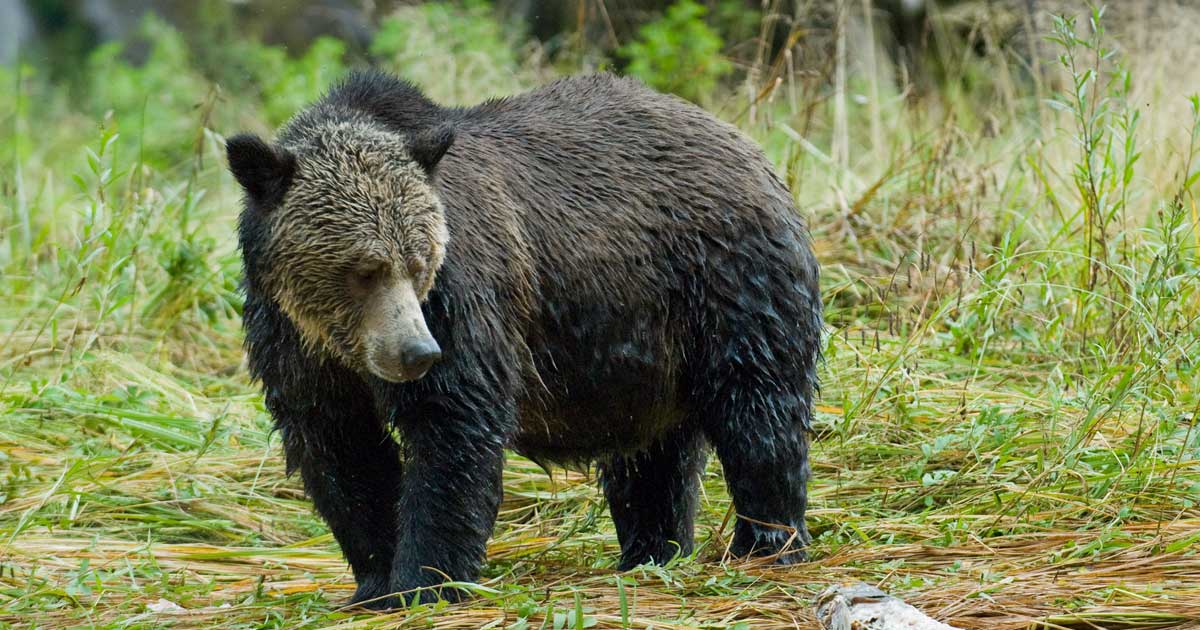
Confronting the elephant (head) in the room – researchers challenge the conservation community on the ethics of trophy hunting
Writing in the scientific journal, Conservation Letters, an international team…
Conservation Letters: The elephant (head) in the room: A critical look at trophy hunting
Writing in the scientific journal, Conservation Letters, an international team…
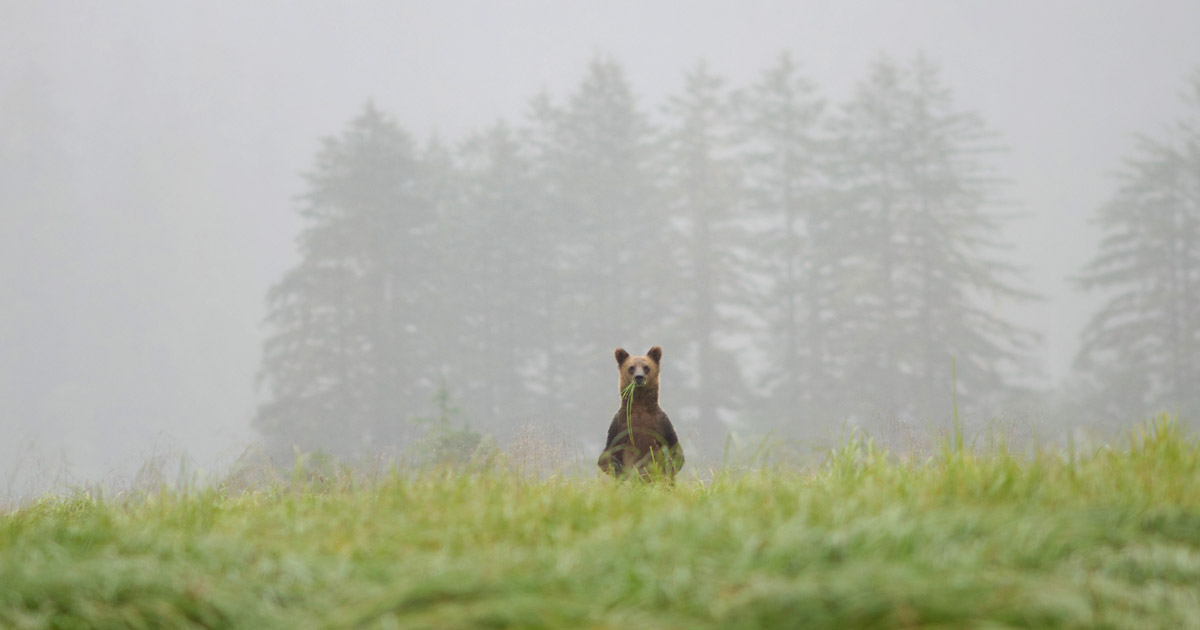
On the hunt for science in ‘science-based’ hunts
For years, British Columbia’s wildlife management practices, especially its wolf…
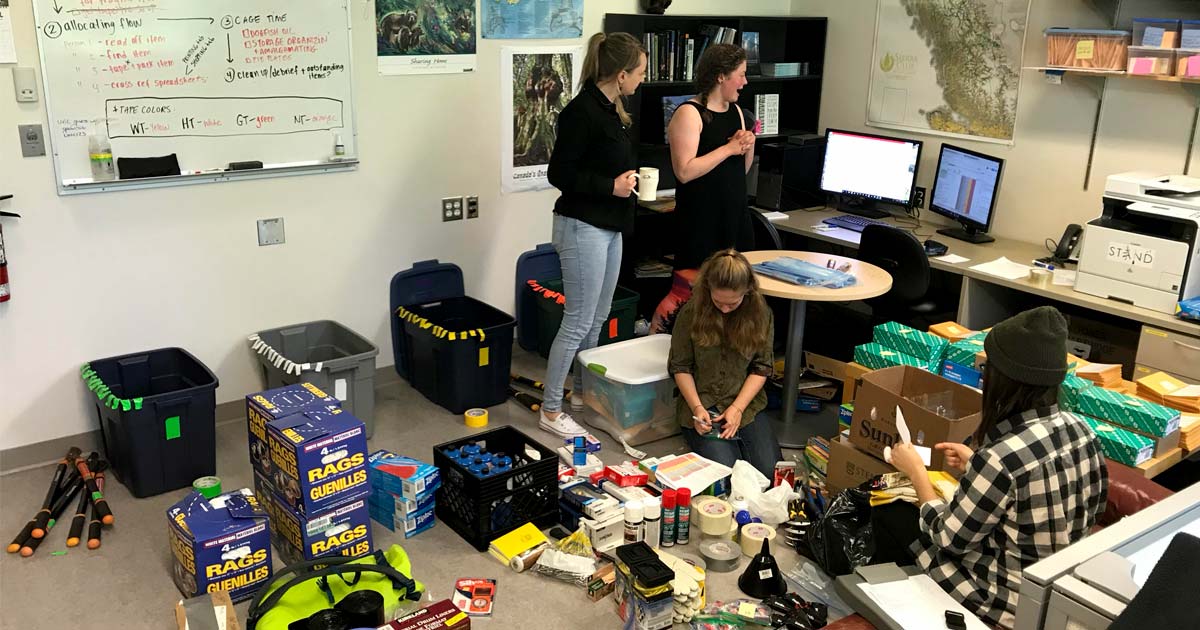
Notes from the (pre) field: “Caution – bear research in progress”
With spring comes organized chaos as graduate students and research…