How Canada can protect B.C.’s iconic killer whales without busting the budget
Three no-cost steps would advance the recovery of Southern Resident killer whales and show that environmental protection and fiscal restraint can go hand-in-hand.


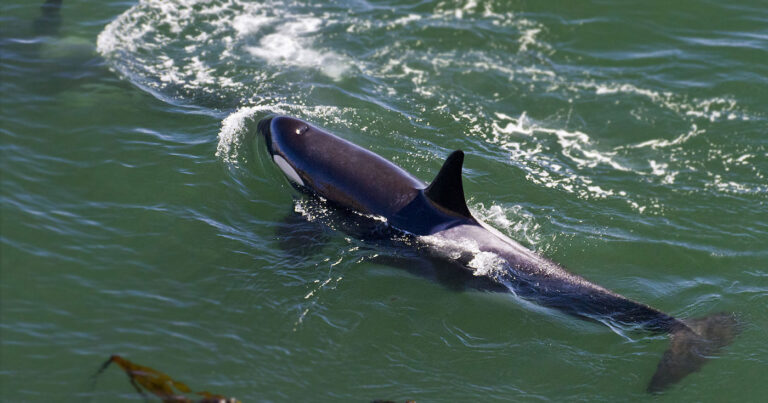
Three no-cost steps would advance the recovery of Southern Resident killer whales and show that environmental protection and fiscal restraint can go hand-in-hand.
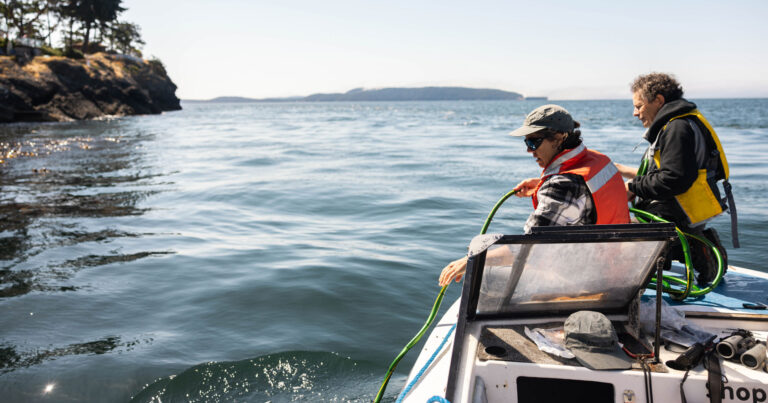
Let’s talk about our hydrophone stations and how you can help.
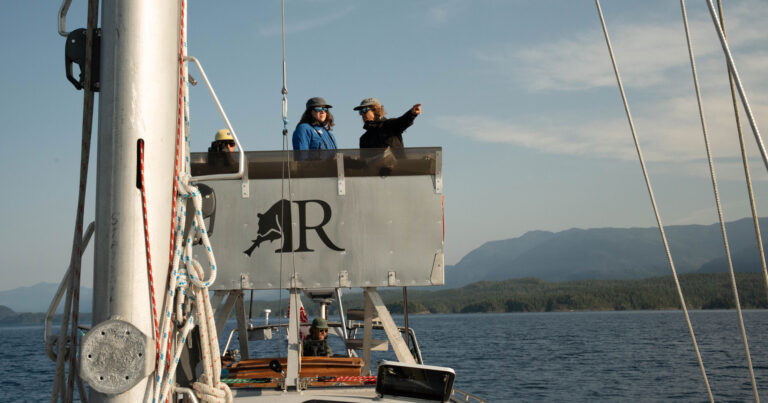
Our staff members have been incredibly lucky and grateful to receive support from ANIÁN. Whether it is through gear donations for our youth sailing trips, collaboration to design our Raincoast toques and hats, or helping outfit Raincoasters to stay warm and dry in the field, ANIÁN has been one of our core supporters for years….

The importance of keeping empathy at the heart of science.

A Q&A with Raincoast Conservation Foundation’s Cetacean Senior Scientists
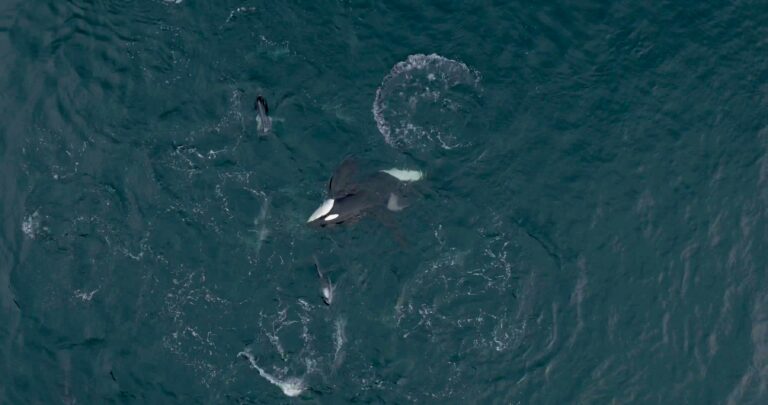
Drone footage captured during photogrammetry work shows unique behaviour from Northern Resident A55, surrounded by white-sided dolphins.
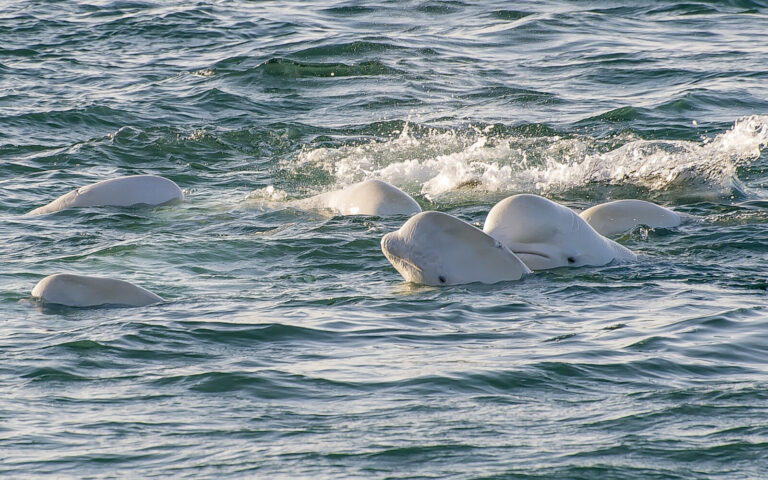
New research shows that beluga whales may exploit ultrasonic signals to maintain communication in noisy environments.
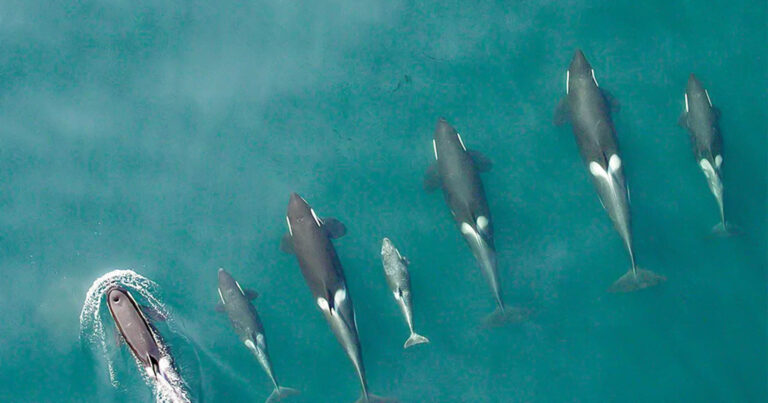
Southern Residents are vital to the health of entire ecosystems.
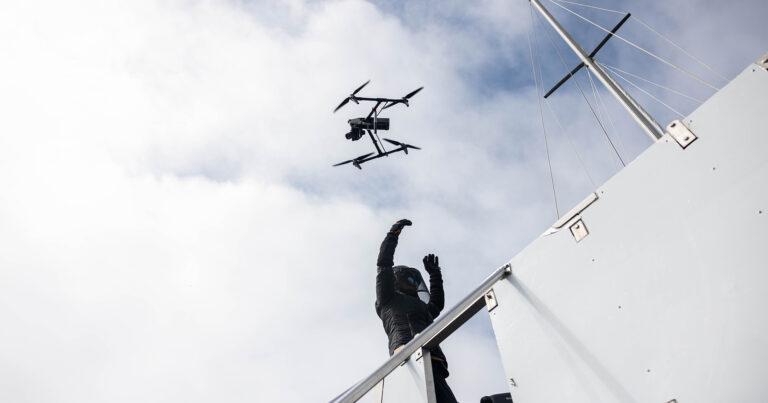
Every summer our Cetacean Scientists use innovative drone technology to study whales.
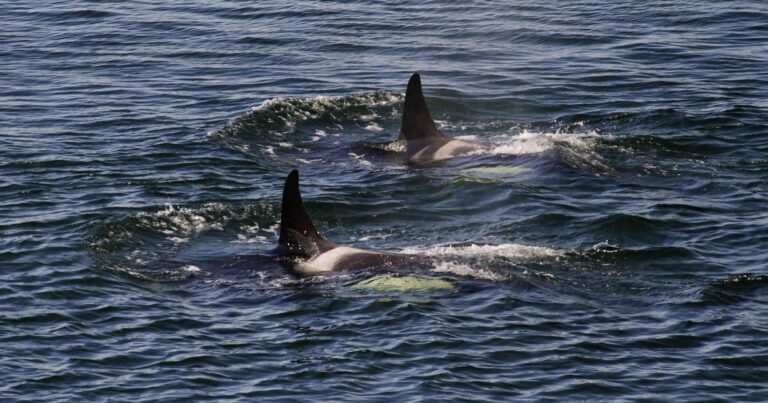
Raincoast scientists comment on the opening of the Trans Mountain pipeline.
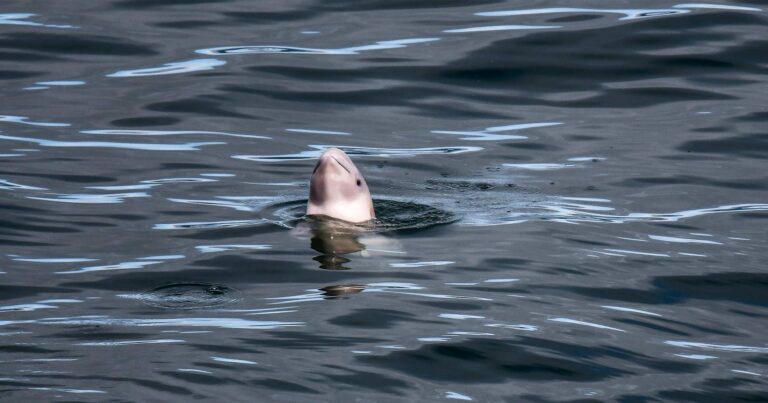
A new study identifies variation in the structure of contact calls among four Canadian beluga populations.

We are set to begin tracking water pollution and underwater noise on the Sunshine Coast.