Whale conservation and recovery: our plans for 2023
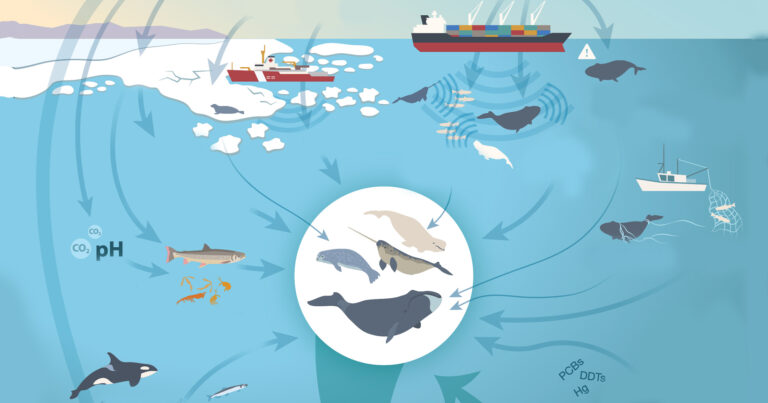
Our research helps us better understand their susceptibility to anthropogenic threats and the impact of those threats, and develop practical and effective measures to reduce them.
Our new Cetacean Conservation Research Program was launched at the beginning of 2022 and we couldn’t be more excited about it.
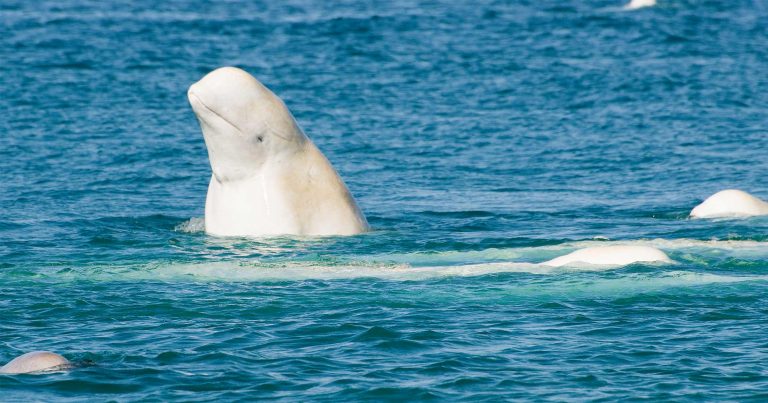
Belugas, nicknamed “sea canaries”, are one of the most loquacious cetacean species, producing an impressive array of sounds for a variety of purposes, such as social communication, group cohesion, maintaining mother-calf contact, navigating, and detecting prey.
“Dot is back!” exclaims Jaclyn from atop our beluga observation tower. We photo-identified this female beluga during our second field day. “That dimple below her dorsal ridge isn’t just a charming beauty mark, it’ll help us re-sight her over the summer…and hopefully next summer too!” – Jaclyn tweeted. Now, only a day later, Dot is…
Beluga whales produce a multitude of sounds for a variety of functions. To date, calls used for group cohesion and for mother-calf contact, known as ‘contact calls’, are the best understood 4,6,8,11,13,14. The fact that contact calls sound nothing like the typical chirps and whistles that are common in the beluga vocal repertoire, but instead…
Senior Scientist and Co-Director of our Cetacean Conservation Research Program, Dr. Valeria Vergara, is teaching the course, which is part of the SFU’s Continuing Studies Program.
Exploring why belugas care for each other’s offspring.
We investigated whether the elevated levels of underwater vessel noise in the estuary could interfere with the ability of beluga mothers and their newborn calves to regain contact after separations.
We posed some questions to Valeria to get to know her better.