Skip to content
Raincoast Conservation Foundation logo with bear and salmon icon.Raincoast Conservation Foundation icon.
  • Listening to protect
  • What we doExpand
    • Wild Salmon
    • Healthy Waters
    • Wolf Conservation
    • Safeguard Coastal Carnivores
    • Cetacean Conservation
    • Forest Conservation
    • Youth Education
    • Research vessel
  • ScienceExpand
    • Peer-reviewed publications
    • Reports and books
    • Mapping
    • Conservation Genetics Lab
    • Applied Conservation Science Lab
  • AboutExpand
    • Team
    • Raincoast Ocean Science Awards
    • Tracking Raincoast
    • FAQ
    • Events
    • Raincoast store
  • newsExpand
    • Latest
    • Videos
    • Raincoast Radio
    • Press releases
    • Media contacts
Donate
Raincoast Conservation Foundation logo with bear and salmon icon.Raincoast Conservation Foundation icon.

What's new // Nuxalk Nation

Nuxalk Nation

Notes from the field
Raincoast Radio
Conservation updates
Raincoast updates
Press releases
Science literature
Reports and books
Investigate and inform
Backgrounders
Map science
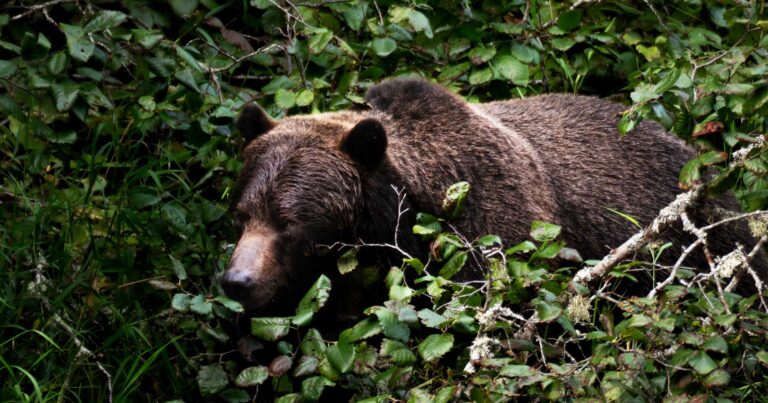
  • A grizzly bear is seen through vegetation.
    Scientific literature

    Ecotourism did not predispose grizzly bears to subsequent conflict

    2025 January 152025 January 15

    Grizzly bears detected at ecotourism sites are less likely than predicted by chance to encounter conflict.
    Read More Ecotourism did not predispose grizzly bears to subsequent conflictContinue

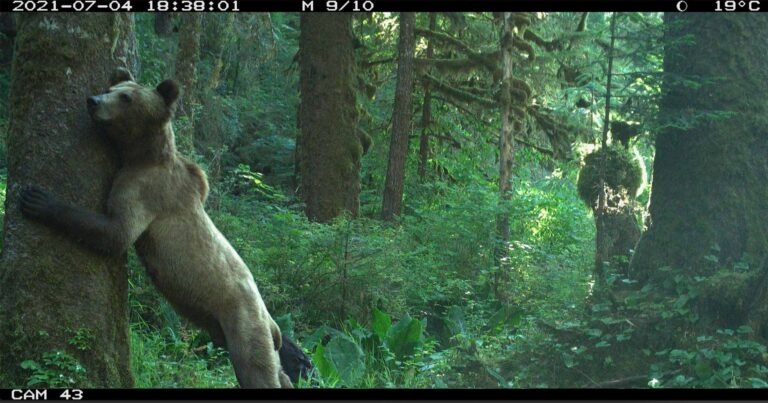
  • Remote camera image of a bear hugging a tree.
    Notes from the field

    What do wildlife do when no one is watching?

    2021 November 22024 October 23

    Remote cameras are assisting researchers at the Raincoast Applied Conservation Science Lab to answer pressing conservation questions along the coast of British Columbia. These cameras, deployed and managed in collaboration with First Nations partners, create unique possibilities for non-invasive wildlife monitoring.

    Read More What do wildlife do when no one is watching?Continue

  • Grizzly Bear
    Notes from the field

    Year two of grizzly bear behaviour monitoring in the Atnarko Corridor, Nuxalk Territory

    2020 October 192024 October 8

    Patience, attention to detail, and the ability to adapt are a few human qualities that many strive to attain. Grizzly bear field research here on the Atnarko River, Nuxalk Territory, affords our crew the opportunity to develop those traits and put them to the test…

    Read More Year two of grizzly bear behaviour monitoring in the Atnarko Corridor, Nuxalk TerritoryContinue

  • A black bear turns their head a little while sitting down comfortably.
    Investigate and inform

    Problem humans and the ecology of bear-human conflict

    2019 December 132024 July 8

    Last month, in Penticton, BC a group of five black bears – three males and two younger females – had been spotted feasting on residents’ garbage. Conservation authorities were called in, and the five bears were shot dead. This came just a week after six bears were shot in over a three day period near…

    Read More Problem humans and the ecology of bear-human conflictContinue

  • A bear stands or floats in the water eating a giant salmon.
    Investigate and inform

    Where bears, fish, and humans roam

    2019 November 12024 July 8

    Transitioning between seasons can often push your senses to work overtime. This is especially true in summer and autumn in the Atnarko River corridor, where the river comes alive with Chinook, chum, pink, sockeye, and coho salmon runs. The smell of a river containing spawned-out fish is unforgettable, and one I have grown fond of….

    Read More Where bears, fish, and humans roamContinue

Registered Charity Number in Canada

#889643565 RR0001
More information

Facebook Twitter Instagram YouTube Vimeo Linkedin
  • About Raincoast
  • Events
  • Career
  • Volunteer
  • Privacy policy

.eco profile for raincoast.eco

  • Subscribe
  • Mail a cheque
  • Raincoast Ocean Science Awards
  • Contact Us
  • FAQ
  • Newsroom
  • Press releases
  • Press assets policy
  • Publications
  • Backgrounders
  • Conservation ethics
  • Photography ethics
  • Notes from the field
  • Scientific literature
  • Backgrounders

© 2026 Raincoast | W̱SÁNEĆ Territory
Site supported by Pink Sheep Media.

Listen to protect
Scroll to top
Search
  • Raincoast Conservation Foundation
  • Listening to protect
  • What we do
    • Wild Salmon Conservation
      • Managing Salmon for Wildlife
      • Climate
      • Fisheries Management
      • Trans Mountain Expansion
      • Policy and Governance
      • Habitat Restoration
      • Roberts Bank Terminal 2
    • Healthy Waters
      • Spill response
      • Plastic pollution
      • Mobile lab
    • Wolf Conservation
      • Protect wolves
      • Coastal wolves
      • Wolf School
    • Safeguarding Coastal Carnivores
      • A 25 year history
      • GBR map
    • Forest Conservation
      • Land Trust
      • S,DÁYES Flycatcher Forest
      • KELÁ_EKE Kingfisher Forest
      • Big Tree Registry
      • Project TEACH
    • Cetacean Conservation
      • Cetacean Conservation Research
      • Ten years of work
      • Take action
    • Raincoast Education
      • Online education: Coastal Insights
      • Outdoor education
    • Achiever, research vessel
      • More about Marine Operations
      • Where are we?
      • Re-Power Achiever
  • Science
    • Publications
    • Reports and books
    • Mapping
    • Raincoast Lab
    • Genetics Lab
  • About Raincoast
    • Team members and staff
    • Tracking Raincoast
    • FAQ
    • Calendar of events
    • Raincoast Ocean Science Awards
  • News
    • Videos
    • Press releases
    • Media contacts
  • Donate
Facebook Twitter Instagram Linkedin
Search