Bold, sustained action can revitalize wild Pacific salmon in the lower Fraser River
New research shows that Wild Salmon populations in the Fraser can recover if action is taken now.



New research shows that Wild Salmon populations in the Fraser can recover if action is taken now.

This article synthesises the information shared by the eighteen experts who contributed to Project TEACH.
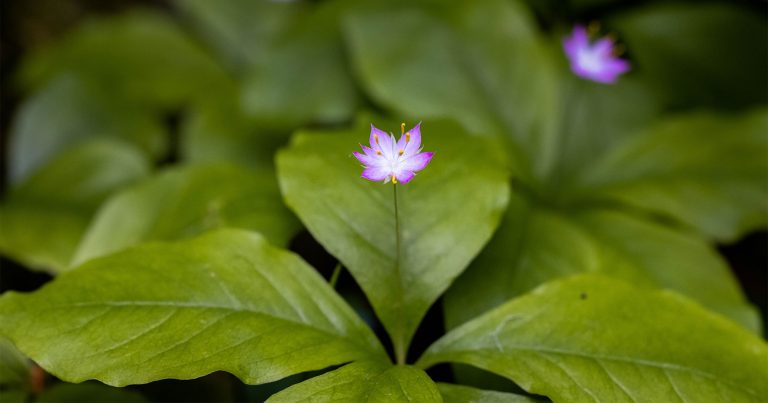
We are thrilled to have seven interns join our team through the federal government’s Canada Summer Jobs program and UBC’s Sustainability Scholar program.
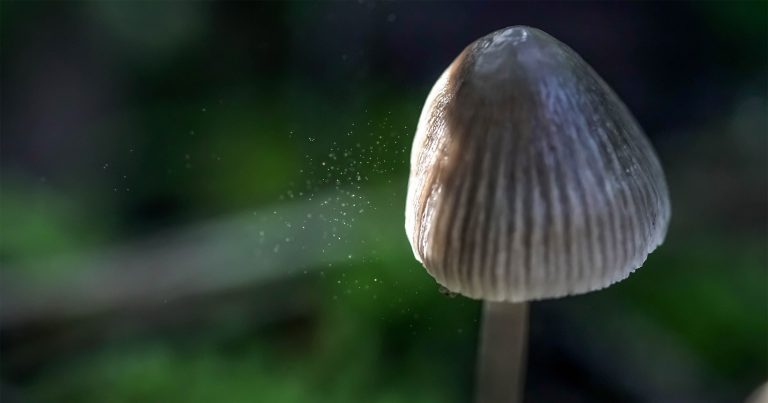
Collecting your stories and/or observations of change will not only broaden understanding of CDF ecosystems, but it also provides an opportunity for community engagement and science to work collaboratively.

This work is part of our Fraser River Connectivity Project, our five-year restoration project to create openings in several of the man-made barriers in the Fraser Estuary that prevent the natural migration of juvenile salmon.
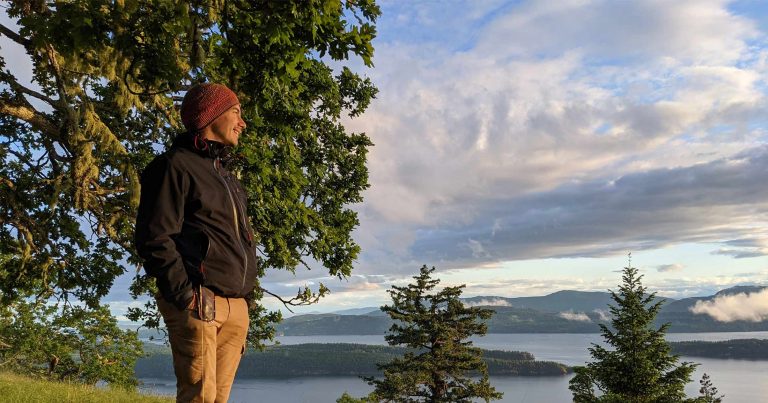
This installment is the first of several articles seeking to explore the ways ecosystems differ between the islands within the Coastal Douglas-fir (CDF) biogeoclimatic zone. Adam Huggins, Restoration Coordinator with the Galiano Conservancy Association (GCA), explains the ways topography, historic land use, and shifting economies have influenced and continue to shape the ways CDF forests…

Registered environmental charity, Transition Salt Spring has partnered with experts and organizations from across the Coastal Douglas-fir biogeoclimatic zone, including Raincoast Conservation Foundation, to provide a model for on-the-ground, multidisciplinary, multisectoral, and collaborative climate action. We interviewed Ruth Waldick from Transition Salt Spring to learn more about Maxwell Creek Watershed project. What is the Maxwell…
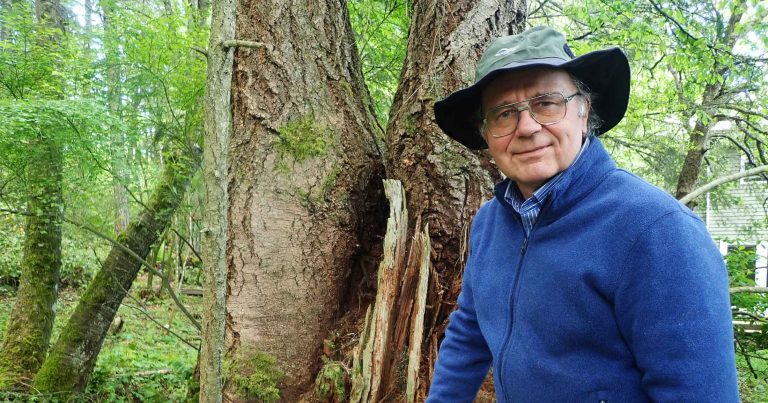
Eleven and half thousand years ago is a mighty long time for a major forest ecosystem. Yet, that is how long Coastal Douglas-fir forests have existed on Canada’s west coast, longer than most other forested biogeoclimatic zones in British Columbia!
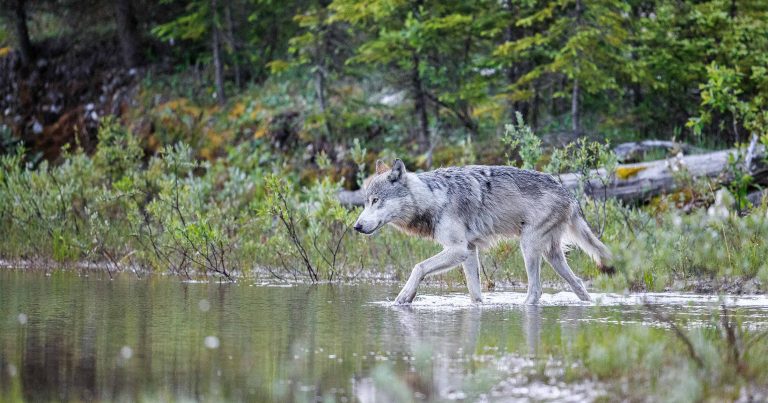
Is such a large experiment in wolf control, given its limited signal of efficacy and an unrelenting appetite of industry, worth the carnage?
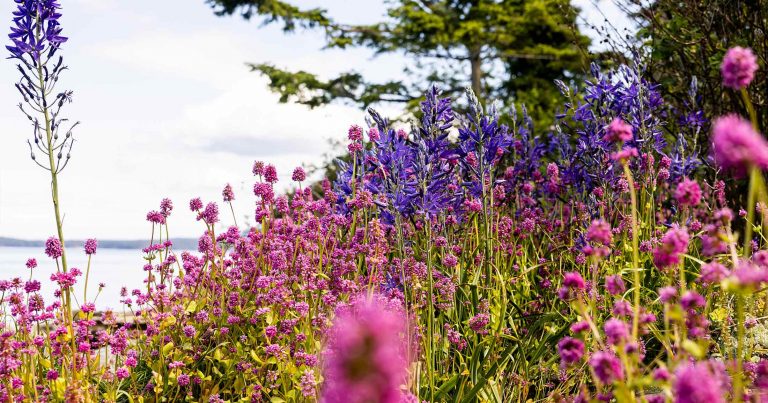
After thousands of years of evolution alongside Coast Salish peoples, the story of Coastal Douglas-fir forests and associated habitats is inseparable from the story of those who shaped them.
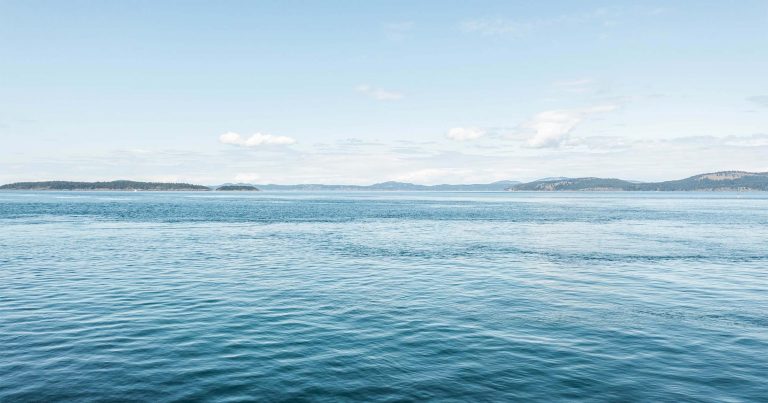
he Year of the Salish Sea initiative will highlight stewards, artists, storytellers, and both in-person and virtual events happening from June 2022-2023 in the Salish Sea ecosystem region.
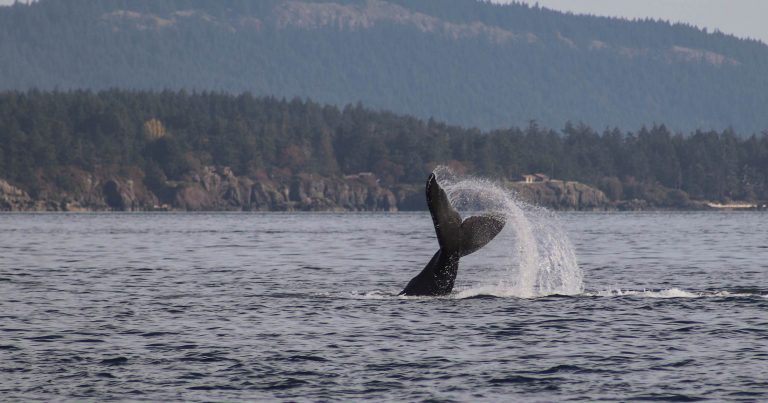
Early morning, mid-October, I wake to the scent of coffee on Raincoast’s research and education vessel, Achiever.