

Sunshine Coast Underwater Listening Station
Photo by Lance Barrett-Lennard / Ocean Wise. Taken under permit.
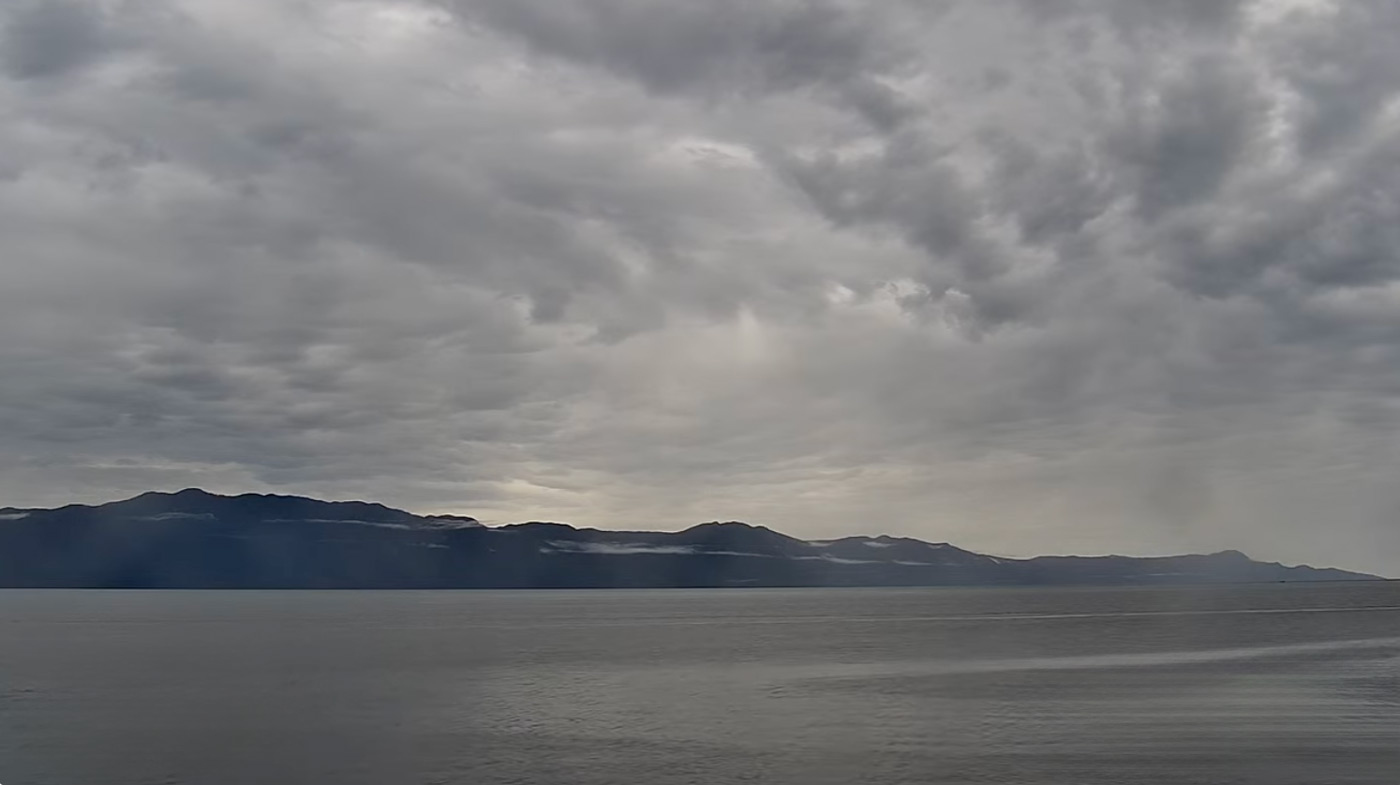

Acoustic research and outreach in new waters
The Listening Station features a hydrophone – an underwater microphone – sitting at roughly 20m depth on the seafloor. These finely-tuned instruments detect a range of frequencies that enable us to hear whales, dolphins, fish and – importantly – anthropogenic noise from vessels and industrial activity. This area of the coast has been under-sampled acoustically, with few hydrophones collecting long-term data. Our goals are to monitor the presence of at-risk cetacean species in the area by detecting their vocalizations, to track noise levels and potential impacts from boats and other human activities, and to bring the sounds of this ocean environment to residents of the Sunshine Coast. Bigg’s killer whales are often seen in the area year-round, hunting or travelling along the shoreline. In the fall, humpback whales are often seen close to shore, using the up-welling currents to feed on small fish and plankton. If we’re lucky – we’ll hear them sing!
A “killer” view over the Malaspina Strait
The visual component of the Listening Station features a striking, 180-degree view of the Malaspina Strait, which stretches from South Thormanby Island to the north of Texada Island. We chose this specific site to install the camera and hydrophone for its sweeping vantage point and its proximity to killer whales, humpback whales and other marine species that often frequent the area. To help bring this underwater world to the public, both the camera and hydrophone stream live sounds and visuals to Raincoast’s YouTube channel. The stream is also featured at the TidePools Aquarium, where visitors can experience the sights and sounds of the coast in real-time. As the first of its kind on the Sunshine Coast, it offers a unique opportunity to connect people to the ocean, raise awareness about local marine ecosystems, and champion stewards of marine conservation through this immersive window into the marine soundscape.


A collective effort for conservation
This Listening Station would not have been possible without the support of community members and organizations. Deploying and maintaining these systems is not always easy (or cheap!) owing to the harsh winds, tides and rocky intertidal shorelines that this coast is famous for. The initial purchase of the hydrophone was made possible by a generous bequest from the Mary Gordon Estate in 2023 – read more about Mary here. Since then, local funders have continued to support the initiative through financial and in-kind contributions. We would especially like to thank the Sunshine Coast Foundation, the Sunshine Coast Regional District, the District of Sechelt, BlueAct Marine Society, Sea-to-Shore Systems, NW Technical, Marshall Farris & Suzanne Alvarette, and Doug & Sheila Rogers.
Recent articles

New research: Determining the sex of whales via environmental DNA samples
Application of environmental DNA beyond species detection for cetaceans.
Episode 14: The journey upstream as a student with Arielle Koenig, Pacific Salmon Ecology and Conservation Lab
Questions and answers from a current master’s student, research and…
Engaging the next generation of land healing stewards
Immersed in the ecosystems of the Salish Sea, youth from…
Episode 13: Careers in conservation with Jason Hwang, Pacific Salmon Foundation
How to navigate the waters of the environmental job market.