
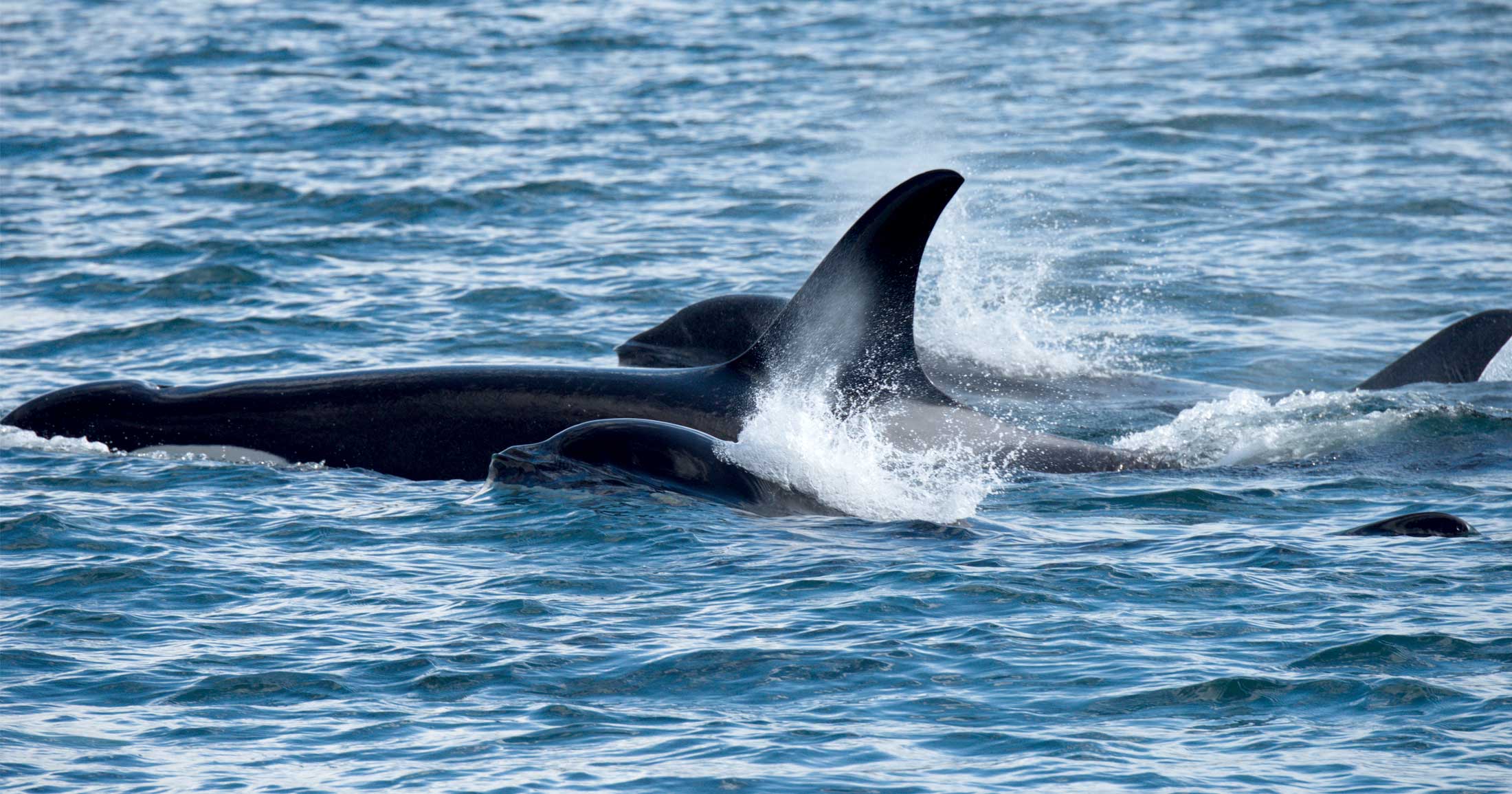
Pender Whale Sanctuary Underwater Listening Station
Photo by Lance Barrett-Lennard / Ocean Wise.


Expanding our work to protect Southern Resident killer whales
For more than a decade, Raincoast has been using science, the courts and government engagement to advance recovery measures for SRKW. Our new underwater listening program will continue this effort by improving scientific and public understanding of the exposure of SRKW to vessel noise and disturbance within an Interim Sanctuary Zone in the Salish Sea. Data acquired from our new, acoustic and visual monitoring station in the Sanctuary will help inform development and implementation of new or strengthened regulations and enforcement efforts in support of the recovery of the SRKW population.
Tracking noise
The strategic location of the underwater listening station will also allow us to demonstrate the use of the area by other at-risk marine mammals species, including Northern Resident and Bigg’s killer whales, porpoises and humpback whales, by listening for their characteristic vocalizations..
In addition to monitoring the use of the Pender Island Interim Sanctuary Zone by both whales and boats, our listening station will continuously measure underwater noise levels. Noise data from the site will be analyzed as part of our new NoiseTracker project, which aims to understand the complex dynamics of underwater noise and the effects it has on marine life within critical cetacean habitats.

Recent articles

Episode 2: Wolf social behaviour with Jane Packard
In our second Of wolves and women episode, Jane Packard…

A mother’s grief, a population on the brink
This population is on a trajectory to extinction. But trajectories…
Give your input to DFO on vessel management to protect Southern Residents
Input on recovery of Southern Resident killer whales and potential…
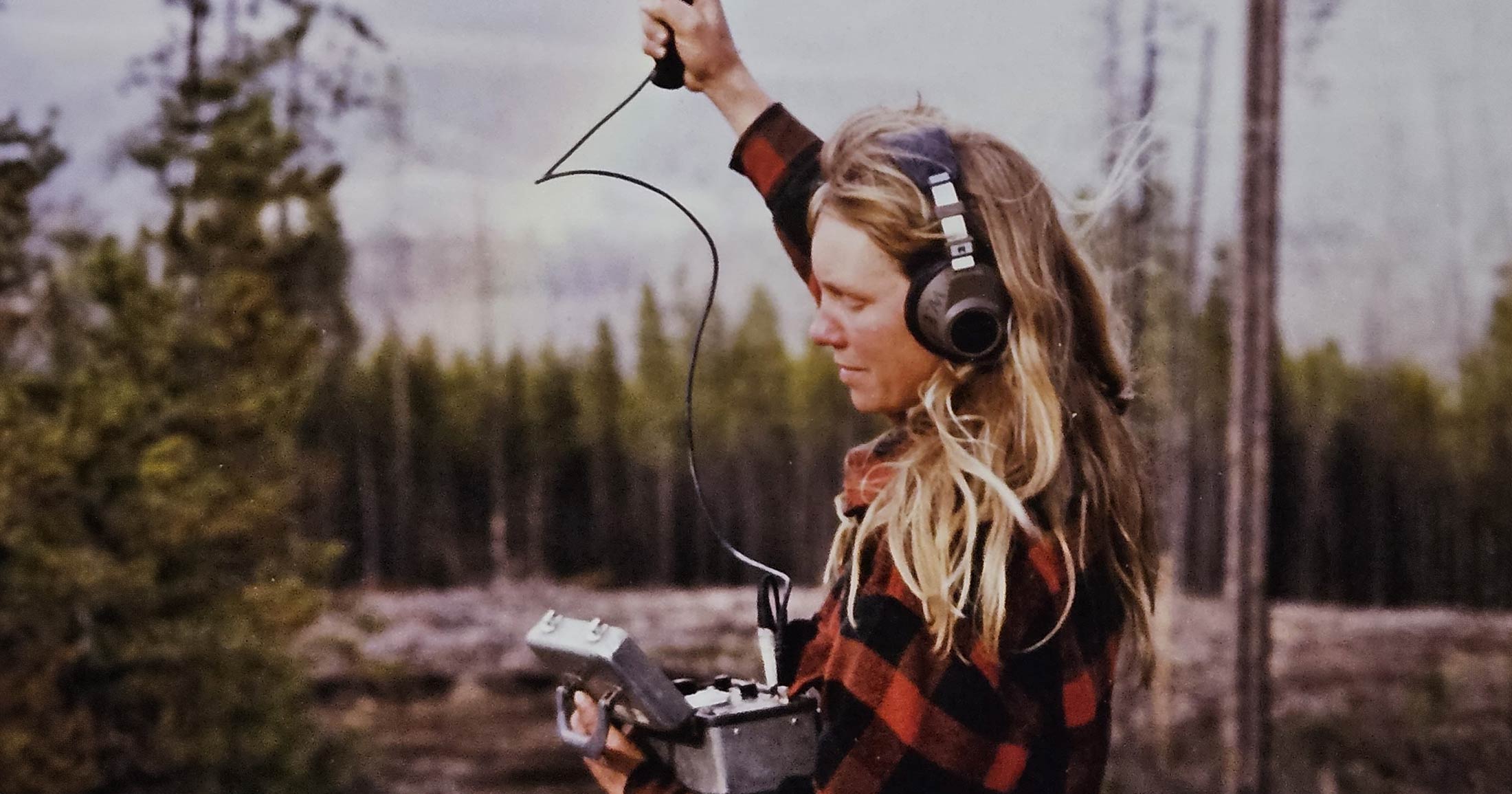
Episode 1: Gray wolf recovery with Diane Boyd
In our inaugural Of wolves and women episode, Diane Boyd…