Oil and chemical spill tracking

Spills of oil and chemicals into freshwater and ocean environments have killed fish, degraded habitat, and led to closures of commercial, recreational, and Indigenous fisheries. Raincoast’s Healthy Waters Program is positioned to collect data at the scene of a spill and collaborate with various organizations and First Nations to understand the impact of a spill. 

Tracker will host a number of rugged analytical instruments, and enable the measurement of several contaminants in the field, including coliform bacteria, nutrients, metals, pesticides, and tracers of wastewater effluent.
Photo by Peter Ross.
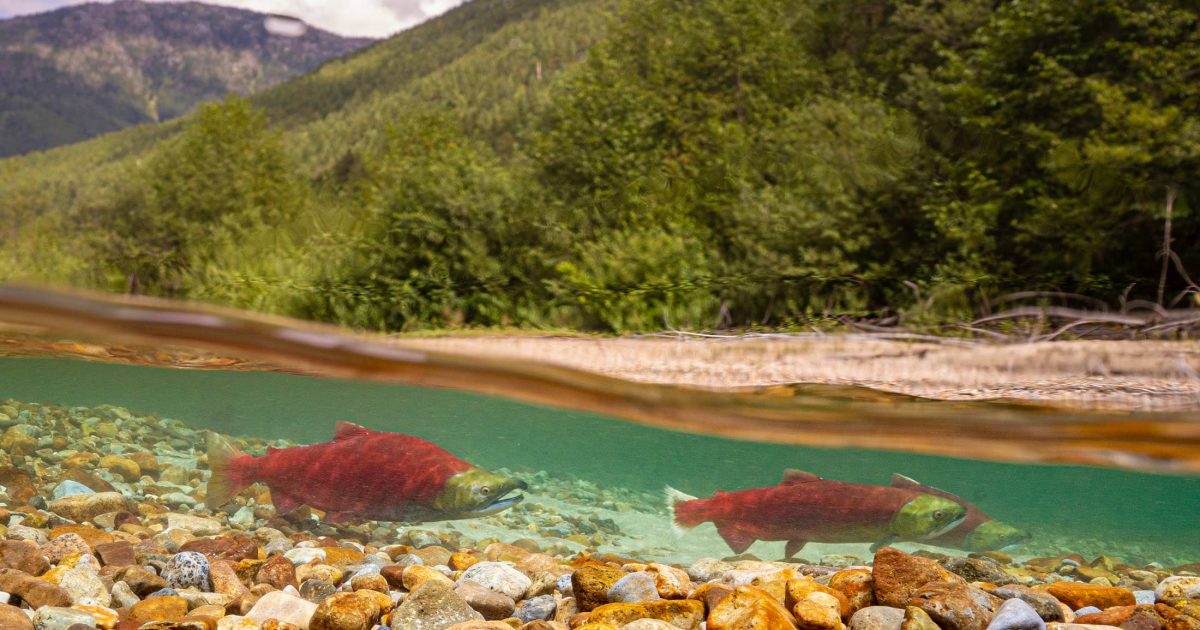
Two sockeye salmon swimming in a river.
Photo by Fernando Lessa.

Spills happen

Spills originate from all manner of accidents. The 2005 train derailment that spilled caustic soda into the Cheakamus River that killed 500,000 fish, The 2015 spill of 3,000 L of Bunker C oil from the MV Marathassa into English Bay. The 2020 fire aboard the MV ZIM Kingston in Juan de Fuca Strait that resulted in the loss of 104 mixed cargo shipping containers into the ocean. Each and every accident is bad news, and threatens the health of fish and whales, and contributes to the degradation of their habitats.

Being prepared is key

Given the sudden and unpredictable nature of oil and chemical spills, our oil and chemical spill response work entails being agile and available for support to First Nations, government agencies, and industry during a major spill. We are developing science protocols, and acquiring sampling kits, field equipment, and safety gear, and are poised to deploy our team to the scene of a spill. 

Being prepared on all fronts is key to limiting the damage from a spill. We recognize that with spills, it’s not a matter of if, but when. Research and monitoring to confirm the origin of the spill, track the fate of the spilled product, and monitor the recovery of ecosystem components routinely fails to be a priority. We will deploy expert capacity where and when needed, and work to prevent harm to valued ecosystem components.
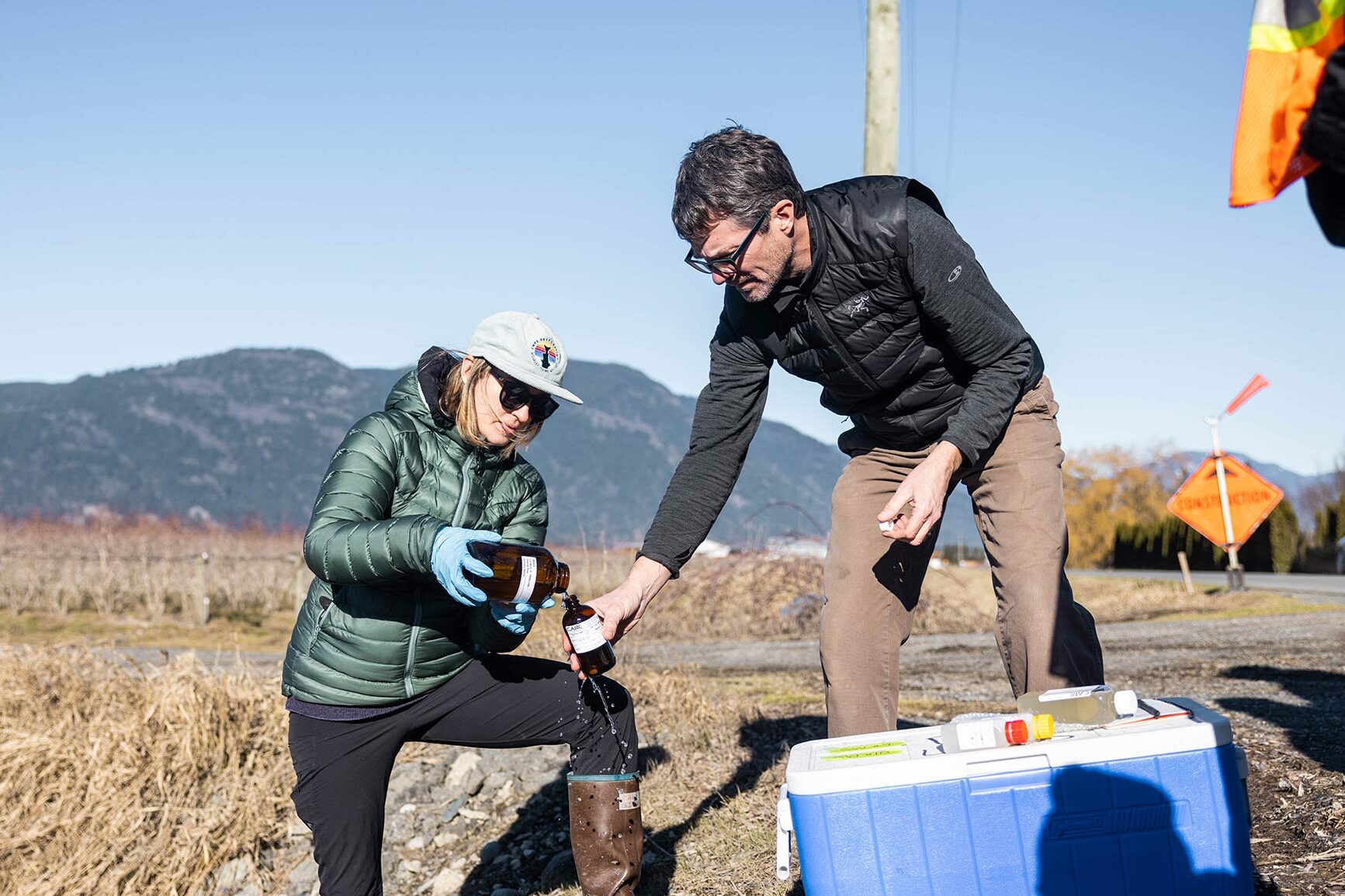
Two people working together to collect water samples in a farm field with the mountains in the background.
Photo by Alex Harris.
https://www.raincoast.org/reports/flood

Semá:th X̱ó:tsa (Sumas Lake) Floods of 2021

The catastrophic floods of late 2021 in southern British Columbia (Canada) and neighbouring Washington State (USA) destroyed homes, farms and businesses, with excess water spilling debris, animal carcasses and diesel fuel into historically productive fish habitat. 

We assembled a team to assess water quality in the former Semá:th X̱ó:tsa (Sumas Lake) area of the Fraser Valley over a seven-week period after the floods. We collected water samples from 11 surface water sites and four groundwater sites for comprehensive contaminant analysis and a subsequent risk-based evaluation. We measured 379 analytes (chemical components and bacteria), including 262 anthropogenic contaminants. We examined excess nutrients, metals, fecal coliform, hydrocarbons, pesticides, pharmaceuticals, and personal care products, perfluorinated compounds, sucralose, and tire-related chemicals.

Recent articles

Two people holding a net while doing fish research on a cloudy day

Fraser River juvenile salmon, upstream and in the estuary

Wild Salmon Research Assistant, Paige Roper, shares about Raincoast’s recent work in the Harrison River.
Spirit Bear sleeping in the moss.

Guardians of the Coast: The next generation of stewards
In this last session of Coastal Insights, we will be joined by some of the inspiring young leaders who are taking action in their communities to sustain and protect the coast.
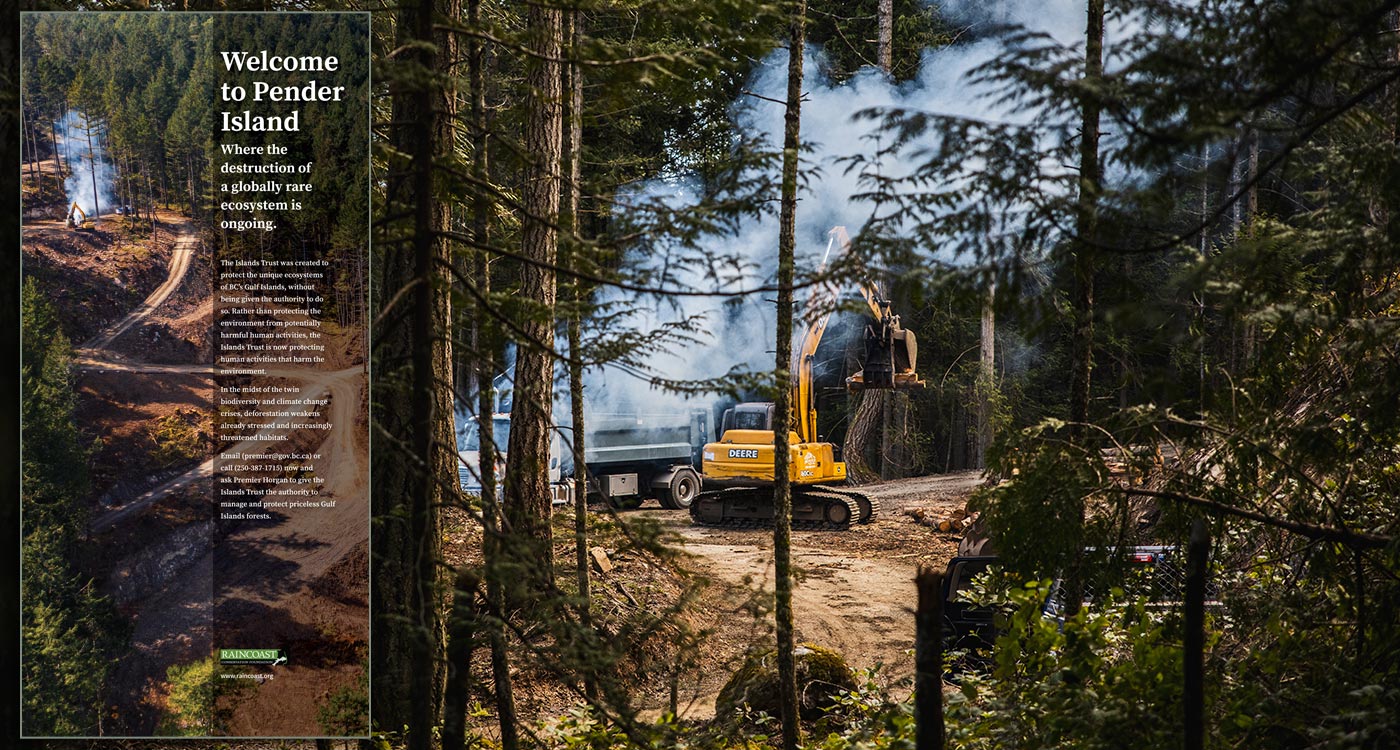
A backhoe works on a cutblock on Pender Island, with remaining trees and smoke scattered around the edge.

Welcome to Pender Island, where the destruction of a globally rare ecosystem is ongoing

The Islands Trust was created to protect the unique ecosystems of BC’s Gulf Islands, without being given the authority to do so. But rather than protecting the ­environment from potentially harmful human activities, the Islands Trust is now protecting human activities that harm the environment.
Southern Resident killer whale at the surface of the water at sunset.

Southern Resident killer whales need your voice
With the Canadian federal government set to decide on recovery measures for 2021, we have made it easy for you to send a letter to three federal ministers encouraging them to implement the strongest possible recovery measures to ensure the survival of Southern Resident killer whales.
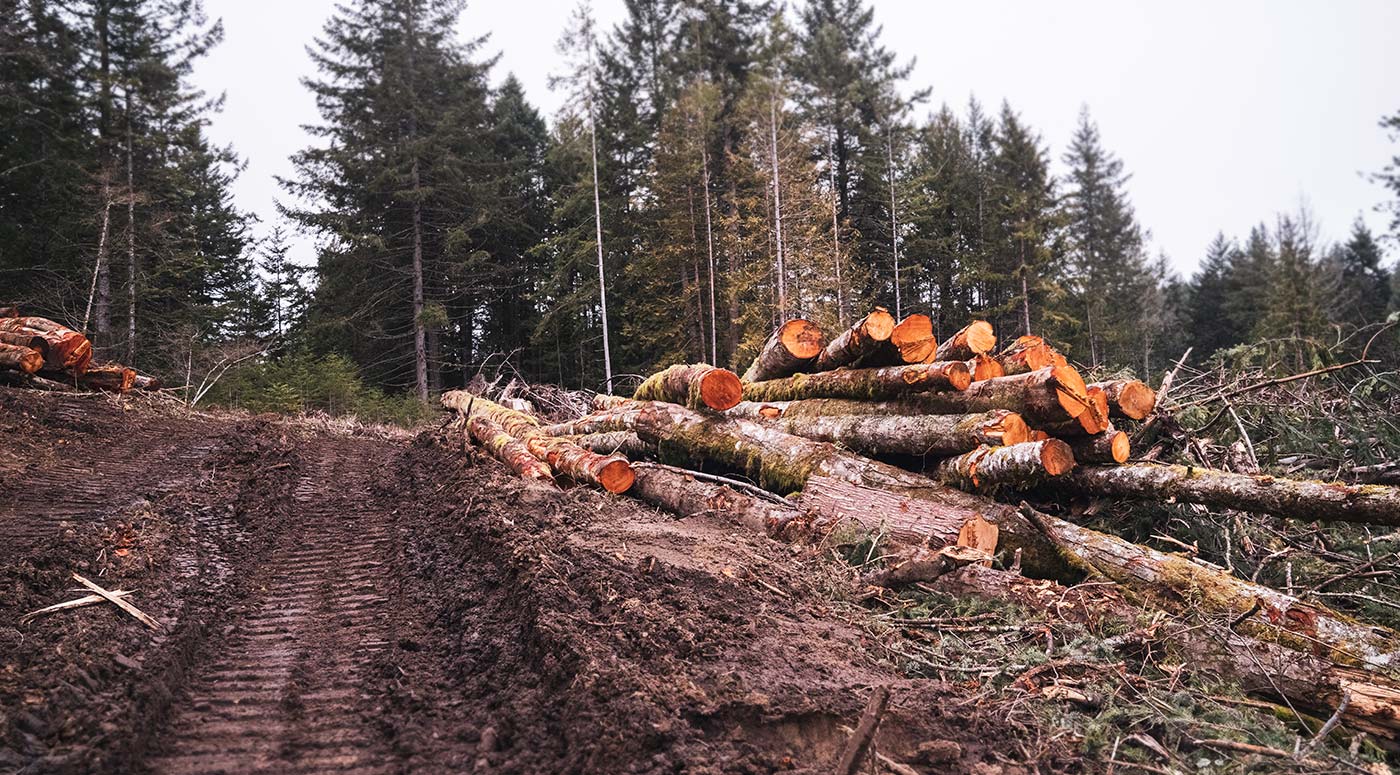
A cutblock with a stack of logs from Salt Spring Island, in the Gulf Islands.

Islands 2050: What will the Gulf Islands look like in 25 years?

The preservation and protection of BC’s Gulf Islands “for the benefit of residents of the trust area and of the province generally” has been charged to the Islands Trust. However, recent decision-making has demonstrated that a majority of Local Trustee’s are focusing on different priorities. In February, Raincoast submitted feedback as part of a public engagement process seeking input on the Islands Trust Policy Statement in two areas: climate change and affordable housing within the Islands Trust area.
Behind the Glass Hunting logo floats over top of a stunning image of a cougar on a beach.

Behind The Glass Hunting with Chris Darimont and Chris Pryn
Chris Darimont spoke with hunter and podcaster Chris Pryn to discuss their shared interests in hunting and habitat protection, and also to figure out where they disagree. It’s a remarkable interview, in part, because both Darimont and Pryn work so hard to have a respectful conversation despite their differences.
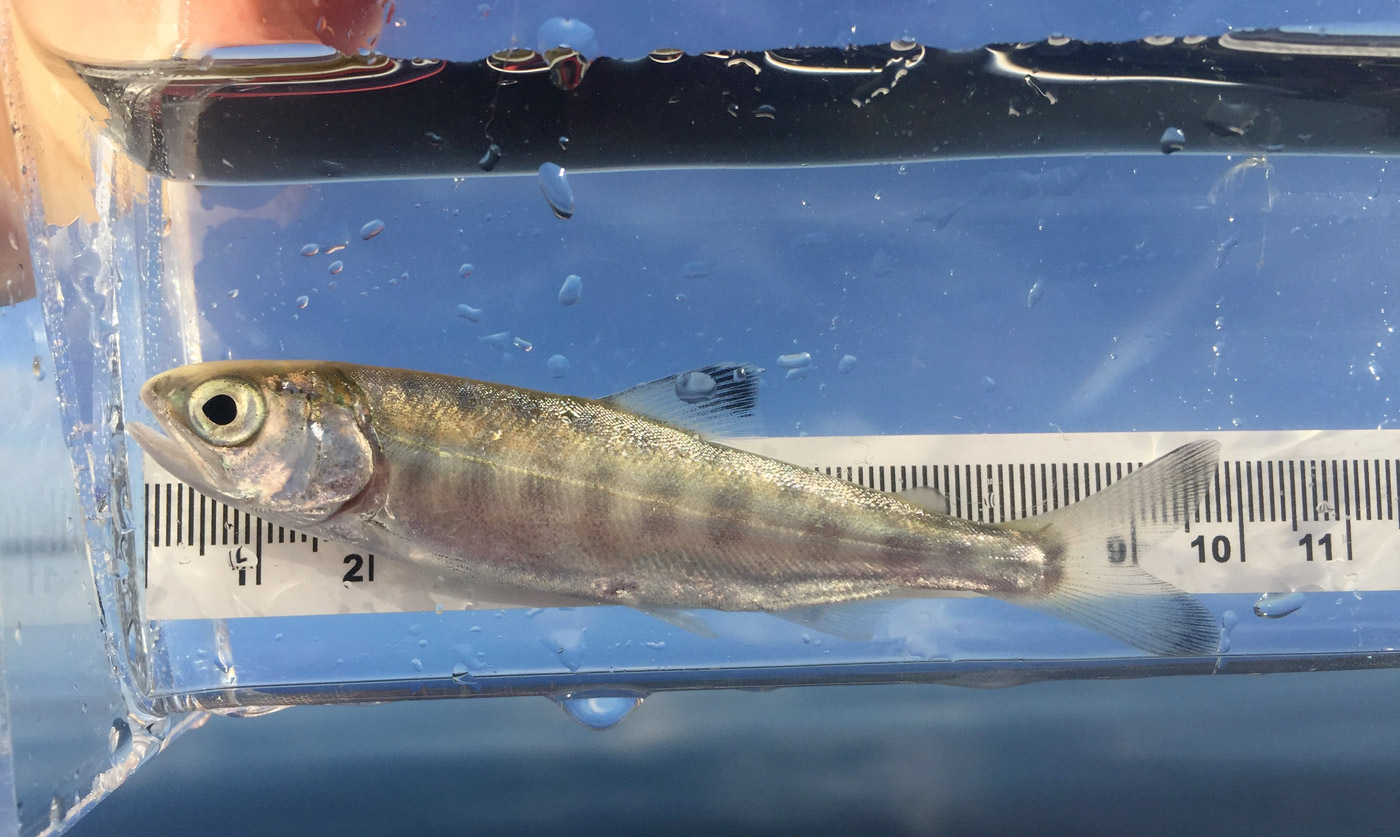
A juvenile Chinook salmon is measured in a clear container with water with the estuary in the background.

Otolith study confirms Harrison Chinook salmon rely on the Fraser River Estuary for early growth

Chinook salmon from the Harrison River, which was declared Canada’s first Salmon Stronghold, do something unique; rather than growing in their home lake and river system for the first year or more as many other salmon do, these fish go on a great adventure.
Culturally modified tree in the Great Bear Rainforest, being measured by Stephen Neasloss.

New research identifies ancient culturally-modified trees, and with them the future of forest management

After practising sustainable forest management for millennia, the Kitasoo/Xai’xais Nation has looked to its ancient cedar trees to help guide the future of its forests stewardship.