Oil and chemical spill tracking

Spills of oil and chemicals into freshwater and ocean environments have killed fish, degraded habitat, and led to closures of commercial, recreational, and Indigenous fisheries. Raincoast’s Healthy Waters Program is positioned to collect data at the scene of a spill and collaborate with various organizations and First Nations to understand the impact of a spill. 

Tracker will host a number of rugged analytical instruments, and enable the measurement of several contaminants in the field, including coliform bacteria, nutrients, metals, pesticides, and tracers of wastewater effluent.
Photo by Peter Ross.
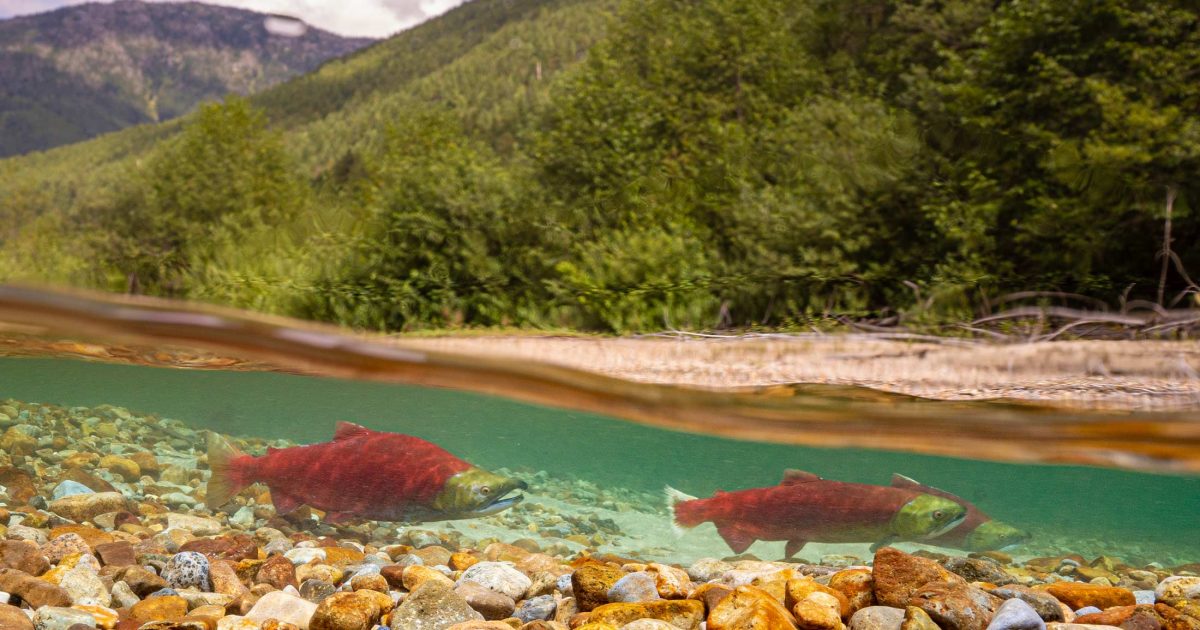
Two sockeye salmon swimming in a river.
Photo by Fernando Lessa.

Spills happen

Spills originate from all manner of accidents. The 2005 train derailment that spilled caustic soda into the Cheakamus River that killed 500,000 fish, The 2015 spill of 3,000 L of Bunker C oil from the MV Marathassa into English Bay. The 2020 fire aboard the MV ZIM Kingston in Juan de Fuca Strait that resulted in the loss of 104 mixed cargo shipping containers into the ocean. Each and every accident is bad news, and threatens the health of fish and whales, and contributes to the degradation of their habitats.

Being prepared is key

Given the sudden and unpredictable nature of oil and chemical spills, our oil and chemical spill response work entails being agile and available for support to First Nations, government agencies, and industry during a major spill. We are developing science protocols, and acquiring sampling kits, field equipment, and safety gear, and are poised to deploy our team to the scene of a spill. 

Being prepared on all fronts is key to limiting the damage from a spill. We recognize that with spills, it’s not a matter of if, but when. Research and monitoring to confirm the origin of the spill, track the fate of the spilled product, and monitor the recovery of ecosystem components routinely fails to be a priority. We will deploy expert capacity where and when needed, and work to prevent harm to valued ecosystem components.
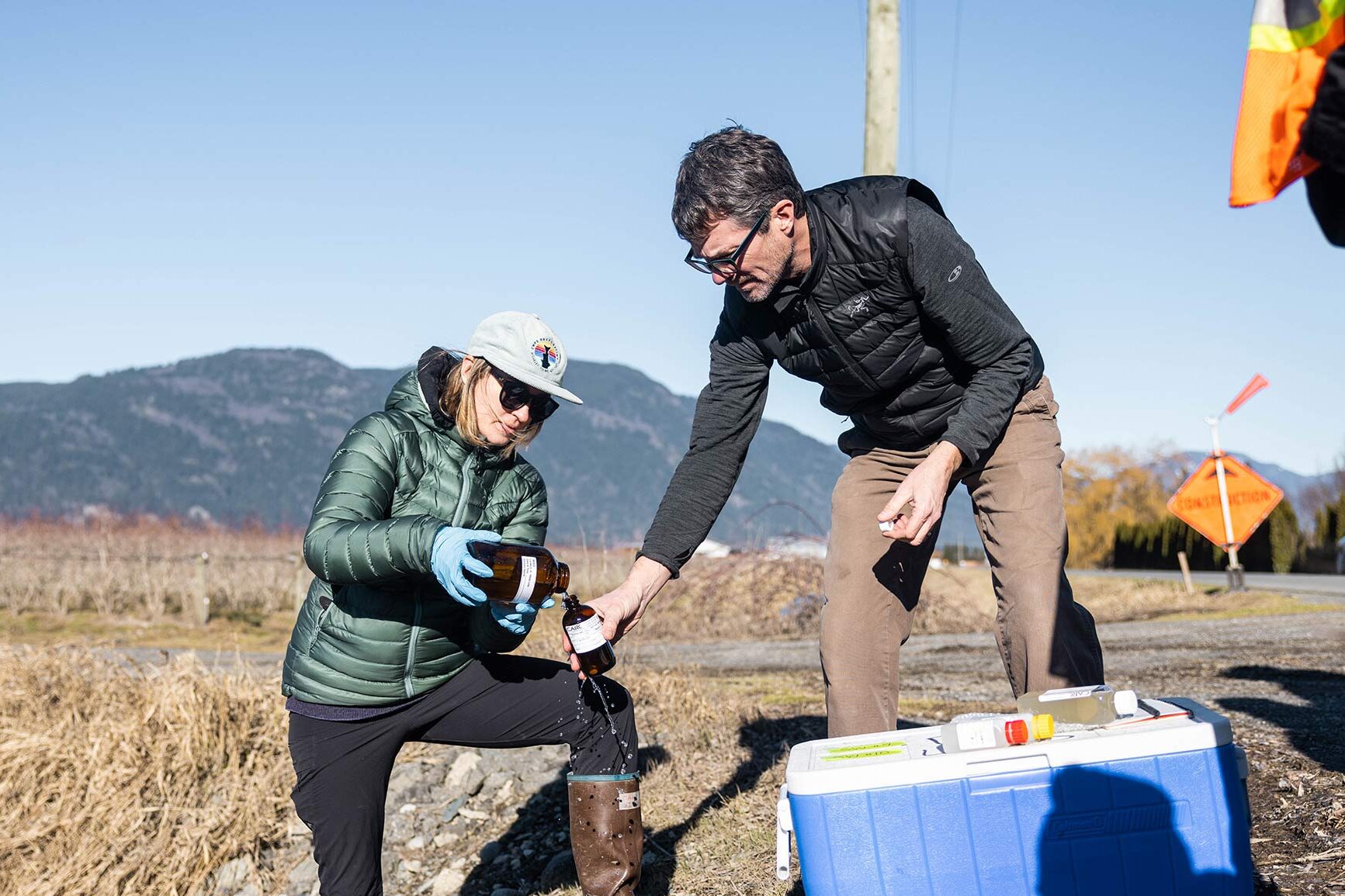
Two people working together to collect water samples in a farm field with the mountains in the background.
Photo by Alex Harris.
https://www.raincoast.org/reports/flood

Semá:th X̱ó:tsa (Sumas Lake) Floods of 2021

The catastrophic floods of late 2021 in southern British Columbia (Canada) and neighbouring Washington State (USA) destroyed homes, farms and businesses, with excess water spilling debris, animal carcasses and diesel fuel into historically productive fish habitat. 

We assembled a team to assess water quality in the former Semá:th X̱ó:tsa (Sumas Lake) area of the Fraser Valley over a seven-week period after the floods. We collected water samples from 11 surface water sites and four groundwater sites for comprehensive contaminant analysis and a subsequent risk-based evaluation. We measured 379 analytes (chemical components and bacteria), including 262 anthropogenic contaminants. We examined excess nutrients, metals, fecal coliform, hydrocarbons, pesticides, pharmaceuticals, and personal care products, perfluorinated compounds, sucralose, and tire-related chemicals.

Recent articles

Three wolves running in the snow

The death cults among us

By Chris Genovali and Camilla Fox Montana’s request to hunt endangered gray wolves has been turned down by the U.S. Fish and Wildlife Service; not that the federal agency is opposed to wolf hunting, but because they believe the Montana proposal would not survive a legal challenge…
A woman running in a marathon in front of a crowd.

Victoria marathoners pump hearts and charities
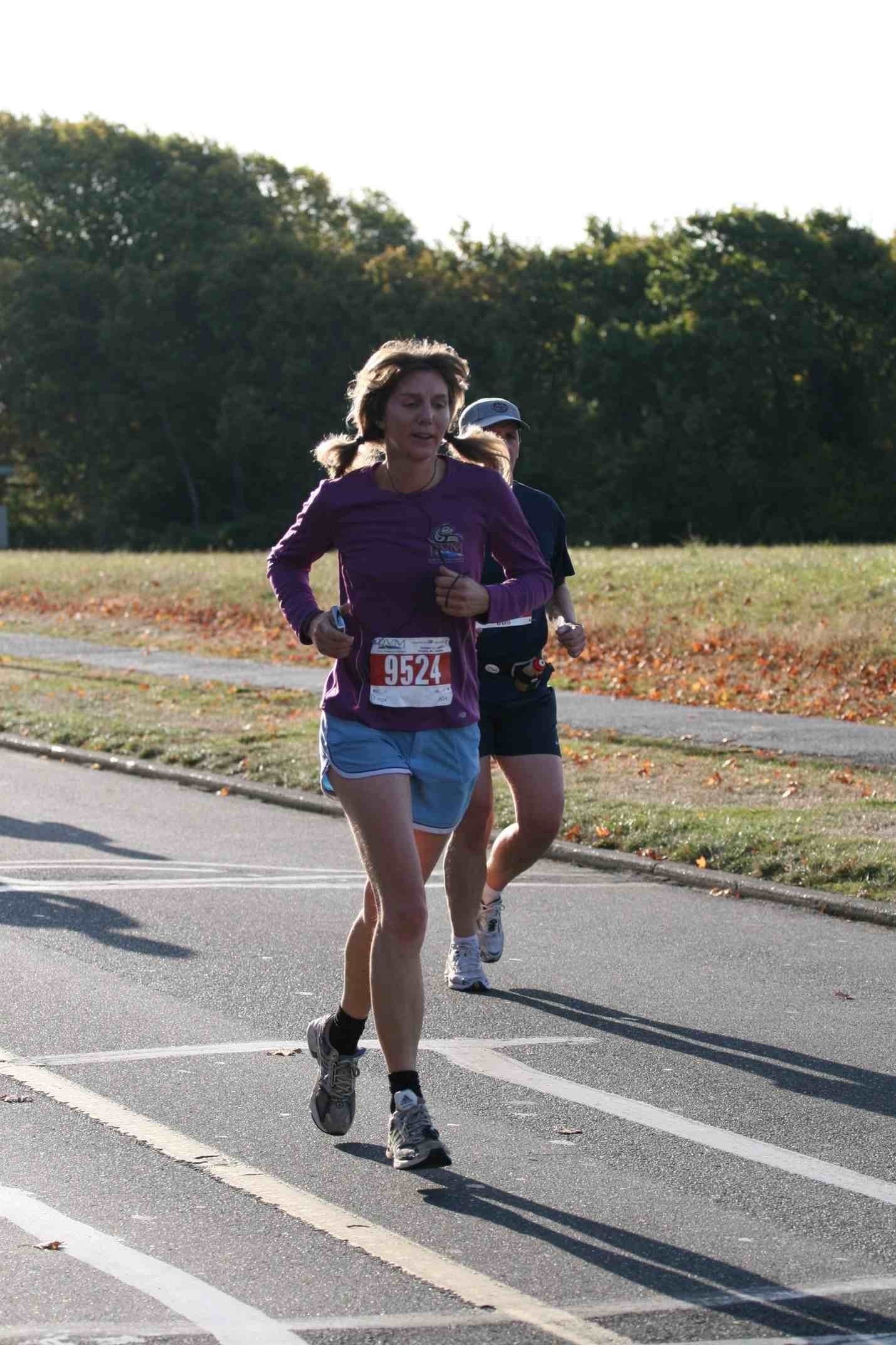
By Katherine Dedyna, Times Colonist October 7, 2010 Sunday morning’s GoodLife Fitness Victoria Marathon will raise a lot more than heart rates. Runners and their supporters are trying to raise $300,000 in conjunction with 22 charities. 18 local non-profits, from the Threshold Housing Society to the Raincoast Conservation Foundation…
A woman running in a race.

Marathon Training: The ‘Fin’al Run

For several months now, members of the Raincoast ‘Salmon Run’ team have been scattered in various places running the trails and roads of Calgary, California, Vancouver and Victoria as they train for the upcoming Victoria Marathon. For me, I’ve been hitting the logging roads of the Broughton Archipelago on the BC coast. Despite some drawbacks…
dummy-img

Raincoast’s Salmon Run

While sockeye are now entering some of the Fraser River watersheds in the millions, delivering nutrients and food to forests and wildlife, other runs of BC salmon -like chum and pink runs from the Broughton Archipelago up through the central and north coasts – are returning in extremely low numbers.
A group of people standing on the deck of a sailboat.

Ocean bottle drop expected to reveal mysteries of currents

Calgary Herald By Margaret Munro, Postmedia News October 1, 2010 Students drop bottles with tracking devices inside into Hartley Bay in B.C. to help scientists learn more about ocean currents. Photograph by: Courtesy, Ian Jansma Jenelle Reece and her schoolmates had just finished tossing hundreds of beer bottles overboard when a humpback and her calf…
A brown bear with a fish in its mouth.

The Bear Necessities

by Nick Garbutt, Geographical Magazine BC’s bear populations are intimately connected to the salmon on which they feed. But according to recent research, that connection goes all the way to the forest itself.   Read more….. Geographic Magazine_Bears and Salmon.pdf
A man laying on the floor next to a dog.

Help Kyle and the Raincoast Team in our Run for Salmon!

Race day is fast approaching.  I’m inching closer and closer to running 21k (not a full marathon, but a half-marathon’s still not bad for someone who smoked a pack a day for 9 of his 27 years on earth).  I’m feeling more and more like a “runner” by the day.  Evidence to support this includes…
Two people jogging at sunset.

See you at the ‘fin’ish line!

Raincoast’s Salmon Team is training hard for the Good Life Marathon.