
Plastic pollution

Photo by April Benze.

Plastic pollution is choking our waterways and threatening the health of fish and wildlife. We are collecting plastic and microplastic data as part of our community-oriented water pollution monitoring program. We are collaborating on research projects with universities, governments and experts in the field. We are providing advice to local, regional and federal governments on plastic science, policies, and regulations. We are working with Ocean Diagnostics to support a strong science-based foundation for solutions.


Lots of garbage on a beach.
Photo by Simon Ager.
People working together to take samples of water in jars.
Photo by Alex Harris / Raincoast Conservation Foundation.

Our approach

  • Design a source identification toolbox for plastic pollution; 
  • Working with Indigenous and coastal communities to document plastic pollution and track this back to its source;
  • Conduct research on the source, transport and fate of micro and macroplastics in the environment;
  • Engage in outside-the-box dialogue with industry and governments to support more sustainable design, manufacturing and processes that stem the release of plastics during the life cycle of a product;
  • Support community-oriented outreach and training to support solution-oriented actions and capacity building.

Plastics are everywhere

Plastics from just about every sector can now be found all over the world – from mountain tops to the seafloor, from the Arctic to the Antarctic, and from our homes to the ocean. A modern-day scourge that is blighting remote beaches and shorelines, getting mistaken for food by wildlife, and getting into the foods that nourish us. Whether it’s the structural features of plastic products that suffocate, entangle, or create intestinal blockages – or the endocrine disrupting-contaminants that serve as ingredients of the product (e.g. Bisphenol A or phthalate esters) or as hitchhikers soaked up by plastics in the environment (e.g. PCBs or metals) – plastics are harmful.

Underwater photo of plastic floating near the top of the water.
Chinook salmon swim in a river as seen from head on; epic.
Photo by Fernando Lessa.

The impact on the environment

Without a dramatic re-think, the plastic crisis is here to stay. Despite the best intentions of governments, industry, and consumers to reduce, recycle or re-use, global plastic production continues to enjoy exponential growth. And the unintentional loss to the environment of plastic products and byproducts will continue – plastic bags, bottles, and fishing gear, as well as the discharge of microplastics through domestic and industrial waste. With that will come a constant stream of items that will be mistaken for food but offer zero nutrition, that will entangle wildlife, and will deliver endocrine disruptors to our aquatic food webs. We will document impacts, share findings, and work for change through science, community engagement, and expert advice.

Recent articles

A wolf trots across the eel grass in the estuary.

A gift to end commercial trophy hunting of coastal carnivores
#GivingTuesday is a global movement of generosity that has a huge impact on smaller charitable organizations like Raincoast. Raincoast is funded by donations from people like you and those donations allow us to continue our work of protecting the wildlife of BC’s coast, the Salish Sea, Great Bear Rainforest and beyond. 100% of your donations…
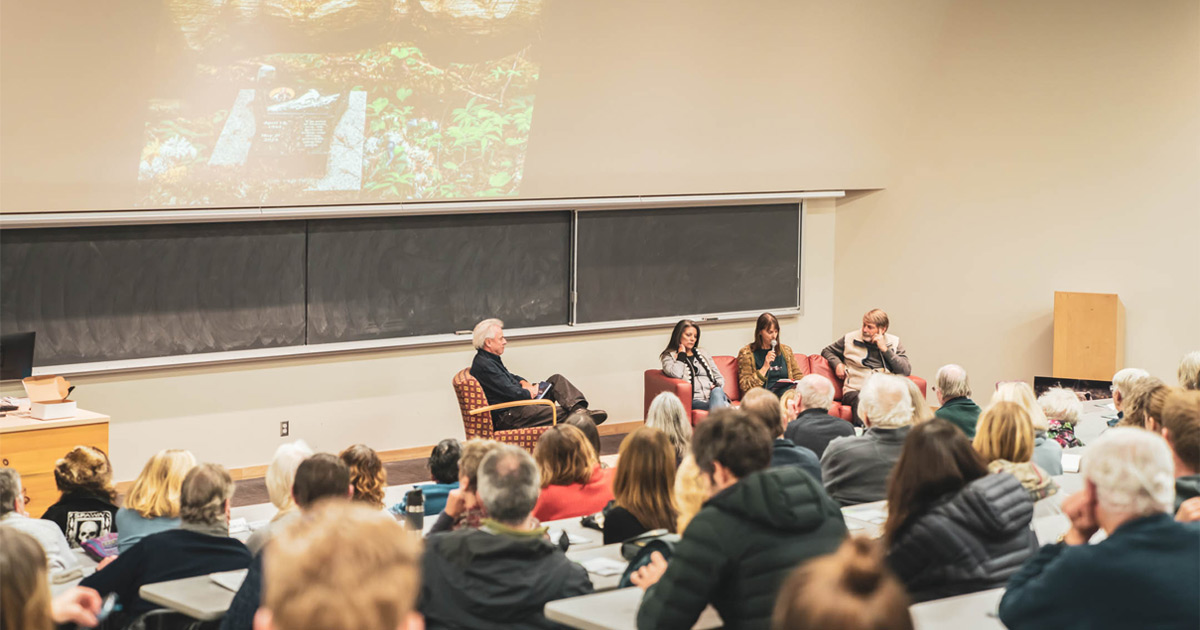
Bob McDonald sits on stage with Briony Penn, Brian Falconer, and

Stories from the Magic Canoe – An Update on the Kitlope Tenure
Last Thursday, Raincoast hosted a sold out event in Victoria about the legacy of the Kitlope and Xenaxiala elder, Cecil Paul. Cecil was the last person born in the Kitlope and led the efforts to protect the Kitlope from extractive industries. Although Cecil could not join us, we were privileged to be joined by three…
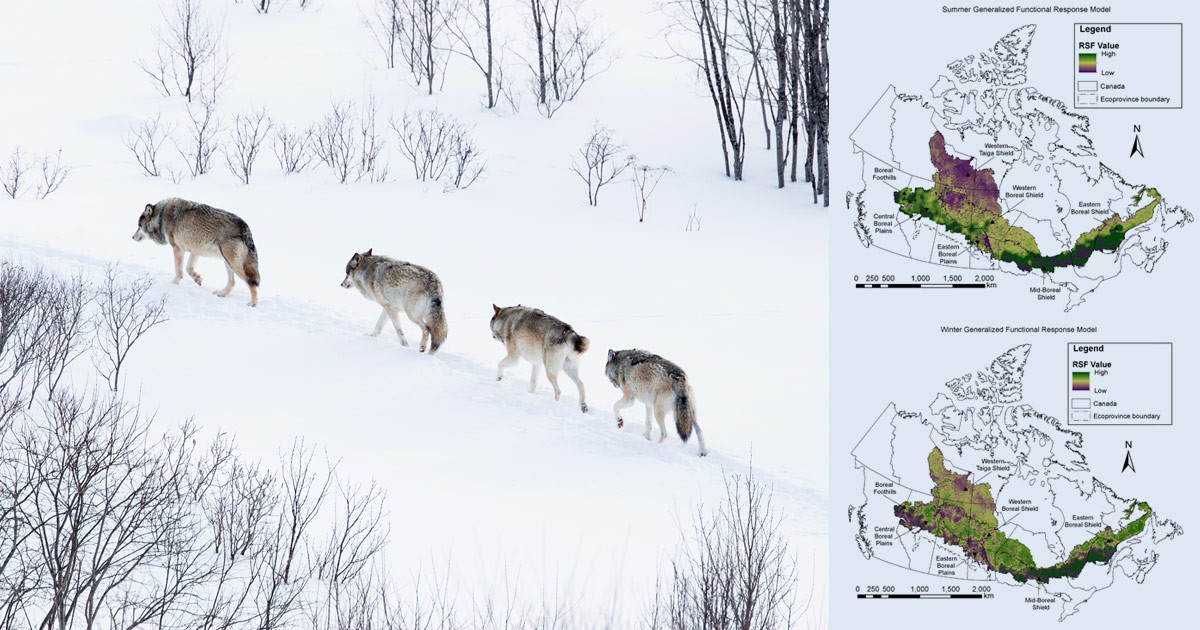
Four wolves walk up a hill following a narrow path, research maps superimposed on top.

Ecology and Evolution: Functional response of wolves to human development across boreal North America
Previous research on how wolves are affected by human development have been limited in scope and location and the results were mixed. Wolves adapted in a range of ways depending on contextual factors like road or cutblock density. Research undertaken by a team of conservation scientists, including Paul Paquet of Raincoast Conservation Foundation, endeavoured to…
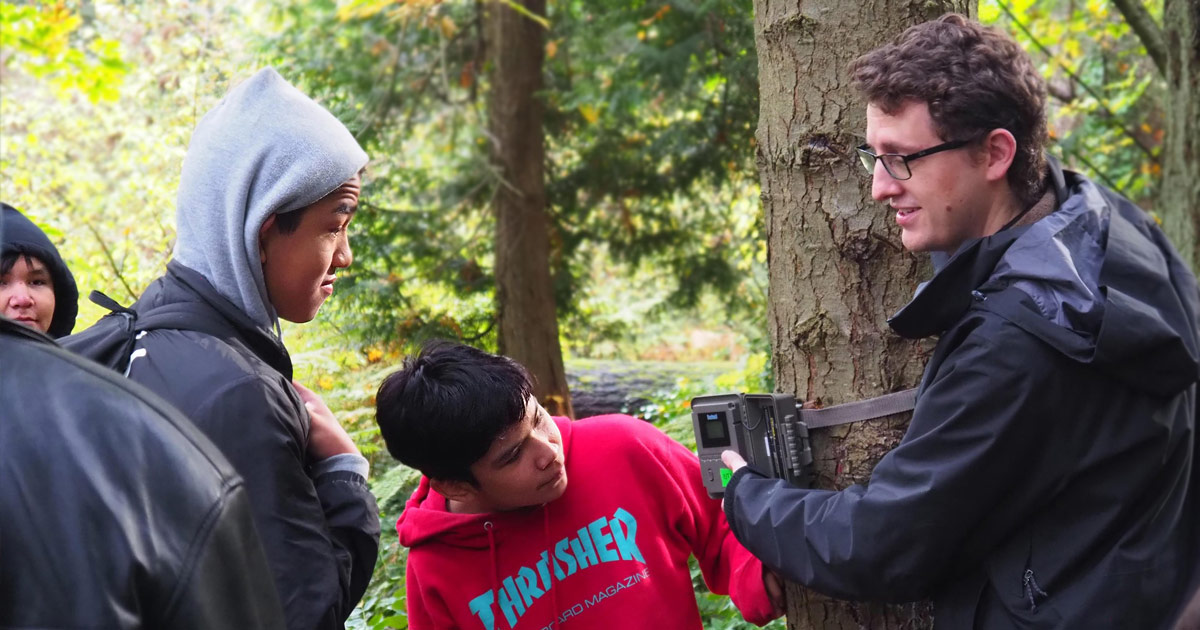
Tyler Jessen helps some young Salish Sea Emerging Stewards on campus to examine a remote sensing device.

Collaborating with the next generation
As I walk onto campus at the University of Victoria, I am surrounded by the hustle and bustle of students scurrying off to their classes. For the students, their familiarity with the area makes their travel effortless as they weave and bob through the buildings and walkways. As a visitor, the school is a giant…
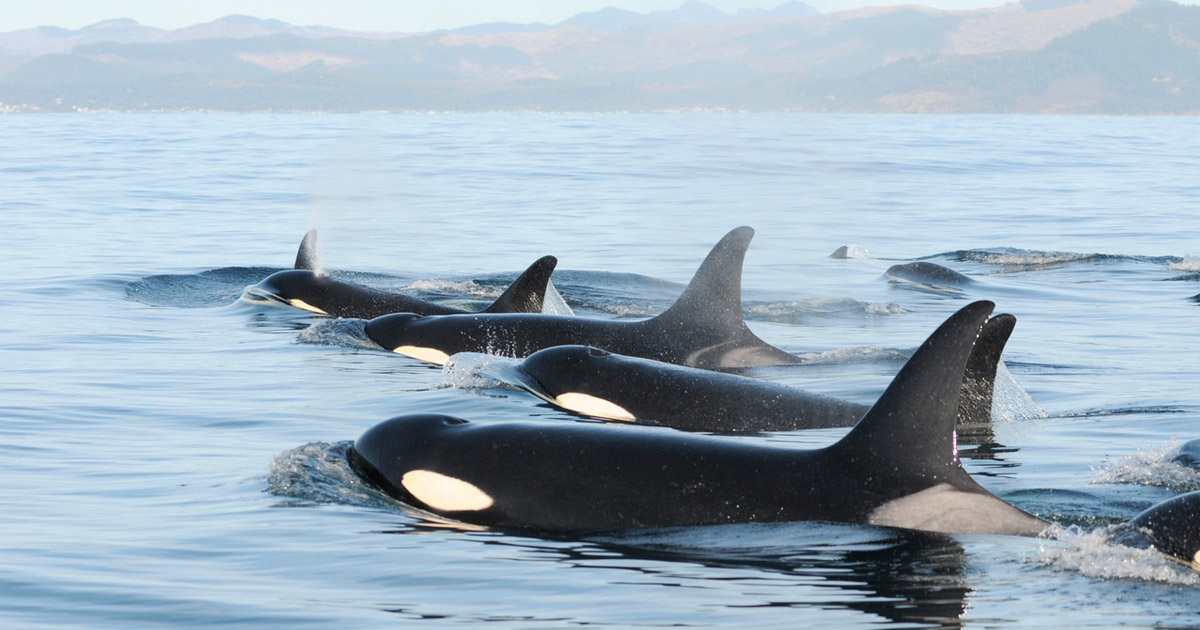
Southern Resident killer whales on the surface of the blue Salish Sea.

We are headed to the Supreme Court for Southern Resident killer whales

Today, Raincoast takes our work to protect Southern Resident killer whales from the Trans Mountain pipeline expansion all the way to the Supreme Court of Canada. Working with Living Oceans Society and our legal team at Ecojustice, we have filed an application for leave to appeal to the Supreme Court. We are arguing that the…
J50 and J42, Southern Resident Killer Whales swim in the Salish Sea.

Trans Mountain Expansion & Southern Resident killer whales: Project timeline

Raincoast Conservation Foundation represented by Ecojustice have worked through the courts to protect Southern Resident killer whales from the threats posed by the Trans Mountain Expansion project.  Timeline 2013 – Raincoast and Living Oceans, legally represented by Ecojustice, file as formal intervenors in the National Energy Board’s review of Kinder Morgan’s Trans Mountain Expansion (TMX)….
A group of people standing in front of a building with totems painted on it.

Gvukva’áus Haíɫzaqv. House of the Haíɫzaqv, it’s always been here

The Haíɫzaqv (Heiltsuk) community of Waglisla (Bella Bella) who have been our friends, supporters and partners for over a generation, were about to celebrate the historic opening of the stunning new Gvukva’áus Haíɫzaqv (house of the Haíɫzaqv) with a five day potlatch celebration. Over 3000 people were expected. Knowing that accommodations were limited in the…
A bear stands or floats in the water eating a giant salmon.

Where bears, fish, and humans roam

Transitioning between seasons can often push your senses to work overtime. This is especially true in summer and autumn in the Atnarko River corridor, where the river comes alive with Chinook, chum, pink, sockeye, and coho salmon runs. The smell of a river containing spawned-out fish is unforgettable, and one I have grown fond of….