
Plastic pollution

Photo by April Benze.

Plastic pollution is choking our waterways and threatening the health of fish and wildlife. We are collecting plastic and microplastic data as part of our community-oriented water pollution monitoring program. We are collaborating on research projects with universities, governments and experts in the field. We are providing advice to local, regional and federal governments on plastic science, policies, and regulations. We are working with Ocean Diagnostics to support a strong science-based foundation for solutions.


Lots of garbage on a beach.
Photo by Simon Ager.
People working together to take samples of water in jars.
Photo by Alex Harris / Raincoast Conservation Foundation.

Our approach

  • Design a source identification toolbox for plastic pollution; 
  • Working with Indigenous and coastal communities to document plastic pollution and track this back to its source;
  • Conduct research on the source, transport and fate of micro and macroplastics in the environment;
  • Engage in outside-the-box dialogue with industry and governments to support more sustainable design, manufacturing and processes that stem the release of plastics during the life cycle of a product;
  • Support community-oriented outreach and training to support solution-oriented actions and capacity building.

Plastics are everywhere

Plastics from just about every sector can now be found all over the world – from mountain tops to the seafloor, from the Arctic to the Antarctic, and from our homes to the ocean. A modern-day scourge that is blighting remote beaches and shorelines, getting mistaken for food by wildlife, and getting into the foods that nourish us. Whether it’s the structural features of plastic products that suffocate, entangle, or create intestinal blockages – or the endocrine disrupting-contaminants that serve as ingredients of the product (e.g. Bisphenol A or phthalate esters) or as hitchhikers soaked up by plastics in the environment (e.g. PCBs or metals) – plastics are harmful.

Underwater photo of plastic floating near the top of the water.
Chinook salmon swim in a river as seen from head on; epic.
Photo by Fernando Lessa.

The impact on the environment

Without a dramatic re-think, the plastic crisis is here to stay. Despite the best intentions of governments, industry, and consumers to reduce, recycle or re-use, global plastic production continues to enjoy exponential growth. And the unintentional loss to the environment of plastic products and byproducts will continue – plastic bags, bottles, and fishing gear, as well as the discharge of microplastics through domestic and industrial waste. With that will come a constant stream of items that will be mistaken for food but offer zero nutrition, that will entangle wildlife, and will deliver endocrine disruptors to our aquatic food webs. We will document impacts, share findings, and work for change through science, community engagement, and expert advice.

Recent articles

Drone image of the floodplain in the Fraser River Estuary at sunset.

Cycles, seasons and sediment of the Fraser Estuary

The Soul of the Fraser by Ken Ashley, Director of the British Columbia Institute of Technology (BCIT), tells the story of the important intertidal habitat in the Fraser River Estuary.
A wolf prances across the ice with all four feet frozen in time floating above the ice, a chart floating in the distance.

Recommendations towards greater transparency in the science, science communication, and values-driven processes of natural resource management
A new paper, published by a team of researchers including Raincoast scientists, dives into the tangle of cognitive bias, institutional agendas, human interests, and pays special attention to the role of undisclosed value judgments.
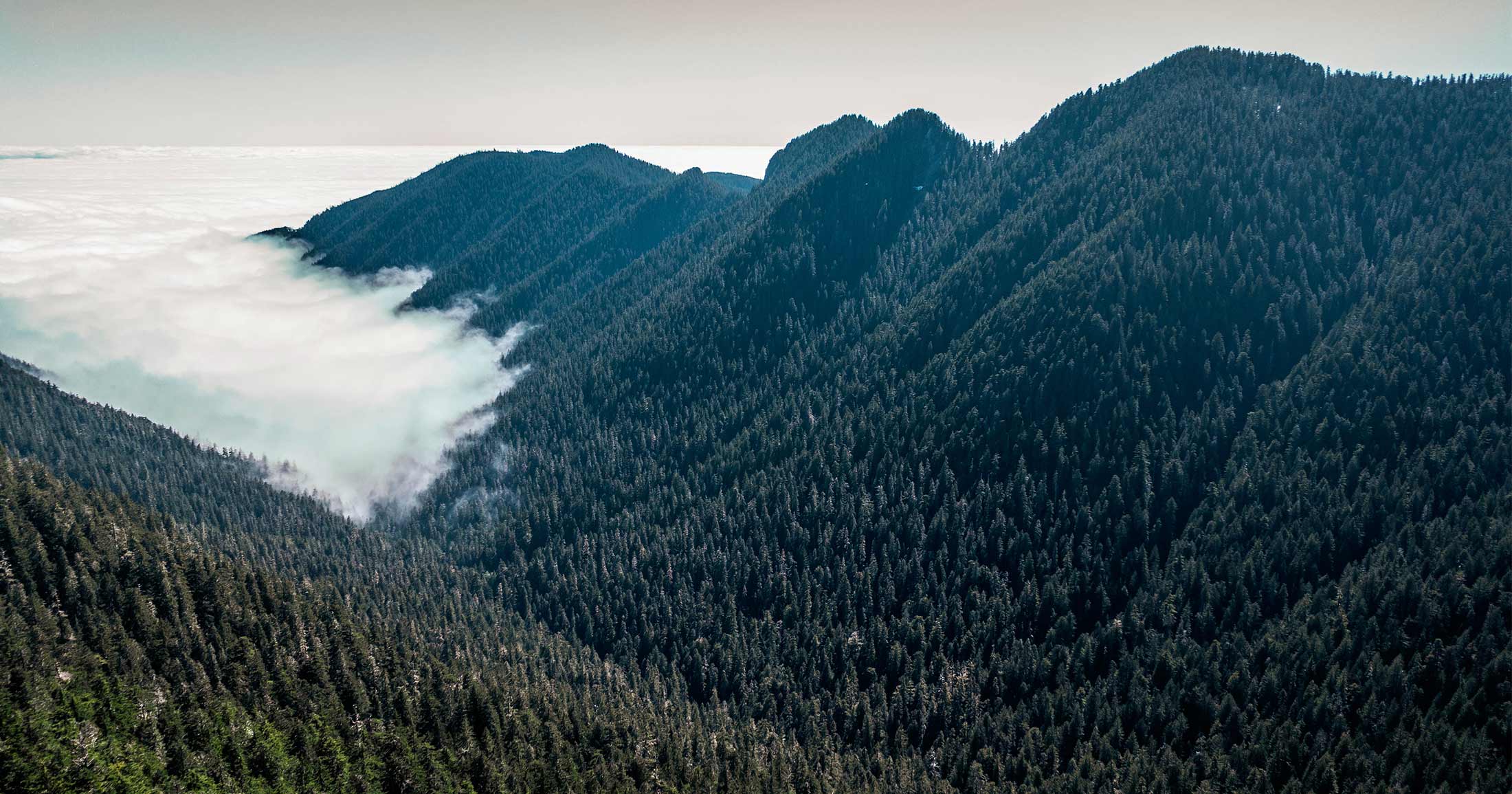
Drone image taken above Fairy Creek - an unlogged watershed.

Big trees, big stumps and broken promises
For the last two years, I’ve been documenting clearcut logging on Salt Spring Island, and with Raincoasts’s Gulf Islands Forest Project, on Pender Island too. On a small island such as Pender, these relatively small clearcut patches can have a disproportionate impact on the landscape. I wanted to go to the Fairy Creek Blockade to see this intact watershed and support the Indigenous people and land defenders who’ve been protecting this place.
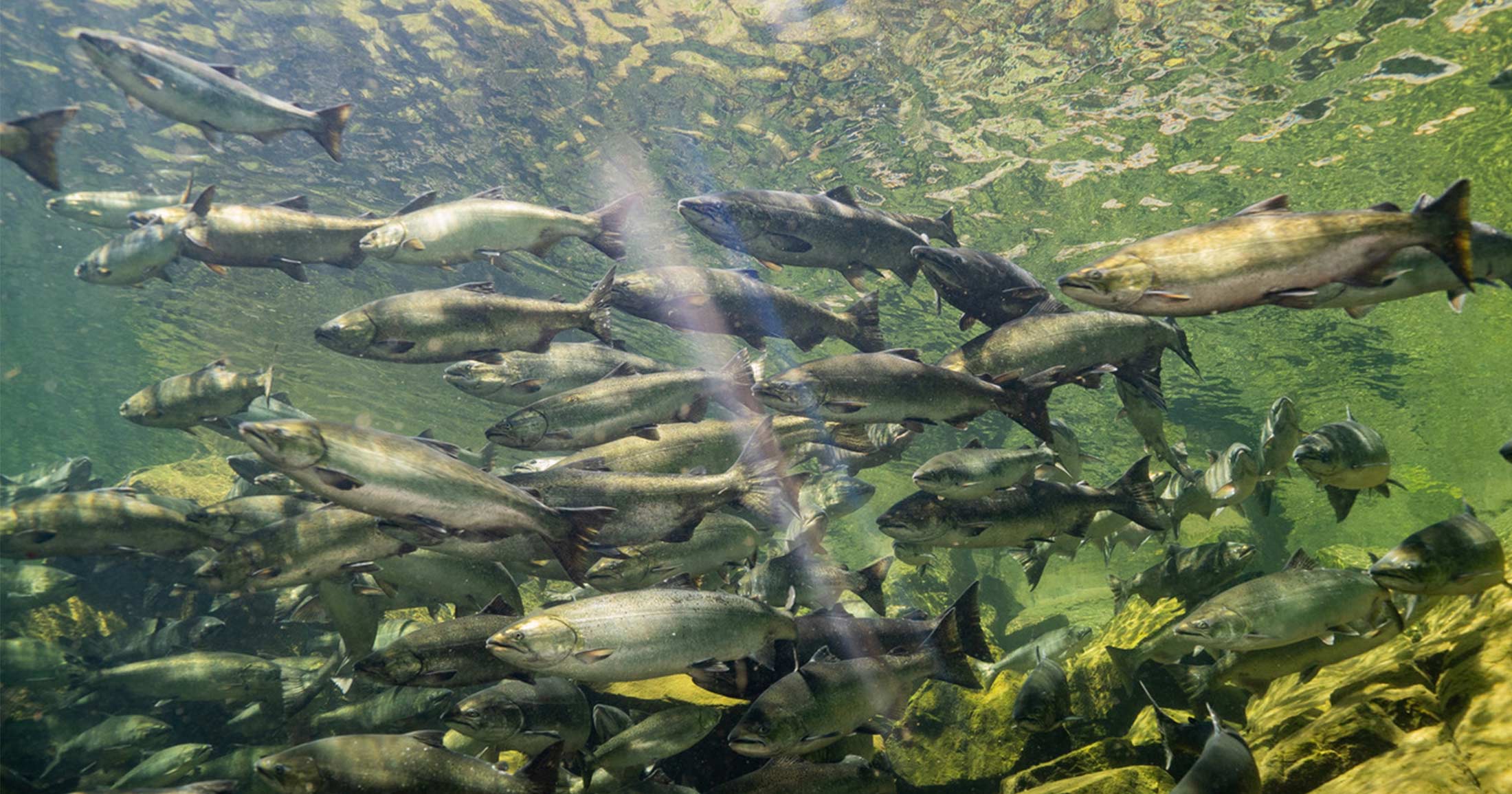
Underwater view of a school of Chinook salmon swimming.

Funding habitat restoration and conservation in the Lower Fraser Region
The AFER Network features working groups to provide space for focused discussion of key topics related to conservation initiatives in the Lower Fraser. On June 17th from 1-3 pm, we are launching our Funding and Fiscal tools Working Group, which will discuss what a post-covid funding world could look like, shifts in funders’ strategic focus, and the role of Diversity, Equity, and Inclusion in shaping funding priorities.
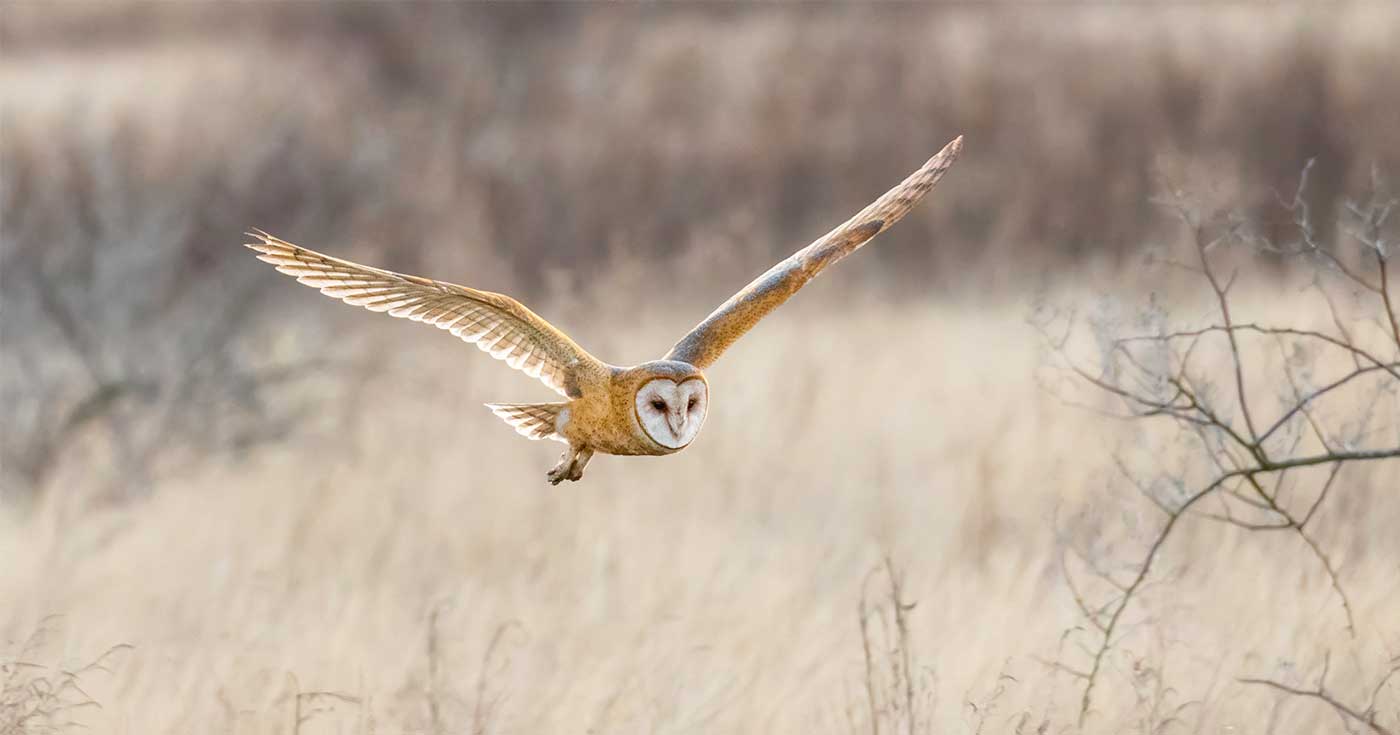
A barn owl flows low over the grass in the estuary with wings spread.

Rooting people to place through the Connected Estuary webinar series
Over the course of the Connected Estuary webinar series, we explored the connectivity and ecological importance of the Fraser River Estuary to a myriad of species, including Pacific salmon, Southern Resident killer whales and migratory birds.
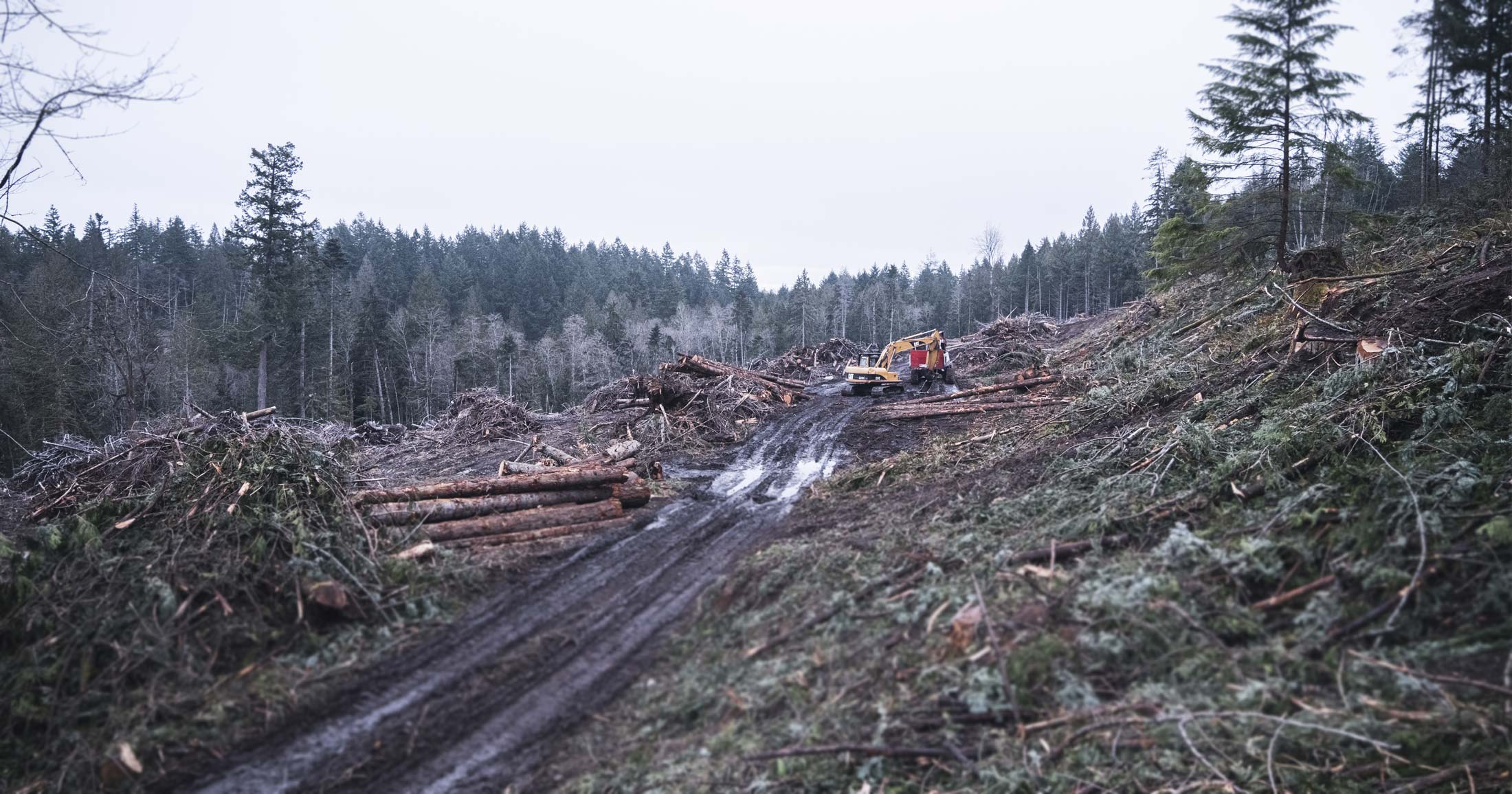
A cutblock covered in cut trees and muddy roads with a large digger on the Gulf Islands.

Cumulative impacts a serious problem for Gulf Islands forests

The Gulf Islands represent 33.2% of the provincial extent of Coastal Douglas-fir forests and associated habitats which are among the most biodiverse in the province. Yet, this region is also the most degraded.
Landscape drone photo of the Kamloops landscape.

The painful truth of colonization

In light of recent evidence of the unmarked graves of 215 children that have been found at the former Kamloops Indian Residential School in Canada, we express our deep condolences to the Tk’emlúps te Secwépemc, Residential School Survivors and all Indigenous people who continue to be affected.
Underwater shot of a chum salmon in the Fraser River

Join us for the last webinar of our Connected Estuary series

In Episode 6, we will build on this learning with Morgan Guerin, a community member, past Councilor, and Senior Marine Planning Specialist for the Musqueam Nation. Morgan is also an artist who has developed materials for the c̓əsnaʔəm exhibit at the Musqueam Community Cultural Centre and he continues to share his knowledge, expertise and teachings through tool-kits for use in schools and other communities.