
Plastic pollution

Photo by April Benze.

Plastic pollution is choking our waterways and threatening the health of fish and wildlife. We are collecting plastic and microplastic data as part of our community-oriented water pollution monitoring program. We are collaborating on research projects with universities, governments and experts in the field. We are providing advice to local, regional and federal governments on plastic science, policies, and regulations. We are working with Ocean Diagnostics to support a strong science-based foundation for solutions.


Lots of garbage on a beach.
Photo by Simon Ager.
People working together to take samples of water in jars.
Photo by Alex Harris / Raincoast Conservation Foundation.

Our approach

  • Design a source identification toolbox for plastic pollution; 
  • Working with Indigenous and coastal communities to document plastic pollution and track this back to its source;
  • Conduct research on the source, transport and fate of micro and macroplastics in the environment;
  • Engage in outside-the-box dialogue with industry and governments to support more sustainable design, manufacturing and processes that stem the release of plastics during the life cycle of a product;
  • Support community-oriented outreach and training to support solution-oriented actions and capacity building.

Plastics are everywhere

Plastics from just about every sector can now be found all over the world – from mountain tops to the seafloor, from the Arctic to the Antarctic, and from our homes to the ocean. A modern-day scourge that is blighting remote beaches and shorelines, getting mistaken for food by wildlife, and getting into the foods that nourish us. Whether it’s the structural features of plastic products that suffocate, entangle, or create intestinal blockages – or the endocrine disrupting-contaminants that serve as ingredients of the product (e.g. Bisphenol A or phthalate esters) or as hitchhikers soaked up by plastics in the environment (e.g. PCBs or metals) – plastics are harmful.

Underwater photo of plastic floating near the top of the water.
Chinook salmon swim in a river as seen from head on; epic.
Photo by Fernando Lessa.

The impact on the environment

Without a dramatic re-think, the plastic crisis is here to stay. Despite the best intentions of governments, industry, and consumers to reduce, recycle or re-use, global plastic production continues to enjoy exponential growth. And the unintentional loss to the environment of plastic products and byproducts will continue – plastic bags, bottles, and fishing gear, as well as the discharge of microplastics through domestic and industrial waste. With that will come a constant stream of items that will be mistaken for food but offer zero nutrition, that will entangle wildlife, and will deliver endocrine disruptors to our aquatic food webs. We will document impacts, share findings, and work for change through science, community engagement, and expert advice.

Recent articles

An illustration of Southern Resident killer whales bunching in a beautiful green ambient light.

A gift of abundance for Southern Resident killer whales

As 2017 draws to a close, all of us at Raincoast are buoyed by the news that grizzly hunting across the entirety of British Columbia will finally end. Thank you for supporting our 20+ years…
A grizzly bear looks out over the misty forests of the Great Bear Rainforest.

Jubilation over NDP decision to stop grizzly hunting in British Columbia

Raincoast Conservation Foundation is hailing the NDP government’s announcement ending grizzly hunting in not only the Great Bear Rainforest, but the entire province. It is an enormous conservation victory for wildlife in British Columbia…
Tracking Raincoast into 2018: A bright red salmon sits rests on the bottom of a stream filled with fish.

Tracking Raincoast into 2018

It’s always exciting to release Tracking Raincoast and this year’s edition comes with a great collection of good news. We have raised close to $150,000 of our $500,000 target for the Nadeea commercial trophy hunting tenure! The Nadeea hunting tenure is the next step in saving the Great Bears…
A Sitka Spruce shows how much money we've already raised: $150,000.

On our way to securing the Nadeea tenure

We launched the campaign to raise $500,000 to purchase the Nadeea commercial hunting tenure the end of November. Now on behalf of Raincoast and our Coastal First Nations partners, I’m happy to report significant progress…
Three bears, a mother and cubs, stand in the grass and water, with some words overtop: "Policy cannot be dictated by science alone..."

Trophy hunting: Science on its own can’t dictate policy

Science can predict outcomes of policy options, but how society ought to act is ultimately decided by values. The hunting ban aligns with most of society’s moral compass: trophy hunting of inedible animals is no longer acceptable…
A collection of portraits of professional people.

Thank you to the Community Fund and the provincial employees who thought of us

The Provincial Employee Community Services Fund (PECSF) is a volunteer driven organization working with BC Public Service employees. It’s pronounced pek-sef. It’s an employee-driven, giving program. They make it easy for provincial employees to make tax deductible donations to registered charities, including Raincoast…
Holding up our Green Business of the Year Award notice, with Saanich fields in the background.

Saanich Peninsula Chamber of Commerce Green Business Award
This fall, Raincoast was recognized with the Green Business of the Year Award. We’re honoured to accept this award and look forward to more years of being a good neighbour and committed team of scientists and conservationists…
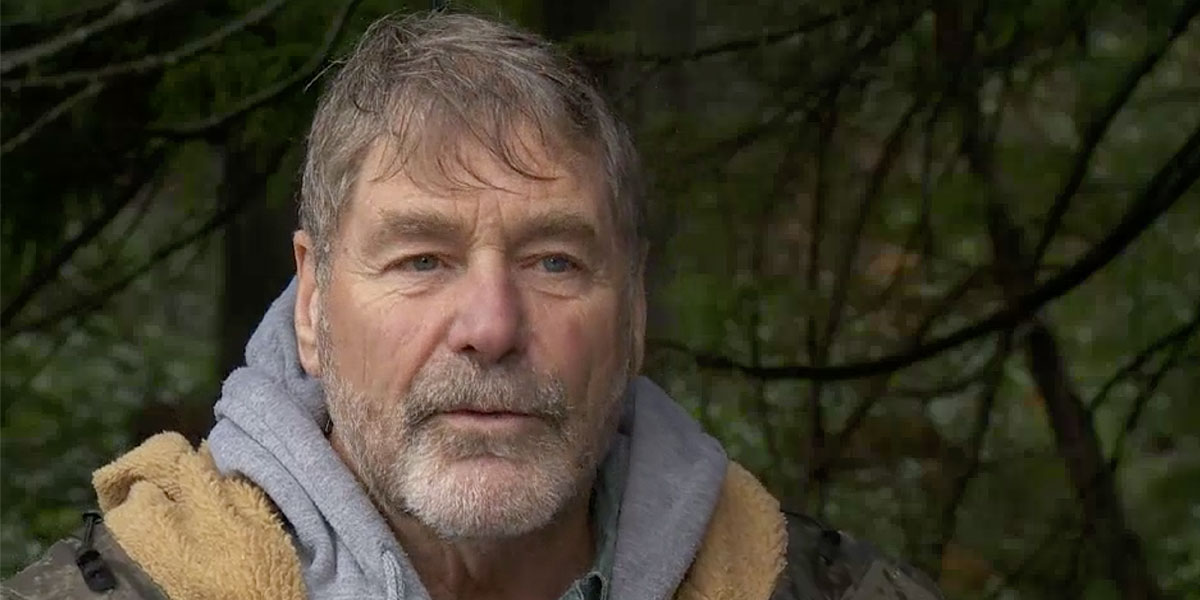
Brian Falconer stands in a rainforest and explains the importance of securing the Nadeea tenure.

Brian Falconer on Global News: Conservation group secures virtual end to all hunting in critical part of Great Bear Rainforest

Raincoast’s Brian Falconer speaks to Global News about the importance of the new campaign to secure the Nadeea commercial hunting tenure and end trophy hunting …