Conservation Genetics Laboratory 

Our conservation genetics research addresses threats to cetaceans, fish, and coastal carnivores. 

The Conservation Genetics Lab is an integral part of Raincoast’s efforts to protect the land, waters and wildlife of coastal BC. The DNA and RNA analysis we perform provides our scientists with reliable insights into the population structure, health, diets, and resilience and genetic isolation of coastal species. The lab works closely with our Cetacean Conservation Research Program and also helps answer important questions for our other conservation initiatives. 
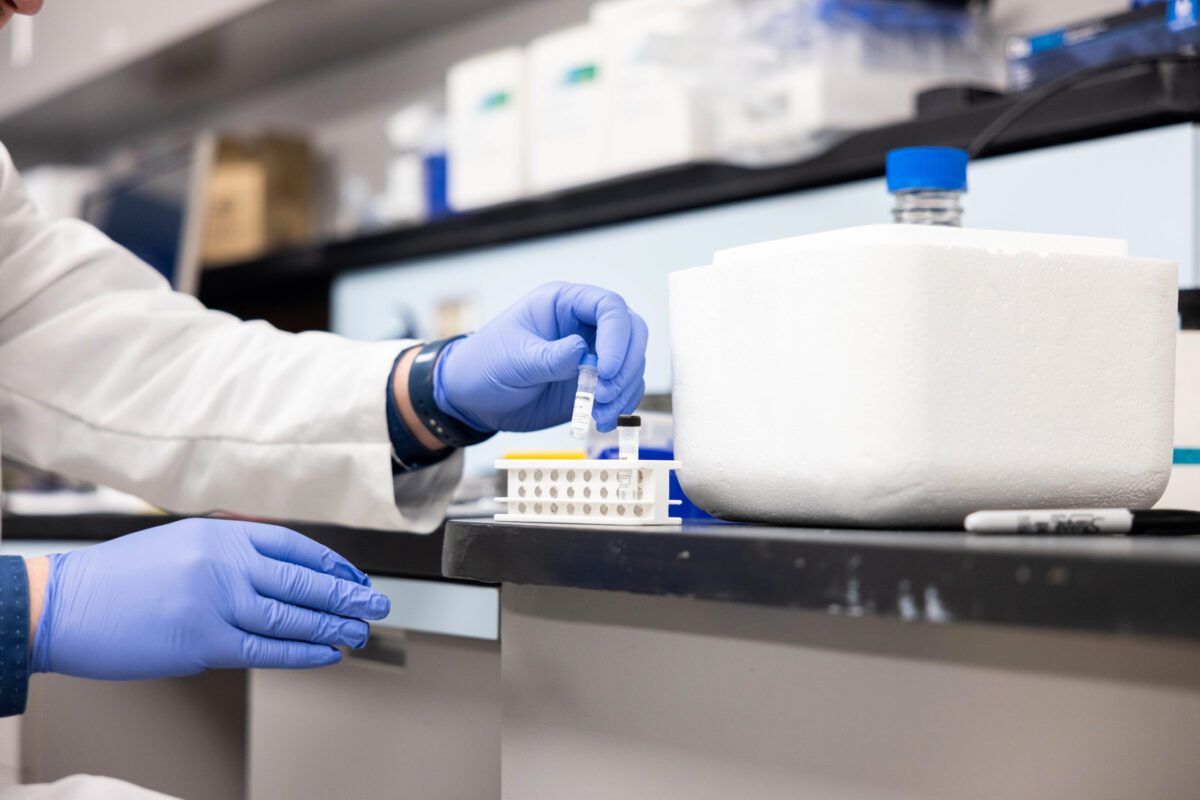
Two hands wearing blue gloves holding and organizing beakers.
Research scientist Adam Warner holding two small beakers while wearing a lab coat in a lab.

Cutting edge genetics and genomics analysis

The Raincoast Conservation Genetics Lab is equipped with a complete set of instrumentation to conduct molecular biology and genetics, including cutting-edge DNA sequencing technology. Our Research Scientist, Dr. Adam Warner, has extensive experience in genetics, genomics and DNA sequencing, has set up our lab space and has begun to carry out this research under the guidance of our Cetacean Research Program directors Dr. Lance Barrett-Lennard and Dr. Valeria Vergara. The lab works alongside Fisheries and Oceans Canada, which is hosting our lab space at the Pacific Science Enterprise Centre.

Understanding killer whale diet

A lack of sufficient Chinook salmon in the diets of Southern and Northern Resident killer whales has been linked to declines in population health. Our lab has the ability to extract and analyze salmon DNA from Resident killer whales feces, to identify the salmon stocks of most importance to the whales. Since we can identify the individual whales that produced fecal material genetically, we can link other health metrics such as stress hormone levels (also found in the fecal material) to individual killer whales. 
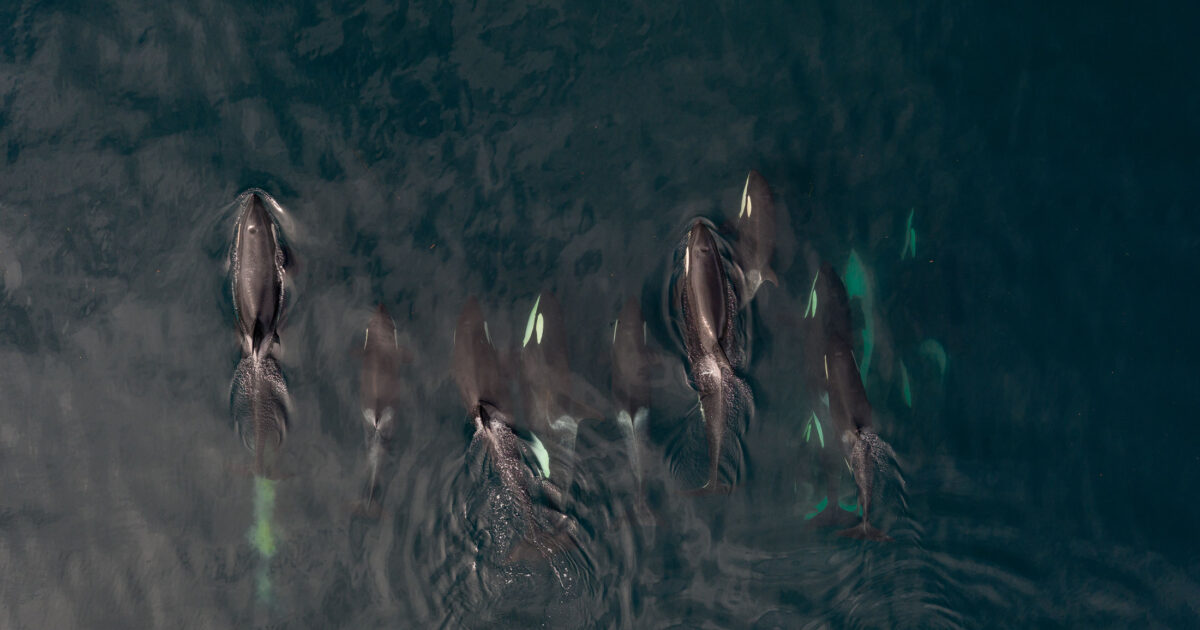
Overhead photo of a pod of killer whales swimming in the ocean.
Photo by Raincoast Conservation Foundation, taken under SARA Research License XMMS-2-2022.
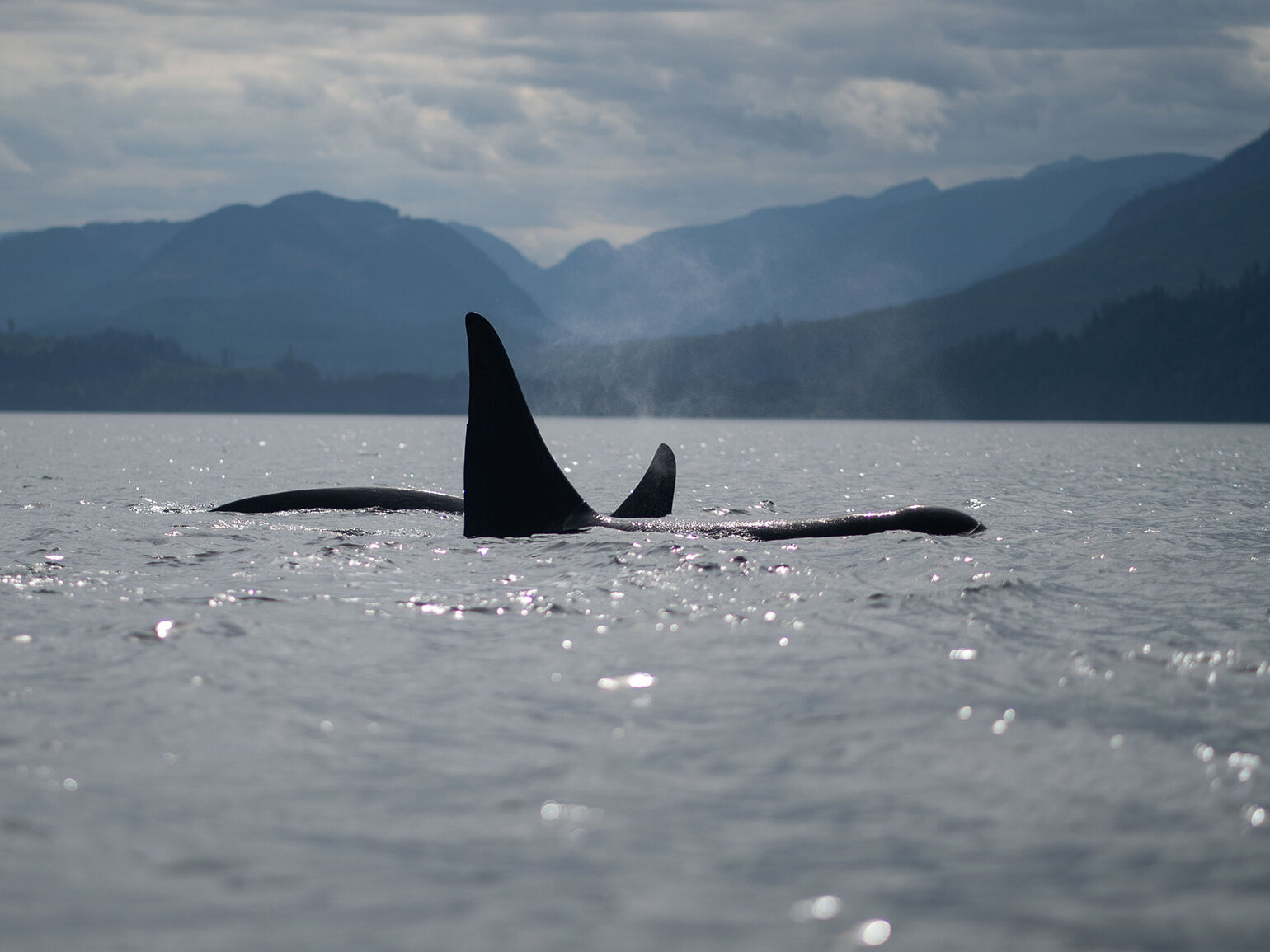
Two killer whales surfacing on the ocean.
Photo by John Kelsey.

Killer whale population health and dynamics

Killer whales live in small populations that from their size alone would appear to be vulnerable to negative effects of inbreeding.  We recently sequenced the entire genomes of 142 members of the Northern Resident population to directly  assess inbreeding, genetic diversity, and immune system strength. We are comparing this information in this dataset to one for Southern Residents compiled by NOAA in the United States. This will help us gain insight into the comparative health of these important fish-eating populations of killer whales. We are also finalizing a study of inbreeding in marine mammal-eating Bigg’s killer whales, which will inform our understanding of similarities and differences between North Pacific killer whale populations.

Environmental DNA to aid research focused on wild salmon and coastal wolves

Our research on wild salmon and coastal wolf populations has the potential to be expanded through the use of environmental DNA (eDNA) monitoring and analysis. Through eDNA, we can track and assess salmon populations and determine abundance and diversity. Using wolf scat samples we can identify specific individuals, their sex, and the prey consumed. By learning more about these important populations, we hope to drive policy change to protect biodiversity.

Research scientist Adam Warner holding two small beakers while wearing a lab coat in a lab.
Photo by Alex Harris / Raincoast Conservation Foundation.

Recent articles

Forest and Humpbacks drawn over a map of the Hecate Strait.

Humpback whales, artistic cartography, for the coast

Watching these magnificent creatures work in unison to catch their meal was truly inspirational and became the idea behind my first Artistic Cartography piece for Raincoast. Listening to them, via the hydrophone that Captain Nick dropped over the side, still makes the hair on the back of neck stand on end and solidified the artistic idea that this hunting method had to be painted…
A single Southern Resident killer whale surfaces in the Salish Sea.

No half measures for Southern Resident killer whales
Right now, as we anticipate the return of these endangered whales to the Salish Sea, the federal government is considering exactly what measures they will take to aid recovery in 2019. They are asking you for your input, and it is critical that you encourage them to make the right choice. Many voices are advocating for less ambitious recovery actions…
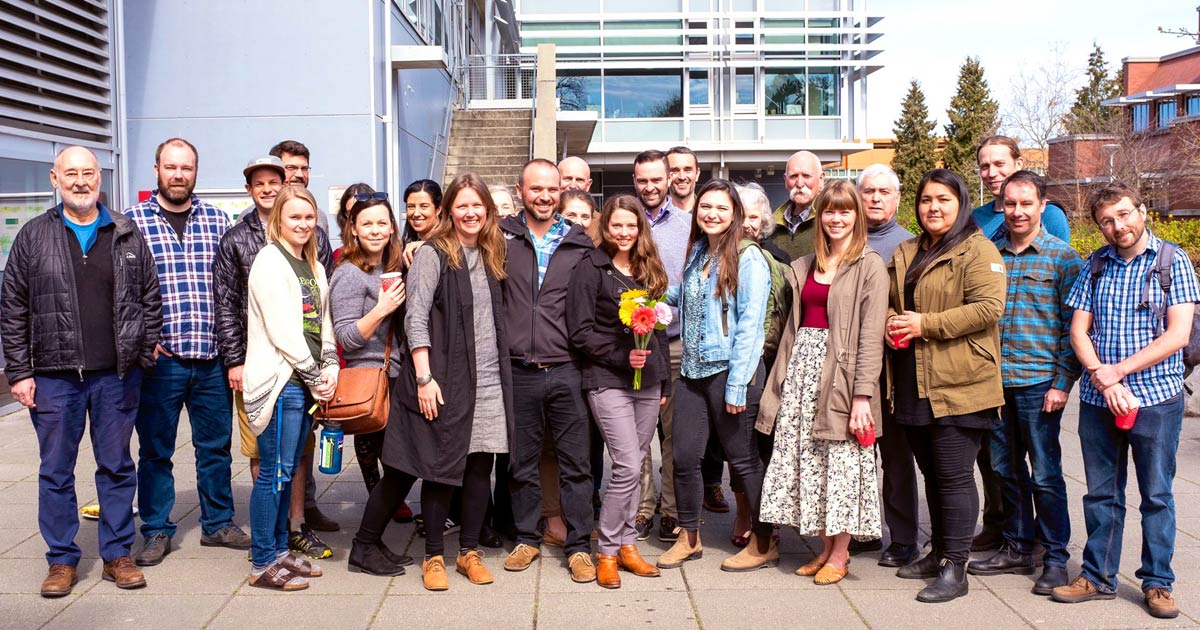
A group of scientists and students converge after Christina Service's dissertation defence.

The future of applied conservation science is bright

This has been a time of remarkable accomplishment for the Raincoast Applied Conservation Science Lab at the University of Victoria. The research that the lab produces is a dynamic mix of population analyses, biogeography, marine-terrestrial interactions and much more, all rooted in a ‘wildlife welfare’ ethic. Collaboration with Indigenous communities forms the hallmark of much of this work, which is being directly applied…
A wolf rests on the beach in the Great Bear Rainforest, with a chart from Figure 1 overlaid.

Research: Publication reform to safeguard wildlife from researcher harm

Scientists from Raincoast Conservation Foundation, University of Victoria, Alpha Wildlife Research & Management, and University of Saskatchewan reviewed more than 200 peer-reviewed academic journals that commonly publish wildlife research, evaluating the presence and comprehensiveness of ‘Animal Care’ requirements of authors. The study, “Publication reform to safeguard wildlife from researcher harm,” published as an open access article…
Chris Darimont speaks at Ocean Awards at the Vancouver Aquarium.

Oceans Awards win – Raincoast’s Dr. Chris Darimont honoured with Murray A. Newman Conservation Award

Darimont was recognized for the significance of his work as well as a career that already includes important and leading contributions, in coastal science and conservation…
Students aboard Achiever, cluster around the bow on the Salish Sea.

Creating transformative experiences for students on the Salish Sea

These experiences are transformative and what we strive to create for young people with the Salish Sea Emerging Stewards program. The program brings students on multi-day journeys aboard Achiever to learn about coastal environments and conservation challenges…
L121 and calf in the Salish Sea.

NEB recommends Trans Mountain proceed despite “significant adverse effects” to Southern Residents
The National Energy Board (NEB) has recommended that the Trans Mountain expansion project should proceed despite the “significant adverse effects” of oil tankers on the critically endangered population of Southern Resident killer whales. Although we disagree with the NEB’s conclusion, their review of the project effects on killer whales is forthright and portrays the severity of the current situation…
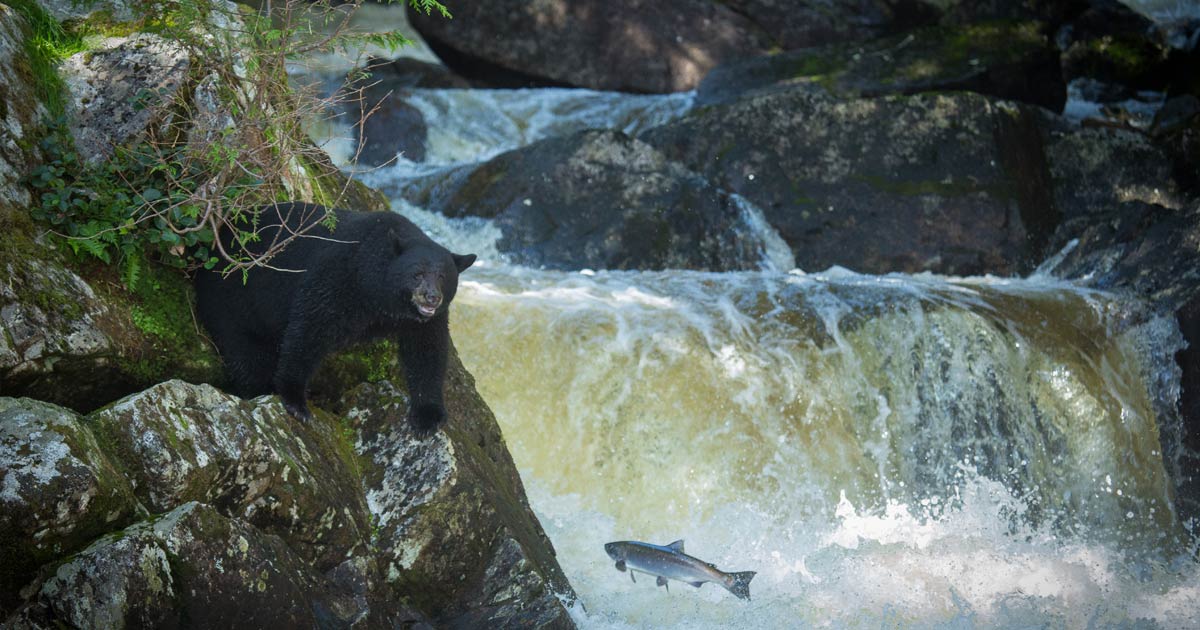
A black bear on the left is standing on large mossy rocks. There is a stream with a small water fall the right, and a salmon is jumping out of the water in the direction of the bear. The bear has its left paw extended. It looks like a sunny day, although the sky is not in the photo.

Diversity of salmon species a necessary metric to understanding how bears feed

Salmon biomass is a measure of the total kilograms of spawning salmon. Many who are in the role of implementing conservation strategies and policies think that when it comes to bears, or terrestrial wildlife, more salmon biomass simply means more eating. However, our recent research published…