Living Economies
We’re using science, economics, and policy to advance nature-positive economies in British Columbia.
Raincoast’s Living Economies Program explores how healthy ecosystems can support thriving local economies. We quantify the economic value of ecosystem services, habitat restoration, and conservation initiatives, while developing innovative approaches to finance and the delivery of conservation in salmon-bearing watersheds. By integrating economics, western science, conservation finance, and policy, we work to create solutions that generate employment, strengthen local economies, and support resilient communities across British Columbia.
Building on a decade of habitat restoration and job creation
The Living Economies Program builds on the success of Raincoast’s decade-long habitat restoration and conservation work in the Lower Fraser River. Over the past 10 years, our projects have removed barriers to fish passage, controlled invasive species, and restored critical habitat for wild Pacific salmon.
This work created employment for 50 people, with more than $885,576.48 in grant funding directly supporting local jobs. The projects brought together a diverse range of expertise, including biologists, Indigenous Knowledge Keepers, First Nations youth, environmental monitors, engineers, heavy machinery operators, construction consultants, archaeologists, and graduate students.
By investing in habitat restoration, this initiative has contributed to the recovery of endangered Pacific salmon while demonstrating that conservation can create meaningful employment opportunities – even within one of the most urbanized and highly modified landscapes in British Columbia.

Recent, from Raincoast
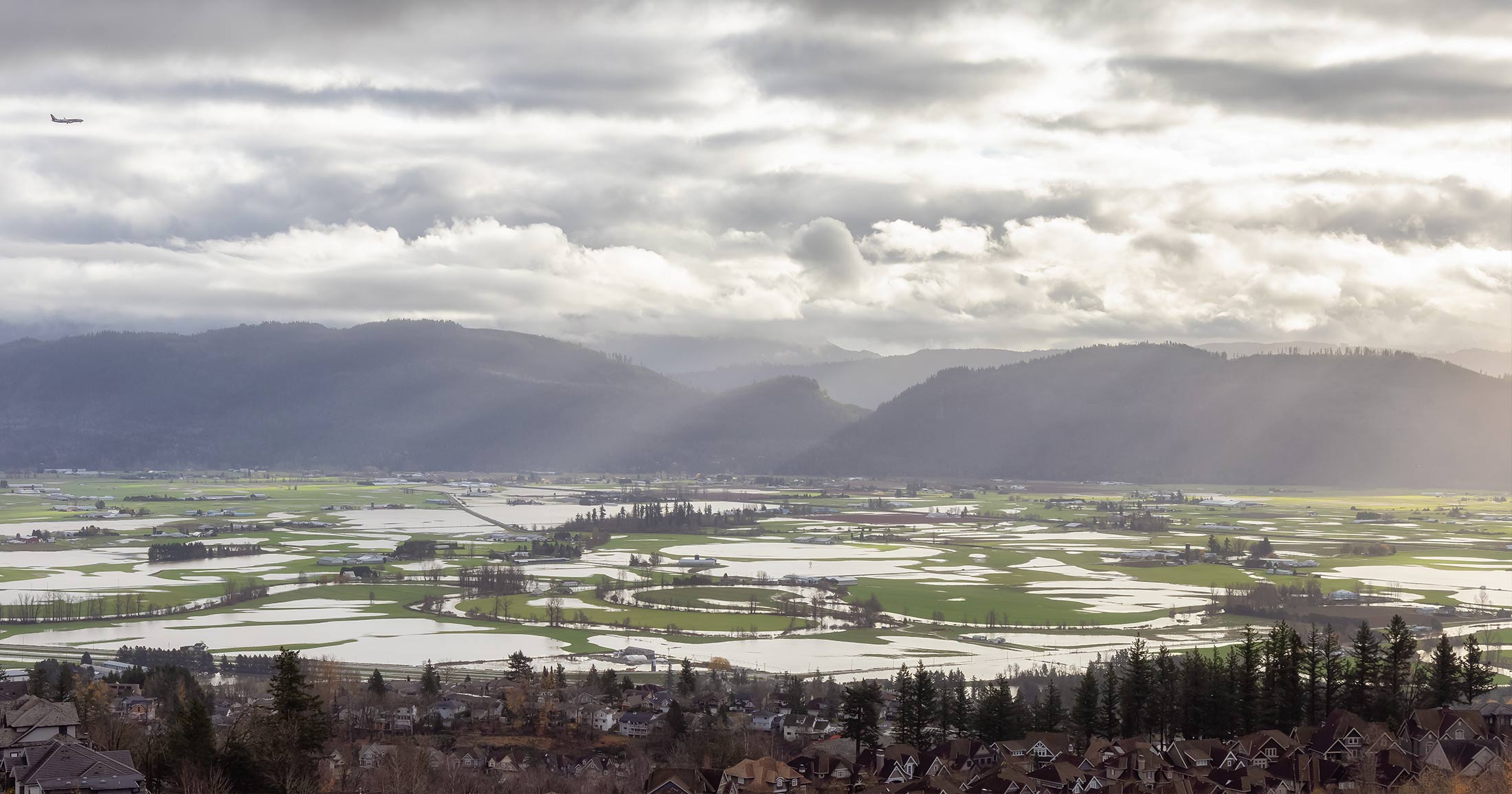
New study identifies the cost of restoring the Sumas Xhotsa (Lake) as a tool for reconciliation, climate adaptation, and ecosystem restoration

Monitoring salmon in our latest breach in the North Arm Jetty
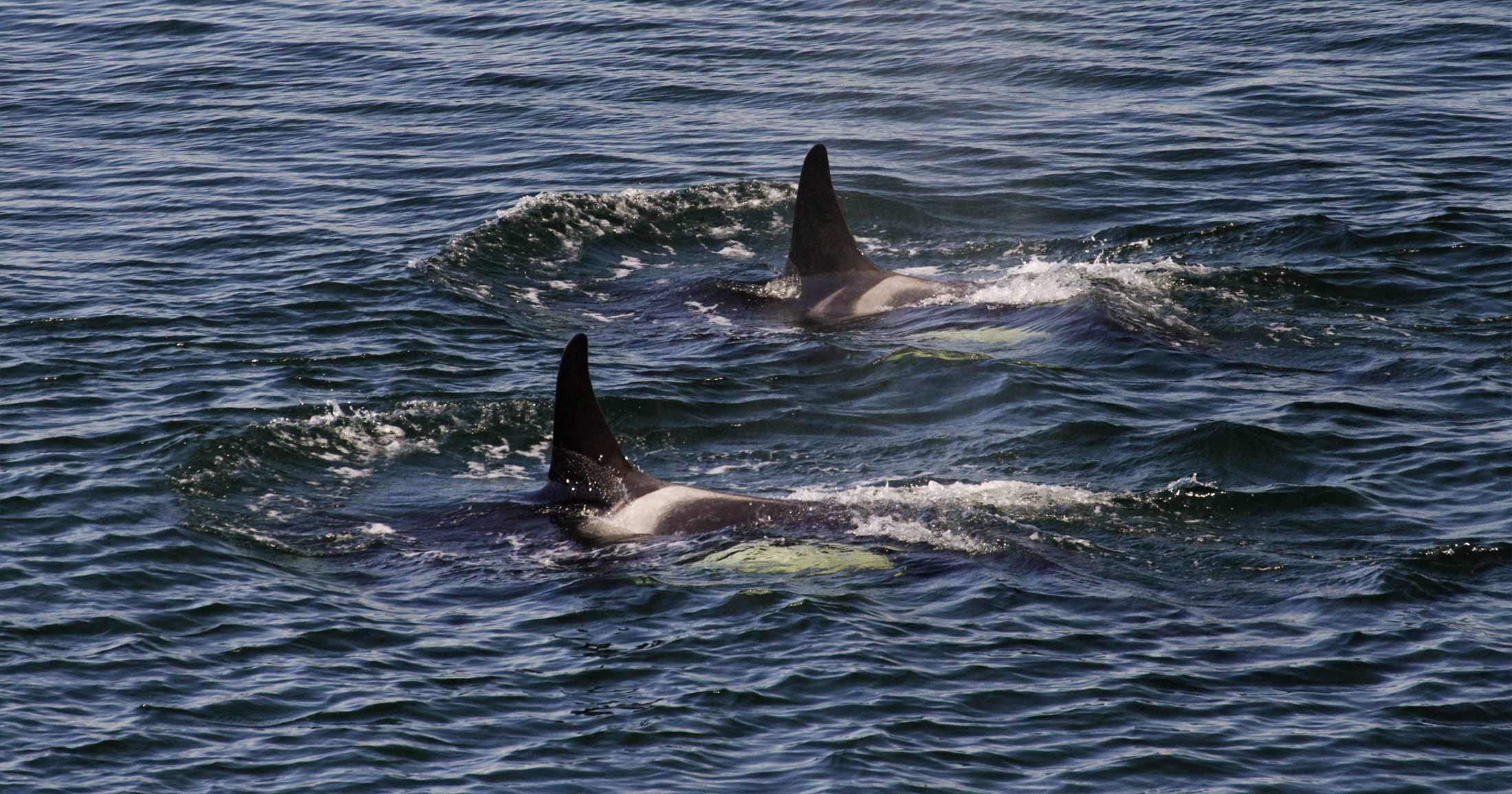
[Not] Living with the Trans Mountain pipeline expansion
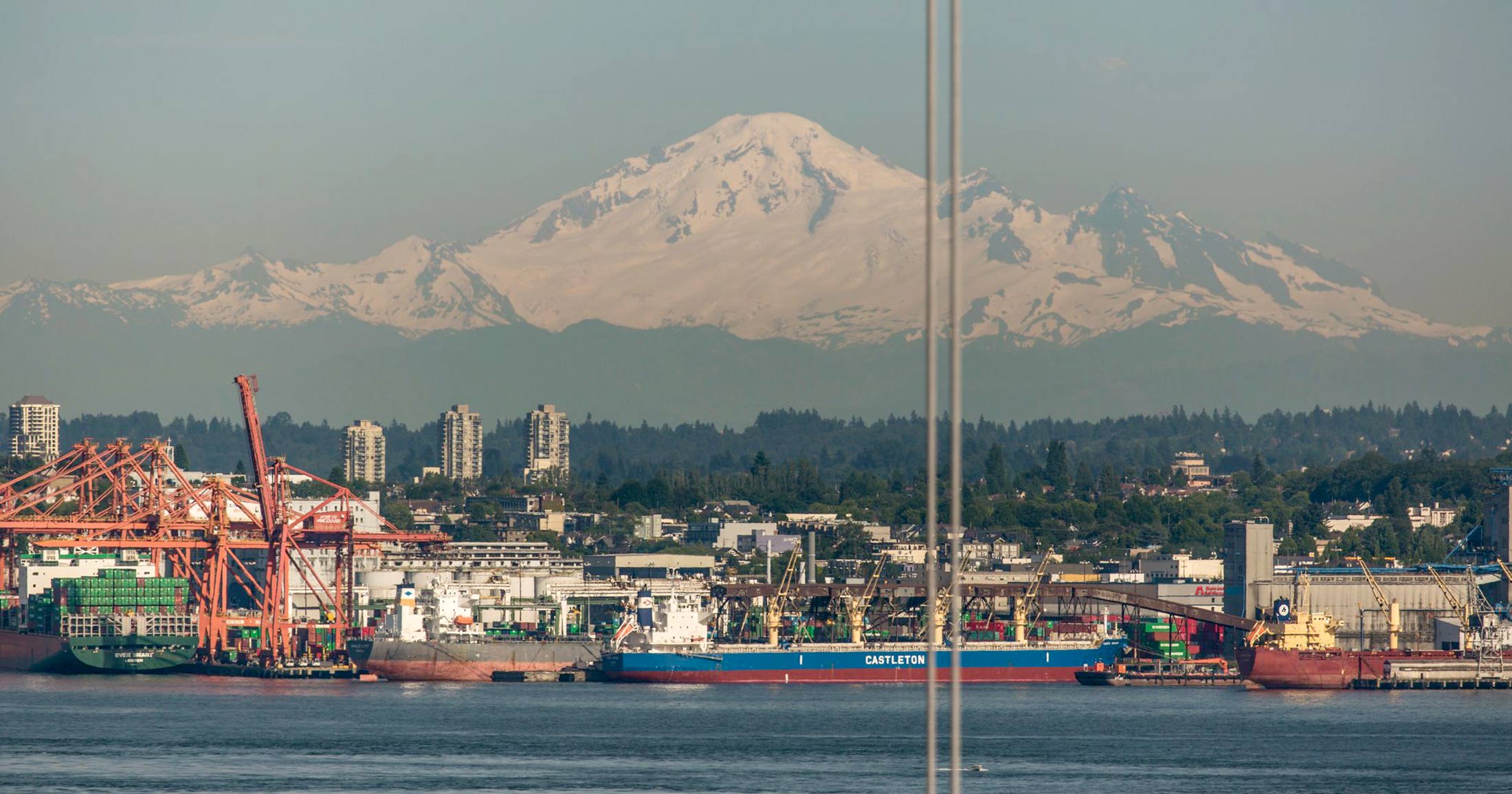
Building a resilient funding and decision-making structure for the Lower Fraser
Wild Salmon Day: Inspiring hope and action

Raincoast welcomes thirteen new team members who have joined our team for the summer

Nature-based Solutions: How restoring habitat protects people and wildlife