
Living Economies
We’re using science, economics, and policy to advance nature-positive economies in British Columbia.
Raincoast’s Living Economies Program explores how healthy ecosystems can support thriving local economies. We quantify the economic value of ecosystem services, habitat restoration, and conservation initiatives, while developing innovative approaches to finance and the delivery of conservation in salmon-bearing watersheds. By integrating economics, western science, conservation finance, and policy, we work to create solutions that generate employment, strengthen local economies, and support resilient communities across British Columbia.
Building on a decade years of habitat restoration and job creation
The Living Economies Program builds on the success of Raincoast’s decade-long habitat restoration and conservation work in the Lower Fraser River. Over the past 10 years, our projects have removed barriers to fish passage, controlled invasive species, and restored critical habitat for wild Pacific salmon.
This work created employment for 50 people, with more than $885,576.48 in grant funding directly supporting local jobs. The projects brought together a diverse range of expertise, including biologists, Indigenous Knowledge Keepers, First Nations youth, environmental monitors, engineers, heavy machinery operators, construction consultants, archaeologists, and graduate students.
By investing in habitat restoration, this initiative has contributed to the recovery of endangered Pacific salmon while demonstrating that conservation can create meaningful employment opportunities – even within one of the most urbanized and highly modified landscapes in British Columbia.


Conservation Economy Pilot
In 2026, we are launching a Conservation Economy Pilot that pairs innovative conservation finance mechanisms with habitat restoration to create a scalable model for nature-positive economic development in rural communities. The pilot will demonstrate how investments in ecosystem recovery can generate long-term employment, attract private and public capital, strengthen local economies, and improve outcomes for fish, wildlife, and people.
By bringing together diverse skill sets – from restoration practitioners and foresters to economists, Indigenous partners, engineers, and community organizations – the pilot aims to test a new model for delivering shared environmental and economic benefits that can be replicated across British Columbia.
Recent, from Raincoast

A true paradigm shift? Discerning the fine print of the provincial government’s draft Biodiversity and Ecosystem Health Framework
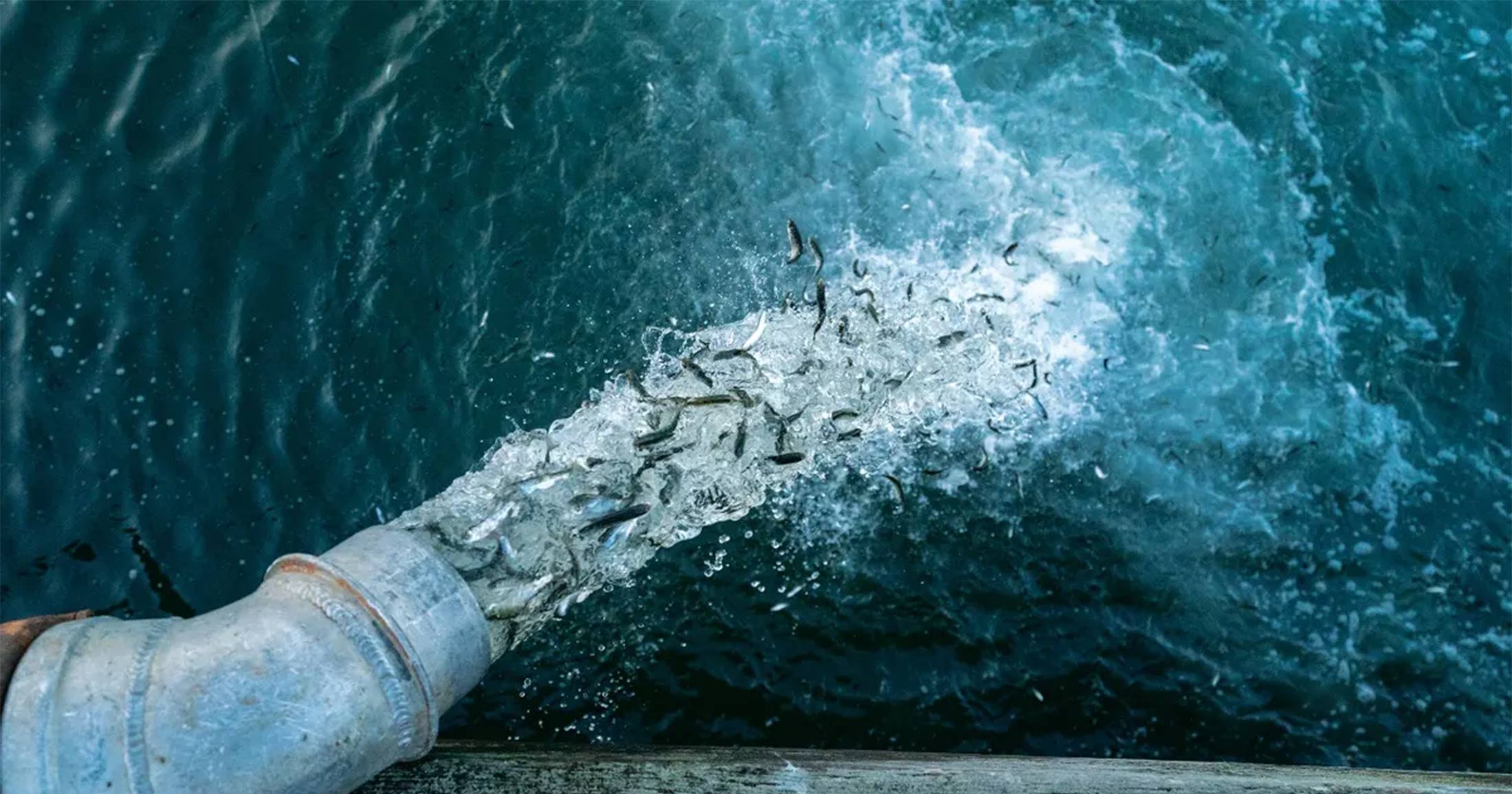
More hatchery salmon cannot help endangered killer whales

Backgrounder: The court case over the Southeast Alaskan Troll fishery on Chinook salmon

Guide government actions on Southern Resident killer whale recovery: Take the federal survey before February 12, 2024
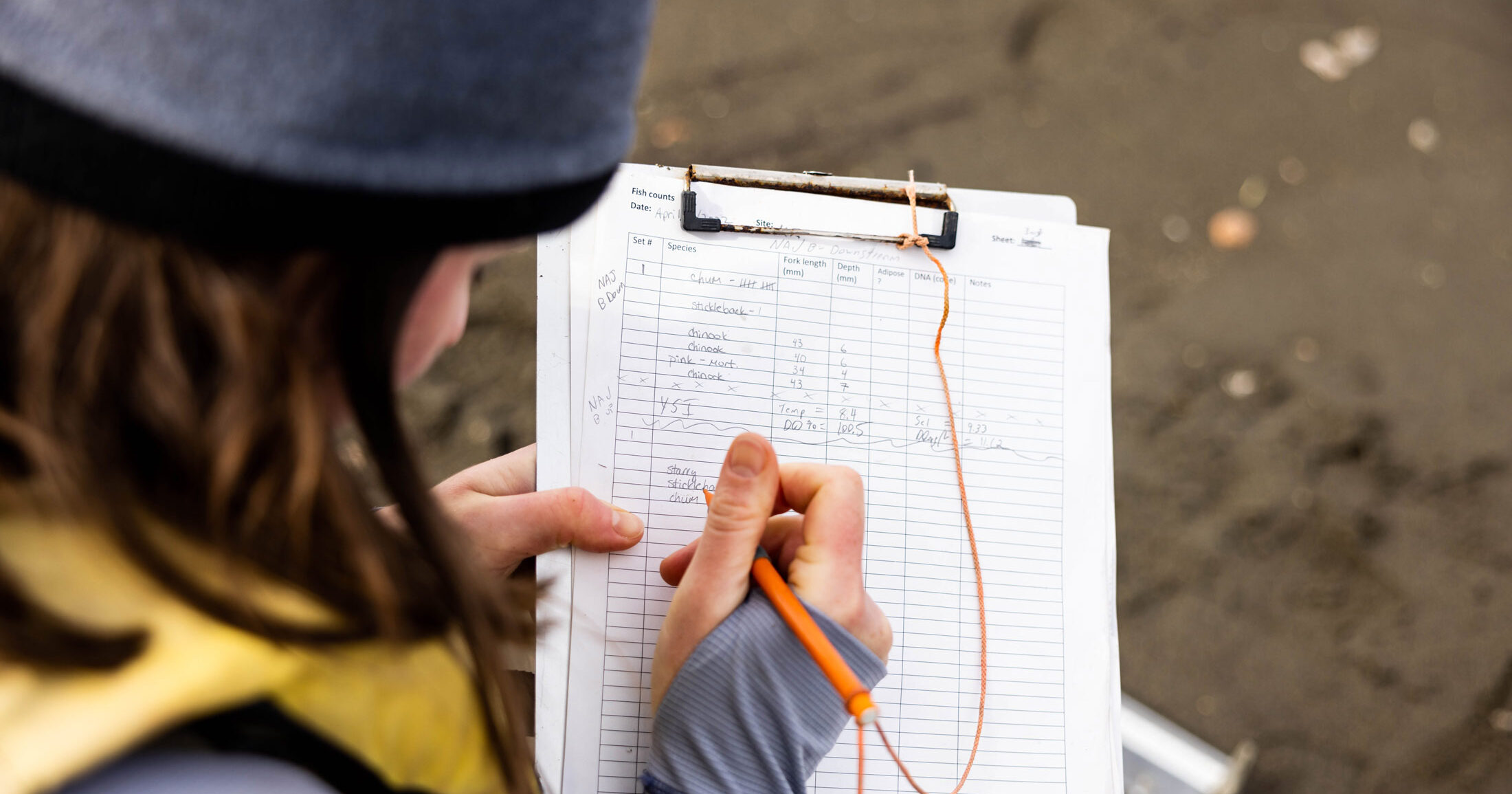
Job posting: Salmon Conservation Technician
Our wild dream: Wild salmon in wild rivers
Meet Dr. Adam Warner, Raincoast’s new Conservation Genetics Scientist
