“Smile, you’re on a wildlife camera!” on Haíɫzaqv territory
Working to better understand how variables such as forest age and salmon availability may influence species interactions with both the landscape and one another.


Persia Khan is a research associate and Raincoast Applied Conservation Science Lab liaison. Persia holds a BScHons from the University of Victoria and works on a variety of behavioural and genetic wildlife monitoring projects. More about Persia.

Working to better understand how variables such as forest age and salmon availability may influence species interactions with both the landscape and one another.
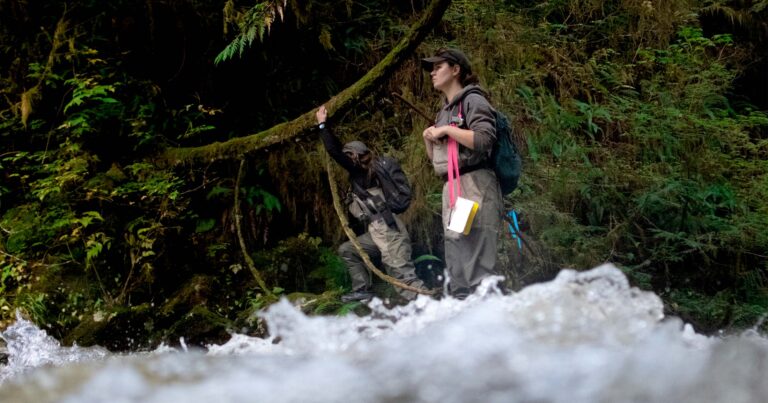
How Haíɫzaqv principles and ongoing research will guide our future.
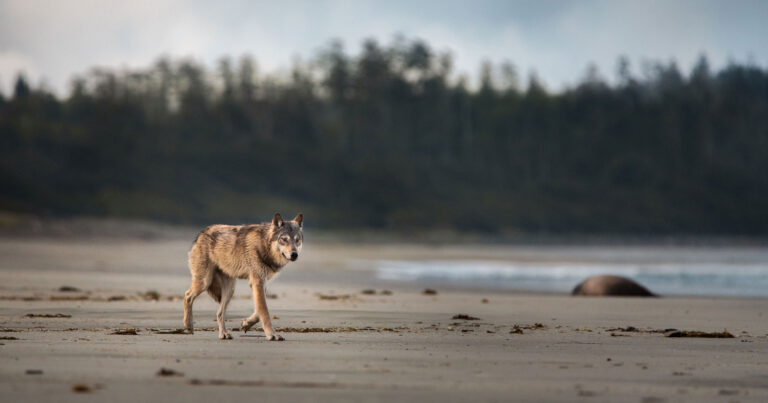
Protecting wolves is about more than one species – it’s about protecting ecosystems.
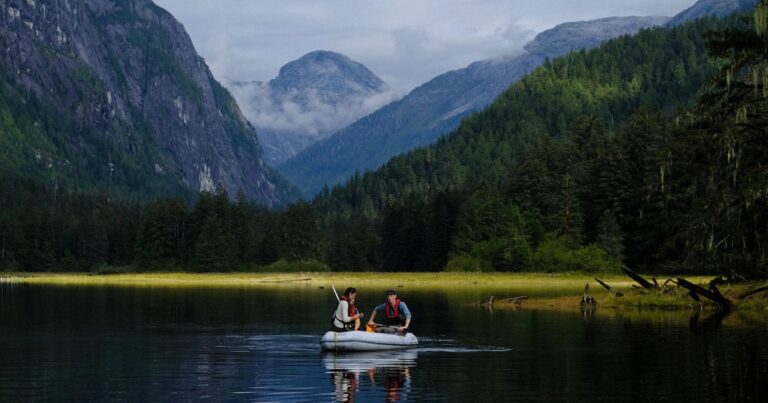
We know that old-growth forests provide many important services to coastal species, but when these environments are changed, how does the age, diversity, and structure of these forests influence wildlife communities? Over the past 14 months, a network of wildlife cameras in Heiltsuk Territory has been collecting images of coastal species so that managers and…
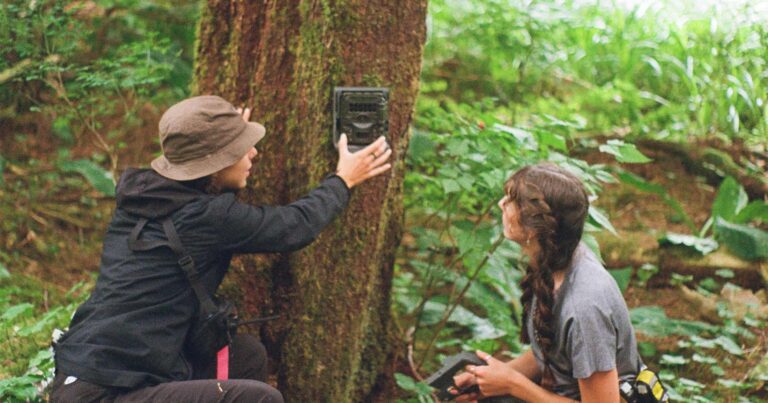
In partnership with the Heiltsuk Integrated Resource Management Department, we established a wildlife camera network in a large region of the Territory.

When the Enbridge Northern Gateway pipeline was cancelled I was just about to graduate high school. I was starting to find my own footing in the world and where my values aligned. I headed west from Alberta to start university without looking back. What I would learn over the next several years would ultimately shape…
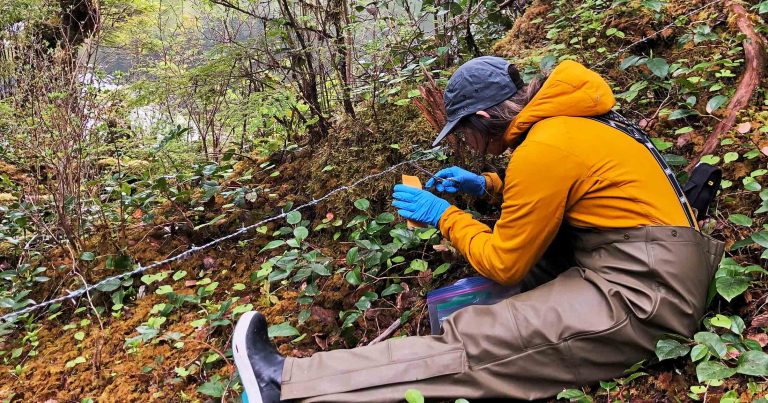
The Bear Project, originally started in 2006 by William Housty and his team at QQS (Eyes) Projects Society, focuses on gaining a greater understanding of bears in Heiltsuk territory.
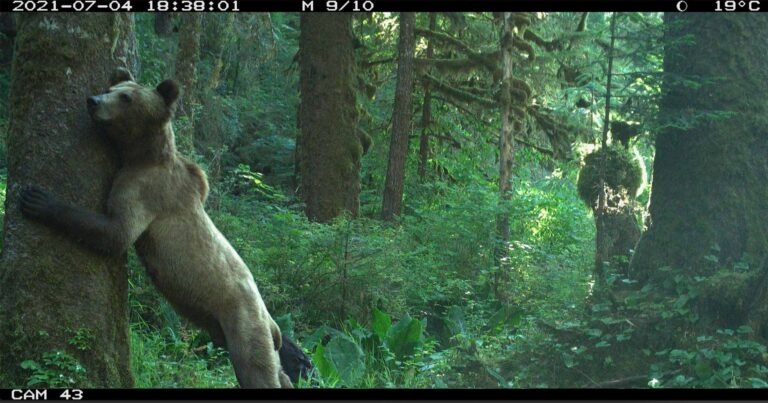
Remote cameras are assisting researchers at the Raincoast Applied Conservation Science Lab to answer pressing conservation questions along the coast of British Columbia. These cameras, deployed and managed in collaboration with First Nations partners, create unique possibilities for non-invasive wildlife monitoring.