What is conservation finance?
A brief introduction to the field of conservation finance, and how Raincoast will incorporate it into our work to advance a conservation economy pilot.

Kristen Walters is the Director of Salmon Habitat, Climate, and Policy. She has an M.Sc. from Simon Fraser University. Kristen is passionate about interdisciplinary approaches to conservation initiatives by collaborating with people of all backgrounds and professional fields. More about Kristen.
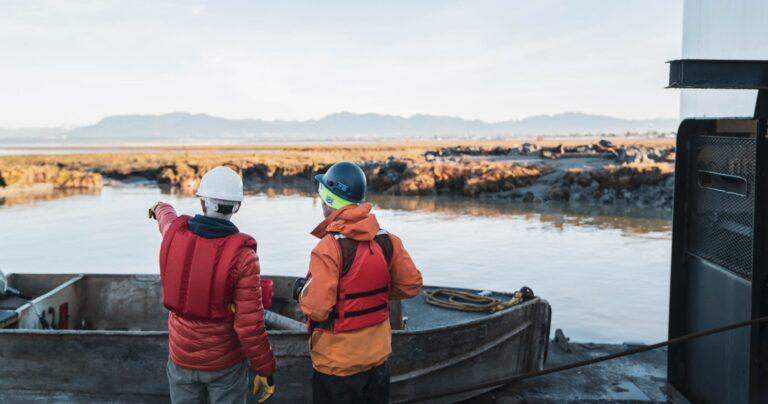
A brief introduction to the field of conservation finance, and how Raincoast will incorporate it into our work to advance a conservation economy pilot.
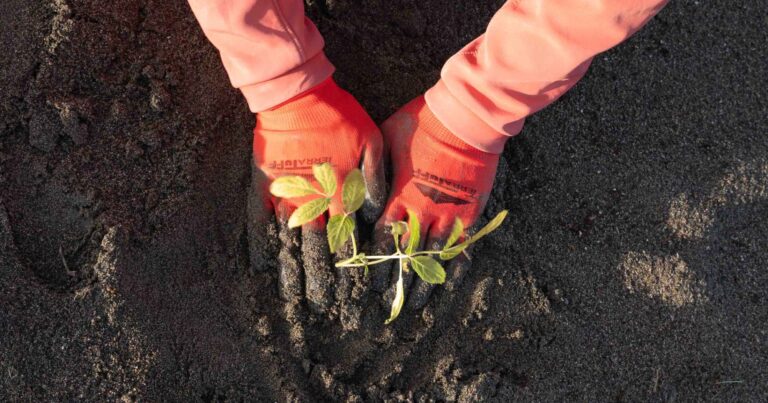
Raincoast’s newest program, Living Economies, will advance job creation, conservation finance, and habitat restoration in local economies.
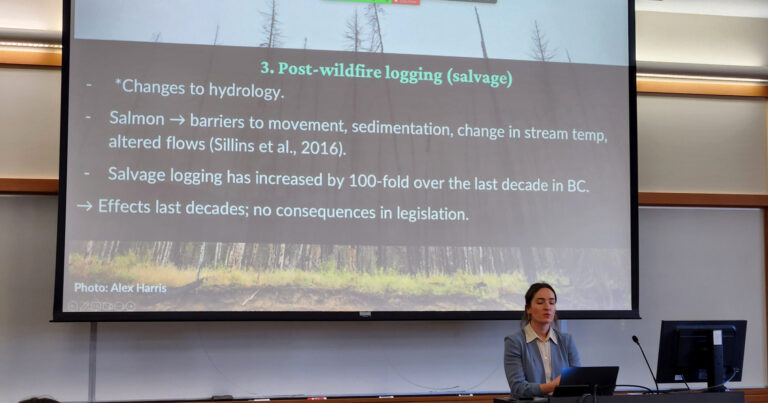
Raincoast biologists attended the 43rd gathering of the Public Interest Environmental Law Conference to present on forests, fire, water, and salmon.
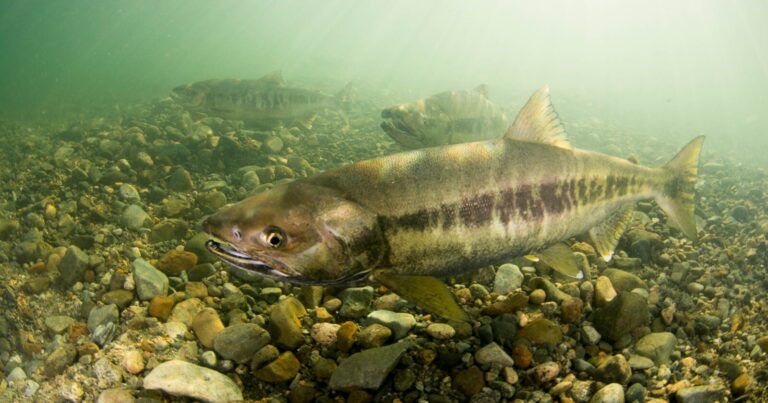
It is important to remember that our water, and the incredible fish that return to our watersheds, are one of our greatest natural resources and are an integral part of strong and resilient local economies.

We are restoring marsh habitats to improve conditions for juvenile salmon and other wildlife.
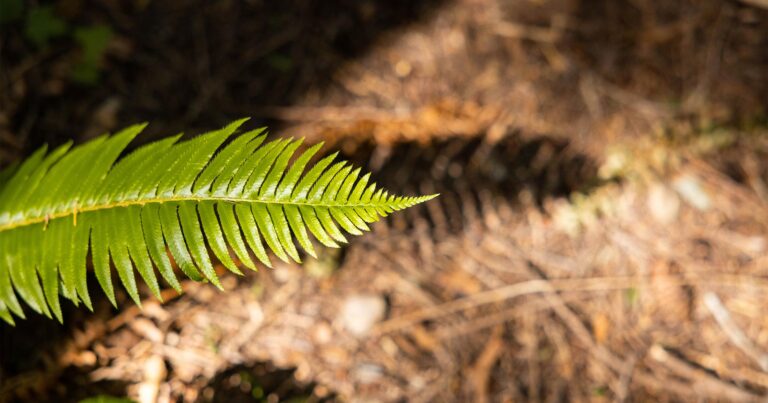
Bill C-73 is a much-needed piece of legislation that would give the National Biodiversity Strategy legal teeth, and make it enforceable by the courts.
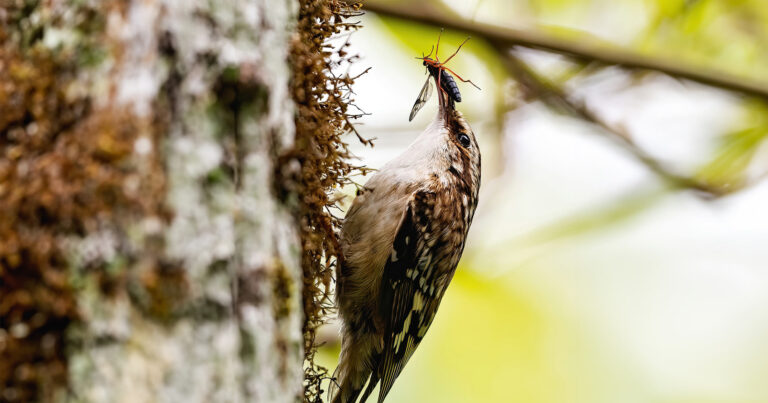
The final 2030 National Biodiversity Strategy addresses biodiversity-harming subsidies and promises an adaptive management approach, but lacks a clear plan on how it will be implemented.
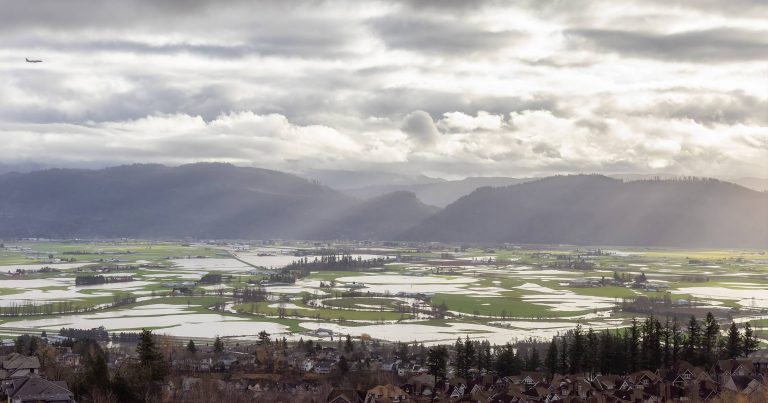
The research weaves together Indigenous laws with an economic analysis to determine the cost of implementing ‘managed retreat’ as a nature-based solution to flood risk in the Lower Fraser region.
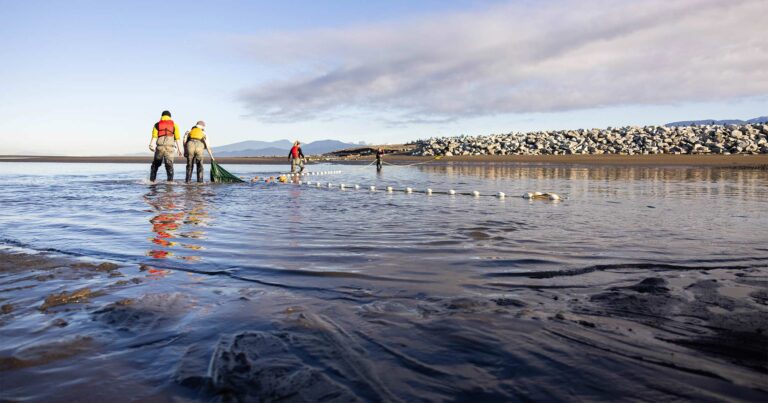
Climate change costs in BC are running in the billions of dollars per year; there are many benefits to Nature-based Solutions.
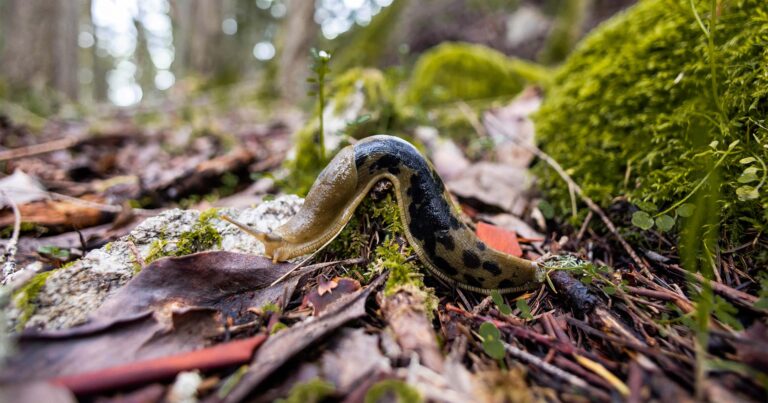
The recent federal 2030 Biodiversity Strategy outlines the path Canada will take to recover biodiversity, and protect and conserve 30% of lands and waters by 2030.
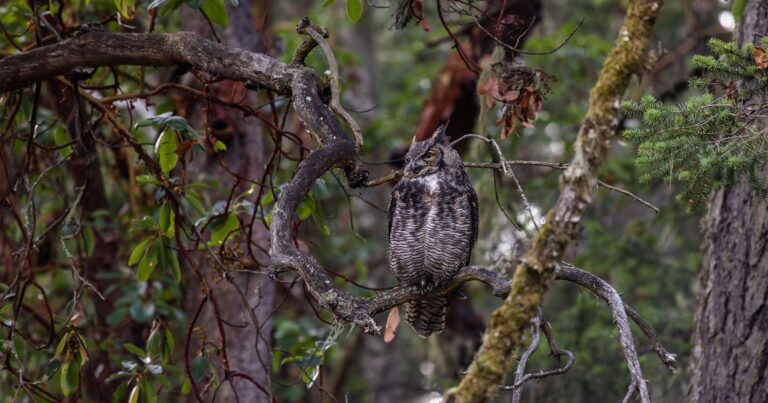
The provincial government proposes a more holistic approach to stewarding lands and waters through their Biodiversity and Ecosystem Health Framework. Our gap analysis reveals that the Framework lacks sufficient rigor and clarity regarding its intended legal power.

Will the province stand by as the federal government permits the destruction of vital salmon habitat in BC?