Skip to content
Raincoast Conservation Foundation logo with bear and salmon icon.Raincoast Conservation Foundation icon.
  • Give killer whales a voice
  • What we doExpand
    • Wild Salmon
    • Healthy Waters
    • Wolf Conservation
    • Safeguard Coastal Carnivores
    • Cetacean Conservation
    • Forest Conservation
    • Youth Education
    • Research vessel
    • Southern Resident killer whales
  • ScienceExpand
    • Peer-reviewed publications
    • Reports and books
    • Mapping
    • Conservation Genetics Lab
    • Applied Conservation Science Lab
  • AboutExpand
    • Team
    • Raincoast Ocean Science Awards
    • Tracking Raincoast
    • FAQ
    • Events
    • Raincoast store
  • newsExpand
    • Latest
    • Videos
    • Raincoast Radio
    • Press releases
    • Media contacts
Donate
Raincoast Conservation Foundation logo with bear and salmon icon.Raincoast Conservation Foundation icon.

What's new // UBC

UBC

Notes from the field
Raincoast Radio
Conservation updates
Raincoast updates
Press releases
Science literature
Reports and books
Investigate and inform
Backgrounders
Map science
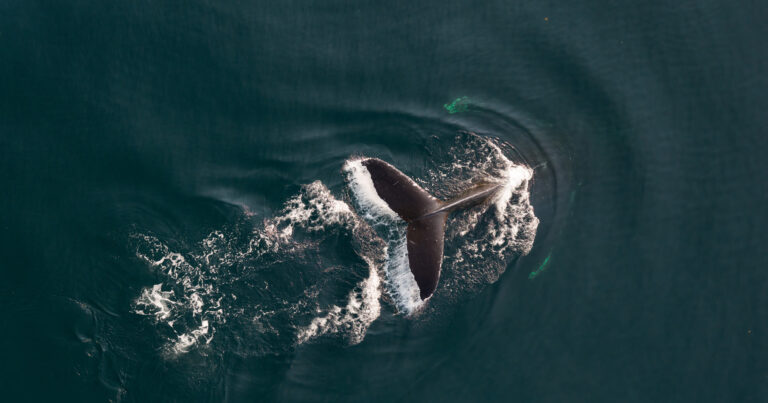
  • A whale dives down into the water, as seen from above, with their tail lifting out and the water drips down, surrounded by deep green.
    Tracking Raincoast

    From killer whales to humpbacks

    2025 January 292025 January 29

    One of our most striking findings in 2024 was a negative relationship between the health of females and the number of offspring they had.

    Read More From killer whales to humpbacksContinue

  • Kelp lays in a tangle in the Salish Sea.
    Scientific literature

    They’re everywhere: research finds polyester fibres throughout the Arctic Ocean

    2021 August 312024 July 8

    The presence of microplastics raises concerns that textiles, laundry and municipal wastewater may be an important source of these emerging pollutants.

    Read More They’re everywhere: research finds polyester fibres throughout the Arctic OceanContinue

  • A close up of two salmon in the bright light of the Fraser River with a map of lost streams and flood plains hovering above.
    Scientific literature

    Quantifying lost habitat for Pacific salmon in the Lower Fraser

    2021 August 122025 December 15

    Salmon have lost access to as much as 85 per cent of their historical floodplain habitat – the biologically rich wetlands next to a river or stream that typically harbour wildlife – due to dikes and similar infrastructure.
    Read More Quantifying lost habitat for Pacific salmon in the Lower FraserContinue

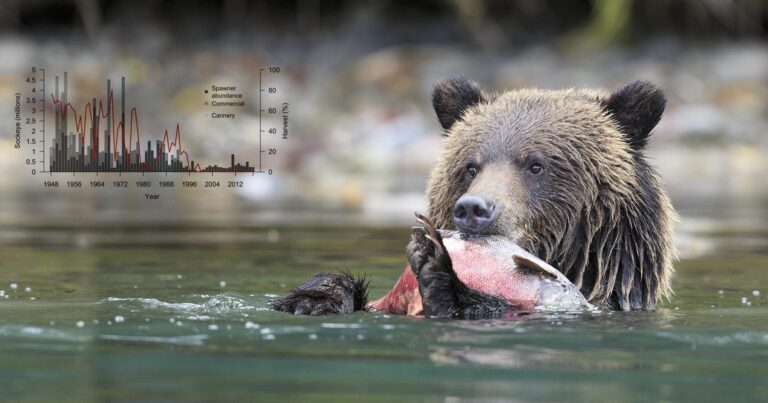
  • A grizzly bear sits in the water munching on a salmon in their hands.
    Scientific literature

    Research: Fisheries management of the Wuikinuxv bear-salmon-human system guided by n̓àn̓akila and data

    2021 August 72024 October 8

    Guided by the Wuikinuxv principle of n̓àn̓akila (to keep an eye on something or someone; a protector or guardian), a new study shows how fisheries managers can allocate salmon for wildlife, while balancing the needs of local communities.
    Read More Research: Fisheries management of the Wuikinuxv bear-salmon-human system guided by n̓àn̓akila and dataContinue

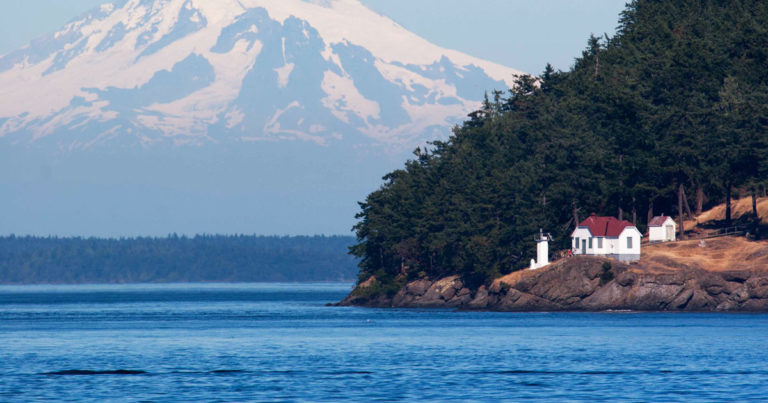
  • A clear day at Turn Point, on the Salish Sea.
    Events

    30th Salish Sea Ecosystem Conference in Seattle

    2018 April 22024 July 8

    This week Raincoast will join hundreds of scientists, First Nations and tribal government representatives, policy makers, community members and conservationists at the 30th Salish Sea Ecosystem Conference, in Seattle. As the largest and most comprehensive conference focused on the Salish Sea, the event is an important opportunity to progress this years theme: Ecosystem Recovery in an International Transboundary System…

    Read More 30th Salish Sea Ecosystem Conference in SeattleContinue

Registered Charity Number in Canada

#889643565 RR0001
More information

Facebook Twitter Instagram YouTube Vimeo Linkedin
  • About Raincoast
  • Events
  • Career
  • Volunteer
  • Privacy policy

.eco profile for raincoast.eco

  • Subscribe
  • Mail a cheque
  • Raincoast Ocean Science Awards
  • Contact Us
  • FAQ
  • Newsroom
  • Press releases
  • Press assets policy
  • Publications
  • Backgrounders
  • Conservation ethics
  • Photography ethics
  • Notes from the field
  • Scientific literature
  • Backgrounders

© 2026 Raincoast | W̱SÁNEĆ Territory
Site supported by Pink Sheep Media.

Scroll to top
Search
  • Raincoast Conservation Foundation
  • Give killer whales a voice
  • What we do
    • Wild Salmon Conservation
      • Managing Salmon for Wildlife
      • Climate
      • Fisheries Management
      • Trans Mountain Expansion
      • Policy and Governance
      • Habitat Restoration
      • Roberts Bank Terminal 2
    • Healthy Waters
      • Spill response
      • Plastic pollution
      • Mobile lab
    • Wolf Conservation
      • Protect wolves
      • Coastal wolves
      • Wolf School
    • Safeguarding Coastal Carnivores
      • A 25 year history
      • GBR map
    • Forest Conservation
      • Land Trust
      • S,DÁYES Flycatcher Forest
      • KELÁ_EKE Kingfisher Forest
      • Big Tree Registry
      • Project TEACH
    • Cetacean Conservation
      • Cetacean Conservation Research
    • Southern Resident killer whales
      • Ten years of work
      • Take action
    • Raincoast Education
      • Online education: Coastal Insights
      • Outdoor education
    • Achiever, research vessel
      • More about Marine Operations
      • Where are we?
      • Re-Power Achiever
  • Science
    • Publications
    • Reports and books
    • Mapping
    • Raincoast Lab
    • Genetics Lab
  • About Raincoast
    • Team members and staff
    • Tracking Raincoast
    • FAQ
    • Calendar of events
    • Raincoast Ocean Science Awards
  • News
    • Videos
    • Press releases
    • Media contacts
  • Donate
Facebook Twitter Instagram Linkedin
Search