Skip to content
Raincoast Conservation Foundation logo with bear and salmon icon.Raincoast Conservation Foundation icon.
  • Give killer whales a voice
  • What we doExpand
    • Living Economies
    • Wild Salmon
    • Healthy Waters
    • Wolf Conservation
    • Safeguard Coastal Carnivores
    • Cetacean Conservation
    • Forest Conservation
    • Youth Education
    • Research vessel
    • Southern Resident killer whales
  • ScienceExpand
    • Peer-reviewed publications
    • Reports and books
    • Mapping
    • Conservation Genetics Lab
    • Applied Conservation Science Lab
  • AboutExpand
    • Team
    • Raincoast Ocean Science Awards
    • Tracking Raincoast
    • FAQ
    • Events
    • Raincoast store
  • newsExpand
    • Latest
    • Videos
    • Raincoast Radio
    • Press releases
    • Media contacts
Donate
Raincoast Conservation Foundation logo with bear and salmon icon.Raincoast Conservation Foundation icon.

What's new // toxicology

toxicology

Notes from the field
Raincoast Radio
Conservation updates
Raincoast updates
Press releases
Science literature
Reports and books
Investigate and inform
Backgrounders
Map science
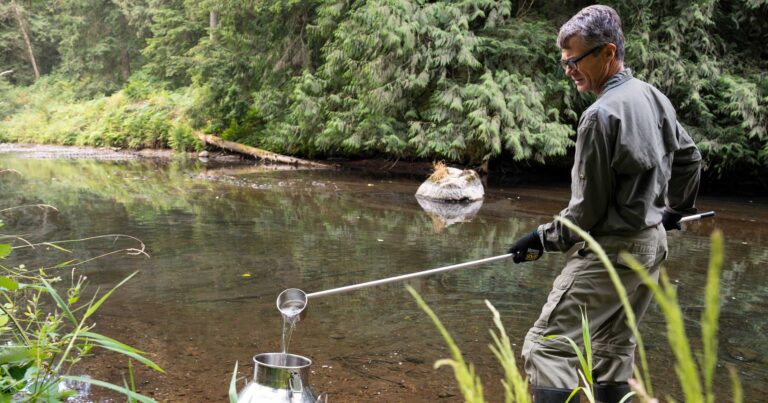
  • A scientist stands in field clothes by a stream, seen through foliage as he collects a water sample by using a long silver rod that has a cup on the end. He collects water from the stream and dumps it into a large silver jug.
    Backgrounders

    What is a watershed?

    2025 October 152025 October 15

    How can we use the movement of water through the landscape to inform our understanding of water quality?

    Read More What is a watershed?Continue

  • Salmon circle on the rocky bottom of the Fraser River.
    Investigate and inform

    Approval of Trans Mountain expansion puts Fraser River salmon and Salish Sea estuaries at risk

    2019 July 92026 August 21

    The Fraser River in British Columbia remains one of the world’s most productive salmon rivers. Equally significant is the Fraser River’s estuary, which serves as vital habitat for fish, bird, and mammal species that are linked across thousands of kilometers of the Northeast Pacific Ocean. All Fraser River populations of salmon…

    Read More Approval of Trans Mountain expansion puts Fraser River salmon and Salish Sea estuaries at riskContinue

  • J50 and J42 in the Salish Sea.
    Investigate and inform

    Canada should rethink unproven, dangerous chemical ‘cleanup’ of marine oil spills

    2019 January 72024 July 8

    As noted, Corexit can also be toxic to wildlife. For some species, such as herring embryos, toxicity occurs because Corexit does what it was designed to do: increase the concentration of petroleum hydrocarbons in the water column. However, there is also a growing body of research, much of it conducted in response to the Deepwater Horizon disaster in 2010…
    Read More Canada should rethink unproven, dangerous chemical ‘cleanup’ of marine oil spillsContinue

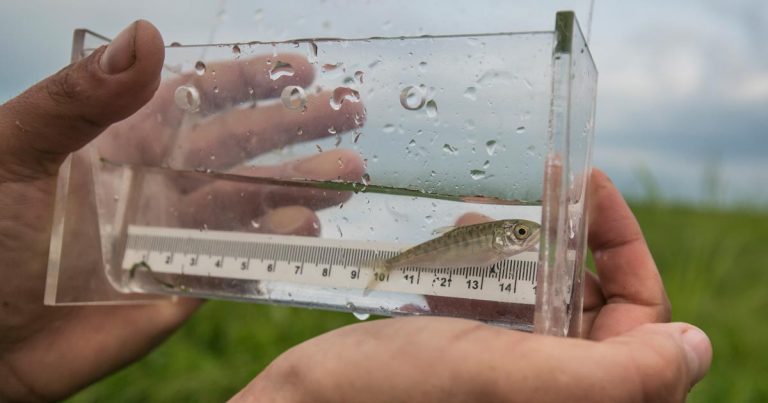
  • Dave Scott holds a small salmon fry in a measuring device on the Lower Fraser.
    Investigate and inform

    New report: Wild Salmon, Pipelines, and the Trans Mountain Expansion

    2018 August 82026 August 13

    This report that highlights the risks posed to wild salmon in the Lower Fraser River from a Trans Mountain pipeline or tanker spill. The report details the year-round presence of different salmon species, the river’s unique features, the nature of diluted bitumen, and the failures of Trans Mountain’s environmental assessment, as well as the inadequacy of the National Energy Board review. ..

    Read More New report: Wild Salmon, Pipelines, and the Trans Mountain ExpansionContinue

Registered Charity Number in Canada

#889643565 RR0001
More information

Facebook Twitter Instagram YouTube Vimeo Linkedin
  • About Raincoast
  • Events
  • Career
  • Volunteer
  • Privacy policy

.eco profile for raincoast.eco

  • Subscribe
  • Mail a cheque
  • Raincoast Ocean Science Awards
  • Contact Us
  • FAQ
  • Newsroom
  • Press releases
  • Press assets policy
  • Publications
  • Backgrounders
  • Conservation ethics
  • Photography ethics
  • Notes from the field
  • Scientific literature
  • Backgrounders

© 2026 Raincoast | W̱SÁNEĆ Territory
Site supported by Pink Sheep Media.

Scroll to top
Search
  • Raincoast Conservation Foundation
  • Give killer whales a voice
  • What we do
    • Living Economies
    • Wild Salmon Conservation
      • Managing Salmon for Wildlife
      • Climate
      • Fisheries Management
      • Trans Mountain Expansion
      • Policy and Governance
      • Habitat Restoration
      • Roberts Bank Terminal 2
    • Healthy Waters
      • Spill response
      • Plastic pollution
      • Mobile lab
    • Wolf Conservation
      • Protect wolves
      • Coastal wolves
      • Wolf School
    • Safeguarding Coastal Carnivores
      • A 25 year history
      • GBR map
    • Forest Conservation
      • Land Trust
      • S,DÁYES Flycatcher Forest
      • KELÁ_EKE Kingfisher Forest
      • Big Tree Registry
      • Project TEACH
    • Cetacean Conservation
      • Cetacean Conservation Research
      • Beluga research
      • Whale Sanctuary Listening Station
      • Sunshine Coast Underwater Listening Station
    • Southern Resident killer whales
      • Ten years of work
      • Take action
    • Raincoast Education
      • Online education: Coastal Insights
      • Outdoor education
    • Achiever, research vessel
      • More about Marine Operations
      • Where are we?
      • Re-Power Achiever
  • Science
    • Publications
    • Reports and books
    • Mapping
    • Raincoast Lab
    • Genetics Lab
  • About Raincoast
    • Team members and staff
    • Tracking Raincoast
    • FAQ
    • Calendar of events
    • Raincoast Ocean Science Awards
  • News
    • Videos
    • Press releases
    • Media contacts
  • Donate
Facebook Twitter Instagram Linkedin
Search