New study investigates prey sharing in two closely related killer whale populations
Drones reveal hidden differences in how fish-eating killer whales cooperate.


What's new // Marine Mammal Science
A collection of Raincoast’s published scientific papers, abstracts, and conference proceedings regarding marine mammals and birds of British Columbia. Many of these studies are based on our 5 years of line transect marine surveys in the Queen Charlotte Basin.

Drones reveal hidden differences in how fish-eating killer whales cooperate.

New research highlights strong population structure in the endangered St. Lawrence beluga population.
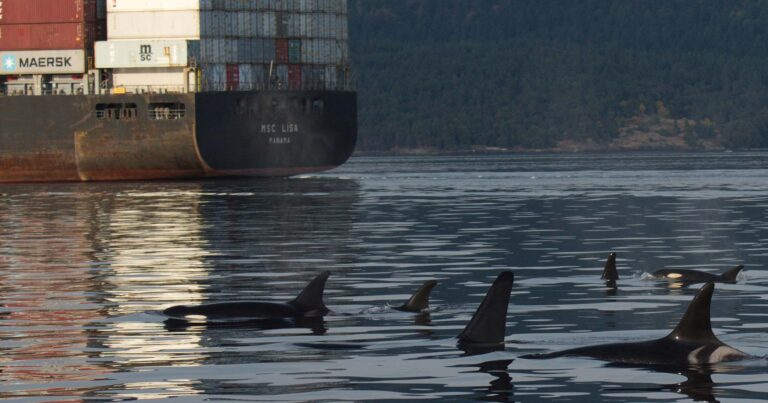
Burgeoning marine traffic to bring more toxic hydrocarbons to killer whale habitats.

New study finds that the demands of maternal care can have lifelong impacts in this threatened population.

Belugas live in multilevel, dynamic societies shaped by kinship, sex, and culture.

Application of environmental DNA beyond species detection for cetaceans.
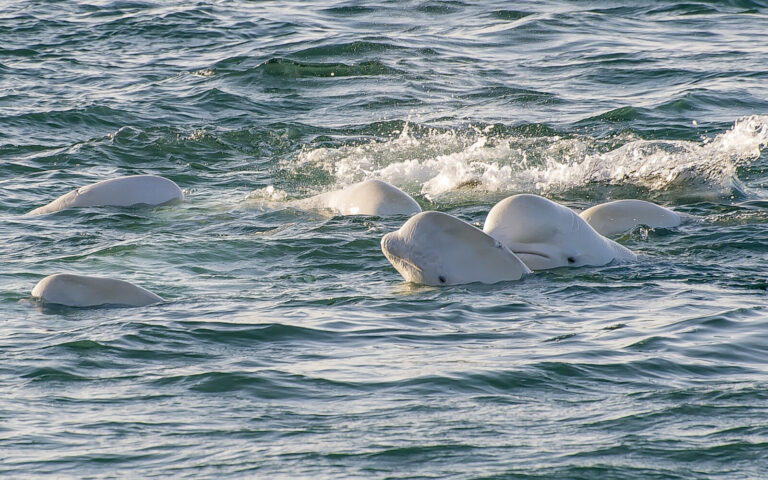
New research shows that beluga whales may exploit ultrasonic signals to maintain communication in noisy environments.
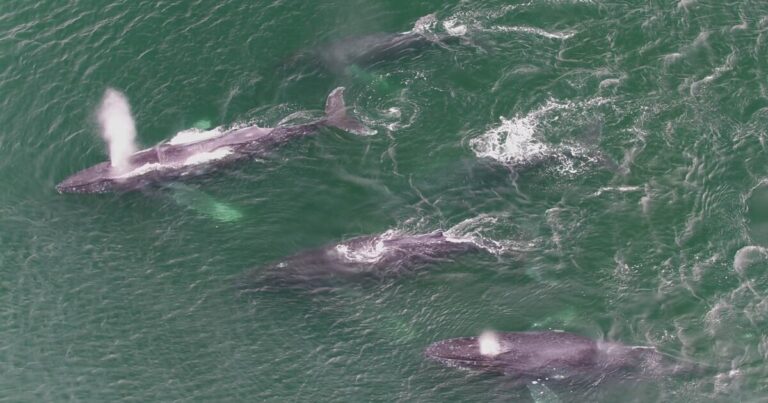
New study uses non-invasive water sampling to detect presence of humpback whales.
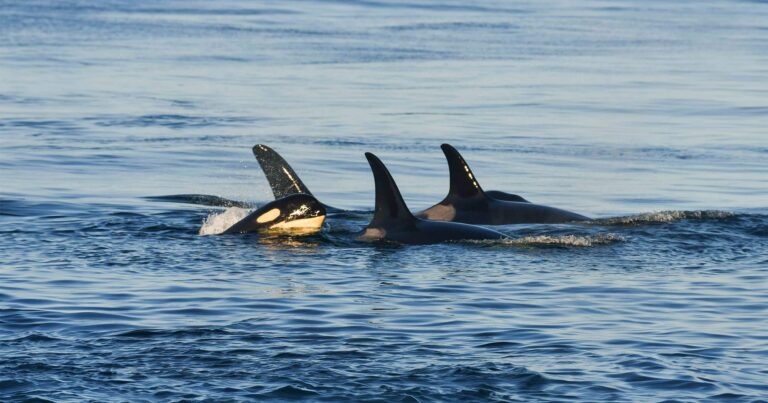
The study reveals more action is needed to save endangered Southern Residents.

The letter, asking whether Canada will permit killer whale extinction, identifies Canada’s conflicting aspirations and obligations to protect biodiversity while continuing to permit megaprojects that destroy the critical habitat of threatened and endangered species.

The endangered Southern Resident killer whales (SRKWs) that inhabit the Pacific Coast of Canada and the United States are balancing on a knife-edge. New research conducted by an international team of renowned scientists representing academic and conservation organizations in three countries…

Building on Raincoast’s five years spent surveying marine mammals on the BC coast, a new approach to linking environmental conditions with marine mammal densities has identified hotspots of marine mammal biodiversity…