Chinook salmon are getting smaller – and one explanation is uncomfortably familiar
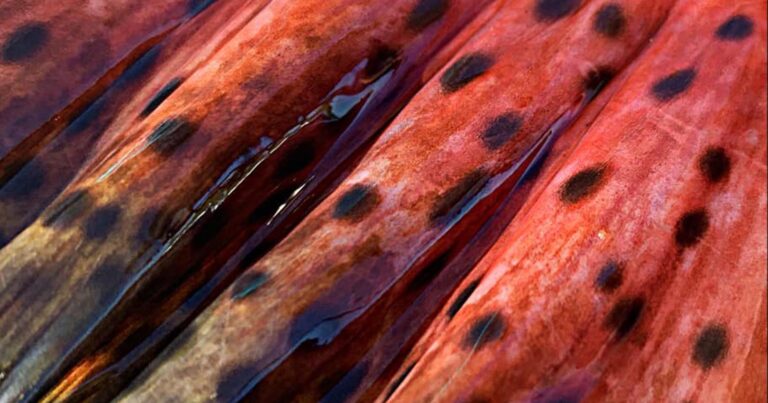
Honey, I shrunk the Chinook.



Honey, I shrunk the Chinook.
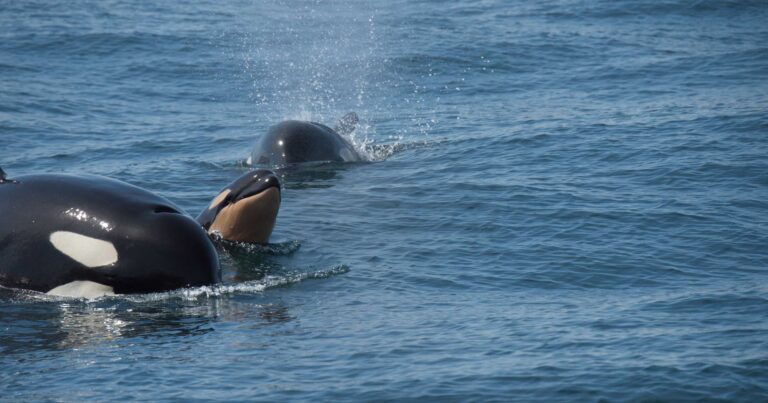
At 73 individuals, the southern resident killer whales’ decline since being listed as endangered two decades ago is unfolding in plain sight, despite mounting science on how to reverse it.
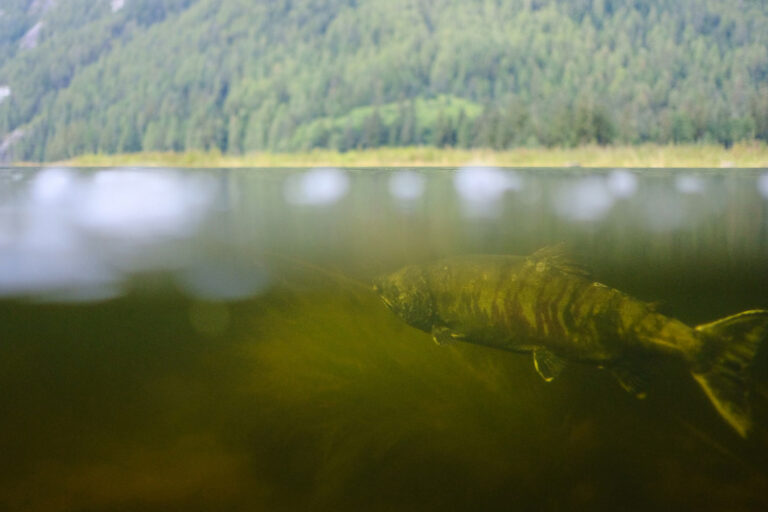
This emerging research will inform how climate change more broadly affects salmon habitat.
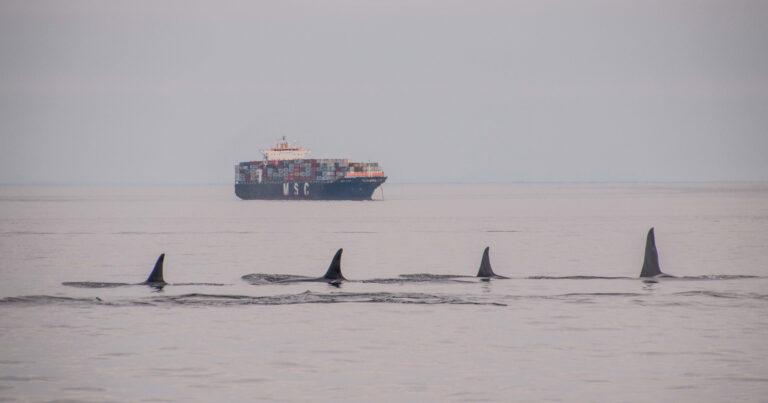
Why Canada’s draft Ocean Noise Strategy misses the mark.
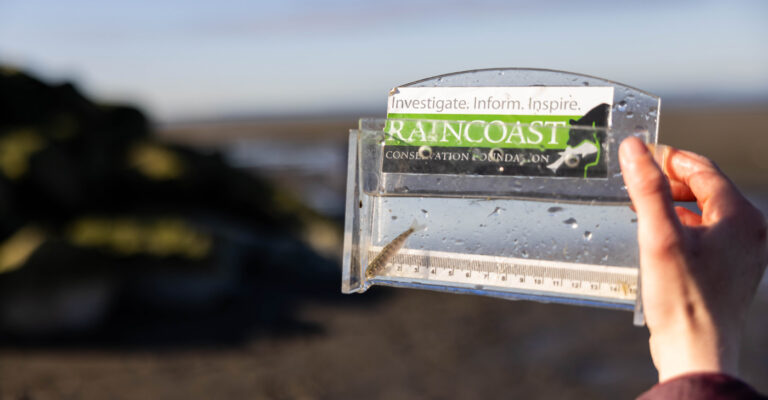
Raincoast’s five year collection of genetic samples illuminates patterns of migration and reliance on estuary habitats.
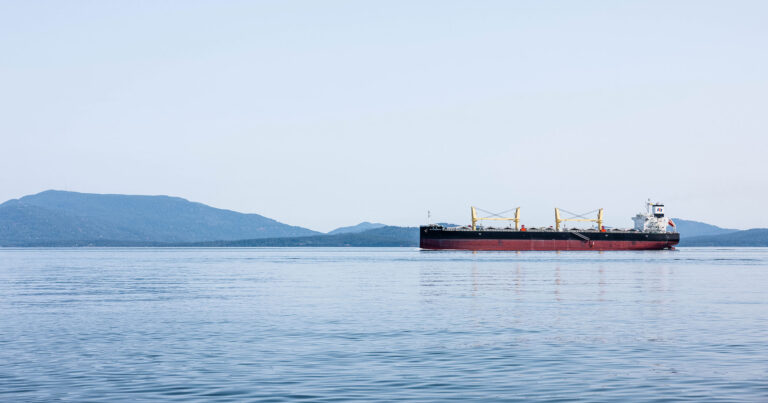
Southern Resident killer whales need protective orders to facilitate recovery.

In May of 2024, Raincoast, along with five other conservation groups (David Suzuki Foundation, Georgia Strait Alliance, Living Oceans, Natural Resources Defense Council, and World Wildlife Fund Canada) filed a petition with the federal government to implement an emergency order.
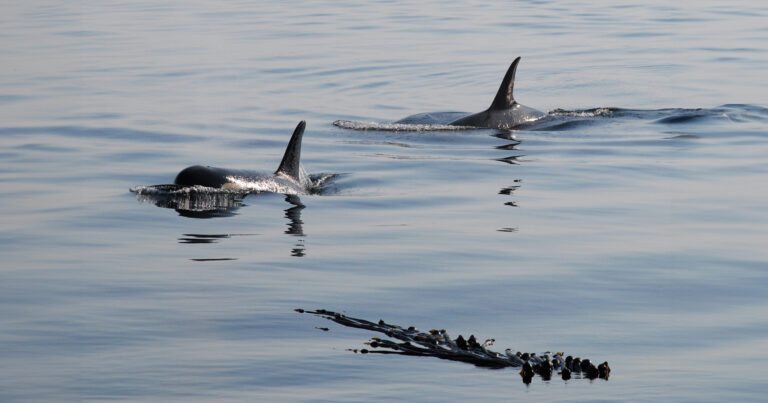
Examining the research that compares salmon abundance to Southern Resident killer whale survival and reproduction.
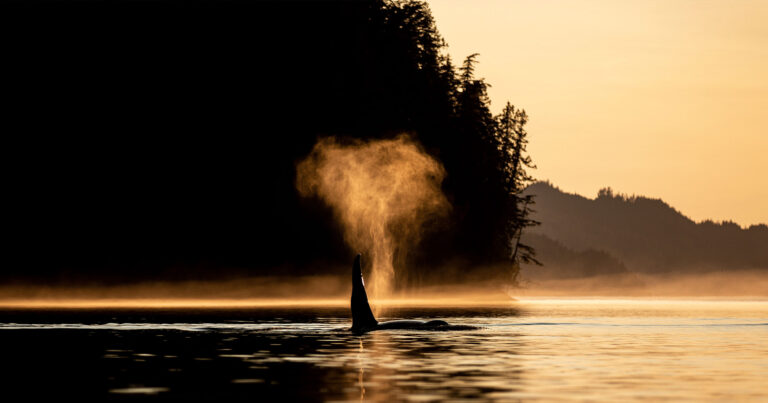
Worrying signs of an accelerated decline in Southern Resident killer whales.
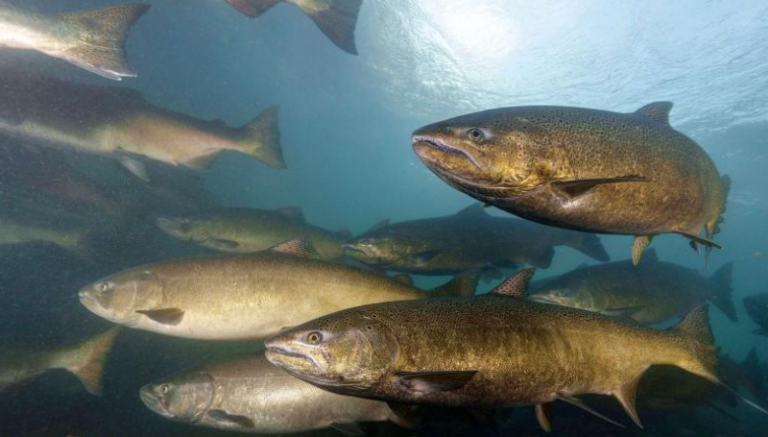
Mitigation in the Biological Opinion fails to address impacts to Southern Resident killer whales and Chinook salmon recovery.
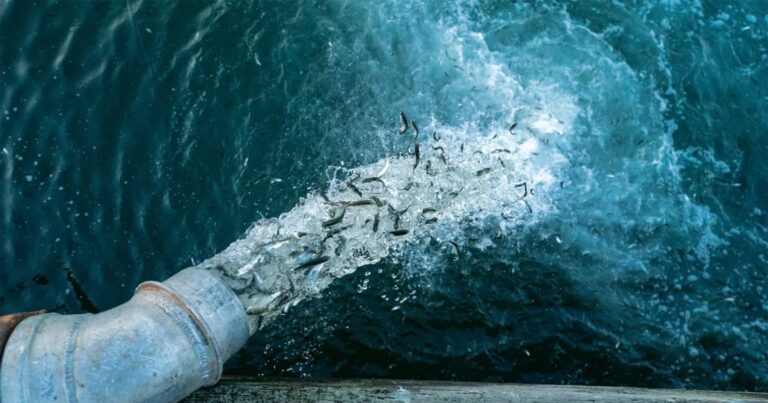
Raincoast argues that the Puget Sound hatchery program does little to solve the prey problem for Southern Residents.
In 2020, the non-profit Wild Fish Conservancy (WFC) filed a lawsuit in the U.S. District Court that challenged the 2019 Biological Opinion developed by the NOAA fisheries.