Skip to content
Raincoast Conservation Foundation logo with bear and salmon icon.Raincoast Conservation Foundation icon.
  • Give killer whales a voice
  • What we doExpand
    • Living Economies
    • Wild Salmon
    • Healthy Waters
    • Wolf Conservation
    • Safeguard Coastal Carnivores
    • Cetacean Conservation
    • Forest Conservation
    • Youth Education
    • Research vessel
    • Southern Resident killer whales
  • ScienceExpand
    • Peer-reviewed publications
    • Reports and books
    • Mapping
    • Conservation Genetics Lab
    • Applied Conservation Science Lab
  • AboutExpand
    • Team
    • Raincoast Ocean Science Awards
    • Tracking Raincoast
    • FAQ
    • Events
    • Raincoast store
  • newsExpand
    • Latest
    • Videos
    • Raincoast Radio
    • Press releases
    • Media contacts
Donate
Raincoast Conservation Foundation logo with bear and salmon icon.Raincoast Conservation Foundation icon.

What's new // Investigate and inform

Investigate and inform

Indepth essays and expert analyses from our researchers.

Notes from the field
Raincoast Radio
Conservation updates
Raincoast updates
Press releases
Science literature
Reports and books
Investigate and inform
Backgrounders
Map science
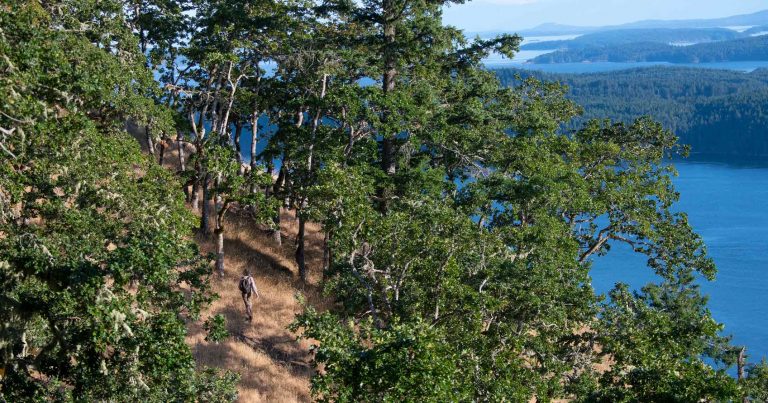
  • Man walking on a trail on a mountain.
    Investigate and inform

    Maxwell Creek Watershed Project Field Files Part 2: Developing surveying methodologies 

    2022 August 52025 December 15

    The project takes a watershed-wide scope to improve understanding of both existing and historical ecological conditions. The first question we aim to answer is: how has modification via forestry, fire, wetland drainage, etc. influenced hydrological dynamics, availability and quality of freshwater (i.e. source drinking water), and local forest ecology? We seek to find answers to…

    Read More Maxwell Creek Watershed Project Field Files Part 2: Developing surveying methodologies Continue

  • Hands examining a rose hip.
    Investigate and inform

    Synthesis of Project TEACH learnings 

    2022 August 32025 December 15

    This article synthesises the information shared by the eighteen experts who contributed to Project TEACH.

    Read More Synthesis of Project TEACH learnings Continue

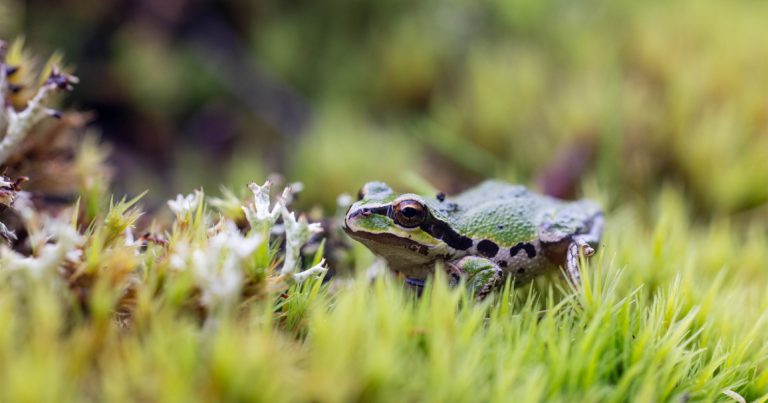
  • Green frog in moss.
    Investigate and inform

    The story of Coastal Douglas-fir forests: All about amphibians

    2022 August 22024 October 23

    In this article, Elke Wind describes the amphibian species common to the Coastal Douglas-fir biogeoclimatic zone; identifies their preferred habitat types; and makes recommendations for strengthening amphibian protection.

    Read More The story of Coastal Douglas-fir forests: All about amphibiansContinue

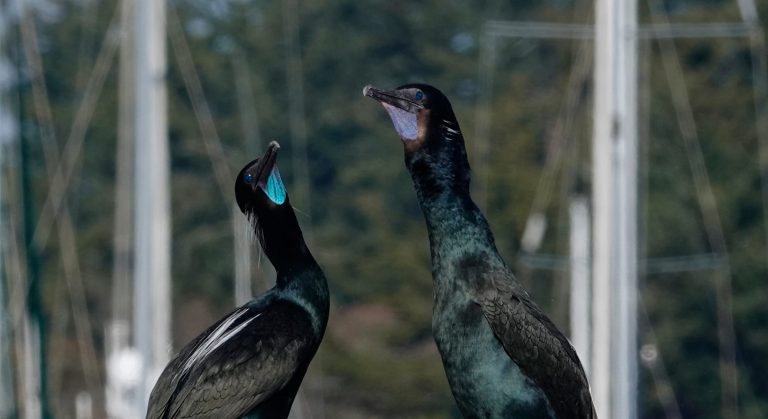
  • Brandt's cormorants face off in a beautiful pose.
    Investigate and inform

    The story of Coastal Douglas-fir forests: All about birds

    2022 July 282024 July 8

    Ann Nightingale, from the Rocky Point Bird Observatory in Victoria, BC, introduces bird species common to the Coastal Douglas-fir biogeoclimatic zone and shares recommendations for how people can better protect them.

    Read More The story of Coastal Douglas-fir forests: All about birdsContinue

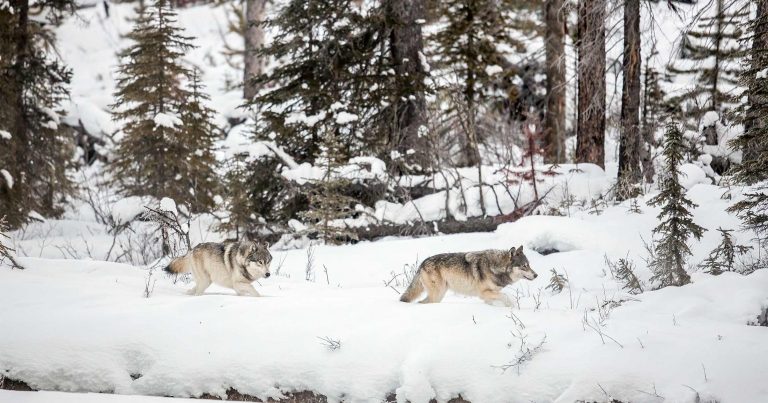
  • Two wolves walking through the snow.
    Investigate and inform

    Five years following a wild wolf pack

    2022 July 12024 July 8

    The Kootenay Wolves – Five years Following a Wild Wolf Pack is a spectacularly illustrated photography book by John E. Marriott, full of behavioural observations and wolf tales that will engage those interested in the state of wild wolves in North America.

    Read More Five years following a wild wolf packContinue

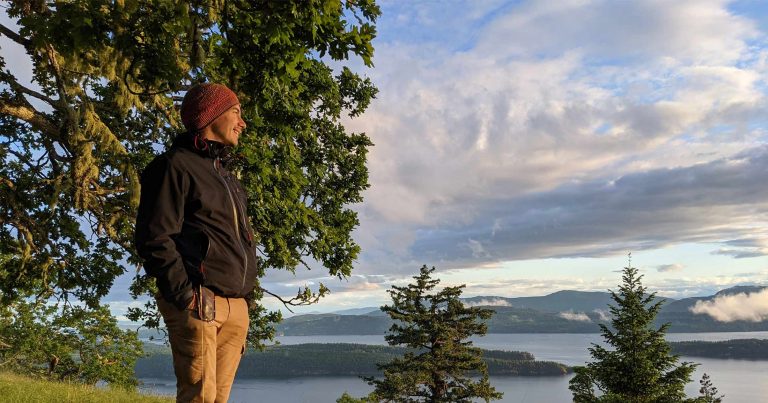
  • Man standing on the top of a hill with trees in the background.
    Investigate and inform

    The story of Coastal Douglas-fir forests: Living within rather than apart from the places that sustain us

    2022 June 292025 December 15

    This installment is the first of several articles seeking to explore the ways ecosystems  differ between the islands within the Coastal Douglas-fir (CDF) biogeoclimatic zone. Adam Huggins, Restoration Coordinator with the Galiano Conservancy Association (GCA), explains the ways topography, historic land use, and shifting economies have influenced and continue to shape the ways CDF forests…

    Read More The story of Coastal Douglas-fir forests: Living within rather than apart from the places that sustain usContinue

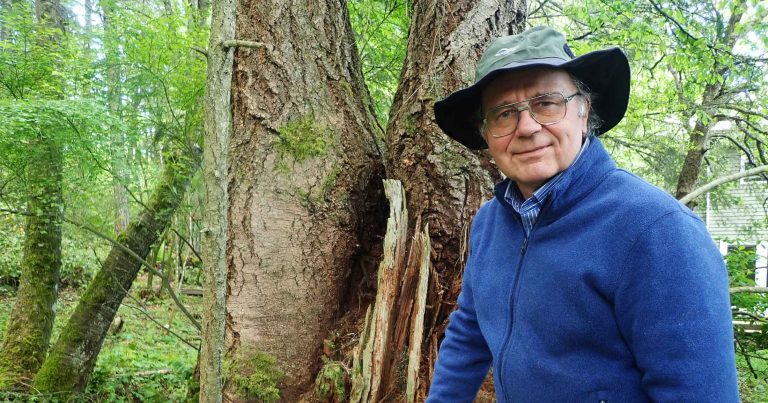
  • Richard Hebda standing in front of a stump.
    Investigate and inform

    The story of Coastal Douglas-fir forests: An ancient legacy, a critical future

    2022 June 202025 December 15

    Eleven and half thousand years ago is a mighty long time for a major forest ecosystem. Yet, that is how long Coastal Douglas-fir forests have existed on Canada’s west coast, longer than most other forested biogeoclimatic zones in British Columbia!

    Read More The story of Coastal Douglas-fir forests: An ancient legacy, a critical futureContinue

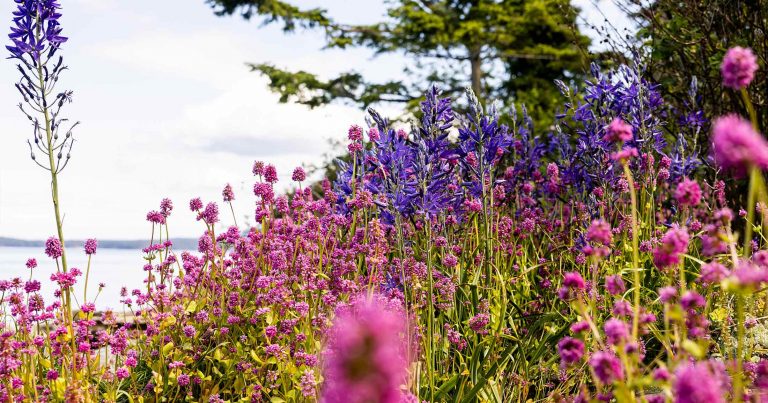
  • Field of wildflowers by the sea.
    Investigate and inform

    The story of Coastal Douglas-fir forests: The interconnectedness of people and place

    2022 June 132025 December 15

    After thousands of years of evolution alongside Coast Salish peoples, the story of Coastal Douglas-fir forests and associated habitats is inseparable from the story of those who shaped them.

    Read More The story of Coastal Douglas-fir forests: The interconnectedness of people and placeContinue

  • Birds eye view of a shoreline.
    Investigate and inform

    The story of Coastal Douglas-fir forests: The return of fire to the landscape

    2022 June 62025 December 15

    The third and last contribution of Parks Canada to The Story of the Coastal Douglas-fir (CDF) forests series, three scientists working in the Gulf Islands National Park Reserve share their knowledge of the legacy of fire in the region and explore the logistics and challenges of present day fire management.

    Read More The story of Coastal Douglas-fir forests: The return of fire to the landscapeContinue

  • Belted Kingfisher on a branch.
    Investigate and inform

    A tribute to the kingfishers of KELÁ_EKE Kingfisher Forest

    2022 May 272024 October 23

    Our familiar belted kingfisher, in comparison, is part of the subfamily of “fishing kingfishers” (Subfamily Alcedininae), which inhabit streams, ponds, lakes, and marine shores and feed mostly on fish, amphibians, and aquatic invertebrates.

    Read More A tribute to the kingfishers of KELÁ_EKE Kingfisher ForestContinue

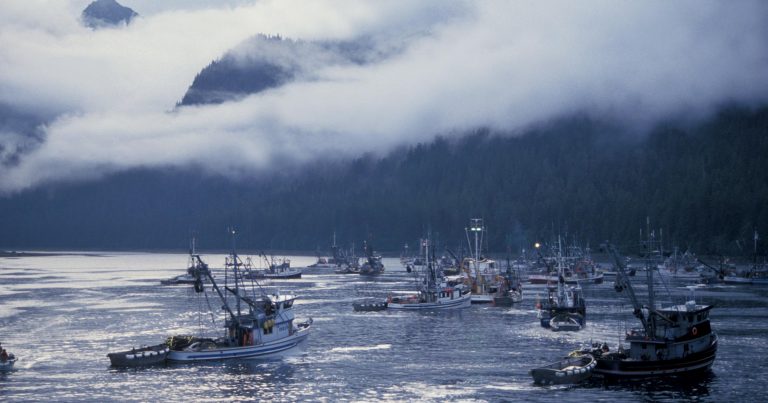
  • A large number of fishing boats squeeze into a small area off the coast of Alaska.
    Investigate and inform

    The Gauntlet, a salmon story foretold

    2022 May 202026 August 13

    World Fish Migration Day celebrates the wonders of migratory fish and raises awareness of the many obstacles that can prevent them from reaching destinations in the rivers and the spawning grounds they seek.

    Read More The Gauntlet, a salmon story foretoldContinue

  • Moss and lichen on the forest floor.
    Investigate and inform

    The story of Coastal Douglas-fir forests: The role of education, curiosity, and exploration in conservation

    2022 May 162025 December 15

    According to Parks Canada social scientist, Stephanie Coulson, rebuilding relationships between humans and place is essential to establishing a culture of conservation.

    Read More The story of Coastal Douglas-fir forests: The role of education, curiosity, and exploration in conservationContinue

Page navigation

Previous PagePrevious 1 … 6 7 8 9 10 … 30 Next PageNext

Registered Charity Number in Canada

#889643565 RR0001
More information

Facebook Twitter Instagram YouTube Vimeo Linkedin
  • About Raincoast
  • Events
  • Career
  • Volunteer
  • Privacy policy

.eco profile for raincoast.eco

  • Subscribe
  • Mail a cheque
  • Raincoast Ocean Science Awards
  • Contact Us
  • FAQ
  • Newsroom
  • Press releases
  • Press assets policy
  • Publications
  • Backgrounders
  • Conservation ethics
  • Photography ethics
  • Notes from the field
  • Scientific literature
  • Backgrounders

© 2026 Raincoast | W̱SÁNEĆ Territory
Site supported by Pink Sheep Media.

Scroll to top
Search
  • Raincoast Conservation Foundation
  • Give killer whales a voice
  • What we do
    • Living Economies
    • Wild Salmon Conservation
      • Managing Salmon for Wildlife
      • Climate
      • Fisheries Management
      • Trans Mountain Expansion
      • Policy and Governance
      • Habitat Restoration
      • Roberts Bank Terminal 2
    • Healthy Waters
      • Spill response
      • Plastic pollution
      • Mobile lab
    • Wolf Conservation
      • Protect wolves
      • Coastal wolves
      • Wolf School
    • Safeguarding Coastal Carnivores
      • A 25 year history
      • GBR map
    • Forest Conservation
      • Land Trust
      • S,DÁYES Flycatcher Forest
      • KELÁ_EKE Kingfisher Forest
      • Big Tree Registry
      • Project TEACH
    • Cetacean Conservation
      • Cetacean Conservation Research
      • Beluga research
      • Whale Sanctuary Listening Station
      • Sunshine Coast Underwater Listening Station
    • Southern Resident killer whales
      • Ten years of work
      • Take action
    • Raincoast Education
      • Online education: Coastal Insights
      • Outdoor education
    • Achiever, research vessel
      • More about Marine Operations
      • Where are we?
      • Re-Power Achiever
  • Science
    • Publications
    • Reports and books
    • Mapping
    • Raincoast Lab
    • Genetics Lab
  • About Raincoast
    • Team members and staff
    • Tracking Raincoast
    • FAQ
    • Calendar of events
    • Raincoast Ocean Science Awards
  • News
    • Videos
    • Press releases
    • Media contacts
  • Donate
Facebook Twitter Instagram Linkedin
Search