What does Canada’s ban on the manufacture and import of six types of single-use plastics mean?
Dr. Peter Ross was on CBC’s Podcast, About That.

What's new // Investigate and inform
Indepth essays and expert analyses from our researchers.

Dr. Peter Ross was on CBC’s Podcast, About That.

Peter Ross was on Wall Street Journal’s, The Future of Everything podcast.
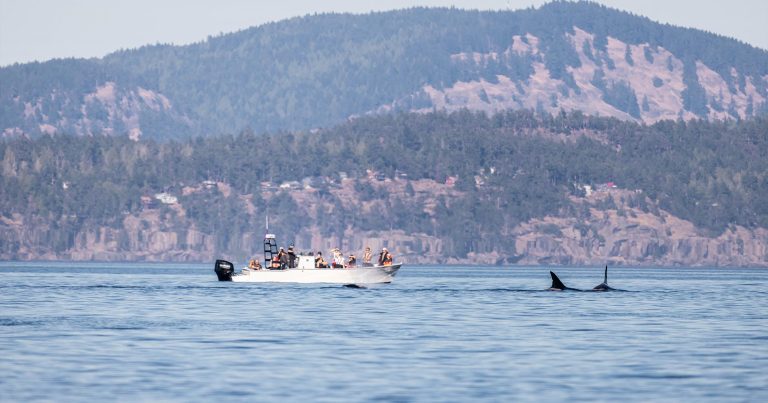
The federal government is accepting your input through a survey, for this year’s recovery and threat reduction measures for Southern Resident killer whales.

Registered Professional Biologist and Planner, Adriane Pollard, has been working to improve local protections of Coastal Douglas-fir associated ecological communities for over 25 years.

Multiple practitioners working under the umbrella of the Maxwell Creek Watershed Project (MCWP or “the Project”) have contributed to this third instalment of the Field Files series, a photo essay illustrating the important role spatial data and mapping plays in establishing landscape-wide restoration projects. All maps were made by Nicholas Courtier, who also assisted with…
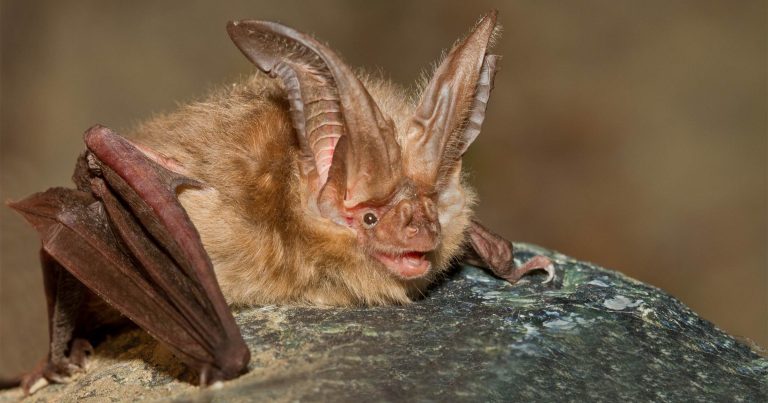
Widely misrepresented and misunderstood, bats are fascinating creatures with an essential role to play in ecosystem functionality.

Dr. Justin Suraci shares his experiences studying predator-prey relationships in the Coastal Douglas-fir (CDF) ecosystems of the Gulf Islands.
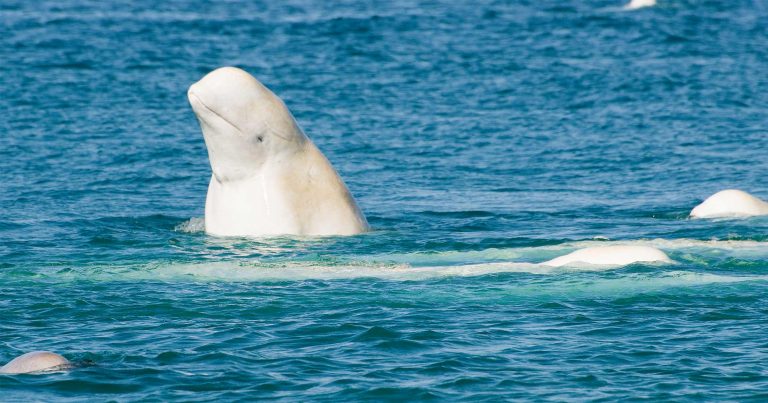
Belugas, nicknamed “sea canaries”, are one of the most loquacious cetacean species, producing an impressive array of sounds for a variety of purposes, such as social communication, group cohesion, maintaining mother-calf contact, navigating, and detecting prey.

This installment is the third of several articles seeking to explore the ways ecosystems differ between the islands within the Coastal Douglas-fir (CDF) biogeoclimatic zone. Grant Scott, chair of the Hornby Island Conservancy and trustee on the Hornby Island Local Trust Committee, describes how historic land management regimes continue to shape the ways forests are…

This article is a synthesis of the key takeaways from that series to address the twin biodiversity and climate crisis on a local scale.

Beluga whales produce a multitude of sounds for a variety of functions. To date, calls used for group cohesion and for mother-calf contact, known as ‘contact calls’, are the best understood 4,6,8,11,13,14. The fact that contact calls sound nothing like the typical chirps and whistles that are common in the beluga vocal repertoire, but instead…

Spirits of the Coast brings together the work of marine biologists, Indigenous knowledge keepers, poets, artists and storytellers, united by their enchantment with the orca.