Press releases

Press releases by Raincoast Conservation Foundation.

Get more information, subscribe to our press releases, or arrange an interview.

  • Have DFO fishery managers gone rogue?

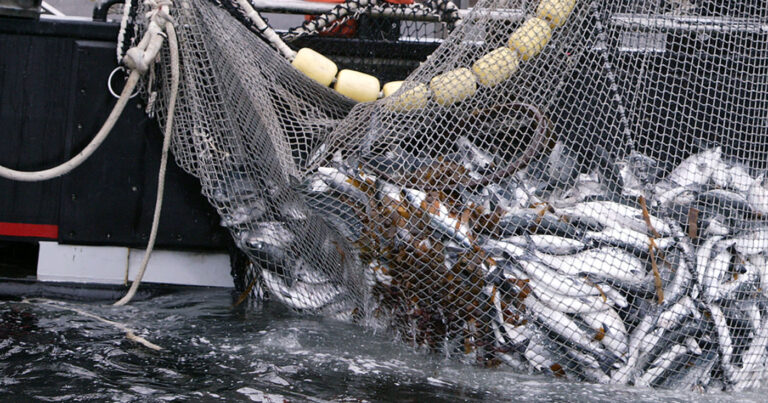
    Three months ago, Minister of Fisheries and Oceans, Bernadette Jordan, made the difficult but necessary decision to announce long-term closures (i.e. spanning several salmon generations) for almost 60 per cent of B.C.’s commercial salmon fisheries. The announcement reflected the dire status of British Columbia’s wild salmon. Fishery closures on Fraser River pink salmon and Georgia Strait chum salmon were part…

  • Press tip: invisible crisis

    Dr. Peter S. Ross is an internationally recognized ocean pollution expert, having published over 160 scientific articles and book chapters on pollutants of concern in the oceans, and impacts on fish, seals and whales.

  • Looking ahead for each other – new study shows how the Wuikinuxv Nation shares sockeye with neighbouring grizzly bears

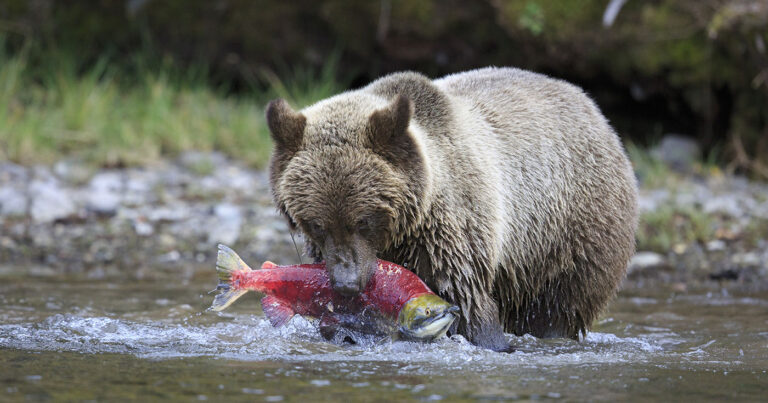
    New research has found that people and bears can share salmon without harming each other’s interests. By setting sockeye harvest limits at ~10% less than those expected to maximize harvest for people they expect to reduce bear densities by a similarly modest 10%, a trade-off that is not only operable but honours the Wuikinuxv spirit of n̓àn̓akila.

  • Up to 85 percent of historical salmon habitat lost in Lower Fraser region

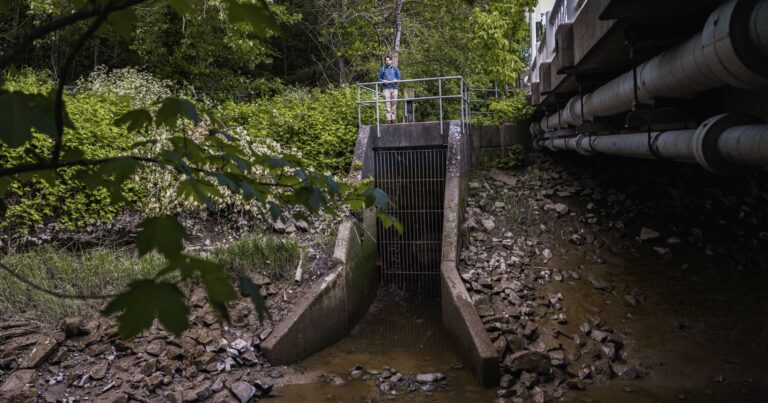
    Salmon have lost access to as much as 85 per cent of their historical floodplain habitat – the biologically rich wetlands next to a river or stream that typically harbour wildlife – due to dikes and similar infrastructure, say researchers at UBC and the Raincoast Conservation Foundation.

  • New research reveals spatial alignment between grizzly bear genetic groups and Indigenous language families in coastal British Columbia

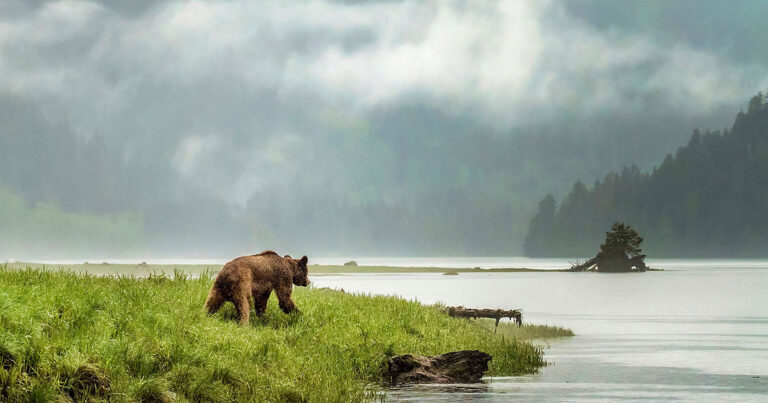
    People from Gitga’at, Haíɫzaqv (Heiltsuk), Wuikinuxv, Nuxalk, and Kitasoo/Xai’xais territories have long been connected culturally to grizzly bears. New research from a collaboration among these First Nations and scientists from the University of Victoria and Raincoast Conservation Foundation has revealed a newly identified link in this long-established relationship.  In the landscape on the central coast of what is now known…

  • New study shows importance of estuary habitats for threatened Chinook salmon in the Fraser River

    Sidney BC. A new study published recently used salmon ear bones (otoliths) and genetic fingerprinting to confirm the importance of the Fraser estuary for juvenile Chinook salmon. Previous estuary researchers suspected these habitats were of high importance to young Chinook, but this study confirms that Harrison River Chinook, which migrate quickly to the estuary after emerging from the gravel, remain there for an average of six weeks.

  • All we want for Christmas is an olive-sided flycatcher in a Douglas-fir tree

    Just a few days away from the holiday break, Raincoast Conservation Foundation is hoping to access the holiday spirit with a campaign to help protect an olive-sided flycatcher in a Douglas-fir tree. Today, the Vancouver-based Sitka Foundation pledged a $100,000 matching gift putting the fundraising goal in sight before the end of 2020. Once the group raises $195,000 (they have…

  • New research charts path to survival for 102 species at risk of extinction in Fraser River Estuary

    Press release: Research published today in Conservation Science and Practice indicates that 102 species at risk of extinction in the Fraser River Estuary can be saved with an investment of $381 million over 25 years. The research demonstrates that the best way to achieve this is for First Nations and other governments to collaboratively implement a conservation and sustainability plan for recovery.

  • Stronger forest protection policy needed on the Gulf Islands

    The Environmental Law Centre’s work resulted in a report synthesizing 10 regulatory recommendations for improving forest governance in the Islands Trust Area, but one overarching certainty emerged from the process: provincial law reform is necessary.